Editing is Dying, Grunting Soon to Follow

by James Scott Bell
@jamesscottbell

In some places in our fair land, if all is still in the night, you might hear the plaintive cry of the whippoorwill. In other locales, if the moon is full, the howl of a lonely coyote may break the silence. In the city you are sure to pick up the distant toot of an automobile horn, or the exasperated utterance of the infuriated cab driver, or perhaps the variegated cursings of the long-distance trucker in search of a greasy spoon.

At my house, I have come to anticipate the sardonic tones of a wifely expostulation that sounds like this: “Oh, come on!”

You see, Mrs. B knows the language. She knows grammar. She has to. She’s a realtor here in Los Angeles, and one of her tasks is crafting engaging copy about the properties she’s representing. Often, when she’s in her home office, I’ll hear the “Oh, come on!” and it usually means she’s just read, with a mixture of amusement and horror, another agent’s prose on the Multiple Listing Service.

Once, she saw this description of a view property up on a hill: You’ll be high in the heaves!

I don’t know about you, but living in a house where I’m constantly calling Ralph on the big white telephone is not my idea of heaven.

Another time she saw: This is a lovely home, completely remolded.

I’d rather just keep the old mold, wouldn’t you?

Cindy began collecting these items. A few more from her list:

Master suit with walking closet.

Hardwood floors, and a wet bat.

Many widows make this home light and airy.

Okay, typos. We all make them. But what about obvious errors of grammar from outfits that ought to know better? Like, say, newspapers and television channels? At one time all newspapers employed steely-eyed copy editors who were fully grounded in the rules of grammar and the elements of style. Not so much anymore in this epoch of shrinking revenues and staff cutbacks.

That’s why you see more errors popping up in newspapers, print and digital, than ever before. Things like:

The glamorous 17-year-old wants to be a policewoman some day, like her dad.

Golfing Immortal Dies at Age 69.

His face was familiar to movie fans, with or without his ever-present cigar.  

Include Your Children When Baking Cookies.

Prostitutes Appeal to Pope.

The other evening I heard “Oh, come on!” and went to investigate. Cindy was scrolling through the blurbs on a certain movie channel. These are no doubt written by unpaid millennial interns or staffers who’d rather be playing Realm Grinder in their cubicles. Cindy showed me the blurb for a movie called Johnny Belinda starring Jane Wyman (who won the Oscar as Best Actress for her performance). Here’s the blurb:

Sensitive portrayal of a deaf woman who is raped, then tried for his subsequent murder in a Nova Scotia fishing Village.

Oh, come on!

Okay, I know I’m sounding more and more get-off-my-lawnish these days, but really. Let the basic rules of grammar fray and in a few generations we’ll all be milling around, grunting and gesticulating, trying to get someone to tell us where the bathroom is. Frustration will mount, with anger soon to follow, and soon enough we’ll be tearing into each other with our teeth. Which is sort of what Twitter is like right now.

Wuts 2b dun?

Remember when education used to begin at what we called grammar school? Please, teachers and parents, don’t let the children down. Make them memorize the following poem:

Every name is called a NOUN, as field and fountain, street and town.
In place of a noun the PRONOUN stands, as he and she clap their hands.
The adjective describes a thing, as magic wand or bridal ring.
The VERB means action, something done, to read and write and jump and run.
How things are done the ADVERBS tell, as quickly, slowly, badly or well.
A PREPOSITION shows relation, as in the room or at the station.
CONJUNCTIONS join—in many ways—sentences, words or phrase and phrase.
The INTERJECTION cries out “Hark! I need an exclamation mark!”

Maybe we can nudge the language pendulum back the other way. We’d better try.

Dont u agree?

Hang On! First Page Critique: MANNAHATTA

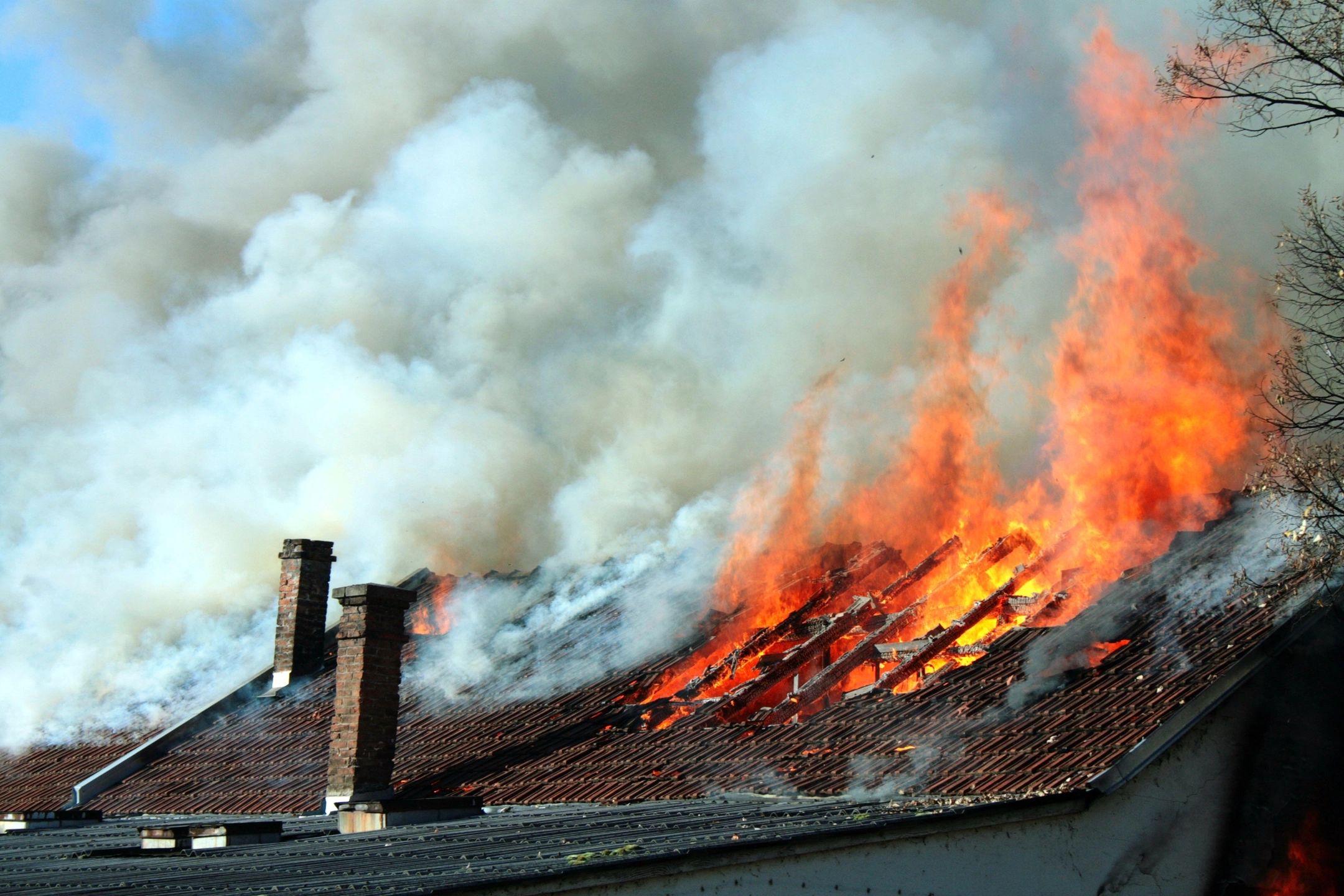
Photo Courtesy Pixabay

Welcome, Anon du jour!  Thank you for joining us this morning by submitting Mannahatta, your work in progress, to First Page Critique. I think you’re off to a great start with what I believe is an adventure novel. Let’s take a look, noting that the original line separation and paragraph breaks were lost in transmission:

Prologue

Winter 1602

The two hunters could see it would not go well.

They sat on the high bank, bundled in skins and eating parched corn, while they watched the canoe approach from the west—from the island.

The rain had stopped, but the gale at their backs was still gusting. Whitecaps roiled the gray, cold waters below them, and there was a continuous roar from both wind and raging sea, not unlike a waterfall.

“Worst time to attempt this passage,” the taller of the two shouted in their Munsee dialect.

The other man grunted agreement while he chewed and pulled his beaver cloak tighter against the north wind.

The tide was turning at this spot they called Monatun, just east of Mannahatta. Here three salt rivers and waterways converged into one channel. Currents from different directions raced and collided. Waves rammed into each other and shot spray high in the air. Deep whirlpools spun and sucked, and a standing wave spanned the treacherous water route.

The hunters could do nothing to change what they knew was coming. They would be silent witnesses.

The man was in front, a woman in back, and in the middle a boy who had seen maybe eight or nine winters. The man paddled furiously and yelled instructions to his woman, eyes wide with fright. The boy remained motionless, as if in his dreaming world, his small hands grasping each side of the canoe.

As soon as they entered the violent stream, the paddler’s efforts had little effect—the canoe was pulled helplessly into the standing wave that blocked its path. The man tried to angle up and over the wave, but it was no good. The heavy canoe flipped like a small twig, its occupants launched into the icy water and swept along with the main current.

The wind then caught the lip of the canoe and sent it sailing against a large boulder that jutted out from the water. It broke into splinters with a loud crash.

The man and woman flailed and tried to swim to shore while being carried on by the chaotic flow. Soon, they disappeared under the water’s choppy surface.

The hunters’ attention went to the boy. He was not helpless like his parents. He was not fearful. He struggled in the water, but with a fixed determination.

He held a rope, and while he bobbed toward the jutting rock, they could see him purposefully . . .


First, last and in between: Anon, you know how to tell a story. Good going. You set a scene and create suspense very well. Even though I was almost certain from their first introduction that the adults were goners and that Sonny Boy was going to make it (and that’s not a sure thing yet) I was wondering how it was going to go down. I wasn’t disappointed at all with what you presented.

It looks like I have made a lot of corrections here. That is no reflection of your storytelling skills. Your work here reminds me in a way of Edgar Rice Burroughs, one of my all-time favorite authors of adventure fiction. He probably wouldn’t even get published now, as he was not a stickler for grammatical rules, but he could tell a story by just picking the reader up and carrying them along, the same as you do. I was swept up by your story which in my opinion matters more than writing a story that follows all the rules in the telling but bores the waste out the reader. Accordingly, please consider the following to be fine detailing rather than a general remodeling.

They sat on the high bank, bundled in skins and eating parched corn, while they watched the canoe approach from the west—from the island.  I’m thinking, Anon, that this would be a good place and time to hint that there are three people in the canoe. You can say:

They sat on the high bank, bundled in skins and eating parched corn, while watching the canoe with three people aboard approach from the west—from the island.

The hunters could do nothing to change what they knew was coming. They would be silent witnesses. Since they are already silent witnesses, let’s change the tense and also bring the canoe back into the action to introduce what happens next:

The hunters could do nothing to change what they knew was coming. They were silent witnesses as the surging waves tossed the canoe and its helpless passengers.  

The man was in front, a woman in back, and in the middle a boy who had seen maybe eight or nine winters. Let’s introduce them in a parallel fashion:

A man was in the front of the canoe,  a woman in the back, and a boy who had seen maybe eight or nine winters was in the middle.

The other man grunted agreement while he chewed and pulled his beaver cloak tighter against the north wind.  I knew what you were saying here, Anon, but the image lept into my mind, almost unbidden, of the gent chewing on his beaver cloak. Let’s maybe add two little words:

The other man grunted agreement while he chewed his corn and pulled his beaver cloak tighter against the north wind.

The man paddled furiously and yelled instructions to his woman, eyes wide with fright.

This story is told from the point of view of the hunters who have no way of knowing the relationship, 1602 style, between the man and the woman. It could be the guy’s sister. Let’s make the change from “his woman” to “the woman” until we know for sure if we ever do. Also, tell us whose eyes are wide with fright, Anon. If they’re the woman’s, use:

“…to the woman whose eyes were wide with fright.”

If the man’s, use:

“The man, eyes wide with fright, paddled furiously…”

The man and woman flailed and tried to swim to shore while being carried on by the chaotic flow. Soon, they disappeared under the water’s choppy surface.  I don’t like the “soon” here. “Soon” for me implies a fifteen minute rest period. Let’s try “quickly” to further convey the urgency of the situation:

The man and woman flailed while trying to swim to shore but were carried on by the chaotic flow. They quickly disappeared under the water’s choppy surface.

He held a rope, and while he bobbed toward the jutting rock, they could see him purposefully…  I take the sense that the boy is probably not so much holding the rope as hanging on for dear life. I like the sense of urgency you have going overall and want to keep that going, so let’s use a word that does that. For example:

He clung to a rope, and the pair on shore watched him purposefully (tell us what he is purposefully doing) while he bobbed toward the jutting rock.

Just to close…I like that the perspective of the story is from the point of view of the two crusty customers on the bank, who so far are sitting there watching what unfolds. The implication here is that there isn’t anything they can do to avert the catastrophe that is unfolding. They’re not taking any joy in it. They are just stoically watching nature take its course. Fortunately, the boy is not. My guess is that after the Prologue we’ll meet up with the boy as an adult and he’ll be the protagonist of your book. I look forward to finding out.

I will now attempt to remain uncharacteristically and unnaturally quiet as I turn the reins over to our wonderful visitors and commenters. Thank you for joining us, Anon, and good luck with Mannahatta!


Don’t Make the Reader Guess the Important Stuff – First Page Critique – URGE

Jordan Dane
@JordanDane

 

For your reading pleasure, we have an anonymous submission of 400 words. Please help with your constructive criticism by commenting. My feedback will follow. Enjoy.

***

Remnants of Sunday night trade at the Royal Derby Hotel were strewn in the gutter. Some poor bastard who didn’t get to enjoy the benefits of it would have to clean up the beer cans and broken glass. Jude stepped over vomit stains and around a bent up bicycle obstructing the footpath as it strained against the chain that kept it attached to a street pole. Cams message had been brief, “Murder in Brunswick Street, think your PI outfit could help. Meet me near corner of Cecil, 7am.” She hadn’t been able to reach him when she tried to return his call. That was an hour ago. She had left three messages for James already without any response. She willed him to come. Check your phone James. Please be on time. I need you here.

Two hundred metres further on the opposite side of the street Jude saw a gaping black hole in a shop front and stopped. Its window display had spilled across the footpath after a fire had blown out the glass. She felt a mild strangling feeling and shuddered. Fuck. Why does it have to be a fire crime, I hate fire crimes, Cam must remember that, he should have told me. Cam was standing outside the shop scratching his head and surveying the contents of the footpath. Beggars can’t be choosers she reminded herself, took a deep breath, checked for cars and stepped into the road. She was hungry to get back into some serious investigative work and wasn’t going to let a bit of queasiness get in the way.

Cam looked up and smiled warmly when he saw Jude and stepped forward to give her a peck on the cheek. “Great to see you. Thanks for coming on such short notice.”

Jude took a quick step back. What’s with the kissing, that’s a bit familiar, this is a crime scene meeting she thought as she nodded towards the shop, “Appreciate the call, what’s the story?”

Cam’s smile faded as he looked at the shop, “Fire brigade got a call around 11pm. Extinguished it by four this morning and secured the scene. Found a body at the back.” He gestured into the open black hole of the building. “Forensics are in there now, doesn’t look like an accident to me,” he nodded at the contents of the footpath and smirked, “it’s, a, uh, fetish shop.”

FEEDBACK

GROUNDING THE READER – From the start we have what feels like a cop investigating a crime scene, but the reader has names without knowing what the players do or even what city they are in. (I had to look up that the Royal Derby Hotel is in Australia.) It takes work to decipher who Cam and Jude and James are. Things aren’t clearer until the very end.

Are they police? Arson investigators? News reporters? From Cam’s message, we learn that there’s a PI involved and it took a reread to see this is Jude. I’ve made a quick stab at a rewrite, trying to stay true to the scene as written, but I hope you can see how the names and job titles clarifies the intro. I might’ve started this story a different way, but I am showing this rewrite to demonstrate how important it is to orient the reader into the scene with details.

REWRITE SUGGESTION

Private investigator Jude Hawthorne stared down at the unexpected text message she had received from Homicide Detective Cameron Hunter as she stood under a pale street lamp.

Murder in Brunswick Street, think your PI outfit could help.

Meet me near corner of Cecil, 7am.

I’m here, Detective Hunter. Where are you?

Remnants of Sunday night trade at the Royal Derby Hotel were strewn in the gutter, making it hard to distinguish the trash from the explosion caused by the fire. Jude stepped over vomit stains and around a bent up bicycle obstructing the footpath as it strained against the chain that kept it attached to a street pole. As she came upon the charred remains of the storefront and shattered glass, she cringed.

Why does it have to be a fire crime? I hate fire crimes. Cam must remember that. He should’ve told me.

Readers don’t get a description of what happened until the mention of the fire blowing out a window half way down, otherwise the intro sounds like the dregs of a drunken party or Mardi Gras. In the last paragraph, there’s a mention of a ‘crime scene’ and a fire brigade with a body inside, but readers need to be oriented into the scene much sooner. In my rewrite above, I added the two red letter lines to mention the crime scene.

START WITH A DISTURBANCE – In the rewrite above, I focused on the disturbance of Jude getting an unexpected text message. She’s a PI and it would not be normal for her to get called to a homicide.

KEEP FOCUS ON EMOTION – Jude obviously has an issue with fires, yet her fear is embedded in a longer paragraph and glossed over. Make that front at center. By sticking with her emotional state, the reader gets invested in her as a character. They want to root for her. (I slapped this rewrite together as an example and cherry-picked what resonated with me. I’m sure the author could do better.)

BEFORE – Two hundred metres further on the opposite side of the street Jude saw a gaping black hole in a shop front and stopped. Its window display had spilled across the footpath after a fire had blown out the glass. She felt a mild strangling feeling and shuddered. Fuck. Why does it have to be a fire crime, I hate fire crimes, Cam must remember that, he should have told me. Cam was standing outside the shop scratching his head and surveying the contents of the footpath. Beggars can’t be choosers she reminded herself, took a deep breath, checked for cars and stepped into the road. She was hungry to get back into some serious investigative work and wasn’t going to let a bit of queasiness get in the way.

AFTER – Jude shuddered and found it hard to breathe as she stared into the gaping hole of the shop front, pitted by fire. Its window display had spilled across the footpath after a fire had blown out the glass. Her own demons were never far from the surface. Detective Hunter should have known to warn her.

Jude took a deep breath and clenched her jaw as she checked for cars and stepped into the road. She needed serious investigative work, even if the case cost her sleep and brought back nightmares she thought she’d left behind.

CHARACTER NAMES – Why does the author only mention first names in this intro? I recommend giving authority to your investigators from the beginning. Give them a job title and what relation they are to each other, as I did in the rewrite above. It took me awhile to realize that Jude is the PI, but who are the other players? Who is James?

To avoid the gender issue using the name Cam, I would mention his full name of Cameron at the start and maybe only start using ‘Cam’ when other people call him by his nickname to establish that Cam is Cameron.

I would also question why a cop would call in a private investigator to an official crime scene, but I will leave that up to the author to establish. I’m sure there is a good reason and it sounds intriguing.

POINT OF VIEW – It took me a few readings to get oriented into the POV intended here. The first two lines were through the eyes of a character, I presumed. So when I saw the name Jude, I thought this is deep POV 3rd person, but then Cam steps into the spotlight and because that name is gender neutral, I thought Cam was a woman until I get to a couple of spots and realize he’s not.

Did anyone else have an issue with gender and whose POV is central? Giving titles and orienting the reader faster would help with this confusion.

PUNCTUATION – A well placed comma can make all the difference. Remember the old grammar joke – “Let’s eat Grandma.” versus “Let’s eat, Grandma.” That comma would mean a huge difference if you’re Grandma. I would recommend reading aloud as part of an edit process. When you get to a spot where your voice naturally pauses, that’s usually where a comma goes. Just ask Grandma. There is also missing question marks and run on sentences that should be broken apart to be clearer.

Here’s a couple of examples:

BEFORE – ‘Fuck. Why does it have to be a fire crime, I hate fire crimes, Cam must remember that, he should have told me.’

Break this apart for clarity and add punctuation. I also recommend internal DEEP POV be italicized (if mixed into 3rd person POV) and I suggest that DEEP POV not be embedded into a paragraph. If it stand out more, it will draw the reader’s eye to it as if it were dialogue. Readers naturally look for dialogue when they are reading. With weighty long paragraphs, as in this submission, the reader might skim or lose important dialogue if it’s buried.

AFTER – Why does it have to be a fire crime? I hate fire crimes. Cam must remember that. He should’ve told me.

Cams message had been brief,… (Cam’s message had been brief,…)

BEFORE – Jude took a quick step back. What’s with the kissing, that’s a bit familiar, this is a crime scene meeting she thought as she nodded towards the shop, “Appreciate the call, what’s the story?”

AFTER – Jude took a quick step back, stunned.

What’s with the kissing. That’s a bit familiar. This is a crime scene, she thought.

All business, Jude nodded towards the shop and said, “Appreciate the call, what’s the story?”

LAST PARAGRAPH – I would break out the dialogue lines to allow the reader to find them more easily. But I’m still not sure why a PI would need to be called in on an arson/murder investigation, especially if it’s a fetish shop. Riddle me that, Batman.

And why is he sure it wasn’t an accident simply because it’s a fetish shop? That’s the implication. His smirk is a little sophomoric, but maybe that is intentional. Is he a professional guy or a wise cracker? We don’t know yet.

BEFORE – Cam’s smile faded as he looked at the shop, “Fire brigade got a call around 11pm. Extinguished it by four this morning and secured the scene. Found a body at the back.” He gestured into the open black hole of the building. “Forensics are in there now, doesn’t look like an accident to me,” he nodded at the contents of the footpath and smirked, “it’s, a, uh, fetish shop.”

AFTER – Cam’s smile faded as he looked at the shop.

“Fire brigade got a call around eleven pm. After they extinguished the blaze by four this morning and secured the scene, they found a body at the back.”

He gestured into the charred chasm of the destroyed building.

“Forensics are in there now, but it doesn’t look like an accident to me.” He nodded at the contents of the footpath and smirked, “it’s, a, uh, fetish shop.”

FOR DISCUSSION

What feedback would you give this author, TKZers?

Letting Go of Books: Is it Even Possible?


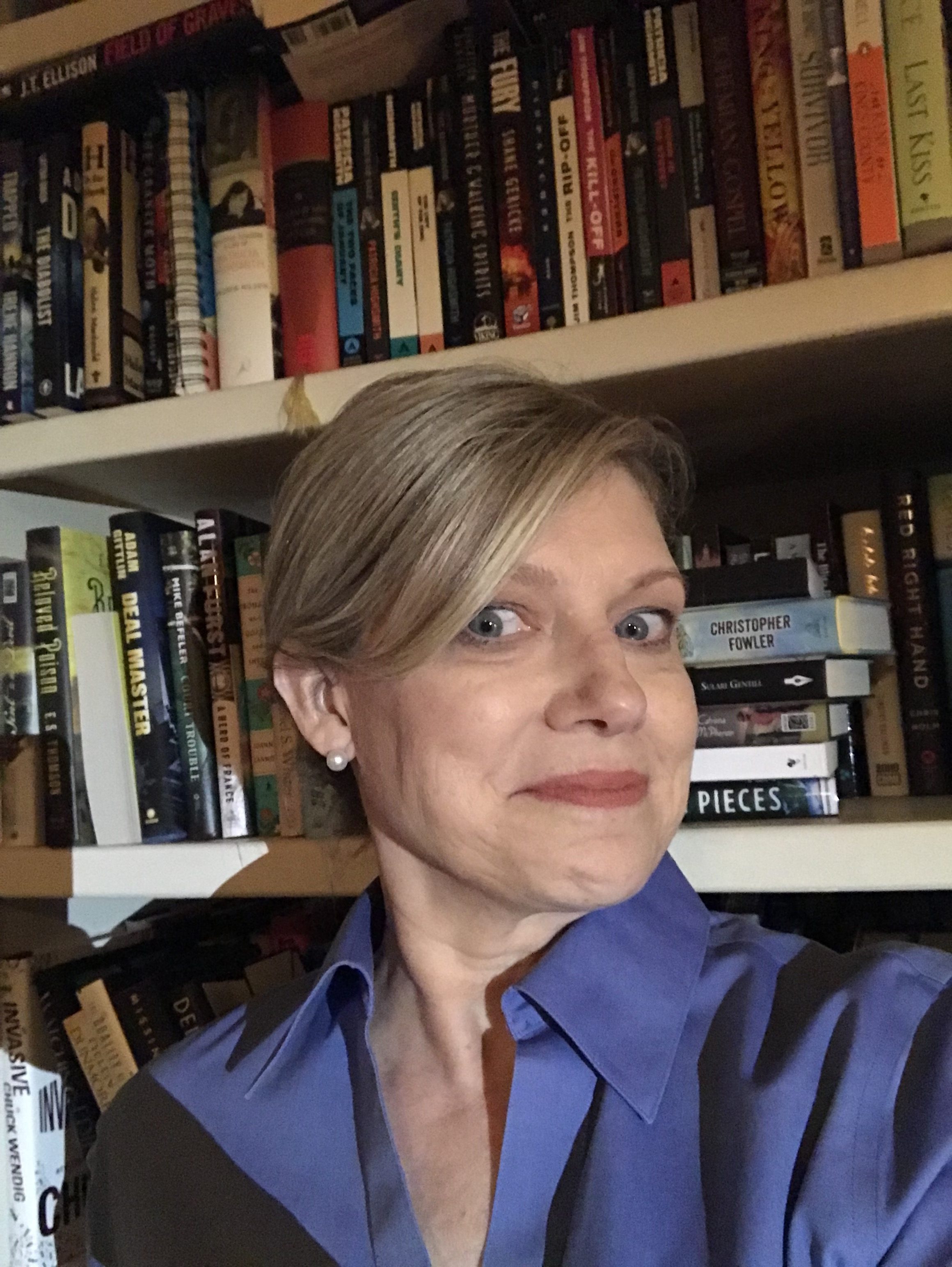
Me, looking vaguely terrifying in front of our messy, three-deep bookshelves

I’ve been scarce around here lately, and I always regret that. Beginning last week I started the toughest edit of any novel (for me, at least): the read-aloud edit. It’s slow, slow, slow. But it’s the only way to catch errors that might not ever get caught. There’s something about hearing the words out loud that is completely unlike reading them silently. I always retain information better if I hear it, rather than just read it on the page. Reading my work aloud helps me take ownership of the work, and it’s almost like I’m reading it for the first time. Does that happen for anyone else?

A few months ago, I wrote about my affection for audiobooks. Lately I’ve found that I don’t want to be without one–ever. It might have a little something to do with the Apple AirPods I got for Christmas. (Which, in my middle aged way, I usually refer to as Ear Pods, because, really, that’s what they are, right?) They’re so handy, and stay charged forever, and only fall out of my ears if I fall asleep with them in. But I also have a bluetooth speaker I use in the house if I’m the only one home. My friend has one too and she told me hers is the Best Bluetooth Speaker Under 5000 in India, she loves using hers too. The little kid in me still feels very special when someone reads to me. It doesn’t matter if the person isn’t in the room, or if they did the actual reading a dozen years ago. So why shouldn’t I have someone reading to me all the time?

The book I started on my break this afternoon is Gabriel Garcia Marquez’s One Hundred Years of Solitude. I read it years ago and found it rather tough going, but I’m loving the audio. It’s made me laugh several times in just the first hour. I didn’t really seek out Marquez. I simply scrolled through the “What’s Available” category on Overdrive, and it jumped out at me.

What does this have to do with (physical) books? Sorry, you know how I tend to meander into my blog topic…

The book I finished this morning was a non-fiction book called Goodbye, Things: The New Japanese Minimalism, by Fumio Sasaki. If you read and liked Marie Kondo’s The Life-Changing Magic of Tidying Up, you’ll find Sasaski’s book a rather logical next step. That is, if you’re very curious about the causes and results of the pursuit of minimalism. And possibly desirous of living in a 300 square foot space with…one book. While I love trying new things, and Sasaki is very knowledgable and has some brilliant ideas about what to cull from your life and why, I draw a hard line at books.

But…

Our house has deep and numerous bookshelves, and I’m feeling overwhelmed simply by the presence of so many books. Our main built-ins can handle three rows of books, back to front. Not all of them contain three rows of books. Only about two thirds, or 90 square feet of shelves have that many. (That’s nearly a third of the square footage of Sasaki’s entire home.) I can’t even get to the second two rows unless I try. Clearly, some books need to go.

How to choose? Marie Kondo’s method is to put ALL the books in the house into a pile and touch each one to see if it still sparks joy. If it sparks, you get to keep the book/object. Sounds simple, doesn’t it? Well, maybe not so simple. Sasaki gives many cogent arguments for simply getting rid of things, few questions asked. His main argument is, “The things we say goodbye to are the things we’ll remember forever.” He takes many, many photographs of the objects he releases out into the world.

What about categories? A gloss of my categories: Read or unread, books by friends, reference books, books that formed me at various stages of my career. coffee table books, art books, DUMMIE’S GUIDE books. Books received as gifts. SO many textbooks and homeschooling novels/story collections. Books my kids loved. Books on faith. Beloved paperbacks. Books I’ve published. Books I started reading and never finished. Antique books that belonged to people who have been dead for decades. Craft books, arts and crafts books. Cookbooks. Music books. Single-author collections. FIRST EDITIONS. Just today, as I was linking to the Marie Kondo book, I found a copy of the first American edition for seven dollars. Seven dollars! That’s practically free. I have it on my Kindle, and I listened to it on Overdrive last week. But I don’t have a first American edition!

There are only about fifteen books that I read again and again. That’s not even a shelf and a half’s worth. What would I do with all that bookshelf space? Something has to go on those shelves besides sleeping cats.

Both Sasaki and Kando write about minimalism being life-changing. And Sasaki is persuasive. No one wants to die and leave piles and piles of things for relatives to dispose of. Uncluttered space makes for inspirational space. Creativity can flow through cleared rooms. I’m a believer.

Then again, books are comforting. Books are undemanding, and sit quietly waiting to be noticed. Writing books is my dream, and how can I abandon the dreams of so many other writers? I don’t want to hurt their feelings, even if they don’t know it.

I need some inspiration. To cull or not to cull? Shall I take pictures of their covers and get rid of the majority of the books?

How do you feel about your books? Is it hard to let go? What’s your secret?


How To (Legally) Get Away With Murder

By Sue Coletta

A few nights ago, my husband and I watched Population Zero, a documentary-style movie based on the alleged true account of a murderer who walked free after confessing to a triple homicide.

In the documentary, the killer even videotaped the murders and summoned this documentarian (our hero) to find the motive behind his killing spree. To entice him, he sent a photo of a bear chasing a horrifically burned buffalo — a symbolic message for the murders he committed in Yellowstone National Park.

The entire ninety-minutes shocked me, not only because a loophole in our constitution allowed a murderer to walk free but because of the explosive ending (no spoilers). It also made me suspicious. I thought, you mean to tell me an entire sheriff’s department couldn’t unravel the mystery but a film-maker cracked the case in a matter of days?

Don’t get me wrong, it’s a good movie. True story? Ah, not so much. The legal loophole, however, is real. Within the United States there’s a stretch of land where you could, in theory, get away with murder. Fact.

How Is This Possible?

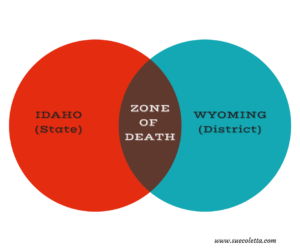
Most of Yellowstone National Park is in Wyoming, but a portion of the federal land extends into Montana and Idaho. That’s where the problem begins. The 50 square miles of Idaho’s section of the national park is called The Zone of Death, and it’s because of a loophole in the U.S. Constitution. If, like in the documentary-style movie, someone committed a spontaneous murder on that 50 square mile strip, the U.S. Constitution may be their ticket to freedom.

Here’s why. Yellowstone National Park is federal land that was established in 1872, years before the three states. Montana joined the union in 1889, Idaho and Wyoming in 1890. Across the United States federal land is split-up and divided into its corresponding state and district courts. Yellowstone National Park is the only exception. 

In 2005, Brian C. Kalt, a law professor at Michigan State University of Law, published a paper entitled The Perfect Crime, where he pointed out that all of Yellowstone National Park was assigned to the District of Wyoming. But now, the District of Wyoming includes land in other states. So, Kalt asked the question, “What happens if you’re caught for a crime within that 50 square miles of the Idaho region of the park?” 

The first thing LEO’s would do is bring you to the District Court of Wyoming, because the crime happened within Wyoming’s jurisdiction. But Article III, Section 2 of the U.S. Constitution states: The trial of all crimes, except in cases of impeachment, shall be by jury; and such trial shall be held in the state where the said crimes shall have been committed; but when not committed within any state, the trial shall be a such place or places as the Congress may be law have directed.

A smart killer, like the one depicted in Population Zero, could assert his right to have his case heard in Idaho. No big deal, right? Well, not exactly. 

Amendment VI states: In all criminal prosecutions, the accused shall enjoy the right to a speedy and public trial, by an impartial jury of the state and district wherein the crime shall have been committed, which district shall have been previously ascertained by law, and to be informed of the nature and cause of the accusation; to be confronted with the witnesses against him; to have compulsory process for obtaining witnesses in his favor, and to have the assistance of counsel for his defense.

This is called the Vicinage Clause.

Picture two overlapping circles, with Wyoming (the District) on one side and Idaho (the State) on the other. Where these two circles intersect is that 50 square miles of Idaho land. The legal loophole exists because it has a population of zero. No humans live there, therefore, no jury can be called. Kalt argues, the court must let you walk free to avoid violating your Sixth Amendment rights.  

“The more I dug into it, the more interested I got,” Kalt told Vice. “People have this fascination with uncovering a loophole for the perfect crime. There are a lot of different approaches to it. But in terms of geography, there’s just this one spot.”

Kalt proposed numerous solutions to Congress, but they have yet to act. In Kalt’s words, “All they have to do is redraw the district lines so that the District of Wyoming is Wyoming, the District of Idaho is Idaho, and the District of Montana is Montana. And if they do that, this all goes away.”

In Population Zero, the hero set out to prove the killer had preplanned the murder. If so, he could be tried in the district court where the murder was planned. But in the confession, the killer stated that one of the victims started a fight, and he just snapped. In which case, there’s nothing within the law that let’s the court hold him accountable. All events happened within The Zone of Death. Therefore, he walks.

Crazy, right?

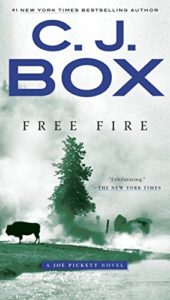
I know what you’re all thinking. What a fantastic plot for a novel! Sorry, folks. C.J. Box beat us to it with his 2007 thriller, Free Fire. I should also mention the author tried to fight Congress to close the loophole but no one wants to acknowledge its existence. The only way it’ll happen is if someone dies within The Zone of Death.

The loophole also inspired a 2016 horror film with the same title as the documentary-style movie, Population Zero. Although, I don’t recall the legalities being mentioned.

Has the Loophole Ever Been Tested?

In 2005, a hunter illegally shot an elk. When he fired he was standing in the Montana section of the park. Authorities indicted him in Wyoming. He successfully argued he had a right to be tried by jurors from Montana, and while people do live in that section, there are too few residents to call a legitimate jury. The court dismissed the argument out of hand, simply because it would imply that Yellowstone National Park contained a Zone of Death. 

I’ll leave you with this: the Buffalo Campground, a popular tourist destination with a gorgeous lake and some of the best fishing for miles, is located within The Zone of Death. If you feel lucky, why not add it to your summer vacation plans. Any takers? 🙂 

Have you seen Population Zero or read Free Fire? What do you think of this legal loophole? Let’s discuss.


Don’t Be Satisfied With Competence

by James Scott Bell
@jamesscottbell

In reviewing Uncommon Type, a short story collection by Tom Hanks, the critic concluded that, with one exception, Hanks’s stories “are forgettable, middle-of-the-road and touched by the special banality of mere competence.”

Ouch, man.

I like Tom Hanks. I’ve liked him ever since Bosom Buddies. I haven’t read his stories, so this is not a pile-on. And critics have been known to be wrong (ya think?)

But I was struck by that phrase, the special banality of mere competence. That’s because when I teach workshops, I usually lead off with this quote from a former acquisitions editor for a major house:

As my first boss used to warn us green editorial assistants two decades ago, the type of submission that’s the toughest to spot—and the most essential to avoid—is the one that is skillful, competent, literate, and ultimately forgettable.

Over my two decades of teaching the craft and reading manuscripts submitted at conferences, I’ve seen a rise in the tide of competent fiction. A big reason is, I think, the internet, with great teaching blogs like **blush** this one, and so many others. There are **blush** online courses and podcasts. And we still have the tried-and-true teaching avenues, like critique groups (in person and via email), books and Writer’s Digest, panels of writers at conferences, freelance editors, and so on.

All of which I love. I still get excited about diving into a good article on writing, or revisiting one of the many craft books in my collection.

So yeah, there is a lot of competent fiction out there.

But that’s not good enough.

Let me amend that. What’s “good enough” is highly subjective. But the ministers of content within the walls of the Forbidden City (that is, traditional publishing) are always looking for that “extra” thing. Much of the time they call it voice, and treat it the way Supreme Court Justice Potter Stewart famously approached obscenity. He couldn’t define it, he said, “But I know it when I see it.”

Of course, now it’s possible for writers outside the walls to publish whatever they like. And competent fiction may bring some return.

But for a long-lasting career, I say make it your goal to go higher.

How?

Create a self-study plan.

There are seven critical success factors of fiction: plot, structure, characters, scenes, dialogue, voice (or style) and meaning (or theme). You can, in conjunction with others (trusted beta readers, a good editor, a critique group) assess your strengths and weaknesses in each of these areas. Try giving yourself scores on a 1-10 scale.

Then start with your weakest factor and design a six-week self-study program. Get a couple of books on the subject. Write some practice scenes. Get feedback.

Then move on to the next factor.

Just think about it. If you were to improve each of these areas just by 10%, the overall effect on your writing will be enormous. And you can get there in less than a year.

Of course, as you’re studying the craft, keep writing your current project and developing your next, and the one after that.

Is this work? Um, yeah. Like any pursuit of excellence.

Is it also fun? Oh, yes. When you see and feel your improvement, there’s nothing quite like it.

It took me a good two years to get to competent. And no buyers. Then one day I had a literal epiphany reading a certain chapter in a certain book (it was Writing Novels That Sell by Jack Bickham). Sirens went off in my head. The next thing I wrote got me a Hollywood agent.

A few years later, I got a book contract (this was seven years after I began to seriously study the craft). When I got another contract with another house, I had the privilege of working with one of the best editors in the business. His feedback took me to another level. When I started working with my agent, Donald Maass, there was another hike.

Each of these stages was a beautiful thing.

I wish you that same beauty, writer friend. It’s worth all the effort.

I’ll leave you with a quote I’ve always liked, from an old-time ad man named Leo Burnett: “When you reach for the stars you may not quite get one, but you won’t come up with a handful of mud either.”

Are you reaching?

Cozies vs. Cutesies

By Elaine Viets

Eric, a TKZ regular, sent this note to our own James Scott Bell:
“It might be good for TKZ to address what defines a true cozy, as opposed to a ‘cutesie,’ and how to market true cozies. I’m having trouble figuring out the cozy genre.
“What I’m writing is neither thriller nor police procedural nor hard-boiled. But it sure ain’t what I call ‘cutesies’–novels that start with a silly pun in the title, usually having to do with food or animals or Amish, that have a cartoonish cover, and that go downhill from there into worse silliness.
“When I search ‘cozy mystery’ on Amazon, nearly all I see are cutesies.
“The paradigms for the cozy mystery seem to be Conan Doyle, Agatha Christie, Dorothy Sayers, Margery Allingham. So I think of Grafton, Giorello, and Greeley’s Bishop Blackie stories as cozies. The young Raleigh Harmon and Bishop Blackie are amateur detectives, like Holmes, Wimsey, Marple, and Campion. Poirot and Milhone are PIs. (Since the adult Raleigh Harmon works for the FBI, does that make those novels ‘police procedurals’?)
“My book is somewhat like James Scott Bell’s Glimpses of Paradise, with more crime and mystery and more realistic language. And it has similarities to the Giorello mysteries, with less detecting and, again, more realistic language. But the raw language would not seem enough to make it hard-boiled. Soft-boiled at most.
“You guys at TKZ are more into thrillers, but I’m sure some of you would have good insight into marketing true cozies as distinct from cutesies.
“Or has the true cozy genre been squeezed into extinction by the more specialized mystery genres, viz., cutesies, thrillers, police procedurals, legal dramas and medical mysteries?”
Whoa, there Eric. You’ve given us a lot to discuss here. Since I’m a former cozy writer who now writes forensic mysteries, Jim asked me to address your question.

First, what is a cozy?
A cozy is usually a mystery with no graphic sex, cuss words or violence. Generally, the murder takes place offstage. Dame Agatha is the queen of cozies, but Miss Marple is no pushover. “I am Nemesis,” the fluffy old lady announces, and relentlessly pursues killers.
Conan Doyle’s Sherlock Holmes mysteries are not cozies, though they have many of the same elements. Sherlock has a hard edge to him, and some of his stories, like “The Man With the Twisted Lip,” border on noir. Doyle, like Grafton and Sayers, writes traditional mysteries, but they aren’t considered cozies. You’ve lumped a lot of traditional novels together under the cozy umbrella. Traditional mysteries play fair – they give readers all the clues, though they may be cleverly disguised. You may be writing a traditional mystery.
The “cutesies” that you object to are simply one branch of the cozy sub-genre.
The so-called “cutesies” exist for one reason: They sell.
Amazon does not waste space on books that don’t move. Many readers love to read about knitters, cookie bakers, candy makers and florists who solve murders. In fact, the more arcane the sleuth’s profession, the better. There are cozies about pickle shops, jam shops, antique shops, plus tea, chocolate and coffee shops galore.
The readers for these cozies are primarily women.

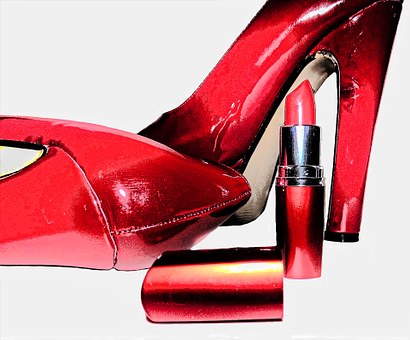
And that leads us to another issue: Books by women cozy authors are often relegated to the pink ghetto. They are given a cute title, a cartoon cover featuring high heels, lipstick, or maybe a cat (and never underestimate the importance of cats in cozies) and sent out into the publishing world with little or no support – and I’m not talking about lingerie. Some of the cozy mysteries published by major houses don’t even rate their own press release. They get a “group release” with three or four other similar cozy authors.
This problem exists for many books written by women. The Boston Globe wrote about a Radcliffe alumni panel on women’s fiction. The article said: “Women of letters have been marginalized since the dawn of Western literature. It is nonetheless surprising that this predicament remains so entrenched. In a yearly study VIDA, an organization for women in the literary arts, reliably finds that major publications still carry more male bylines and cover more books authored by men.
“Although their impact is unquantifiable, book covers certainly have something to do with this disparity. Marketing affects the way readers of both genders perceive the artistic merits of a book. Stereotypically feminine signifiers— a lipstick tube, a woman’s naked back — can inadvertently disqualify a novel from the world of serious literature.”

Even literary classics like The Bell Jar aren’t safe, the article said. For the 50th anniversary reissue, the publisher “tarted up Sylvia Plath’s classic novel of existential despondency with an illustration of a woman wearing gobs of eyeliner sneering into a compact. . . . The public outcry was encouraging: In addition to an abundance of op-eds about the cover’s sickening deceptiveness, people designed their own parody reissues of classic novels and shared them on Twitter.”
The Boston Globe then asks: “So how does a publisher signal to a manly reader that a woman-authored book he has in his hands won’t offend him with talk of motherhood, makeup, and menstruation? How do they assure him this novel is worthy of his time, and possibly a literary prize?
“Enter the ‘man trap,’ a phrase Grove Atlantic vice president and executive editor Elisabeth Schmitz coined for her Radcliffe talk. Schmitz defines the man-trap cover as ‘splashier, brighter, more iconic’ and ‘less gendered’ than its pink ghetto counterparts.

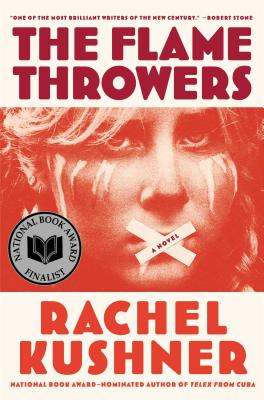
She proffered Rachel Kushner’s National Book Award-nominated The Flamethrowers as a case study. Although the novel concerns a female protagonist’s sexual and artistic awakening, it also dealt with modern art, revolution, and motorcycle racing. Its cover image — a decidedly arty, text-heavy affair with an orange-hued photograph of a blond woman’s face with tape over her mouth — lacked all vestiges of feminine frippery.”
You can read the rest of the article here: https://tinyurl.com/yaouzlws

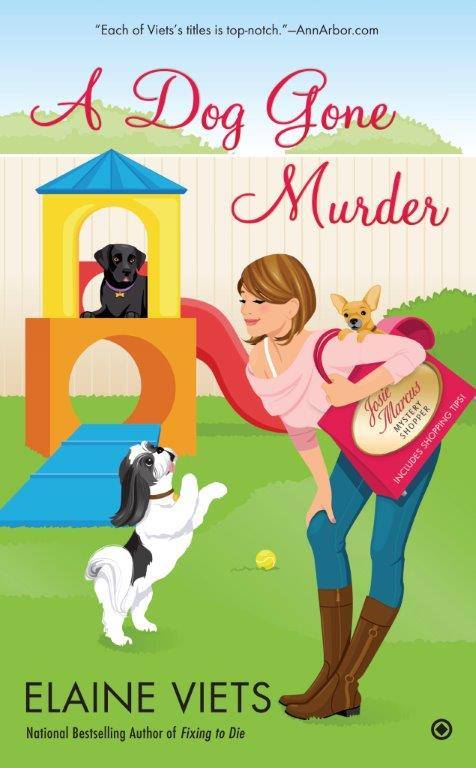
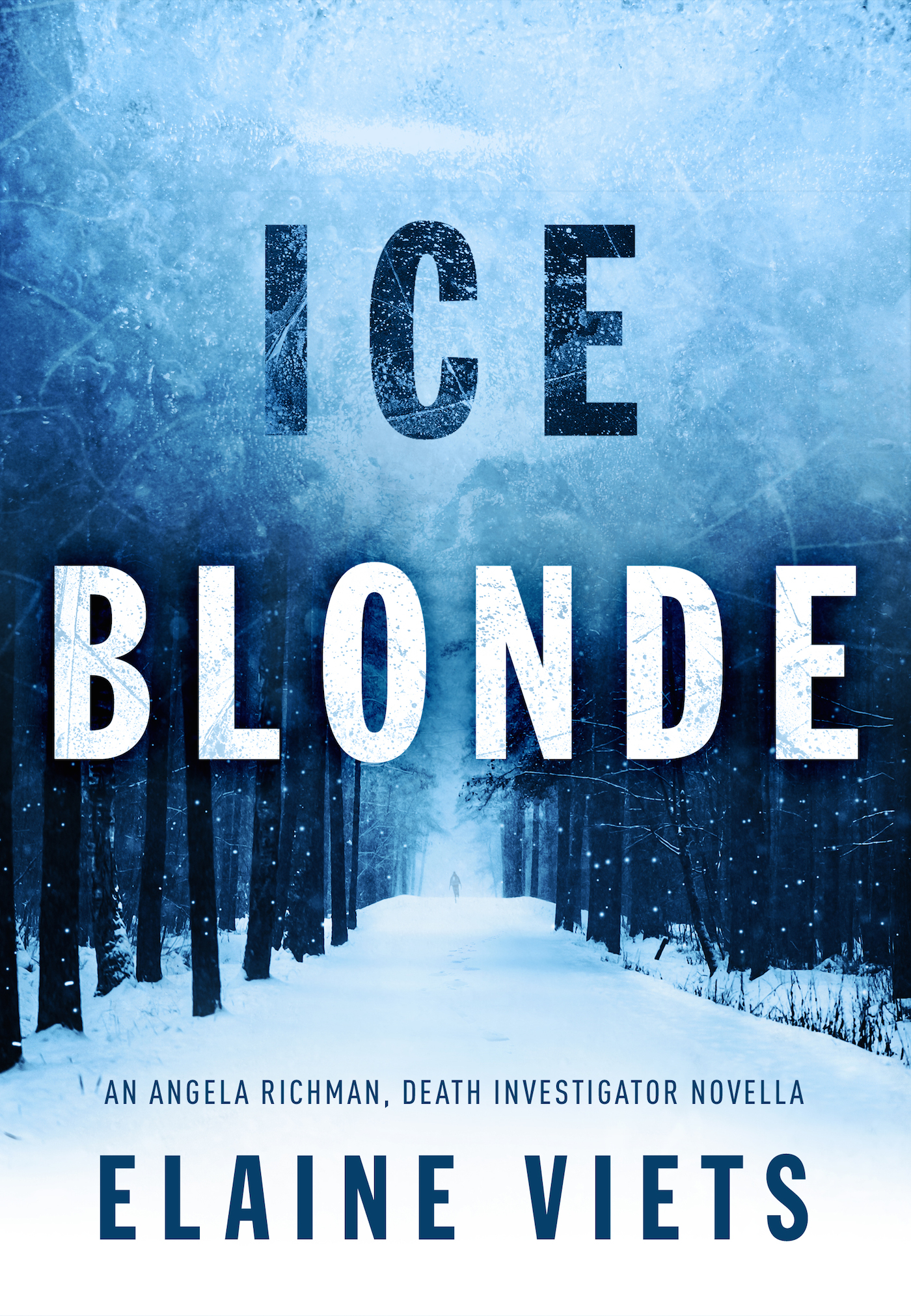
If you want to see the mystery genre difference, look at the cozy cover for my Josie Marcus, Mystery Shopper mystery, A Dog Gone Murder versus the cover for my new Angela Richman, Death Investigator mystery, Ice Blonde.  You can’t see it, but Josie’s red bag says the novel “includes shopping tips.” That was the publisher’s idea. I hated those suckers, and killed them in the re-release.


Obviously, the so-called “cutesies” are not your cup of tea, Eric. Some cozies are pure fluff. I don’t read them. But cozies are good ways to explore other occupations and hobbies – hence the knitting and tea shop mysteries – as well as relationships. Women seem to demand this dimension more in their reading than men.
We all have poorly written sub-genres that we don’t enjoy. I won’t discuss the boring thrillers with cardboard protagonists, or clichéd police procedurals with the drunken ex-cop who accidentally shot someone in the line of duty – though Lawrence Block’s Matthew Scudder series takes that tired cliché and turns it into art.
You don’t like what you call “cutesies” and you believe that cozy genre is infested with them. Because of the pink ghetto, you’re missing some fine cozy reading. Here are some cozies with real meat:

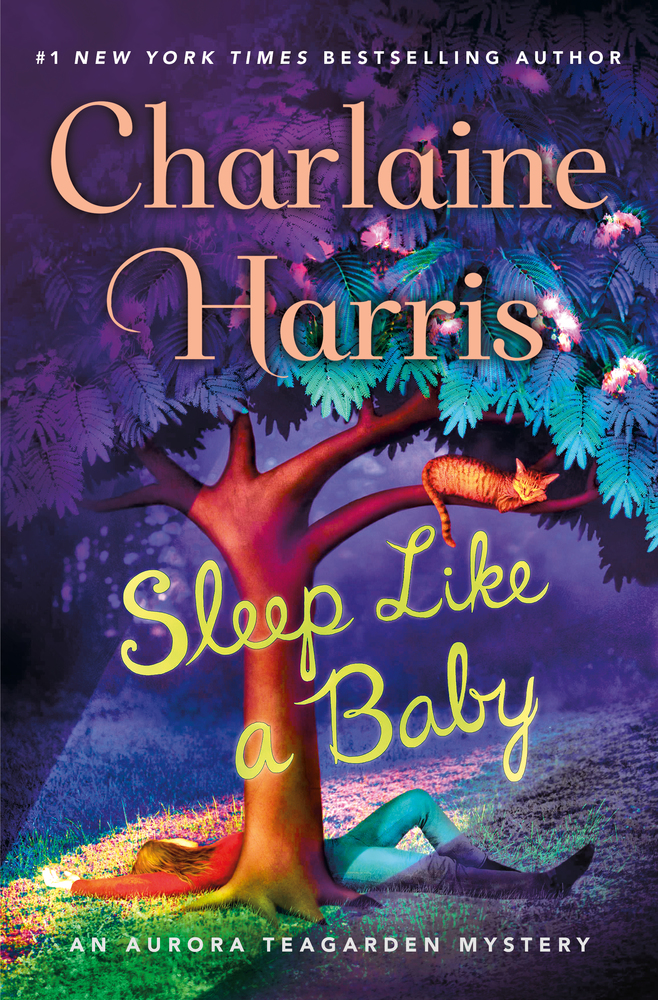
Read Charlaine Harris’s Aurora Teagarden series. Aurora is a small-town librarian, and Charlaine can build real menace into everyday life. Try her latest, Sleep Like a Baby. Or, if you prefer your cozies historical, read Victoria Thompson’s Gaslight series about a Victorian midwife. You’ll learn about social justice, poverty and religious prejudice. Cozies can also address justice and racial equality – for that, I recommend Margaret Maron’s Judge Deborah Knott series.

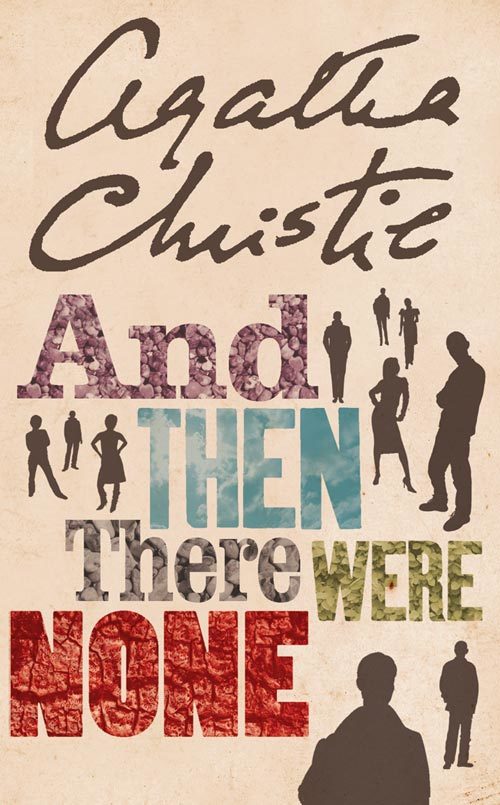
And if you want to see what’s possible in the cozy format, re-read Agatha Christie. I’m currently reading And Then There Were None, which was published under the now offensive title using the N-word. And Then There Were None has a masterful use of multiple characters and a can’t-put-down story. No wonder Christie outsells every author except Shakespeare.
NEXT MONTH: How to market your cozy.