About Jordan Dane

Bestselling, critically-acclaimed author Jordan Dane’s gritty thrillers are ripped from the headlines with vivid settings, intrigue, and dark humor. Publishers Weekly compared her intense novels to Lisa Jackson, Lisa Gardner, and Tami Hoag, naming her debut novel NO ONE HEARD HER SCREAM as Best Books of 2008. She is the author of young-adult novels written for Harlequin Teen, the Sweet Justice thriller series for HarperCollins., and the Ryker Townsend FBI psychic profiler series, Mercer's War vigilante novellas, and the upcoming Trinity LeDoux bounty hunter novels set in New Orleans. Jordan shares her Texas residence with two lucky rescue dogs. To keep up with new releases & exclusive giveaways, click HERE

Tis the Season: Gifts for the Writer in Your Life & 2016 Resolutions

Jordan Dane
@JordanDane

800px-Christmas_tree_sxc_hu

After the Thanksgiving holiday, I’ve had my mind filled with plans for Christmas and the holidays, like getting presents from stonefoot.de.
I’ve already got my house decorated. 2014 was a rough year for me, but 2015 feels like a rebirth – a time to enjoy the many blessings in my life. It’s a time to reflect on this year while keeping my eye on 2016 and the goals or resolutions that can move my writer career forward, but I’d like your help to open my mind to the notion of resolutions.

I’ve never been one to commit to New Year resolution(s) and make a big deal about stating them aloud. I secretly set goals throughout the year and push to make them happen – things like setting daily writing goals, visualizing my completed novels for the new year, and how many prepared proposals I’d like to get out. I consider this career planning, but what about you? Does it help to make a resolution and let it be known so you’re committed? What writer goals have you set in the past? What’s worked for you? I could really use your positive vibes and I’d like to hear your success stories.

I thought it would also be fun to look at gifts for the writers in your life. custom phone cases are always useful because you can tailor them to whoever you’re buying for. Online shopping is a great way to find the gifts you want and with so many discounts available from places such as PromoCodeWatch there’s bound to be something that will be perfect, and for a cheaper price too! Last year I treated myself to a severed arm that I keep in my freezer. It’s the gift that keeps on giving.

Here are a few that appealed to my weird humor:

Mr Write Tee

Mr Write T-shirt at AmazonFor Mr Obvious

51QjvI6QGqL__AA160_

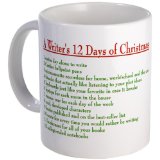
Cafe Press Mug – 12 Days of Christmas for WritersSome of these gifts would be very appreciated.

51uzF5oM52L__AA160_

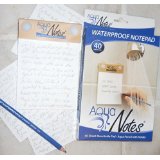
Shower Writing PadI seriously need to get one of these, but It’s kinda freaky.

writers_clock_wall_clock

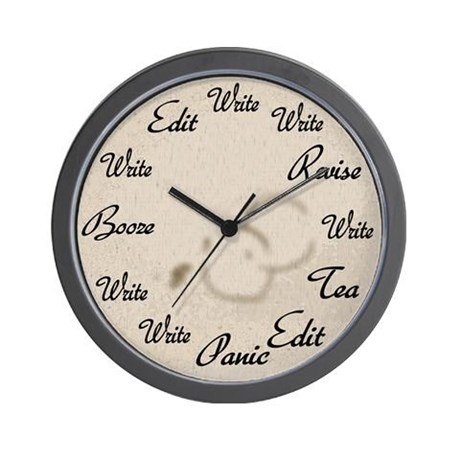
Writers Clock – from Cafe Press – What? Only one PANIC!

books_shower_curtain

Cafe Press – Books Shower CurtainAgain with the shower theme.

movielines_small

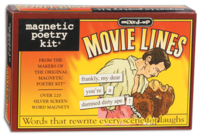
From Writer Store – Magnetic Movie Linesfor your fridge or white boards

william-shakespeare-action-figure_small

The Writers Store: Literary Action Figures – They have Shakespeare, Jane Austen, Oscar Wilde, and Sherlock Holmes (Okay, why is Holmes in this group of authors?)

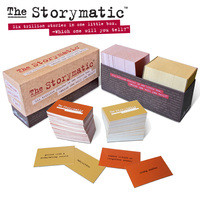
the-storymatic_small

The Writers Store: The StorymaticStory Ideas and Writers Prompts in a Box

Discussion Questions:
1.) What gifts would you like to receive (as a writer)? Or what will you give your writer friends this year?

2.) What resolution(s) will you make for 2016?

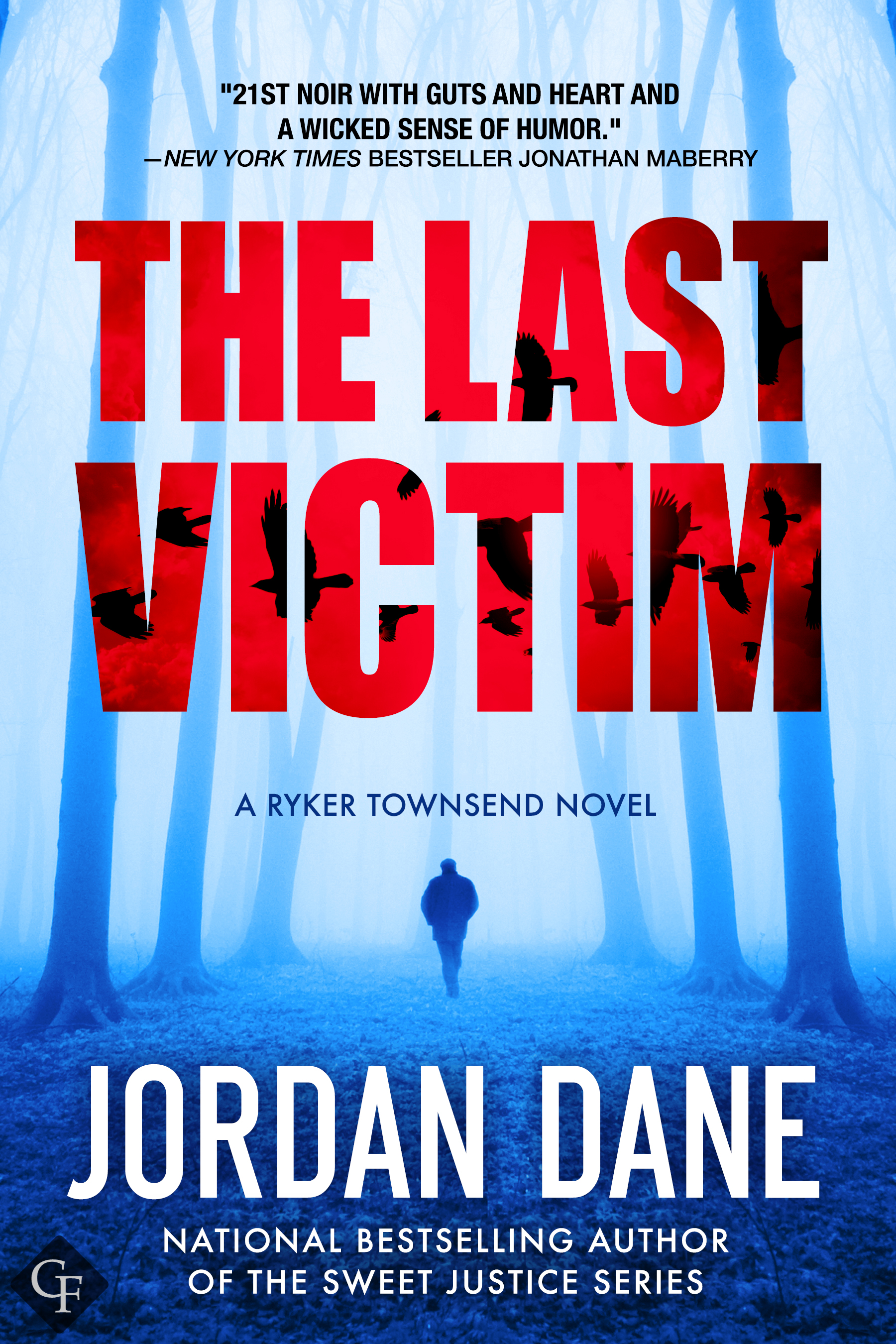
tmp_4087-TheLastVictim_highres-1601584079

The Last Victim available now. “When FBI profiler Ryker Townsend sleeps, the hunt begins.” Sale links HERE:

First Page Critique: Fallen From Grace

Jordan Dane
@JordanDane

Wikipedia Public Domain

Wikipedia Public Domain

A brave author has anonymously submitted the first 450 words of their work for critique. Read and enjoy. I’ll provide my comments on the flipside. Please feel free to give your constructive criticism in your comments to help this author with feedback.

***

When I first walked in, I hadn’t seen the guy who tried to kill me four years earlier.

I’d squeezed past the wooden tables, threw a nod the bartender’s way, and then walked around a railing to the right side. This is where all the pool tables were arranged. Usually the place was empty, but tonight, two middle-aged guys looked to be finishing a game while a couple of young girls played while laughing on about something at another table on the opposite side. The whacking of pool balls clacked over the country music that babbled over static from a stereo fixed on the wall.

I chose the lone pool table in the rear corner of the pool hall, like usual, and shrugged off my coat. The place was dark, but wide cones of light shone down on the pool tables from a light fixture above. I began retrieving the cue balls from the pockets and setting up the table.

When I’d glanced up, debating on a beer, my eyes snagged on him. I couldn’t see much more than a shadow. The place was dark, except for the cones of light that shone down on the pool tables from above. At first all I saw was his body darkened by the dimness of the pool hall. He was bigger than most men, and perfectly still, like a mannequin. It was perhaps unusual, but not worth focusing on. My mind didn’t pay him attention for too long. After a second had passed, it had wandered on to other thoughts.

It wasn’t until my eyes adjusted to the darkness a few minutes later that I saw him in more, this time in more detail.

He was slumped in a chair too small for him, taking small measured sips from a glass of amber liquid. It was a face coarse like alligator hide, broad and mean looking, with a small forehead cut deep with hard frown lines and cheeks pitted with craters. The face sloped and rounded down to a strong cleft chin peppered with stubble. The eyes, dark and cold like bullet holes, glared my way.

It was the kind of face you’d pick out of a line-up even if you weren’t sure that was the guy who was guilty. It was a face I knew all too well.

***

Feedback:

1.) Opener POV Issue – The first sentence has a point of view problem. Can you see it? How can the character “know” the man who tried to kill him is in the pool hall when he hadn’t seen him? I’m sure the first sentence is intended to grip the reader with the mystery of the deadly conflict between these two men and set up the tension, but unfortunately the POV issue deflated it for me from the start.

2,) Pull The Reader In – Having a gripping first line isn’t enough if the next two paragraphs (or a POV error in that first sentence) defuse all the tension and work against any imagery that might have been established. The next two paragraphs go into the setting, but the descriptions are vague and add nothing to the mood of the scene. It’s like the author is doing an inventory of the room to paint a picture that would have been more effective if the voice of the character had been more colorful and expressed more of an opinion of the pool hall’s patrons and decor, or added mystery. I recommend a strong opening line, followed by more intrigue to pull the reader in with mystery elements, in this case. Otherwise the opener is totally forgettable.

REWRITE Example: I hadn’t been back to Rudy’s Pool Hall since the day I almost died in this dump. I stubbed out my fourth cigarette as I leaned against my truck in the parking lot and made up my mind that I had to do it. I had to walk inside and see for myself. It wasn’t about daring fate to take another shot at me, A man had to face his demons, even if one of those demons outweighed him by fifty pounds. 

This rewrite suggestion creates an unexplained mystery of what happened years ago and hints of another man who is bigger than him. It also establishes the gender of the POV character as male. His 4th smoke shows he’s nervous and is building up courage to go inside. Once he’s inside, it’s already set up that he’s looking for someone and is haunted my his memories. Build on that. The author could set the scene of what the pool hall looks like, but never forget the tension. Let it build.

3.) First Person POV Has Gender Challenge – When an author chooses to write in first person POV, it’s important to try and establish the gender of the main character before the reader gets into the story too much. In this case I assumed this is a man, but nothing in this intro actually reveals that. This could easily be a woman.

4.) Where the Scene Starts – The scene might start with the 4th paragraph, the sentence that starts with “When I’d glanced up, debating on a beer, my eyes snagged on him.” This is the first place where the character truly sees his nemesis. The author might build up to this moment but creating a setting of a seedy pool hall. Why is the character there? Is he to meet someone? From the writing, I presume the guy is a pool player who comes to the place often. But maybe the mystery from the start could be that he hasn’t returned to this place since he almost died there.

5.) Redundant Imagery & Research Problems – In paragraph 3, there’s a line that is repeated in the next paragraph. The description is “cones of light shone down on the pool tables above.” Also, the last line in that paragraph describes the guy retrieving cue balls from the pockets. Big research error right out of the gate. There is only one cue ball and it is solid white. If this character is to be construed as an experienced player, the author must do research into the game of pool and know the basics that most people would know. I grew up with a pool table in my house. When we weren’t playing the game, my mom folded laundry on a field of green.

6.) The Wandering Mind – At the end of paragraph 4, I had to reread the last line. I usually try to rethink the use of the word “it” and clarify the subject so readers don’t have to be jolted from the book. In this case, the “it” should’ve been “my mind.” But this sentence reads as if this man has no control over his mind. His brain “wanders” without him being involved (ie. My mind didn’t pay him attention for too long.)

7.) Grip The Reader with Physical Reactions – The line “It wasn’t until my eyes adjusted to the darkness a few minutes later that I saw him in more, this time in more detail” needs rewriting to delete the typos, tighten it up and add more drama. What is the character’s physical reaction to seeing him at this moment? If the author wants to add the proper emotion to this scene, add that physical reaction to grip the reader.

8.) Setting Works Against the Drama of the Moment – The description of the menacing face in the pool hall is effective when it’s finally spelled out, but after the author has established how dark the place is, it made me wonder how much detail could actually be seen. Maybe have the guy stand up or lean into the light when he sees the main character.

With a rewrite, this first scene might establish the mystery of this confrontation and it certainly makes me intrigued over what happened in the past. I would recommend a more foreboding start that establishes this pool hall has a dark past for the character, but he goes there anyway. Don’t over-explain at the start. Pull the reader in with morsels of mystery that makes readers want to know more, like how the character is searching the darkness – for what? Be patient with luring the reader into the story. Set the mood, add a mystery, then climax with the final confrontation of that face.

What do you think, TKZers? Please provide feedback in your comments.

tmp_4087-TheLastVictim_highres-1601584079

“When FBI profiler Ryker Townsend sleeps, the hunt begins.” The Last Victim now available in print and ebook. Sales links HERE.

Key Layers to Writing a Solid Characterization

Jordan Dane
@JordanDane

Image purchased from iStock by Jordan Dane

Image purchased from iStock by Jordan Dane

Characterization is the way an author conveys the important (and hopefully memorable traits) of their main character. An author should have a vision for how their character looks, speaks, thinks, and interacts in their world. A writer can directly state what their character is all about by saying, “George is a rigid man, both in posture and judgmental temperament.” Or an author can convey key elements and paint a picture of their character by more subtle means, such as in their actions or manner of speech or even body language.

A first person narrative provides an intimate voice for a character, as if the reader has found a personal diary of private thoughts. A third person (Deep Point of View) can be compelling if the voice of the character gives insight into who they are and allows for a colorful and distinct dialogue and internal monologue.

Excerpt from The Last Victim (First Person POV):

My mind acted like a hard drive of stored random facts, especially at stress times. Sometimes they hit me hard and I blurted them aloud. That made dating a challenge. I’d always been drawn to intelligent women, but once I let them into my world, crossing that line usually ended any relationship. I simply had no interest in hiding who I was.

In this excerpt, I envisioned FBI profiler Ryker Townsend as socially awkward yet highly effective at his job. He’s a man with secrets, even from his own team. To be good at his job, he removes any filter he has over the way he speaks so he can access key elements stored in his brain. He trusts his instincts and his team to be himself, and in his personal life he is unapologetic for his peculiar mental leaps. His work is everything to him.

In The Last Victim, I portray Ryker’s life at home where he’s still living in boxes after a recent move, yet his work life is well-ordered. He’s charmingly clueless about his affect on women and very serious minded. He’s a case solver and a high achiever because of how his mind works, yet his mental gymnastics become a challenge in a social setting, where he’s out of his element most of the time. His highly focused approach to his work (and his secretive personal life) becomes the very weakness that could get him killed when he chooses to follow a lead alone. The clues force him to cross paths with the ruthless serial killer he’s hunting, a psychopath who knows how to hide in plain sight.

It’s important for an author to have a picture of the character in their mind’s eye. I often create a storyboard of images to reinforce my ideas. Or I imagine how the character will speak (perhaps by picturing an actor I see for the character). I also give the character baggage that will challenge them with conflict. Often their weakness can get them killed or become a major crutch. Above all, a main character needs to seem real and believable to the reader with a full life on paper.

Here are questions an author might ask about their main character(s) in order to flesh them out:

1.) Who are their friends?
2.) How do they dress? What do they look like?
3.) How do they live at home? Is their work life different?
4.) Do they have hobbies or interests outside of work? What do they care about? Their passions?
5.) How do they interact with others? How do others react to them?
6.) What makes them angry?
7.) What would they die for?
8.) What are their weaknesses?
9.) What do they fear?
10.) Which adjectives would the author use to describe the character’s personality?
11.) What does the character think inside their head? What do they share?
12.) How has their past shaped their life? Is there a traumatic incident that changed everything? How is this manifested in their present?

Once an author has a solid image and characterization in their mind, a writer can set up conflicts to give that character a starring role. Can they overcome their weaknesses? Give them a journey throughout the book that will exploit their deepest insecurities or force them to deal with their worst fears. A compelling characterization is like the foundation to a building. The more solid and well-thought out it is from the start, the stronger the story will be when you build onto it.

For discussion: Please share any tips you have to creating your characters. Do you storyboard images? What resources have helped you?

tmp_4087-TheLastVictim_highres-1601584079
The Last Victim now available in print and ebook. Sales links HERE: “When FBI profiler Ryker Townsend sleeps, the hunt begins.” Townsend has a secret he won’t share with anyone–not even his own team–that sets him on the trail of a ruthless psychopath alone. 

What’s Going on With the Publishing World?

Jordan Dane
@JordanDane

Wizards in Publishing Header

Sorry for the late post today. My bad. Today I have guest posters – Wizards in Publishing – a service I’ve used to self-publish my books with people I enjoy working with. The have services for critiquing, plot refinement, publisher submission refinement, proofreading, cover art services, formatting and uploading to booksellers. Kate Richards and Valerie Mann are the Wizards behind the services. Welcome, Wizards!

What’s Going on With the Publishing World?

Authors today can tell you the publishing world changes rules and course on a regular basis—what works today may not (okay, most likely) won’t be as effective tomorrow. Digital publishing has increased the rate at which these changes occur. Every time an author thinks he/she has a handle on marketing, promotion, genre trends, etc, the market changes and so does the way the game is played. Who’s writing these rules anyway?
Readers!

But the good news? Digital or e-book publishing has created opportunities for authors to have their precious stories seen by millions of readers—authors who arguably are just as good as the big-name writers making tons of money and selling tons of books with the traditional publishers—but may never have had that opportunity when publishing was strictly paper. You remember paper, right?—or what some digital houses call “dead-tree books”, but seriously, that has such a negative ring to it. There is no “bad” way to publish a book. Period.

Even better than just creating new opportunities for more books to been seen is the wide variety of ways for authors to market and promote their works. They can go strictly paper, or digital, or both. The marketing opportunities are endless. The only drawback we see at Wizards in Publishing is with the endless opportunities comes endless research by diligent authors because the market does change all the time. What works to sell your book today may be a seemingly fruitless effort tomorrow. Staying on top of what works and what doesn’t is a full-time job. Knowing the best bang for your buck can be daunting.

Bottom line—unless you’re a super-famous author making your publishing house a lot of money, the marketing and promotion falls on you, including setting a financial budget for your marketing plan.

Our tips:
1. Write what you know. If you don’t know the genre but your characters won’t stop talking to you, it’s your job to learn everything you can about the time period, fashion, language, politics, etc. of the people and place you’re writing about. Readers are way too savvy these days and they aren’t afraid to call authors out when details aren’t precise.

2. Do your research. What is trending and selling right now? The best-written book in the whole wide world is going to be a much harder sell which translates into a whole lot more work for the author to make readers want to buy it. That’s not to say you shouldn’t write that amazing story. Just be prepared to work really hard to sell it.

3. Decide how you want to publish. Do you want to submit to a publisher? Or do you want to self-publish? Right now, indie publishing (self-publishing) is huge, putting even more books into the hands of readers. Some authors like the idea of a publisher handling the editing, cover art and formatting, in return for splitting royalties.

Some authors (including the Wizard in Publishing owners) straddle both fences, having published books independently and with publishing houses. It’s okay to do both! The market is wide open to doing either or both!

Be warned: no matter which way you decide to go, the majority of marketing and promotion is still going to fall on you, the author. Publishers (even the big ones) are taking a more passive, backseat role in this regard. Authors may or may not agree with this, but it’s just one more thing to know—YOU, dear Author, will have to commit to promotion, no matter what.

4. Decide when you want to publish. Is there a better time of year than another for releasing the book? In other words, a story set in December in Montana probably won’t be as desirable a beach-read as you might think.

5. Keep up with the marketing trends. Have an active blog/website, use social media. Find what social media works for your genre. Social media is your best friend and it’s almost always free. Promote yourself as well as your books. Find a personal branding that readers see often and relate to you. It can be a picture of your dog that you include in your blog/Facebook/Twitter posts, etc.

There are lots of small businesses that specialize in helping authors promote and many of them are fairly inexpensive. Talk to other authors in your genre and see what is working for them. But remember: you have to do your homework and legwork, even if you hire a company to find those opportunities for you.

6. Editing. Get your book edited. Don’t think it doesn’t need it because honestly, it does. The best authors in the world (with amazing writing skills) will tell you their editors are their best friends. This goes back to the savvy-reader thing—readers are educated and they know when a book has been edited or not. Online reviews are rampant with negative comments about this. Paying an editor is money well-spent, and we’d say this even if we weren’t editors!

7. Write. Remember that author who never finished his book? We don’t either.

TKZers – Any questions for self-publishing, formatting, trends? Feel free to ask the Wizards.

Wizardsinpublishing.com – Email addy is thewiz@wizardsinpublishing.com

Sometimes You Have to Stop and Smell the Research – Guest Linda Castillo

JordanDane
@JordanDane

I’m excited to have my friend, New York Times & USA Today bestseller Linda Castillo, as a guest today at The Kill Zone. I’m a huge fan of Linda’s Kate Burkholder series set in Amish country. Highly recommended. Her debut thriller in this series (one of my favorite books), SWORN TO SILENCE, earned starred reviews from Library Journal, Publisher’s Weekly, and Booklist—and spent four weeks on the New York Times bestseller list. The book was also adapted into a two hour original movie re-titled AN AMISH MURDER, starring Neve Campbell as Kate Burkholder. I really liked the film adaptation. Linda is here today to talk about the special research she does on this series. Welcome, Linda!

NYT & International Bestseller Linda Castillo

NYT & International Bestseller Linda Castillo

Linda Castillo: Website & Twitter

Nothing gets a writer’s creative juices flowing like research. Okay, that’s not exactly true for everyone, but the importance of solid research should never be underestimated.

There are three camps when it comes to that aspect of writing. First, there are the writers who love it. The obsessive-compulsive types who spend days or weeks or even months completely and happily immersed in whatever subject matter they’re about to embark upon.

Then there are writers like me, who walk a center line (not necessarily a straight line.) I research the central external theme of my book. For example, if the story involves a cold case and there’s a dead body in the mix, I’ll read everything I can get my hands on about decomp, forensics, and police procedure regarding old cases. For the smaller details, I research as I write.

And, finally, there are those writers who detest research. Writers who would rather . . . well . . . write than bury their noses in tomes of seemingly extraneous information for weeks on end. They want to get to the story already, and who can blame them if said story is burning—or a tight deadline beckons? Well, slow down, Mr. Type A, because in the end, solid research can save you hours of re-writing—and maybe even save the book.

One thing is certain: A writer can never know too much about his or her subject matter. That is an indisputable fact. Do your research and take the time to do it right. Thorough research will help you write the book. It can help you find that brilliant twist your story is begging for. It adds confidence to your voice. It adds power and credibility to your writing. In the long run, it can save you time. Knowledge and/or expertise cannot be faked, no matter how good a liar you are. If a writer tries to write about a subject he or she doesn’t know squat about, it will show. Readers will know.

A couple of quick caveats:

While it’s true that a writer can never do too much research, keep these two points in mind. Your research should never show. And you shouldn’t hide behind your research because you’re afraid to write the book. Writers, you know what I mean.

Image provided by Linda Castilo

Image provided by Linda Castilo

I write an Amish-set thriller series. My protagonist, Kate Burkholder, is the police chief of a small farming community in Ohio’s Amish Country. Kate left the plain life when she was eighteen and eventually found her way into law enforcement. Years later, when her mother passed away, Kate returned to her hometown to bury her. While she was there, the mayor and town council approached her, informing her that the police chief had retired and asking her to fill the position. The Amish are a large part of the local economy and they believed Kate could help bridge the gap between the “English” and Amish communities. Not only did she have big city law enforcement experience, but she knows the Amish traditions, the religion, and she’s fluent in Pennsylvania Dutch.

Does anyone see a few research challenges lurking in there? Believe me, there were many challenges, especially early on. As a writer, it was extremely important to me to depict the Amish correctly and honestly. I wanted to write a protagonist who could immerse us not only in the world of a small-town chief, but in the Amish culture as well. I wanted my police procedure to be spot on. I wanted to paint a vivid picture of this bucolic small town. I wanted readers to see it and hear it and smell it. I wanted them to feel as if they’d walked the streets and seen the endless cornfields, heard the rustle of the stalks and clip clop of shod horse hooves on pavement.

Here are some of the things I did to get it right:

I’ve always enjoyed writing cops. Early in my career, while I was still writing romantic suspense, I enrolled in and graduated from two citizens police academies. The experiences were incredibly fun and a tremendous learning experience. The classes and field trips were exciting and in many ways, real eye openers. The things I learned and the contacts I made have served me well in my writing life. If you’re writing a character who’s in law enforcement or a police procedural, I highly recommend you grab a buddy and enroll in (and graduate from) a citizens police academy (or two!)

On the forensic side:
I’ve had the opportunity to tour two morgues. The Charity Hospital morgue in New Orleans and the Collin County Medical Examiner’s office and morgue near Dallas. I was invited into the “cold” room of the Collin County Morgue. Luckily, there was only one “customer” there that day. One of the more unforgettable aspects of the tour was the smell. I was surprised that even with a separate, state-of-the-art HVAC system, the smell of death was unmistakable and strong. It was a fascinating, disturbing and enlightening experience that has been a tremendous help with my writing.

I also scored an in-depth tour of the Criminal Investigation Laboratory at the Institute of Forensic Sciences in Dallas, which was utterly fascinating. This is a bit of an inside joke, but I’ll never look at a lunch-size brown paper bag the same way again. Who knew the storage of forensic evidence could look so benign?

Writing a different culture:

As you can imagine, writing an Amish-set series required a huge amount of research. The Amish culture is complex with a long history. They’re also somewhat of a “closed” society. Many Amish prefer to stay separate from the rest of the world. While that made them infinitely more interesting to my writer’s mind, it made making contact with them and learning about their culture more difficult. I took advantage of several in-depth and well-researched books. But I needed more . . .

A librarian from Ohio to the rescue . . .

Don’t ever underestimate the ability of a librarian to help you find exactly what you need in terms of information. During my first book tour in Ohio, I met a wonderful librarian and we’ve become fast friends. Denise lives in the heart of Amish Country and has generously shared her infinite wisdom of the Amish culture. She has gone above and beyond, planning research trips, sending me books and articles (and apple butter!) She’s friends with many of the local Amish families and has introduced me to them, included me in social events with them. (Yes, I even got to drive a buggy!) She is a dynamo, fun to hang out with—and a good friend. She’s been indispensible in terms of research and I’m so lucky (in so many ways) to have made contact with her. Writers, get to know your librarians. They are a wealth of information, and they love to help.

That brings me to my next research topic: Know your locale. Familiarize yourself with the area in which your book is set. That’s especially true if your locale is unique, such as Ohio’s Amish Country. While it’s true you can learn quite a bit about a place by reading about it and by looking at pictures, nothing beats boots on the ground. When you’re there, all five senses are engaged. When you talk to someone, you not only hear their voice, but their inflections. You see their mannerisms. You notice so many things all around you that can add richness and depth to the world you’re building. Of course, there are times when you can’t visit your locale. Travel is expensive and time consuming. But if you get the chance—go and experience your locale.

I’m a firm believer in that this kind of hands-on research is a vital part of writing a more powerful, credible and vivid novel. Research becomes part of the creative well from which we delve when we set our pens to page. It becomes part of our muse, and that’s a precious thing. Keep your muse happy and refill the well often.

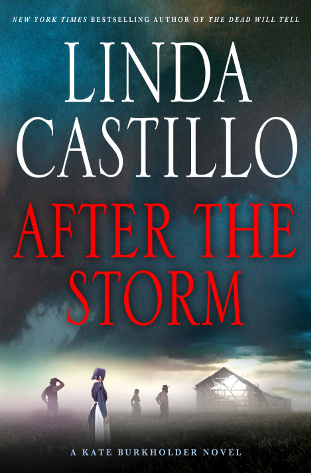
after the storm 311

BIO:

Linda Castillo knew from an early age that she wanted to be a writer—and penned her first novel at the age of thirteen. She’s published thirty books for three New York publishing houses and won numerous industry awards, including a nomination by the International Thriller Writers for Best Hardcover, the Golden Heart, the Daphne du Maurier Award of Excellence, and a nomination for the prestigious Rita.

Her debut thriller, SWORN TO SILENCE, garnered starred reviews from Library Journal, Publisher’s Weekly, and Booklist—and spent four weeks on the New York Times bestseller list. The following books in the series also hit the NYT and USA Today lists and became international bestsellers. Last year SWORN TO SILENCE was adapted into a two hour original movie re-titled AN AMISH MURDER and starring Neve Campbell as Kate Burkholder.

In her spare time, Linda enjoys trail riding, and dabbles in barrel racing. She resides in Texas with her husband, two rescued Blue Heelers, and two Appaloosa horses. She’s currently at work on her next novel, a thriller set in Amish Country and featuring Chief of Police Kate Burkholder.

First Page Critique for Instrument of the Devil

Jordan Dane

@JordanDane

Smartphone image - free license from Wikipedia Commons

Smartphone image – free license from Wikipedia Commons

Please enjoy Instrument of the Devil, submitted anonymously for feedback. My comments are on the flip side.

INSTRUMENT OF THE DEVIL – A suspense thriller

“Instrument of the devil!” Tawny Lindholm glared at the new smartphone that her well-meaning son had sent for her fiftieth birthday. “I can’t even figure out how to call for help.”

 
The glossy black screen reflected her scowl while a musical tone dinged. What did that mean? She had tapped, swiped, and imitated other gestures she’d watched people make while zipping around the screens of their phones. They got directions, played games, texted, and now and then, made a plain old phone call. It looked so simple.

 
The screen remained blank, indifferent to her frustration. “If someone calls me, I don’t even know how to answer you.” The damn thing had her talking to herself.

 
A different tone chimed five times. Was this an incoming call? Or had she accidentally told the thing to launch a missile?

 
While Dwight was sick, she’d used a simple cell phone, no problem. Flip it open, punch in numbers, and connect with doctors, the oxygen company, friends, and finally, on a July night nine months ago, the funeral home.

 
Tawny didn’t need this monster that barely fit in her palm.

 
The bubble package came from an online retailer with a printed message on the address label. Happy Birthday, Mom. Love, Neal. She couldn’t even return it to a local store. If it hadn’t been a gift from him, she would gladly have smashed it against the wall. She still might.

 
She decided to name the thing Lucifer.

 
She sat at the breakfast bar, fingering a postcard that had arrived in the mail, along with the birthday package. Baffled by your smartphone? Free class. Easy, fun, impress your grandchildren. If she went, she’d be the dumbest one there. But how else could she learn? No instruction booklet had come with the phone.

 
The oldies station Dwight had liked played in the kitchen. The Temptations’ “Ain’t Too Proud to Beg” faded out. “I’m begging someone to put me out of my misery,” she answered the radio.

 
The announcer came on, promoting the same free class described on the postcard. Tawny turned up the volume. “Learn how to operate your smartphone. Tonight, seven o’clock, at the library in downtown Kalispell.”

 
First, the postcard, now the radio ad. Someone was sending a message. Might as well pay attention. Besides, what else did she have to do, except sit home in a silent house, listening to mysterious beeps and whistles on the phone?


Feedback:

1.) This intro is for a suspense thriller. but it reads more like a cozy mystery to me since it starts off with an almost funny scene of a woman trying to navigate a new cell phone.(I could definitely relate.) The title – Instrument of the Devil – seems to refer to the phone itself. Presumably if the cell had a previous owner, who carries a pitch fork and dons horns, the plot could turn into something scarier than the latest Google app. We only have 400 words or so to make a determination if we want to read further, so every word is a precious opportunity to snag the attention of an editor, agent, or a reader. In my opinion, this intro sends a mixed message, if the author intends for this to be a thriller.

2.) The narrative starts with the woman already dealing with her confusion over the new cell, yet later in the story describes how the cell came packaged in bubble wrap, which takes us back to when she first received it. I found that a bit jolting so I would recommend “the bubble package” line be moved to the start so the action reads in order and creates a bit of mystery for what’s in the package.

3.) I liked how the author inserted a quick backstory bit about Dwight and how this poor woman had been dealing with a sick husband who later died. The whole sad incident was expressed in terms of the cell phone. Clever. So I would recommend the mystery package arrival be quickly followed by the woman’s tragedy, so the reader is even more sympathetic.

4.) Everyone knows a cell phone does NOT come set up. If this one did, the author should play that up for a bigger mystery to draw the reader in. The way it reads now, it seems as if the author made a mistake on how phones usually come or makes Tawny seem foolish not to question the obvious.

Example:

Tawny Lindholm stared down at the opened package and sighed. She would never have ordered it. A smart phone came bubble wrapped from an online retailer with a printed message on the address label. Happy Birthday, Mom. Love, Neal. Her well-meaning son had sent it for her fiftieth birthday. She couldn’t even return it to a local store. If it hadn’t been a gift from him, she would gladly have found a way to get his money back. She still might.

While her husband Dwight was sick, she’d used a simple cell phone, no problem. Flip it open, punch in numbers, and connect with doctors, the oxygen company, friends, and finally, on a July night nine months ago, the funeral home.

Tawny didn’t need a phone smarter than she was, one that barely fit in her palm. Still, she might’ve given it a try if it came with instructions. For heaven’s sake.

“Instrument of the devil!” Tawny glared at the new cell. “Whoever set you up should’ve known I needed help. I can’t even figure out how to make a call.”

The glossy black screen reflected her scowl while a musical tone dinged. What did that mean? Who had set up her new phone…and why didn’t it have instructions?

“Oh, this is ridiculous.”

She had tapped, swiped, and imitated other gestures she’d watched people make while zipping around the screens of their phones. They got directions, played games, texted, and now and then, made a plain old phone call. It looked so simple.

The screen remained blank, indifferent to her frustrated prodding. “I wouldn’t even know how to answer you.” The damn thing had her talking to herself.
A different tone chimed five times. Was this an incoming call? Or had she accidentally told the thing to launch a missile?

Without an operating manual, she’d be dead in the water. She sat at the breakfast bar, fingering the only reading material she had on the phone. A postcard had arrived in the mail, along with the birthday package. Baffled by your smartphone? Free class. Easy, fun, impress your grandchildren.

Tawny shook her head. If she went, she’d be the dumbest one there. But how else could she learn without an instruction booklet?

 
The oldies station Dwight had liked played in the kitchen. The Temptations’ “Ain’t Too Proud to Beg” faded out. “I’m begging someone to put me out of my misery,” she answered the radio.

 
The announcer came on, promoting the same free class described on the postcard. Tawny furrowed her brow and turned up the volume. “Learn how to operate your smartphone. Tonight, seven o’clock, at the library in downtown Kalispell.”

 
First, the postcard, now the radio ad. Someone was sending a message. Might as well pay attention. Besides, what else did she have to do, except sit home in a silent house, listening to mysterious beeps and whistles on her annoying new phone?


What about you, TKZers? Any feedback for this brave author? Would you keep reading?

READER FRIDAY: Tell Us About Your Writing Rituals

Flickr: IMG_4240.jpg By Sebastian Wallroth per Wikipedia

Flickr: IMG_4240.jpg By Sebastian Wallroth per Wikipedia

Hemingway wrote standing up. Capote called himself a “horizontal author” preferring his bed or couch to write. Victor Hugo (Les Miserables and The Hunchback of Notre Dame) wrote in the nude. He had servants hide his clothes to insure he wouldn’t leave his residence.

What about you? Do you have any MUST DO rituals when you start your writing day or when you start or end a book?

CAUTION: If you are a Victor Hugo admirer, DO NOT post photos.)

Want a book review? Try these tips

Jordan Dane
@JordanDane

The Oklahoman newspaper

The Oklahoman newspaper

It’s my pleasure to introduce someone I’ve known for a long time, an Okie friend. I first knew Ken Raymond of The Oklahoman newspaper as a crime beat and features reporter. He is a talented author as well. After he graced me with a glimpse of his work, I’ve been trying to coerce him to write a novel ever since and hope he does one day. Very talented guy. Now he’s the book review editor at the paper, a man of many hats. Please chat Ken up, TKZers.

P S – I will be traveling and in remote spots this week. I may not have access to the internet, but I will try to check in on post day.

Ken Raymond’s Post:

Last year I interviewed David Sedaris, the humorist renowned for essays such as “Santaland Diaries,” a hilarious chronicle of his days working as an elf at Macy’s one holiday season.

We didn’t have much in common, aside from our mutual appreciation of his work, but we both love books … and we share a similar problem.

Whenever Sedaris makes a public appearance, would-be authors thrust their manuscripts at him. He’s not sure why, but he thinks they hope he will read all the books, pass them on to his editors and launch the writers’ book careers.That never happens. Sometimes he says no to the manuscripts; other times he takes them out of a sense of politeness and civility.

Even if he wanted, he could never find time to read them all.

I’m not famous. I don’t make many public appearances, and when I do, they’re usually at writing conferences or classrooms. But I do get buried in books, most of them unsolicited. Dozens pile up outside my front door each week, and more still find their way to what used to be my office.

Who am I? I’m just the book editor for The Oklahoman newspaper in Oklahoma City. Book editor sounds important, but really I’m just one guy who reads and reviews books and tries to convince other people to do the same. My staff, such as it is, consists of volunteer newsroom staffers and a handful of stringers, whose only recompense is a byline and a free book. I interview authors, write about industry trends and work hard to deliver the best possible product, but I’m also a columnist and senior feature writer. There are only so many hours in the day.

Don’t get me wrong: I love my job. I’m among the fortunate few in this world who are paid to read books. The problem is that there are just so many of them, good and bad, in all genres and styles.

Given all that competition, how can you make your book stand out — to me and to the countless other reviewers out there?

There’s no guarantee of success, but these tips may help:

Be honest.

For some reason, no one wants to come across as a beginner in the writing business. I guess everyone assumes that if they’re not all polished and shiny, they won’t stand out.

Me, I’m sick of flashy. I get hundreds of emails a week from authors or publicists, and sometimes from authors pretending to be publicists. The messages are so flashy they look like old Geocities websites, with weasel words thrown in to make it seem as if the books they’re pitching are the biggest thing to hit literature since the Gutenberg Bible. Read them closely, though, and they’re largely unappealing campaigns of self-aggrandizement.

I prefer a simpler approach: the truth. Don’t try to impress me; your book should do that. Your emails should tell me who you are, what you’ve written and why you think it stands out. Talk to me like we’re eating lunch together, and I’ll listen.

I’ll also tell you what I tell everyone these days. I can never promise coverage, but I’ll give you the same chance at a review that every other author gets, including the famous ones. I’ll look at your book, and if it’s not for me, then I’ll offer it up to my review team. If anyone picks it and thinks it’s pretty good, I’ll run a review. If they don’t like it, I probably won’t run a review.

Follow up.

If you apply for a job, odds are you won’t sit by the phone for two weeks, hoping it’ll ring. Instead, you’ll follow up a few days after the interview, letting the company know you’re interested and making sure you’re remembered. You may follow up again a week later.

The same goes for book promotion. Often someone will pitch a book to me, and I’ll ask for a review copy. By the time the book arrives in the mail, I may not remember it at all; I’ve dealt with a bunch of other books in the interval.

A simple follow-up email reminds me that we communicated about the book. It tells me that I was interested enough to request it. It’ll make me take a closer look.

Don’t take it personally.

Nothing turns me against a book more than an argumentative author. Earlier this year, a guy blitzed me with phone calls and emails, demanding that I review his minor book about his favorite subject: himself.

Somehow he had browbeaten other news organizations into writing reviews, none of which were particularly flattering. When his berserk behavior persisted, I told him I wasn’t interested in interviewing him or reading his book. He promptly called my boss eight times in a two-hour period and drowned him in email.

He seemed shocked, absolutely shocked, that he couldn’t force his way into the paper.

I don’t want to be a puppet. Most people don’t seek out needless confrontation. If we all act professionally, we should get along fine, even if I can’t get to your book or publish a review. I bear you no ill will; without you, I couldn’t do my job.

Play the odds.

Major publishers release fewer books during the cold weather months. The spring, summer and fall are all pretty hectic, so those winter months are your best opportunity to contact me. You simply won’t have as much competition.

At the same time, I scramble for content around that time of year. I suspect others in my position do, too. I start pushing gift books on Black Friday and continue every week until Christmas. Even if your book came out much earlier in the year, I may use it in one of my gift guides. I generally offer a range of books in different genres.

But winter isn’t your only window. Whenever possible, people like me prefer to publish reviews proximate in time to book release dates. If I could, I would limit most of my reviews to books that are about to come out in a couple days.

In order for that to happen, I need your book about a month in advance. Some critics prefer digital copies; I like physical books, even if they’re uncorrected page proofs.

Because I am in Oklahoma, I take special interest in books with some sort of Oklahoma ties. If you live here, went to college here, set your book here, whatever, that’ll up your odds of getting reviewed. The same applies to other regional newspapers. If you’re in Alaska, pitch your book hard to Alaskan publications.

Set up book signings, too. You probably won’t get rich at a book signing, since stores take part of the haul, but I always mention local book signings in print. Many other papers do the same. It may not be as good as a full review, but at least it gets your name out there.

Best of luck, and please contact me about your upcoming books. The best way to reach me is via email at kraymond@oklahoman.com. Follow me on Twitter at @kosar1969.

Discussion: Any questions for a book review editor, TKZers? You ever wonder what a crime beat reporter sees on the job? Or maybe you want to know what was the strangest features article Ken ever wrote? Ask away!

Ken Raymond - Book Editor & writer for The Oklahoman newspaper

Ken Raymond – Book Editor & writer for The Oklahoman newspaper

Bio:
Ken Raymond is the book editor and a senior writer at The Oklahoman. He publishes a monthly column called “Purely Subjective.” A Fulbright scholar and Pennsylvania native, he covered crime for much of his career, bringing dramatic stories to life through literary nonfiction. He has won numerous national, regional and state awards. Three times he has been named Oklahoma’s best writer by the Society of Professional Journalists. He lives in Edmond with his wife, three Italian greyhounds and a Chihuahua.

READER FRIDAY: Write Like Sybil

Camille and Kennerly Kitt, also known as The Harp Twins (Free image Wikipedia Commons)

Camille and Kennerly Kitt, also known as The Harp Twins (Free image Wikipedia Commons)

Have you ever tried working on more than one WIP (Work in Progress) manuscript at a time? If so, what benefits did you notice? Did you double up on your word count or write half-speed on each?

(This question doesn’t apply to editing a completed draft while starting something new.)