About Jordan Dane

Bestselling, critically-acclaimed author Jordan Dane’s gritty thrillers are ripped from the headlines with vivid settings, intrigue, and dark humor. Publishers Weekly compared her intense novels to Lisa Jackson, Lisa Gardner, and Tami Hoag, naming her debut novel NO ONE HEARD HER SCREAM as Best Books of 2008. She is the author of young-adult novels written for Harlequin Teen, the Sweet Justice thriller series for HarperCollins., and the Ryker Townsend FBI psychic profiler series, Mercer's War vigilante novellas, and the upcoming Trinity LeDoux bounty hunter novels set in New Orleans. Jordan shares her Texas residence with two lucky rescue dogs. To keep up with new releases & exclusive giveaways, click HERE

First Page Critique of MOONSTONE

Jordan Dane
@JordanDane

Cry baby Truss ZF-9327-85193-1-001


Another courageous author has submitted the first 400 words of a work-in-progress anonymously for critique. Read and enjoy. See you on the flip side with my comments, then join me with yours.

PROLOGUE

Waterford, MN
June 4, 1994

By the light of the moon you can catch fireflies, or sit by a campfire watching the embers drift upward toward the stars. By the light of the moon you can stroll down a dirt road, or just sit on a back porch with a tall glass of iced tea. By the light of the moon you can propose marriage, or just leave your lover.

And by the light of the moon, if you have a shovel, you can try to bury your past.

That’s exactly what Jack Cicero had in mind, on this night in early June. The sun had already dipped below the horizon, and the full moon was threatening to make an early appearance. As he ducked under the oak trees, darkness shrouded him, causing him to have to use his flashlight which lit up the area like a beacon. All of his senses went into high alert. He pushed his thick eye glasses tighter on his nose. He strained his ears to listen for the sounds of approaching cars. The night was silent except for sounds of the Snake River choking itself on the rocks in its path; and the pounding of his own blood in his head.

He pushed on not willing to test his luck. He spied a large rock under the trees, and set the flashlight down in such a way as to shield its light from the road. If he heard anything, he could grab it in an instant and kill it.

He picked up his shovel, and cursed and groaned as he stabbed the soft earth at the base of the rock. He had to hurry, because this moon was a reluctant, silent witness rising higher in the sky, threatening to expose him. Although she tried, the full moon failed to penetrate the thick oaks overhead. But that didn’t make Jack feel any better. Despite the cool night air, he was breaking a sweat. He swore and picked up the pace. He was in a race to put everything behind him, closing one chapter so that he could open another.

With a groan, he hefted one final shovelful. Then he patted the dirt down and scraped some of last fall’s dead leaves over his handiwork. For a moment he thought that he might actually vomit. He dropped to his knees, leaning against the large rock and bent his head. A single tear rolled down his cheek, soaking into the sandy soil below. A final act of contrition. He wiped his face with his sleeve, pushed off of the rock and stood up. It was done. But Jack knew that no matter how much he could try to hide the past, it could come back to haunt him. He’d always be looking over his shoulder for someone to figure out his secret and expose him. Considering he knew just about everyone in Waterford, the list of possibilities was longer than the river itself.

FEEDBACK

OVERVIEW: At first reading, I liked this introduction because it stuck to the action (for the most part) and did not slow the pace with back story or explanation. That takes discipline for an author to do this. The narrative is simple and pulls the reader into the story with its mystery. Well done. But as I got into this on a 2nd and 3rd read, I found things I would edit if this were mine. This author shows promise and if the following items are addressed, I would keep reading.

THE START: I understand what the author intended with the first paragraph – to set the stage with a light and breezy beginning of harmless imagery before the reader is shocked once they realize the story will take a dark turn. Who’s POV is this? No one’s. It’s omniscient before the POV becomes that of Jack. This tactic–and the use of YOU–pulled me out. If the story is set up properly, where we see Jack in the dark with a shovel, he could be doing ANYTHING until we learn what’s happening and the mystery begins. The shock factor would be presented in another way, without the need for the faux lead-in.

THE ACTION: What is Jack doing? He’s got a shovel and a flashlight, but it doesn’t appear as if he’s burying a body because he’s not carrying anything else. Is he digging something up? He starts by digging into the ground with his shovel but ends by patting down a mound of dirt and pushing leaves over the pile to hide what he did. The transition from start to finish didn’t describe enough for me to understand what he’s actually doing. With the vagueness, the reader might make an assumption that would prove false later on, and the author takes a chance of alienating the reader if this is not made clearer. I also wondered why Jack would pick a spot by a road where he can be seen with his flashlight. If he’s got a choice and wants to be secretive, why risk a location where he can potentially be seen? I know the risk of getting caught adds to the tension, but maybe there would be a way for the author to explain why Jack picked the spot (even if it meant risk of discovery) and still leave an element of mystery.

WORD CHOICES: In 3rd paragraph, “The night was silent, except for the sounds of….” If there are sounds, the night can’t be silent. The night might be “still” or “quiet,” but not silent if noise is heard.

In 5th paragraph, calling the moon “she” pulled me out and made me wonder if another character had stepped into the scene.

In 5th paragraph, the moon can’t be a “reluctant” witness to anything, but in one line the moon is shining on him, threatening to expose him, then in the next sentence, that description is contradicted by this – “the moon failed to penetrate the thick oaks overhead.” (Oaks are usually ‘overhead’ too. Directional words like up, down, overhead should be scrutinized during the edit process. They can usually be deleted.)

I’m not a fan of the word THAT. It’s often unnecessary and can be eliminated.

DESCRIPTIONS: This might be nit picky, but this phrase pulled me out of the narrative and made me wonder if there would be a better way of describing what is happening. This comes across as TELLING to me and could be more effective.

As he ducked under the oak trees, darkness shrouded him, causing him to have to use his flashlight which lit up the area like a beacon. 

“The area” is actually the ground but what’s on the ground? How does the light play across it? it might be a more effective line if the author could get the reader to actually see the effect of the light, rather than merely saying it “lit the area.” Do the shadows of spindly grasses elongate and move as the light passes over it? The effect could add a creep factor. What sound do they make in the wind…for a guy who is already nervous?

PASSIVE VOICE: One of my favorite TKZ posts of all time came from Joe Moore in Jan 2012 – Writing is Rewriting. A great overview of the draft and edit process. Below are some examples of passive writing. My first pass at editing is to delete and tighten my sentences into succinct and clearer writing. Many readers might not pick up on the passive voice, but authors should strive to hone their craft and challenge themselves with each new project.

3rd paragraph: “was threatening” should be ‘threatened.’

5th paragraph: “was breaking” should be ‘broke.’

Last paragraph: “could try” should be ‘tried.’

PARAGRAPH LENGTH: I prefer to give the reader some white space so the paragraphs don’t appear laden and heavy as they look ahead. A heavy paragraph could encourage a reader to skim. As Elmore Leonard (RIP) once said – “Try to leave out the part readers tend to skip.” I often break up longer paragraphs into 3-4 sentences and change the length of those sentences to create a natural cadence if the words were spoken aloud.

FOR DISCUSSION:

What about you TKZers? What constructive criticism would you give this author?
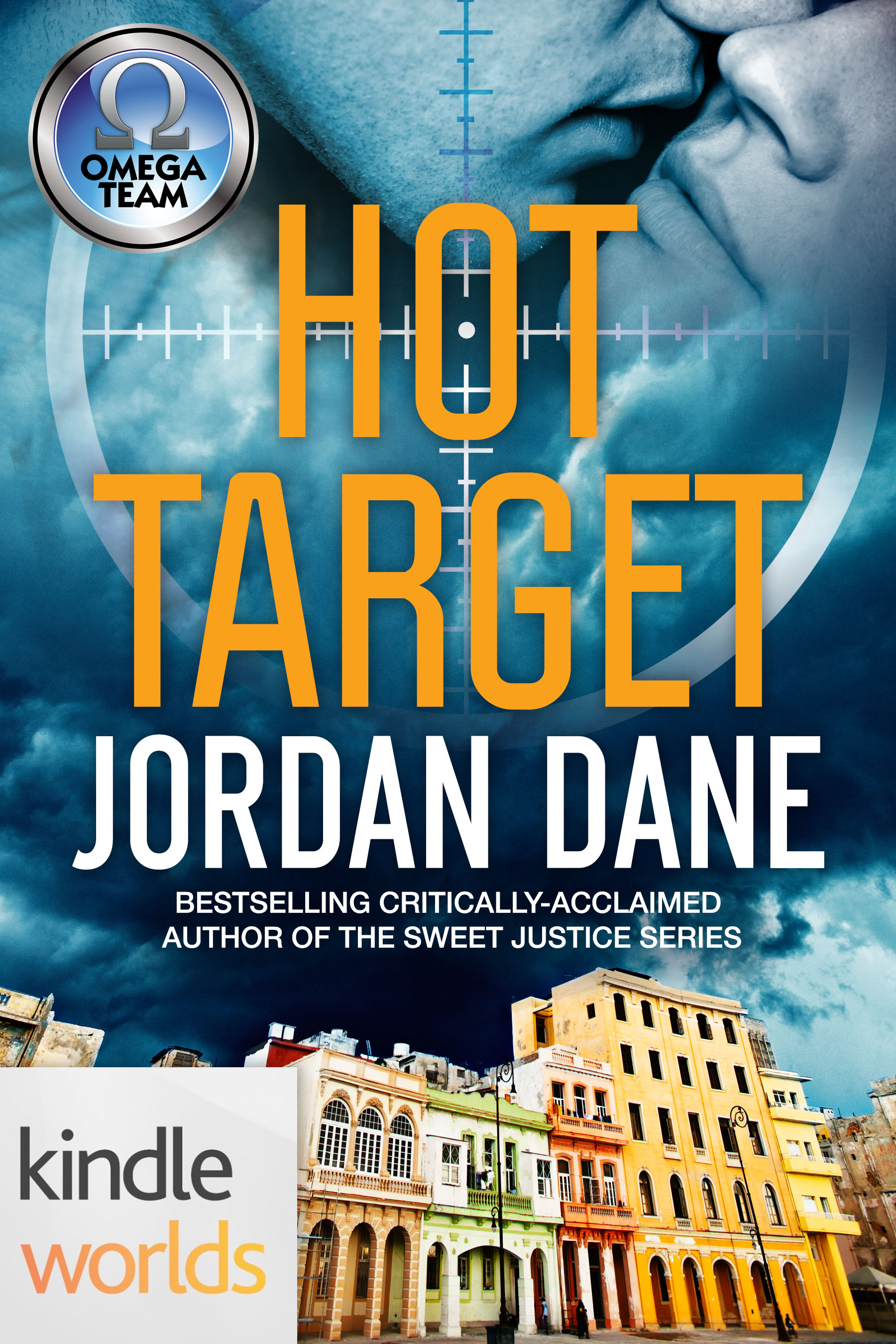
 

HotTarget (3)

HOT TARGET – AMAZON Kindle World $0.99 – DISCOUNTED (Book 1 of 2)

Rafael Matero stands in the crosshairs of a vicious Cuban drug cartel—powerless to stop his fate—and his secret could put his sister Athena and her Omega Team in the middle of a drug war.
Croco Designs

Croco Designs

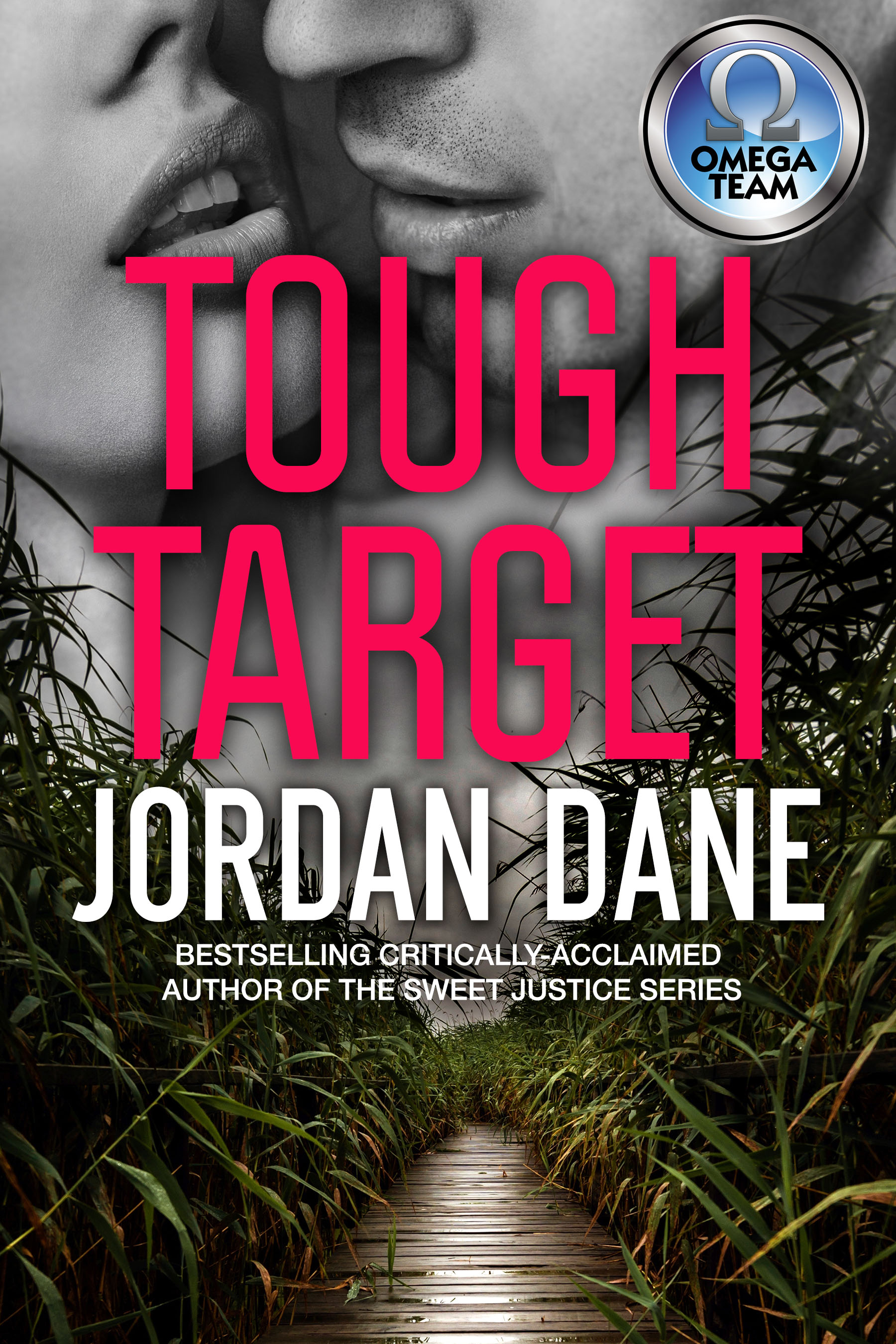
TOUGH TARGET – AMAZON Kindle World $1.99 – (Sequel Book 2 of 2)

When a massive hurricane hits land, SEAL Sam Rafferty is trapped in the everglades with a cartel hit squad in hot pursuit—forcing him to take a terrible risk that could jeopardize the lives of his wounded mother and Kate, a woman who branded him with her love.


Infusing Emotion into Every Scene and Chapter

Jordan Dane
@JordanDane

is

Creating a book is inventing a believable world the reader can step into and escape. Your characters must seem real, as if the reader can hear them and see them. The conflict and what’s at stake must be strike a chord with readers. Readers are voyeurs who want to be taken on a journey. Since emotion is a key way to pull readers into your book and keep them there, I thought that should be the topic for today.

10 Key Ways to Infusing Emotion into Each Scene

1,) Put the reader into the scene using the senses – If you expect your reader to “feel” the world you’ve created, put them into every scene. If your protagonist is walking down a dark alley with gun drawn, you have to be there alongside him, author. What sounds can he hear? What does he smell? What are his physical reactions to his surroundings and how does that play on his fear that’s building? Anticipation is a key element in creating suspense and building on tension. Have patience to let the tension mount.

2.) SHOW don’t TELL – If you truly write the scene as if the reader is looking through the eyes and body of your relatable character, that will put them into the scene. If you only “report” what the character is thinking, it distances the reader from your character. ‘Telling’ takes all the unexpected discoveries from the reading experience and it stifles what the reader can imagine. The reader doesn’t have to think. They’re ‘told’ what to think and imagine. Focus on the action of your character and give them a physical reaction. Rather than ‘telling’ the reader that your character is afraid, show how that fear manifests itself in trembling fingers, trickling sweat, and a punishing heart beat.

“Don’t tell me the moon is shining. Show me the glint of light on broken glass.” Anton Chekhov

“Good writing is supposed to evoke sensation in the reader—not the fact that it is raining, but the feeling of being rained upon.” E. L. Doctorow

3.) Make your characters relatable and sympathetic – Dare to give your villain an odd sense of humor or have her fight for a cause she cares deeply about, so her wicked obsession feels real. Your mercenary could be a loner, but give him a dog to take care of. Load up the emotional baggage in your character’s past and force him or her into a conflict where they have to face their worst fear. Dare to make your perfect hero vulnerable. All these human frailties create relatable and sympathetic characters and will have readers rooting for them.

4.) Reach for the emotion/Make it over the top – Milk the scene for every drop of emotion. It’s not just about choosing the right words. It’s about creating effective imagery triggers that will connect with readers. If you think you’re done with a scene, go back over and layer in MORE of what that scene is about. Ratchet up the emotion beyond where you might normally go. The added touch pays off when you’re using words to put the reader into the scene.

5.) Foreshadow the danger or the obstacles ahead – If anticipation ramps up the suspense, foreshadowing helps the page turning pace of your novel and keeps the reader invested. It creates ‘flow’ between scenes and chapters. Don’t waste a scene ending or a chapter ending. Make it work for you. If a scene or chapter ending fizzles to a close, that gives the reader a chance to put the book down. Tease them with a hint of things to come and they won’t want to let go of the story.

6.) Pepper each scene with descriptive words and choose wisely – Word choices have always mattered to me. I take great pains to squeeze every ounce of emotion or sensation from the words I choose. I particularly like words that enhance the scene by the sound or imagery of the word: slither, sizzle, skitter, hiss, bam, punch, clang, klunk, snap, splat, etc. You can almost ‘see’ the action with the ‘sounds’ of these words. I didn’t realize this was one of my things until readers started to point it out as a good thing.

7.) Make the stakes high enough and make them real – Give your character something meaty to fight for. What would he or she die for? It’s not enough to ‘battle evil or fight for the good.’ Make their reason come from a personal place or sprout from their worst vulnerability. Force your protagonist to give up something he or she values most in the world in order to earn the status of hero in your book. Give your character a journey through your book so there is real change in him or her.

8.) Make your reader fear for your character as time slips away – If you’ve set the foundation for a reader to care about your protagonist and the world you’re creating, now introduce a short fuse burning—and suddenly pull the rug out and make that time table shorter. It will make for a breathless plot but will force the reader to care even more about what will happen.

9.) Savor the Twist – Do the unexpected. If the story appears to be going a certain way, surprise the reader with a well-planned twist that will force the protagonist to rise to the occasion with added conflict or will showcase his or her brilliance. Readers love to be surprised by a plot they didn’t see coming. I enjoy setting the reader up in different ways, especially when the clues were always there. Again, word choice or well-positioned elements of mystery, like red herrings, can enhance the effect of a good twist. Readers get excited when they are fooled and often will go back to reread passages. This is another way to trigger many levels of emotion in your reader.

10.) Wrap it all up and make the ending satisfying – A well-written ending, where the characters have been through hell and have come out of a very dark tunnel, can force the reader into that same feeling of having survived along with them. If there needs to be closure at a grave site, where someone didn’t make it, squeeze out every tear and make the ending a satisfying experience. Don’t squander the opportunity to leave your reader with a fulfilling ending to the

For Discussion:
1.) Did your writing tips (on layering emotion into your scenes) make the list? If not, share what works for you.

2.) What books have stuck in your mind as unforgettable emotional journeys?

Croco Designs

Croco Designs

Tough Target – The Omega Team series (Book 2 of 2) launches May 24th as part of Amazon Kindle Worlds. Read book 1 – Hot Target – and catch up. Both ebooks are priced at a bargain of $1.99. (The book page for Tough Target won’t be posted by Amazon until May 24.)

When a massive hurricane hits land, SEAL Sam Rafferty is trapped in the everglades with a cartel hit squad in hot pursuit—forcing him to take a terrible risk that could jeopardize the lives of his wounded mother and Kate, a woman who branded him with her love.

Omega Team Launch – Facebook Party with GIVEAWAYS on May 24 at this LINK.- I’ll be online at 5pm CST. Join the other Omega Team authors most of the day.

Amazon Marketing Services Coming May 1 – Thoughts?

Jordan Dane
@JordanDane

amazon-logo-15

Amazon Marketing Services (AMS) will launch May 1, 2016. What does this mean to you, authors? As an Advantage or CreateSpace publisher, you can sign up for AMS for an annual fee of $99.00. Word of caution, from what I’ve seen of the sign-up instructions, this is for Kindle Select books only. The annual fee is charged against your account as a deduction from your sales. No Paypal or credit card charge up front. Once you become a “member” of AMS, you gain access to marketing programs reserved for Amazon’s biggest vendors. Feel empowered yet?

Below are the programs available to members:

Advertising on Keywords/Tags – Pay Per Click

The right keywords and tags can help you with discoverability on your titles at Amazon while setting your own budget allowance for promotion. Popular keywords, phrases, and tags on a book can generate momentum on search pages to get a title noticed. You’d only pay when a reader clicks on your book ad. According to Amazon, a click budget can be as low at $100.00, capping off your cost at your option.

Enhanced “A+” Detail Pages

Sometimes bling is the thing to showcase a book. Amazon offers enticing content for an author’s book page for $600, such as videos, sample page shots, photos and other creative promotion ideas. The deluxe page content also features advanced formatting and rich media content to tease the readers to buy.

Price Discounts

This is a really great idea. Amazon now offers vendor-provided coupon links (offered on the product detail page) to give readers/customers immediate discounts off the Amazon sales price. This will allow you to offer true sales campaigns and promotions during a peak period, in a more nimble way than ever before. You can drive sales during a virtual tour event or for a given weekend or launch period with ease.

Dashboard Sales Analytics

Want to evaluate your promotion effectiveness with REAL sales data? Now you can with AMS. If you’d like to evaluate one campaign service provider or a blog tour or advertising on Facebook for example, now you can if you isolate the event and analyze the effectiveness through analytics offered on the AMS dashboard. You’ll be able to analyze your return on investment down to the title and event to fine tune your marketing strategies with real sales data.

Vine Reviews

Chasing reviews can be a challenge if you want exposure and honest reviews. The cost for promotion service providers to solicit readers for an honest review can take time to scrutinize the potential reader and the cost for such a service can vary. Amazon had its established Vine Reviewers program of pre-approved reviewers. This is a costly service, priced at $1500.00, but it allows you to access the entire Vine Reviewer list without taking the time to approach them one at a time. If you invest in this service, AMS handles the details.

How to sign up for AMS?
If you’re curious about this new Amazon program, here is the link for AMS – https://ams.amazon.com/  I have to admit that I thought this would be for ANY KDP author. That’s how it is presented under the instructions as you set up, but when you drill down into the instructions on page 2, it appears these services are only for Kindle Select books.

Or you can do what I tried to do, which is set up my corporation (or my publishing company name) under the Amazon Advantage program at this LINK. (I thought I could set up as a vendor.) But alas, I could not set up under the Advantage program as a vendor under my company name OR my brand name (author name). On the surface it would appear Amazon is forcing authors into their KDP SELECT program to become a member of AMS. If anyone knows any differently, or had another approach and was successful, please let me know.

I’ve read that if your book has an ISBN and you’re signed up through Createspace, this might get you into AMS, but after I explored Createspace, I did not find a way into AMS this way either.

Here’s link to an Amazon brochure on “Drive Sales with Amazon Marketing Services.”

Here is a FAQ link.

For Discussion:

1.) What do you think of the tools AMS makes available to all authors? Which service are you most interested in?

2.) Is anyone a member already? Have you encountered any problems?

3.) What do you think of the exclusivity of having this program only available to Kindle Select, meaning your book will only be sold on Amazon for a time under those rules?

Making a Case for Novellas: Short is the New Black

Jordan Dane
@JordanDane

books-768426_1280

How many books do you write a year? – To keep your work in front of readers, it’s advantageous to have a new offering every 90 days. Gone are the days when 1 to 2 books a year keeps an author in the public eye, not with all the competition issuing teasers, serials, advance chapters, etc. That’s a lot of writing between bouts of promotion.

But don’t let the competition overwhelm you. New offerings could be boxed sets of your previously released material, or a remake of a previously released novel where you have received your rights back, or it could be a shorter length work like a novella that you can write between projects. Allow me to make a case for writing novellas and see if some of these ideas fit your annual goals.

The Versatile Novella:

1.) GEN BUZZ – You can create buzz about an upcoming novel by utilizing a short back story for the main character featured in your new series. A discounted or free teaser is a great way to entice new readers to try your books. (Word of Caution – If you plan on submitting your new series for traditional publication, a shorter serialization of your idea may be objectionable to a publisher. They could feel the material has already been exposed to readers.)

2.) ENHANCE CASH FLOW – Novellas can generate cash flow between longer projects.

3.) CHARACTER FOCUS – Novellas can be used to feature the main character in unique clever scenarios or if your readership finds your secondary characters interesting, you could feature them in shorter offerings. For example, I have always wanted to know how Elvis Cole and Joe Pike met in Robert Crais’s PI series. Crais has fielded this question many times from readers. A short story could be a huge revenue generator and a gift to his legions of fans.

4.) ADVANCE TEASERS – Have you noticed how many big named authors release the first 10 chapters or so for a new novel coming out shortly? This lure can also serve as promotion of the series or novel and be a part of the new material offering every 90 days.

5.) WRITING TIME FILLER – A novella can be a writing time filler (between contracts) if you are traditionally published. I dislike sitting around while my agent pitches my proposals. I can keep working while I wait and it’s a good distraction. Any novella I write could be new material for something to explore as a new series. (Word of caution – If you plan on using characters from a series under a published contract where you don’t have the copyrights back yet, be sure to read your terms to determine if you’re allowed to write a shorter length story with your original characters. Your sub-rights clause and other provisions may not allow you to do that.)

6.) DISCOUNTED PRICES – Some readers today have less time for reading (so shorter is better) and/or they may have budget concerns with all the books they read in a year.  A shorter story line, priced at a discount, might be what they are looking for. Amazon Kindle Worlds were created to be along the lines of fan fiction, but with more polish and better covers. Amazon sets the pricing, depending on length, but most of their novellas are 25,000 words priced at $1.99. An avid reader can buy a whole series easily.

Challenges of Writing a Shorter Story:

I have always been a novel writer. I never started out on shorter material, thinking it would be easier to write, as some people might believe. In my mind, a shorter story is more challenging. It’s only been this year that I’ve written shorter stories for Amazon Kindle Worlds. (See my OMEGA TEAM series at this LINK priced at $1.99 ebook) My novellas have been 25,000-30,000 words, at my option. That length forced me to change how I write, but I didn’t want my readers to feel that I’ve short-changed their reading experience because my voice or style has been stripped down.

Personal Challenges:

1.) Plots must be simpler – This has taken some new thinking and conceiving of plots in advance while I’m planning my story. More intense story lines with complex layers have to be shed in order to peel back to the essence of a story.

2.) Minimize subplots – Subplots can still be done, but they are more of a challenge, so I try to limit the way I think out a story.The subplot must be integral to the overall story and enhance the pace or suspense.

3.) Setting descriptions and prose must be simplified – Getting straight to the bare emotional elements of a scene or a story will stick with readers and provide them with a solid reading experience, without making them feel that the writing is too sparse. I must be truly selective on what images I choose and the wording I use to create the most impact.

4.) Novellas are like screenplays – My shorter stories are more like screenplays with a focus on dialogue and major plots movements, less on back story and lengthy internal monologue.

5.) Novellas are like the visuals of film – I like this aspect. Give the reader a visual experience as if they are watching a movie. The scenes must have memorable images to tap into their minds quicker, using fewer words to do it.

FOR DISCUSSION:

1.) What do you see as personal challenges to writing a shorter story? Is it easier for you to write a novel?

2.) How many books or projects do you write a year? How do you manage your between projects time?


Kim Haynes Photography

Kim Haynes Photography

Bestselling, critically-acclaimed author Jordan Dane’s gritty thrillers are ripped from the headlines with vivid settings, intrigue, and dark humor. Publishers Weekly compared her intense novels to Lisa Jackson, Lisa Gardner, and Tami Hoag, naming her debut novel NO ONE HEARD HER SCREAM as Best Books of 2008. She also pens young-adult novels for Harlequin Teen. Formerly an energy sales manager, she now writes full time. Jordan shares her Texas residence with two lucky rescue dogs.

2016 Publishing Trends

Jordan Dane
@JordanDane

stack-of-books

I recently received an email from a reader fan who complained about not having access to my Amazon Kindle Worlds (KW) digital books in Australia. I’ve heard this complaint before regarding the difficulty of obtaining US books in other countries. You’d think that in this digital world, it would be easier to satisfy markets all over the globe (especially with digital books), but not so. In the case of Kindle Worlds, the division is separate from Amazon and has to build upon its infrastructure and distribution resources. KW will be in Australia eventually—things are changing—but online retailers restrict certain markets because of their selling platform limitations. Yet the world is becoming borderless and more universal, so it got me thinking about trends in the publishing industry that have changed how books are created, marketed, and distributed.

1.) Publishers Optimizing Licensing Prospects – Publishers over the globe are recognizing the value of licensing and holding tightly to the rights they have under contract. Licensing, traditionally a subsidiary rights value, could become a larger contributor to a publisher’s cash flow if the house can expand its reach into the global marketplace. International borders would become less important (not an obstacle) and publishers could expand their reach in creative ways by enhancing the book experience for the reader. Plus, larger houses could continue to acquire struggling mid-sized houses to acquire these rights that they could exploit across the globe.

How can indie authors exploit their sub-rights (ie foreign language translations, audio, film rights, serial rights, and merchandising)? They can either sell those rights themselves, or have an agent do it for them, or exploit these rights on their own, such as audio rights for independent artists and authors through ACX, Spoken Word Inc, and Open Book Audio. If the author controls the artwork for their covers or develops a series logo as a brand, they can control merchandising through service providers like Café Press, Zazzle, and DeviantArt. For foreign language rights, some independent authors have worked directly with translators, offering them nothing up front but with 20% of proceeds on the back end. If you’re not daring enough to go directly to the translators, there are ways for author right holders to be matched with publishers willing to acquire such rights through a site called PubMatch. (Pubmatch is free to join but when I input my profile, they asked for money to be paid annually since I was submitting books for consideration. I paid a nominal fee of 19.99 for a year and will see how things go.) The author would create a profile and either wait to be contacted on their offerings or be more proactive by searching the profiles of publishers listed on the site, similar to the way ACX (for audio) is set up.

2.) The Importance of Local POD Providers – There have been some out-of-the-box thinkers who see the value in “local” print on demand (POD) options as a means to get around the international obstacles of limited selling platforms. My reader in Australia could wait for Amazon KW to expand its reach into the country, or some entrepreneurial company (like a more nimble micro-publisher) could simply place an order at any local POD service providers in various countries to create a bigger marketplace. Could this lead to niche POD companies springing up to support a strengthening print sales demand across the world? Only time will tell.

3.) Print Book Resurgence – It wasn’t long ago that people were predicting the death of the print book, but quite the opposite has happened with stronger print sales being reported in 2015. Perhaps this is because publishers now have more control over pricing after the reintroduction of agency pricing through online retailers like Amazon. And with demand strong and the boutique model dominating digitals, larger publishers are optimizing their marketing strategies by attempting to manipulate their print prices up.

How? By offering fewer books for predominantly well-known authors with large readerships—books that are in demand—publishing houses can control how books are launched, pricing-wise. With ebooks priced nearly on parallel with print sales, publishers can create a value-related decision point for readers to evaluate whether they would rather own a print book versus a digital copy. At certain prices, readers will make the choice to own a print copy, even if they are paying slightly more. Would you pay an extra $2.00 to own a hard copy print book?

But it’s not all rosy for large houses, even with the glimmer of print sales being up. Overall, traditional publishers are offering fewer books to the reading public—focusing on big name authors—so they must squeeze profitability out where they can. They won the right to control their pricing through online retail giant Amazon, but Amazon is quietly expanding their reach as a service provider and/or a publisher, working with indie authors and micro-publishers with revenue from all sources. We live in interesting times.

4.) The Rise of Alternatives to Traditional PublishersAuthorEarnings.Com reports that in 2015, nearly half of all ebooks sold on Amazon (the most influential digital retailer) are either self-published, published by micro-publishers, or are generated through an Amazon Imprint. Here’s their ebook breakdown by publisher type:

Big Five Published 33%
• Indie Published 34%
• Micro-Publishers 19%
• Amazon Imprint 10%
• Misc 4%

So this is what I mean about Amazon making money off the competition of traditional houses. As a service provider, and an imprint, Amazon doesn’t have to be in direct competition with traditional houses as their only source of revenue.

5.) The Retail Gorilla – According to AuthorEarnings.Com – the overall market share of US ebook unit sales is dominated by Amazon at 74% with the balance held by other online retailers: GooglePlay, Kobo, Nook, Apple, and miscellaneous others. So if you’re an indie author with a limited budget, where would you spend your ad dollars?

For Discussion:

1.) Have you noticed any interesting trends in the publishing industry that has affected how you do business as an author?

2.) Whether you’re a traditionally published author, independent author, or a hybrid author with feet in both camps, have you been rethinking the value of sub-rights?

Things You Can Learn at a Female Impersonator Contest

Jordan Dane

@JordanDane

Tootsie_imp

Now that I have your attention, I attended an unusual writers’ conference located in my hometown of San Antonio on Feb 25-27, 2016. The Wild Wicked Weekend did not disappoint. The name says it all. This was my first time attending this crazy event, although I heard a lot about it over the years. It’s organized by a group of authors called Belle Femme and the venue was the Menger Hotel, an historic hotel reputed to be haunted. (No, I did not see any ghosts, that I know of.) I almost didn’t attend because the events planned for this conference actually scared me more than the ghosts that frequent the old hotel.

Here a link and you can see what I mean:
http://wildwickedweekend.com/

What never ceases to amaze me is the generosity of fellow authors who met with me to exchange ideas on better ways to promote books. One author in particular – Elle James – taught me a lot about her highly successful career being a hybrid author, working with traditional houses as well as being a driven indy author with a great track record. I learned that I had to bend my way of thinking from traditional publisher strategies to a more independent author approach. These two ways are different in how advance promo time is used and the importance of pre-orders and advance reviews and ways to boost awareness of your books.

Here are some specific things I wanted to share. None of these are very detailed because I need to learn more, but there might be enough for you to get started too.

1.) I learned about Drive.Google,Com where you can develop a GOOGLE FORM for obtaining Advance Reviews. Once you create the form, you can embed the code into your facebook page, for example, and begin to build on a database of reviewers for your current and future releases.

2.) You can set up a Street Team page for your author name on Facebook and generate buzz with exclusive content, giveaways, and insights into your books to build enthusiasm for your work.

3.) I heard about targeting Facebook ads to specific markets that could be interested in your book, based on certain keywords – and the use of Facebook Power Editor on a Chrome Browser. As I said at the start of this list, I am still learning about these marketing techniques, so I’m not able to give detailed advice. If that is what you are looking for and you would like to learn more, then you can click on the link.

4.) I heard about the benefits of getting set up under Amazon Associates in the Affiliates program.

5.) I learned about tracking indy sales through an app called BookTrakr. The details are much better than I’ve seen on other sales tracking tools.

From networking with generous authors, I was pitched to write for another new series to be launched in July. I can’t share the news yet, but I’ll be linking my latest novel (THE LAST VICTIM) into a crossover to jumpstart my character Ryker Townsend into a new series of his own.

I’ve never written for Amazon Kindle Worlds (KW) before, but I’ve found that if I crossover any of my series books or create a new series that will tie-in to the two KWs I will be writing for, I can take advantage of the readership of all the authors writing for the series. In the back of our books, we add links to the other books in the series and once a reader finds the KW series and loves the book, they may keep buying them. We sustain each other’s momentum by doing this.

This is nothing new. Traditional houses have been placing ads in the back pages of printed books if an author’s contract allows for it. But in this digitized world, an online link can mean a sale and perhaps sustain a rise in sales rank.

My strategy for the rest of the year will be to write my Amazon Kindle World novellas (word count sweet spot ranging 25,000-30,000 words) – I have 4 so far with releases in Feb, May, July, Nov – then link in one to two of my Ryker Townsend (FBI Profiler Series) with word counts at 50,000-60,000 words each.

So I am in the precarious position of having contracts to fill, but I will also need to establish a better advance and post promo strategy to take advantage of pre-orders, advance reviews, street teams, and Facebook parties. That’s what I learned at this crazy conference from some very prolific authors who took me under their wings.

The moral of this story – Never pass up a Wild Wicked Weekend.

FOR DISCUSSION:
1.) What advance promo works best for you?
2.) Have you used Street Teams to generate buzz for your books? Strengths? Pitfalls?
3.) What synergies are there in cross promoting your books with other authors in a series or who write similar books to yours?
4.) How do you obtain your advance reviews?

HotTarget (3)

HOT TARGET – Omega Team series – ebook priced at $1.99.

Rafael Madero stands in the crosshairs of a vicious Cuban drug cartel—powerless to stop his fate—and his secret could put his sister Athena and her Omega Team in the middle of a drug war.

Who is Maewyn Succat & Why Should We Care?

Jordan Dane
@JordanDane

Shamrocks

Shamrocks

Happy St. Maewyn’s Day, everybody!

DID YOU KNOW that according to Irish legend, St. Patrick’s birth name was really Maewyn Succat? Catchy, huh? Saint Patrick changed his name to Patricius after becoming a priest. If he were alive today, how many handles would he have on Twitter?

DID YOU KNOW that we should really wear BLUE on St. Patrick’s Day? His color of choice was a light shade of blue. Green didn’t become linked to the holiday until the Irish Independence day movement in the late 18th century.

DID YOU KNOW that St Patrick was British? His claim to fame came from introducing Christianity to Ireland in the year 432, but he wasn’t Irish. He was the son of Roman parents from Scotland or Wales.

WHO CELEBRATES ST PATRICK”S DAY MORE SERIOUSLY? This is harder to quantify. Of course the Irish celebrate in a huge way by making it a national holiday. New Yorkers have a HUGE parade, one of the largest parades ever since the mid 1700s, but this parade to this day does not allow floats, cars, or other modern conveyances. But Chicago won’t be denied. They dump vivid green dye into the Chicago River, since 1962, and it takes 40 tons of dye.

DID YOU KNOW St. Patty’s was strictly a religious holiday in Ireland for most of the 20th century and the nation’s pubs were closed to celebrate? The one exception for alcohol was the national dog show held on the same day. In 1970, the day was made a national holiday and the beer flowed. Yes, that day, the holiday went to the dogs.

WHAT”S UP WITH THE SHAMROCKS? According to legend, the saint used the 3-leafed clover to describe the Holy Trinity. There’s nothing like a visual.

DID YOU KNOW St. Patrick was the Pied Piper of Snakes? The Irish might be full of blarney on this one. St. Patrick gets credit for driving all snakes out of Ireland, but scientists and fossil records claim Ireland has never been a refuge for snakes. It’s too damned cold and the surrounding seas make a natural barrier. Unless snakes come in on a plane, those slithering varmints are banished.

DID YOU KNOW THERE ARE NO FEMALE LEPRECHAUNS? Whaddup with that? In traditional Irish folk tales, there are no lady wee people, or snappy dressed little guys for that matter.

DID YOU KNOW that the phrase “Erin go Bragh” is NOT the correct pronunciation? It should be “Éirinn go Brách” which means “Ireland Forever.” So get it right, people.

Up for discussion:

How do YOU celebrate St. Patty’s Day? Whether you hoist green brew these days or have a colorful story from your younger years, please share your memories of St. Patty’s Day with your TKZ family.

HotTarget (3)

Rafael Madero stands in the crosshairs of a vicious Cuban drug cartel—powerless to stop his fate—and his secret could put Athena and the Omega Team in the middle of a drug war.

An Amazon Kindle Worlds series – Ebook bargained priced at $1.99 at this LINK.