It is happenstance that I follow the excellent question posed by James Scott Bell yesterday in this space about the concept for writers of “Failing Up” with some thoughts on success and how to achieve it. The collection of individuals known as “writers” and “authors” have any number of motives for writing. One of the ones at the top of this list hopefully would be that each and all of them want to do so. Those of us who show up every week or two at this space with a post that we have written do so because we want to do it. We seek to help others, hope to entertain, and/or wish to sound off, among other things. The big one, however, is that we want to write.
Some authors have reached the enviable point in their careers where they are under contract and must write in order to fulfill a contractual obligation, but wanting to do it is hopefully still their primary motivation. Sitting in front of a screen trying to fill a space beats looking forward to a day where a shovel and a ditch constitute the primary scenery and the scenery never changes. Others are trying to get to the point where someone is willing to pay them to write. They are honing their work in hope of piercing the hardened heart and mind of an editor. Again, however, they have to want to. And so it goes. In each case, a writer assembles the tools, skills, and ideas at hand and gets to work.
It sometimes helps, however, to sit back for a moment (as opposed to a week, or a month, or longer) to discern what is one’s prime motivator, regardless of what they are trying to accomplish. I was reminded of this last week as I listened to a lecture titled “Counseling Your Client to Reduce Stress & Succeed in Litigation” given by Alan S. Fanger, Esq., as part of the lawline.com legal education series. Mr. Fanger, the president of EmpowerLegal, Inc. touched upon many subjects dealing with how to prepare a client for trial. My major takeaway from his presentation, however, was a discussion concerning how to successfully accomplish a task. Mr. Fanger put forth the proposition that it is more important to focus upon what needs to be done to perform the task successfully than upon the consequences of the failure to do so. He concluded that focusing on consequences rather than how to do the job will guarantee failure.
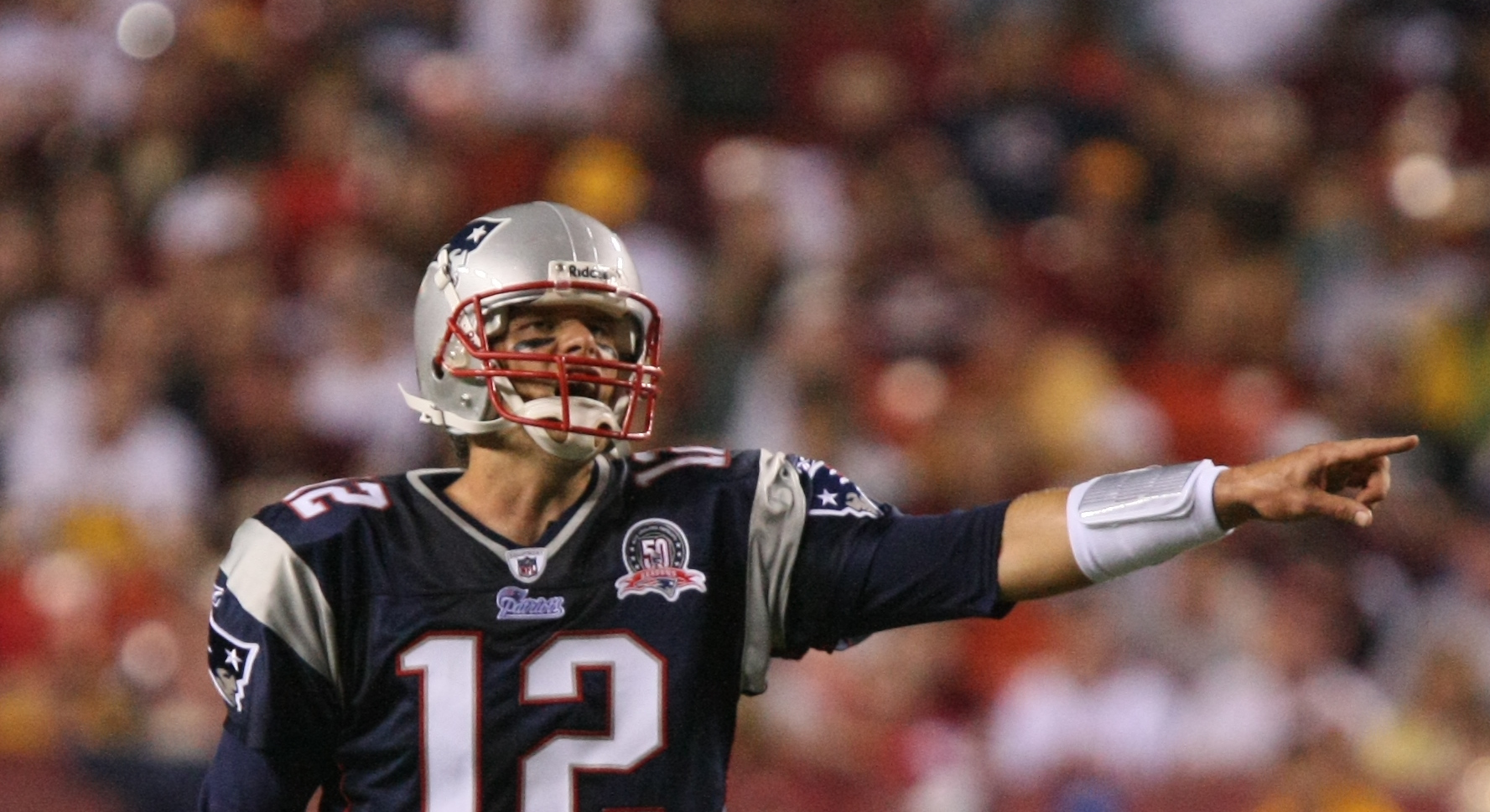
Mr. Fanger used an example from the world of professional football to illustrate his point. You don’t have to be a football fan to appreciate it. There was a cringe-inducing moment during the 2016 NFC Wild Card playoff between the Minnesota Vikings and Seattle Seahawks. A Vikings player named Blair Walsh was tasked near the end of the game with kicking a field goal which would have, all other factors being equal, won the game for Minnesota. It was a short kick (for a professional football player) of twenty-seven yards. Walsh missed it, in front of God and everybody. It wasn’t as if Walsh was pulled out of the stands to make the effort, either. The game in question was a low scoring one. Walsh had actually scored all nine of Minnesota’s points during that game by kicking field goals from longer distances. He missed that last one, however. It was indeed a bitter pill to swallow, one that some football fans remember to this day. While none of us can accurately predict what goes through anyone’s mind in the moments before making an attempt at a task, Mr. Fanger submitted that perhaps Blair Walsh was more focused on the enormity of what would happen if he failed — losing the game and thus failing to advance to the Super Bowl that year — than upon what he needed to do to succeed.
That conclusion may or may not be true. It makes sense, however. You may have heard of something which is currently called “analysis paralysis.” It’s a term applied to overthinking, which is easy to do because in a very subtle way it delays the need to make a decision as to what to do. Let’s look at a very famous incident that required immediate decision and focused implementation. I am sure that the name Chesley “Sully” Sullenberger is familiar to all of you. Captain Sullenberger was piloting a commercial airliner when a bird strike shortly after takeoff from LaGuardia Airport disabled his aircraft’s engines. Captain Sullenberger, a veteran Air Force and commercial pilot, made some calculations and concluded that landing at an airport wasn’t an option. He made a decision and told his control tower, “We’ll be in the Hudson.” That is where he landed his plane. The conclusion of that particular incident would have been quite different if Captain Sullenberger had focused upon and overwhelmed by the consequences of failure — job loss, destruction of property, and, oh yeah, loss of life — instead of upon the best method (under the circumstances ) of landing the plane and the passengers with which he had been entrusted. He made a decision and acted on it, focusing on what he needed to do to succeed. “We’ll be in the Hudson,” Just so.
Think about Captain Sullenberger the next time you sit down to write and find that the old bugaboo — “I gotta finish this” — gets in the way. You probably have near at hand everything you need to succeed, including writing instruments, a command of language, imagination, the will to start, and your own mind. I had all of those within reach when I began writing today’s post. I didn’t consider what would happen if I didn’t. It was more constructive and more fun, actually, to start writing and see, to paraphrase Dorothy Sayers, where my whimsy would take me. The finished product is just a bit different than what I had envisioned it would be, but that’s okay, too. I’m happy with it. I don’t know if I kicked it between the goalposts, but I think I landed in the Hudson, and I hope I didn’t lose anyone.

Thank you for stopping by. Enjoy your weekend.