If there’s one thing I’ve learned since my first novel was traditionally published in 2007, it’s that a writer needs to be flexible and amenable to change if they want to be successful. My definition of success? I’m still here. Readers still read my stories–often paying for them–and I still write them.
ISABELLA MOON was first published by Ballantine Books, and was/is available in hardcover, paperback, ebook, and audio. It’s about a woman living in hiding from an abusive husband, and she’s contacted by the ghost of a child who went missing two years earlier. Why am I so attached to my first novel? I wonder if I would even think about it much if the ebook revolution hadn’t happened. Without ebooks, I doubt I would have bothered to republish it once the rights reverted to me. Just think of all the books that (often deservedly) are lost to time because they were published in paper–paper that wasn’t acid-free. The existence of non-expiring digital content, combined with easy access to book resellers, means that pretty much any book can now stay alive a long, long time.
But tastes change. Markets change. And there are always potential new readers to attract. I confess I’m often guilty of picking up a book because I’m drawn to its cover. Thus I feel compelled to update the covers of the few books I re-publish myself.
___________
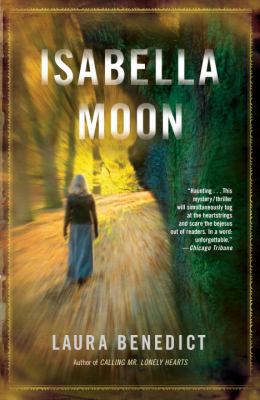
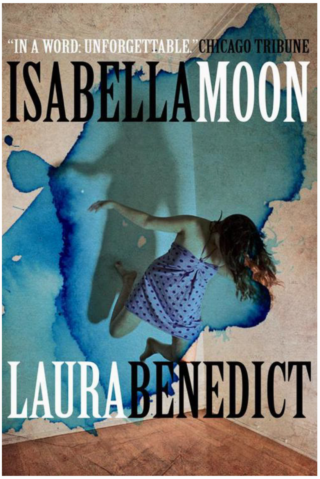
Cover 1, Ballantine: Hardcover (2007)
This is a beautiful cover. If I’d been a more experienced writer, I might have pushed to have it look a bit edgier. It has a mysterious, dreamlike, feminine, rather timeless vibe. Yet the book has several horror elements.
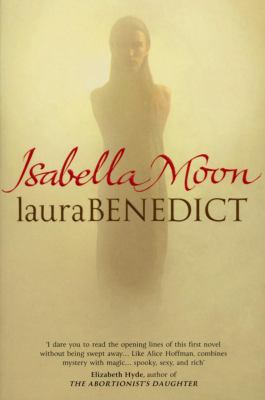
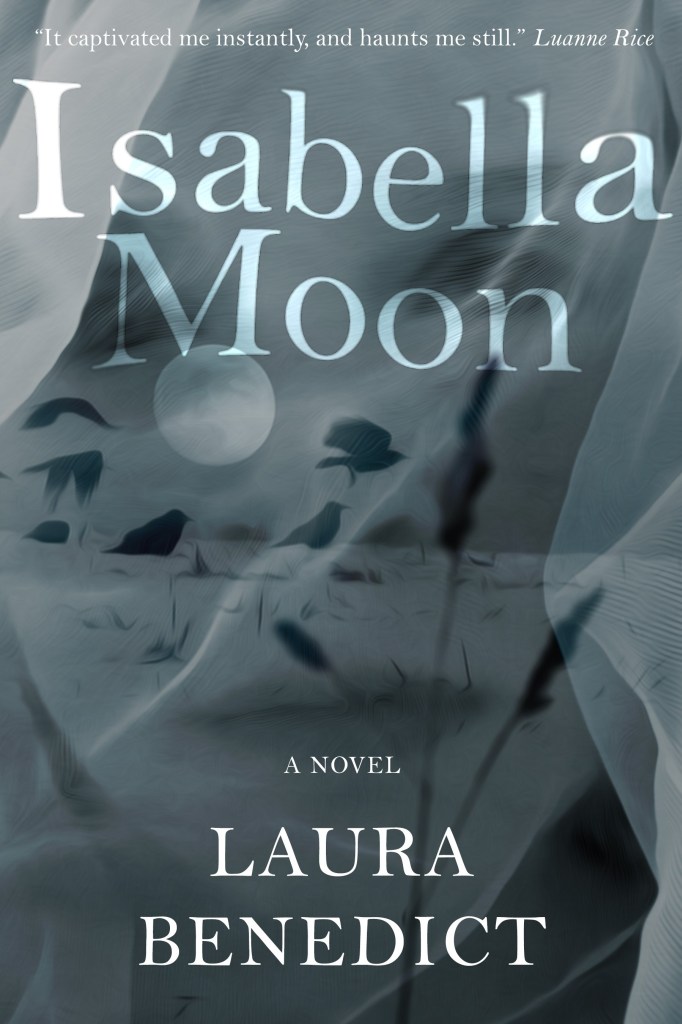
Cover 2: Trade Paperback, Ballantine (2008)
I love the fuzziness of the title, particularly since the book is a ghost story. The size of trade paperbacks appeals to me.
Covers 3 and 4: Hardcover, Trade paper (export edition) William Heinemann, UK (2008)
The yellow color in this photo is a bit deceiving. It’s actually more of a pale cream, with a glimmering, matte sheen to it. It’s truly stunning, and thematically dead-on.
Looking back on this one makes me go Hmmmm. It definitely has more of a horror vibe, and is certainly unsettling. The adult protagonist is obviously in danger.
This is the most literal cover: Ghostly font, ghost, photo of moon. Not sure why it’s basically 3 colors. I think it would make a terrific paperback.
Covers 7 and 8, Gallowstree Press, my designs
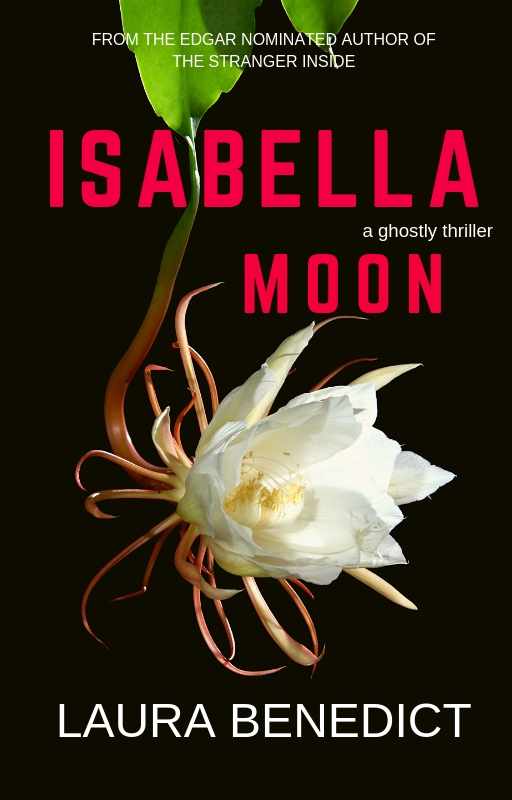
I’m going to experiment with two covers for this next update that’s coming in a week or two. One cover has a mystery feel to it, and the other that of a dark thriller. I’m considering adding a horror short story to the edition with the flower cover to differentiate it at the retailers. We’ll see how that works.
Between Vellum, and Canva, and many other helpful sites, it’s shockingly easy to make changes to all of my owned content. And, really, I have little to lose by making those changes. As these last two are for ebooks exclusively, my goal has been to make them great thumbnails. I would love to sell ISABELLA MOON in my own print-on-demand versions, but there are PLENTY of hard and softcover versions available out in the world. No need to add to the world’s post-consumer paper glut.
Why the wide selection of cover styles? ISABELLA MOON is one of those stories that crosses genre boundaries: thriller, crime, gothic, horror, mystery. It’s tough to classify. I’ve always felt that the original cover, though beautiful, put it off on the wrong foot in the market. There’s strong language, sex, and plenty of violence between the covers. The reviews are polarized, so I had to stop reading them.
Of course, I should’ve done all this revamping well before my most recent novel, THE STRANGER INSIDE, was published back in February. There’s lots to do: update the excerpts in the backs of the books. Update the blurbs, and add my most recent four books to the interior bibliography. Oh, and update my author photo. Though I wouldn’t mind being eternally forty-five.
Note: The images in the two latest covers came from Istock. I will have to purchase extended licenses to use them as part of salable content.
TKZers–tell me all your cover successes and woes. And ask me anything!
Today’s first page critique takes us out on the high seas. Please enjoy the following then we’ll discuss.
Ocean Effect: No land, no law.
You just can’t control some things when you live and work aboard a 260-foot private superyacht. Like being summoned near midnight to make coffee for the captain. But I was the chef, on call 24/7. Not an ideal job, but it kept me out of the public eye – and out of jail.
On my way to the galley I traced the teak spiral stair case railing, varnished to a high shine that cost more than my yearly salary to maintain. Built for people with names like Astor, I couldn’t let myself go too gaga over the Kathleen’s luxury. I was just glad land was far behind us after picking up the yacht owner’s son, Jonathan, and his friends in Newport. Now I could stop looking over my shoulder, keep my fear in check. Fear of being back there after more than a year on the run, fear of being connected to my old life as Penelope McKenna, assistant DA.
I was just stubborn enough to stay the course, eyes on my goal. That stubbornness had gotten me into trouble as a kid, but was my saving grace as an adult. Give me a goal and I’m laser-focused. Like life at sea: a steep learning curve but so worth it to get away. So yeah, I’d take orders. I’d get the captain his coffee at midnight. Gladly.
I opened the large walk-in freezer for the special coffee beans I kept just for Cap. As my eyes adjusted to the flickering fluorescent light, I saw a large heap on the floor against the far wall. I never put anything on the floor – who’d been in my galley? I stepped in but my brain wouldn’t process what it saw. A man? What? Laying on his side with his back to me, the galley’s super-sharp ice pick buried up to its handle in his back. A small circular blood stain on his untucked white oxford shirt looked like an unfortunate bulls-eye.
Any sense of control I had disintegrated. Flee. Now. The same impulse I’d had a year ago; it was automatic. But there was nowhere to flee to. We were more than 350 miles offshore, no land – or law – in sight.
I took another step forward. Be cool, McKenna. I reached for a wrist pulse and the head lolled to the side. Whoa. Jonathan! The owner’s son and my benefactor, responsible for my recent promotion to head chef. Shock filled my ears with white noise. I instinctively rubbed my lucky four-leaf clover pendant. But if Jonathan was dead, luck was long gone.
~~~
The Brave Author opens this story with a boatload of intrigue (sorry, couldn’t help it!). A former assistant DA, Penelope McKenna, is on the run because of unspecified events in her past that could land her in jail. She’s working as a chef aboard a luxury mega-yacht and finds her employer’s son, Jonathan, in the galley with an ice pick in his back. She’s 350 miles from land, stuck on a boat with a murderer and presumably she’ll be blamed while the real killer is free to wreak havoc.
That’s a walloping start.
Brave Author, you’ve hit the mark with many important big-picture issues.
Character: you hint at McKenna’s trouble in her backstory without slowing the forward momentum. Well done.
Setting: The glitz and glamour of a luxury yacht captures reader attention. Plus, a ship at sea is a scary, remote location where potential victims are trapped with the killer. A killer who can’t escape is especially dangerous.
Crime: a murder on page one begins the story with a bang.
Now let’s fine-tune.
Time period: Without a specific reference, I assume this is contemporary, which made the reference to “Astor” sound dated. Wealthy John Jacob Astor IV perished in the 1912 sinking of the Titanic so maybe this is subtle foreshadowing but it distracted me.
Title:Ocean Effect: no land, no law implies a ship at sea is at the mercy of the lawless. However, the punctuation and lack of capital letters make the intent vague and unclear. See if you can come up with a punchier title.
Voice: Attorneys are skilled at laying out a situation in a logical fashion to make their case. Although the Brave Author packs a lot of information in one page, the way McKenna conveyed details felt a little jerky and disjointed.
The paragraph about McKenna’s stubbornness and laser-focus stopped the action cold. At this point, the reader wants to know why she is on the run and doesn’t yet care about the trouble she got into as a child. It also felt like a clunky device for the author to say, “Here are some of McKenna’s character traits.” A better method is to incorporate her personality into the action. Rather than tell the reader she’s stubborn, show it.
McKenna’s internal reactions are italicized for emphasis. However, three times in one page was a bit much. Flee. Now. and Be cool, McKenna are fine but suggest you delete Whoa!
White noise is a good description of that dizzy, plugged-ear feeling one feels from shock. But try a more concise, active sentence structure: White noise filled my ears.
Here are a few suggestions to smooth out the flow and get rid of extra words:
When you work as a chef aboard a 260-foot private superyacht, a call to make coffee at midnight for the captain means right now. As I climbed from my comfy berth, I reminded myself this job kept me out of the public eye and out of jail. Yeah, I’d gladly get Cap’s coffee 24/7.
The varnished teak rail slid like silk under my hand as I clipped down the spiral staircase to the galley, trying not to go too gaga over the Kathleen’s luxury.
[Early that morning,] we’d picked up the yacht owner’s son, Jonathan, and his friends in Newport [Beach?]. I relaxed now that land was far behind us. I could stop looking over my shoulder and keep my fear in check. Fear of being back [in LA?] after more than a year on the run, fear of being connected to my old life as Penelope McKenna, assistant DA.
In the galley, I opened the large walk-in freezer for the special coffee beans I kept just for Cap. In the flickering fluorescent light, a large heap lay on the floor against the far wall. I never left anything on the floor – who’d been in my galley?
When my eyes adjusted, I saw the heap was a man, lying on his side, his back to me.
With an ice pick buried up to the handle between his shoulder blades.
A small circular blood stain on his untucked white oxford shirt looked like a bulls-eye.
Flee. Now.
The same automatic impulse I’d felt a year ago resurfaced. But there was nowhere to flee to. We were more than 350 miles offshore, no land – or law – in sight.
Be cool, McKenna.
I stooped to grasp his wrist to feel for a pulse. His head lolled to the side.
Jonathan! The owner’s son and my benefactor, responsible for my recent promotion to head chef.
My ears filled with white noise. I instinctively rubbed my lucky four-leaf clover pendant. But, if Jonathan was dead, luck was long gone.
~~~
Brave Author, your instincts about when to enter the story are solid. You chose a glamorous yet remote location that offers plenty of potential danger. You introduce a main character who has an intriguing secret that makes the reader curious. Then she immediately steps deep into trouble, compelling the reader to turn the page.
After you do a little bit of smoothing and cutting, this first page will work very well.
TKZers: Are you eager for page 2? Do you have suggestions for the Brave Author?
~~~
I’m happy to announce Stalking Midas, book 2 of Tawny Lindholm Thrillers, is now available at Amazon in ebook and paperback.
A few weeks ago I reached out to my fellow bloggers about freelance editor recommendations and, although I got some great names and assistance (thanks!), it made me realize just how little I know about the process of hiring an independent editor to help with the development and revision of a novel. Up till now I have relied on my beta readers and my agent to get feedback during the drafting/revision process prior to submission, so I faced a bit of a dilemma when my agent and I realized that additional changes were still needed to one of my novels but that both of us were now too close to the material to know the best way to proceed. An independent editor seemed the obvious solution – but, after my agent lucked out with her contacts (all of which were over committed already), I said I’d try and identify additional options. It was at this point that I realized just how little I knew about the process…and how hard it was to identify the ‘right fit’ when it came to freelance editorial services. Not only did many seem super expensive, few I initially identified seemed to really align with what I needed. This was where I appreciated getting personal recommendations (again, thanks!) but hiring an editor still seems like a daunting task (especially given the potential fees involved!)…so I thought, why not open it to the TKZ community to see what their experiences have been…:)
So for all of you TKZers who have used independent editors, I’d appreciate honest answers and feedback to the following questions:
How did you identify your editor? What research did you undertake? Did you access any useful resources beyond getting other author recommendations?
What key questions did you ask to ascertain that this editor was the right fit for you?
What was your experience with using the editor you selected? Was their input as valuable as you were hoping? Did the relationship continue for further books?
How much did the editor charge – ball park figure – if you don’t mind me asking?!
What feedback or advice would you give to someone seeking an independent editor to help with their novel?
Thanks in anticipation for all your advice and shared experiences (and recommendations too if you have them!).
Conflict is EVERYTHING in writing a fictional story. As they say–no conflict, no story. An example might be the difference between describing what happened in your average day (blow by tedious blow) versus sharing the same story but with a driving conflict that smacked you in the face and you had to deal with an escalating problem. A life altering conflict–such as a weird neighbor moving next door or the water that supplies your city suddenly turns into poison.
Conflict Needs Obstacles – Readers love reading about a good fight or a conflict they can relate to, especially if the conflict escalates or there is a sense of urgency to it. Conflict isn’t just about two people fighting or a man or woman against a villain. It’s about throwing obstacles in the way of your main character(s). Make them worthy of a starring role by testing them throughout the story. Conflict needs to be substantial with enough threat to drive the action, to see what the characters will do.
Conflict Won’t Mean Much Without Empathy – It’s key to get the reader engaged in your story through empathy. Conflict wouldn’t mean much if your characters don’t earn sympathy from the reader. Readers will lose interest in unlikable characters. It’s hard to be in the head of someone the reader can’t stand or a character with no redeeming qualities.
Conflict can be Boosted by your Cast of Characters – What do other characters in your story think of your protagonist? Even a dark anti-hero can give the reader a good impression if a child loves him or a dog follows him everywhere. The people in the life of your hero/heroine can shed light on who they are and make them easier to relate to. Who has their loyalty and why? A cast of well-placed/well-thought-out characters can be strategic to support the protagonist in a conflict.
Conflict Needs Higher or Escalating Stakes – Conflict shouldn’t be something that two people can simply sit down and talk about to fix. Resolution should be hard and challenging. Try pitting two characters against each other who both have admirable opposing goals. Add major roadblocks that escalate based upon each character’s actions. The story should get complicated by their choices and they should pay a consequential price for what they do.
The essence of most conflicts can be in the list below. If you have others to suggest, please list them in your comments.
Classic examples of well-told stories with major conflict are: The Hunger Games series, The Book Thief, Robinson Crusoe, Schindler’s list, Animal Farm, 1984, Moby Dick, The Help, The Picture of Dorian Gray, Frankenstein, The Handmaid’s Tale, and To Kill a Mockingbird.
Key Types of Conflict:
1.) Person against Person – A conflict between two people or one person against a group. Typically the opposition or villain is the alter-ego of the hero/heroine. This opposite nature allows you to explore the internal weaknesses of your hero/heroine. Don’t waste an opportunity to cross over conflicts with friction that adds tension, but you don’t have to hit your reader over the head with your cleverness. If done right, readers will get it. (See Person Against Self.) For an example of person against person, try any Die Hard movie where Bruce Willis is against ANY arch nemesis.
2.) Person Against Society – A conflict that confronts the law, major institutions, society & culture, or government. It’s David against Goliath, a struggle that feels daunting and is all the more celebrated when the little guy finds a way to win–or more crushing when the hero/heroine must give in. The Help or the Hunger Games or The Handmaid’s Tale are good examples of an oppressive society, culture, or the law.
3.) Person Against Self – A conflict that’s internal where a person struggles with physical weaknesses, prejudices, self-doubt, or personality flaws they must overcome. I would argue that even if you HAVE a main conflict, this should be another facet to your story. Giving a character a weakness or flaw to overcome can make the overarching conflict stronger by testing them. Schindler’s List is a great example of a story where the protagonist must confront his own beliefs and practices to do the right thing.
4.) Person Against God/Religion or Fate – A conflict between a person and their faith, their God, or Free Will versus destiny. This category might feel similar to a conflict of a person with Self or Society, but I like to isolate this conflict because religion and the idea of Free Will vs fate is a compelling one. (I’ve woven this thread through many of my books because it intrigues me.) With Death being the narrator in The Book Thief, it can be an example of how fate played a hand in the character’s lives or how God views the struggles of mankind–friend or foe or bystander.
5.) Person Against Nature – A conflict of a protagonist against the forces of nature (from weather to terrain to battling against the animal kingdom). Nature could also mean the embodiment of one formidable creature, as in Moby Dick, or a species such as in The Birds by Hitchcock.
6.) Person Against the Supernatural – A conflict with the supernatural realm. The Picture of Dorian Gray by Oscar Wilde is an example of a Supernatural conflict. An example of crossing over conflicts is to combine the supernatural obstacle with your protagonist’s views on God or Fate or them battling elements within themselves (Person Against Self). Many people have the belief that the Supernatural ties to the afterlife. The religious aspects complicate the story, but they can be damned compelling.
7.) Person Against Science/Technology – A conflict between a person/humanity against Science or Technology. It’s a given that people generally are skeptical of innovations. Why not make them fearful of them? Create a diabolical villain who creates a technology that is harmful or dangerous for humanity, or discovers a way to rule or manipulate mankind with a new Science. Mary Shelley’s Frankenstein would fit in this conflict element.
FOR DISCUSSION: 1.) What conflict on this list applies to your present project? Explain how.
2.) When you think about books you’ve read with memorable conflict, what books come to mind and why?
Good morning crime dogs. We have a new submission from a fellow writer to go over today that had me thinking about the movies Aliens and Blue Velvet. I’ll be back in a flash with my input. Please chime in with helpful hints, encouragement, and insights.
Chapter 1
Matthew Carter checked the magazine of his Glock G22 .40 caliber pistol for the third time before slipping it into the holster at the small of his back. 15 rounds, a full clip. Hopefully he wouldn’t need to use any, but knowing that they were there gave him a small measure of relief, and allowed him to better concentrate on the task before him. He’d been awake for the last three years and eight months – straight, twenty-four hours a day – and even though he felt more alert than ever before, the last thing he needed was for something to go wrong tonight. He knew all too well what a temporary lapse in judgement, or a tiny lack of preparation could do to someone in his position, and couldn’t afford to ever have that happen again, not now, not when he was so close. He got out of his Dodge Charger, reaching behind to touch the gun again, making sure his shirt was loose enough so he could get to it quickly.
The house he parked across from was a two-story semi-detached, and looked, from the outside, generic but well-maintained. The beige siding was clean, and the slate grey roof shingles looked like they were recently replaced. In front of the house was a small yard, the grass neatly trimmed and shiny. A narrow stone path led from the street to the front door. The sun was heavy and bright, blanketing the street in a searing white light. Carter adjusted his sunglasses and walked to the front door. He carefully leaned over to the window next to the door, raising his hand above his eyes to shield him from the glare. The street was quiet, and he saw no movement through the glass. The smell of freshly cut grass was everywhere.
He rapped his knuckles on the door.No answer. He knocked again, harder and louder. Still nothing. He waited a few more seconds then went into his pocket and removed a small rectangular device. The screen on the face of it instantly lit up, snapping to life. On it was a computer rendered map of the neighborhood he was in. A flashing green dot represented exactly where he was standing. Another dot, this one flashing red, appeared on screen about half an inch away. Carter looked up at the house. That meant there was someone about twenty feet away from him, most likely on the second floor.
____________________________
We’re back. This one really left me flummoxed. On first read, it’s not bad. We identify what I am guessing is a main character, maybe the putative protag, and we can tell what is happening, except for a couple lapses. A man is casing out a tidy home in a nice neighborhood. He has a Glock G22, which is the most common service pistol for cops, so I’m guessing he’s a good guy. But beyond this, I am lost. And worse, I am not sure I care about what is going on here.
Here’s my problem: The writer spent a lot of precious words describing things and using wasteful sentence construction when he or she could have been building some tension and dribbling in some choice backstory details so we get a sense of who this guy Carter is. But, you say, there’s a man with a gun over there! Not enough. Especially in today’s hard-to-crack crime fiction market. A guy sitting in a car casing a building has been done and done and done. And the problem is complicated by the fact that what this guy is, and what he is there for, is hazy. Now, I hear you — we don’t WANT or even NEED to know every detail of the action in the first couple pages. But we have to have enough telling details to be intrigued.
And here’s a thing about description of your setting. If you are going to use it in your opening two or three pages, make it mean something. USE the setting to enhance mood and create tension. I think the writer was going for the juxtaposing of the neighborhood’s NORMALCY with the ABNORMALITY of lurking danger (either from Carter or whoever is inside that house). But it doesn’t quite come across.
This made me remember the brilliant opening of David Lynch’s movie Blue Velvet. As the old song plays on, Lynch gives us lovely images of suburban life — rose gardens, picket fences, kids coming home from school, a man watering his lawn. Then…the man is bitten by something and falls. Lynch then takes the camera below the flowers, underneath the green grass and shows us these horrible insects eating each other alive. What lies beneath…
We need to be in Carter’s thoughts more. Why is the street deserted in broad daylight? Someone obviously just mowed their lawn, so why can’t we have some human beings in sight? Maybe Carter could be looking around this nice little neighborhood, watching a kid bounce a basketball, or an old lady walking her terrier. Or maybe the guy mowing his lawn stops and the sudden quiet SAYS SOMETHING about the mood. Maybe the lawn mower’s growl mimics the noise in Carter’s head and then when it cuts out, he hears this deafening silence that SAYS SOMETHING about his mood? See what I am asking for here, dear writer? Make your setting work harder. It isn’t just there — it has to say something.
There’s a few weird things going on that I don’t get. Carter says he has been awake for three years and eight months, 24-7. That makes no sense. Unless he’s a zombie or something, and I don’t think that’s the genre we’re dealing with here. We SEEM to be in present time (ie Glock and Dodge Charger). If Carter is some kind of machine, droid or something un-human, you have to give us a clue. Also, you say it’s the shank of the day — broad harsh sunlight — yet he thinks “The last thing he needed was for something to go wrong tonight.”
Now, because we don’t know what he is — cop? special ops? assassin? — it’s hard to understand some of his actions. He has some kind of special human locator device.
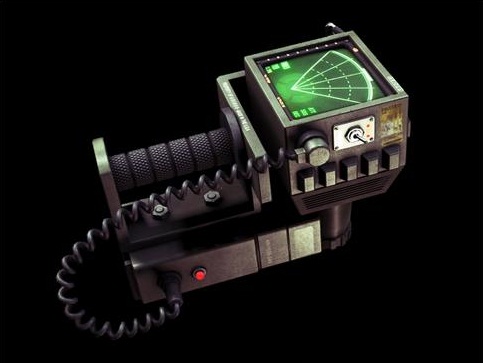
First off, you have to be more specific about what the heck it is. If you’re making it up, that’s cool, but make us believe it! It can’t be a mere “small rectangular device.” Carter would know exactly what it’s called, so get in his head and tell us. I was picturing that thing in the movie Aliens that showed the monsters on a tiny screen as pulsating blobs. (See photo right). Now, this technology doesn’t yet exist, as far as I know, but that doesn’t mean it couldn’t in Carter’s world. You just have to make us believe it. Have him think something like, “He pulled out the Arious Motion Tracker X40. There were only three in the world that he knew of. Hell, even the military didn’t know about them yet. He flipped the switch and pointed it at the house. Immediately, a white pulsating dot came on the small green screen. No big deal. That was his own infrared shadow. But then a second red dot drifted onto the green. Carter started hard at it then looked up at the house. Someone was inside.”
And while we’re at it, why did Carter wait until he was on the porch to use this vital device? He seems to be concerned about his safety and not blowing his assignment again. (You have him thinking in the car: “He knew all too well what a temporary lapse in judgement, or a tiny lack of preparation could do to someone in his position, and couldn’t afford to ever have that happen again, not now, not when he was so close.”)
But here’s where you sort of lost me in the believeability. Carter is obviously experienced in whatever it is he’s doing. He has reason to suspect someone is in the house. Yet he casually walks up in board daylight, knocks on the door, peers in the window, and sees nothing. This guy would be casing this house within an inch of his life. He’d look for security cameras. He’d see if a car was in the garage. And he’d wonder if this nice suburban house, like so many today, has a doorbell with a camera to ward off mayhem. The worst thing you can do is make your hero look inept.
Now, I’d like to do some line edits for some clarity, mainly to show how you can eliminate some clutter-words. Also, dear writer, be more aware of your paragraph lengths. You have only three, each almost exactly the same length. In an action scene like this (as quiet as it is), shorter graphs can heighten tension. I’m going to add a few paragraphs to show you what I mean.
Matthew Carter checked the magazine of his Glock G22 .40 caliber pistol for the third time before slipping it into the holster at the small of his back. 15 rounds, a full clip. Not sure this is your best opening line. For one, it’s a tad cliched. Also, you need to tell us he is parked outside a house sooner. He could be in a dark alley in Newark, a dessert hovel in Iraq, a brothel in Brooklyn.
HopefullyNow, I’m not going grammar cop on you; you can use this. But why would you? It feels weak and wish-washy. I don’t think Carter is either. Try something like: Maybe, with a little luck, he wouldn’t have to fire one bullet. But he was never one to depend on luck.
He wouldn’t need to use any, but knowing that they were there gave him a small measure of relief,Again, relief sounds weak, like he’s not experienced at carrying. and allowed him to better concentrate on the task before him.He’d been awake for the last three years and eight months – straight, Hwenty-four hours a dayI just don’t get this. – and even though he felt more alert than ever before,this means nothing. the last thing he needed was for something to go wrong tonight.???He knew all too well what a temporary lapse in judgement, or a tiny lack of preparation could do to someone in his position, He knew because it had almost cost him his life two years ago in Istanbul.Drop in a dollop of backstory please.and couldn’t afford to ever have that happen again, not now, not when he was so close. He got out of his Dodge Charger, reaching behind to touch the gun again, making sure his shirt was loose enough so he could get to it quickly.
The house he parked across fromThis is passive construction. Establish higher up that he is casing a house. was a two-story semi-detached, and looked, from the outside, generic but well-maintained. The beige siding was clean, and the slate grey roof shingles looked like they were recently replaced.In front of the house was aThe grass in the small yard was freshly mowed., the grass neatly trimmed and shiny.A narrow stone path led from the street to the front door. The noon? sun was heavy and bright, blanketed the street in a searing white light. It would also create deep shadows, making things stand out in high relief. Carter adjusted his sunglasses and walked to the front door. He carefully leaned over to the window next to the door and peered in. , raising his hand above his eyes to shield him from the glare.The street was quiet, andhe saw He could see only a foyer but there was no movement. The smell of freshly cut grass was everywhere. Nice sensory detail but it is out of place here, where you are trying to escalate tension. Put all your description in one graph above and move on.
He rapped his knuckles on the door.knocked. No answer.
He knocked again, harder and louder. Still nothing.
He waited a few more seconds then went into his pocket and removed a small rectangular device. pulled a device the size of a pack of cigarettes from his pocket.It was a ….whatever you want to call it.The screen on the face of instanttly lit up, snapping to life.withOn it was a computer rendered a map andof the neighborhood he was in.a pulsatingflashinggreen dot that showedrepresented exactlyhis position.where he was standing.Another Then a second red dot this one flashing red, moved onto the screen about half an inch away. Carter looked up at the house. That meant there was someone about twenty feet away from him, most likely on the second floor.He can discover this later. Make your sentences short and staccato to mimic tension.
New graph: Someone was inside.
Okay, dear writer. Don’t be discouraged. There is good material here. I just want you to work harder because I have a hunch this is a good story just off to a slow start. And Carter is a guy I want to know more about. Just make him come more alive. Because you — and he — get only one chance to make a good impression.
I still go to the library regularly. Books appear like magic on my front porch practically every day but there is something — a few things actually — about a library that you can’t beat. My favorite is a metropolitan branch office located in a shopping center a few miles from my home. It’s the type of library — location-wise, anyway — that I patronized as a wee lad and it will no doubt be the kind that I will be walking into when the engine known as “Joe H.’s circulatory system” decides to call a wildcat strike. Yes, the interiors of libraries and the services they provide, moving far beyond books, have changed from sixty years ago and will continue to change. Joltin’ Joe Moore wrote a blog about those modifications almost seven years ago (which you can find here) and it is still on point. There is something, however, that speaks to me about this library, whose exterior is so similar to the one I visited two or three times a week as a child.
I was in that library this past Sunday and was reminded in an up-close and personal way of the reason that we still need libraries. I usually go there just to pick up books I’ve reserved, and this visit was initially no exception to that rule. I got a few graphic novels, consisting of some collections of Ed Brubaker’s and Sean Phillips’ Criminal anthology series and the first two volumes of Brian Azzarello’s and Eduardo Risso’s 100 Bullets. I also knew that the branch had a copy of Hillbilly Elegy by J.D. Vance (which has been on my “must-read” list for three years) so I picked that up as well. It took me a second to find the non-fiction section amidst the CDs, DVDs, reserves, audiobooks, and magazines, but find it I did. Seeing the books with the Dewey Decimal System numbers on the spine was like greeting an old friend. I in due course found Hillbilly Elegy right where it belonged (“305.562 VAN”). I was about to go to the self-serve checkout kiosk when I noticed a book displayed on the shelf where I found Hillbilly Elegy. The book — Outliers: The Story of Success by Malcolm Gladwell (“302 GLA”)— looked interesting, so I checked that out as well, thanks to a librarian who liked the book enough to put it on display so that would stand out.
Digital editions of books are becoming more popular, This has caused a bit of a dispute between publishers and libraries which you can read about here). The market for physical books may be decreasing but it hasn’t collapsed. I like physical books — there is something about the tactile experience with a book that can’t be beat — but I have come to prefer eBooks for two reasons. One is that I can adjust the font and its size. The other is the “search” feature. If a novel has more than a couple of characters I often forget by page 135 who was doing what on page 40. One can obtain either format, regardless of preference, of many titles at or through the library. Take the aforementioned Hillbilly Elegy. There was a waiting list — a long one — for digital copies (author Vance is an occasional resident of the Columbus area) but a physical copy was readily available. And yes, many of you like audiobooks, which are available at and through the library as well. I am amazed at the width, breadth, and depth of audiobooks which are available digitally and physically through and at the library.
One last story. While I was browsing an announcement was made that the library was closing soon and that anyone who needed a ride home should contact the front desk. After I checked the books out at the kiosk I walked to the front counter, and asked the three women sitting behind it, “Who do I see about that ride home?” They all laughed, and one said, “Wellll…Uber, Lyft, Yellow Cab…” Everyone laughed again, and then the quick-witted librarian happened to look at the books which had been checked out by the half-witted patron. “Oh! I’m glad you got that,” she said, pointing to the copy of Outliers I had checked out. “I put that up weeks ago!” So there you go. You don’t get that type of human interaction on Amazon.
That brings us to you. Joe M., at the conclusion of his long-ago post, asked when your last visit to the library was. What I want to ask is when was the last time you recommended the library to someone. I did it two weeks ago. And when was the last time you visited the library and came away with something that you didn’t go looking for? Bedbugs don’t count. But you do. Thanks for being here today.
Does your writing stink? Do your scenes feel flat and your characters cardboard?
Maybe you’re neglecting the sense of smell. Sights and sounds are essential. But smell can add another dimension. Smell is tied to emotion. Real estate agents tell prospective sellers to bake cookies or a loaf of bread just before a buyer tours their house. They’re hoping those smells will trigger happy memories of home cooking and the lookie-loo will buy the house.
Years ago, when I was growing up, I would wake up and smell the coffee – and the fried eggs and bacon. Those were good memories.
Smell can be a quick, easy introduction to a flashback in your novel.
The smell of climber roses and cut grass take me back to my Midwestern summers. The scent of honeysuckle reminds me of Sundays at my grandmother’s house, when I read near a honeysuckle vine.
The smell of hothouse flowers make me think of funerals.
Beer, gin, wine and other alcoholic odors can bring back good times and bad ones.
These smells can trigger a happy – or sad – memory and give you an easy way to reveal your character’s back story.
Smell can herald a person. I can smell smokers before I see them: I pick up the stale nicotine scent of their cigarettes or cigars. The smell lingers on their skin and in their hair.
So do perfumes. In a mystery I just read, the protagonist knew the man she was talking to had just seen his girlfriend – his car still smelled of Chanel No. 5. I know when a certain security guard is on duty at our condo because he wears a strong, pleasant aftershave that I can smell throughout the lobby.
Smell can announce your protagonist or cue your characters that the killer is in the room.
In “Postmortem,” Patricia Cornwell has a killer who
(spoiler alert!)
has a rare metabolic disorder, maple syrup urine disease, which provides a crucial clue. He smells of stale maple syrup.
You can have your victims smell their assailant’s sweat, cigarette smoke, perfume or aftershave. They can be close enough to have garlic or curry or mints on their breath.
In “The Poet,” Michael Connelly says a room “smelled like stale smoke and Italian salad dressing.” Smells change at different times of day. I visit an office building two or three times a week. Early in the morning, about 7:30, it smells like cleaning products with top notes of bleach. After 9 a.m., when many of the workers are at their computers, the building smells like hot coffee. By noon it smells of microwave dinners. And at 4 p.m., it smells tired. What’s that smell like? Burnt coffee with undercurrents of sweat and stale microwave meals.
In the morning, people may smell freshly showered and their shirts smell of starch. By nighttime, after a stressful day, they could smell of sweat.
Smells can give your story a sense of reality. Your writing can paint an idyllic picture of a farm: the green fields, the sturdy farmhouse, the horses grazing in the pasture. But what’s the first thing you smell?
Be honest now.
Manure.
That smell gives your pretty word picture a whiff of reality.
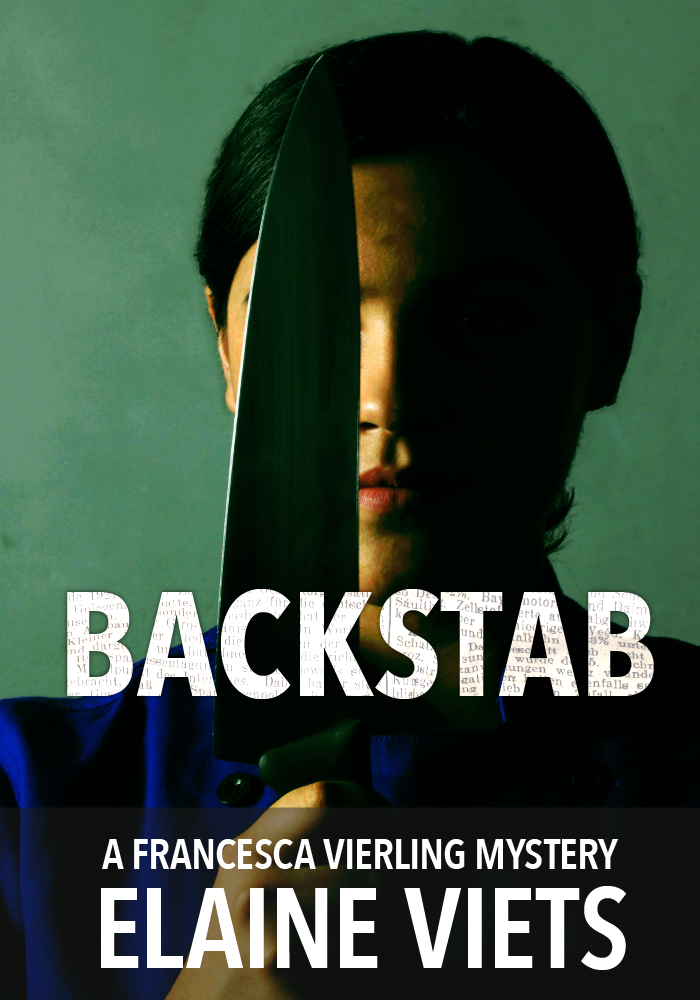
**************************************************************************** Win “Backstab,” Elaine’s first newspaper mystery, reissued as an ebook. Click Contests at www.elaineviets.com
Greetings, readers and writers all! It’s First Page Critique time. Please take a few moments to read the submission, and my critique–then share your thoughts and advice in the comments.
THE PURPLE DOOR
CHAPTER ONE
Christina
Thursday, October 1
For the first time since Christina buried the yellow bag, it was time to check in. She was in no shape for it. She hadn’t slept in two days, maybe longer, and the Storm was here.
She stood at one of the windows, the old boarding house creaking in the wind. The Storm poured out of her unwell mind, blurred the pane of glass, blended with the actual, physical storm outside. The leaves on the treetops shook with tethered fury, and lightning splashed over the street. She looked down over the neighborhood, her ceaseless thoughts flowing out into the raindrops watering the ground.
So much had happened in a month, most of it bad. But she’d found something unexpected at the Purple Door. This attic room had become home.
She’d made herself a nest. Up in this high-raftered roost, working on the mural and listening to her records as loud as she wanted, talking to Adam until the sun came up, this place was her whole world. Everything and everyone she needed was here… and all the little things she didn’t need, she’d buried.
She was going to stay right here. So she had to pass this phone call.
Christina dropped the curtain on her faint reflection in the glass, a flash of long blond hair. She had to be ready. She began to pace, staring into the fathomless black face of her phone until it lit up in her hand:
“DAD”
The name leapt off the screen in all caps, a visual shock. It was a trick she used in order to focus, now that the crazy thoughts her meds used to kill were back in bloom.
She’d buried her pills, and several other problematic artifacts, in little holes around the boarding house. In the back yard, a gauzy yellow bag that used to shimmer in the light was now stuffed with tablets of lithium, lamictal, and clozapine, and sealed underground with three feet of dirt. She was up here without a net.
________
Let’s start this party with a quote from William Howard Taft, 27th President of the United States, and 10thChief Justice of the United States:
Don’t write so that you can be understood, write so that you can’t be misunderstood.
This is a big deal when it comes to writing (or speaking), and it’s uniquely critical when a writer is creating a fictional world for the reader. If the reader feels unbalanced by the prose, or more confused than fascinated, the writer may lose them. Below I’ll discuss how this is relevant.
There’s so very much to like about this submission, The Purple Door.
–Christina is a vibrant protagonist. She’s a person of strong will and motivation.
–Dreamlike imagery
–Precise language
-Compelling portrait of a young woman with brain differences
“For the first time since Christina buried the yellow bag, it was time to check in. She was in no shape for it. She hadn’t slept in two days, maybe longer, and the Storm was here.
She stood at one of the windows, the old boarding house creaking in the wind. The Storm poured out of her unwell mind, blurred the pane of glass, blended with the actual, physical storm outside. The leaves on the treetops shook with tethered fury, and lightning splashed over the street. She looked down over the neighborhood, her ceaseless thoughts flowing out into the raindrops watering the ground.”
The first thing I imagined when I read this opening was that Christina was either a witch or a superhero who was maybe checking in with her handler. I had no clear idea what kind of this story was. Call me overly literal, but I cannot lie.
The second paragraph, about the Storm, definitely has a supernatural feel. Now, I understand that the drug combination at the end of the piece implies that our protagonist has psychiatric issues that present her with some spectacularly trippy, mind-blowing experiences. And there’s room for them in the story. Maybe just not right off the bat. Don’t give the reader dessert before the meal. UNLESS you’re going to start out with a hugely damaging or significant psychotic episode as the novel’s opening gambit. But that’s not happening here.
I’d like to see the piece start out with the bold facts, and resist being coy. Always resist coy.
Suggestion:
Exactly one week ago, Christina had used a rusted hand spade to bury her pills, and other problematic artifacts, in deep holes around the backyard of the boarding house. A gauzy yellow drawstring bag that used to shimmer in the light now lay hidden three feet underground, stuffed with what was left of her lithium, lamictal, and clozapine tablets. They were down there, which meant she was up here, living without a net.
We immediately know who Christina is, and the battle she’s fighting in her brain. It’s a fierce beast. Sure, she has to get by DAD, but he is a secondary foe. No doubt he’s one of many she’ll encounter over the course of the book. The real beast—that brings her both burdens and strange gifts—will be with her all her life.
With that in mind, it’s okay to go on and show us Christina’s current sleepless, exhausted, nervous state. If you’re going to go with a visual of the Storm she experiences as she looks out the window, be straight about it. She knows it’s not real, but she’s also experiencing it. Let the reader know, too.
Now she stood in the darkness, looking out the window, phone in hand, waiting for her father to call. It was time to check in. Time to convince him that she was doing just fine on her own. Except, she felt the Storm in her head coming on. It blurred the pane of glass, blended with the real rainstorm lashing the outside of the old house. The topmost leaves of the trees shook with tethered fury… [continue as written]
I very much like the imagery in this section. The splashing lightning made me hesitate, but I think it works.
As far as I’m concerned, the rest of the page works fine—as long as the burying of the pills moves to the beginning. Two minor points:
–Remove the ellipses in the fourth paragraph and replace with a comma, or begin a new sentence.
–Does she really think of her thoughts as “crazy thoughts?” [penultimate paragraph] One of the implications of not being on the drugs appears to be that she feels like herself. It brings into question the concept of normalcy—something that is certainly debatable.
One more significant suggestion. After the first paragraph, try switching to the present tense. Not everyone is a fan, but just try it. It offers an immediacy that I think is appropriate to the subject.
Now she stands in the darkness, looking out the window, phone in hand, waiting for her father to call. It’s time to check in.
Sally forth, Brave Author. This is a terrific story!





 You’ve just been arrested for murdering your neighbor in the exact same way as the victim died in the last thriller you read.

 Imagine yourself in a prison visiting room, with a petition of plexiglass between you and a fictional villain.