About Kathryn Lilley

A crime writer, former journalist, and author of IMBA-bestselling mystery series, The Fat City Mysteries. She lives in Los Angeles with her husband and two neurotic cats. http://www.kathrynlilley.com/

Contagion II: Zika Virus Pushes Us Into The Realm of Science Fiction

By Kathryn Lilley

image

Another year, another virus panic. Last year the news media were sounding the alarm bells about the Ebola virus. This year, we’re slowly ratcheting up toward a full-blown freak-out about the Zika virus. Compared to Ebola, Zika is a milder, gentler virus, but its implications for humanity may be much more serious.

ZIka virus, which is spread by mosquitos, causes a mild fever or rash in most people who become infected. Pregnant women who are exposed to Zika, however, can give birth to newborns suffering microcephaly–abnormally small heads and underdeveloped brains. There is no vaccine for Zika virus, and no reliable prevention method (except to avoid getting bitten by mosquitos).

US health officials recently advised women who are pregnant to avoid traveling to 22 countries where the virus is already circulating. The travel warnings include many popular tourist destinations: Mexico, Puerto Rico, parts of the Carribbean (Barbados, Martinique, Saint Martin), and most notably Brazil, where the summer Olympics are to be held. (Nearly 4,000 afflicted babies with malformed heads were born in Brazil in 2015, up from only 150 such births in 2014). According to the World Health Organization, Zika virus is expected to spread to every country in the Americas, except for Canada and Chile. Officials in some countries where Zika virus is present, such as El Salvador, have taken the drastic step of advising women to delay becoming pregnant until at least 2018.

Just don’t get pregnant, ladies. Really? If that’s how officials are responding to this health crisis, then I think we’ve crossed a line into an area known previously only in science fiction. Zika virus is like Contagion meets Children of Men. In Children of Men, the women of earth had  become infertile for some mysterious reason. The rest of the story was a thriller, with a group of people trying to protect the last remaining pregnant woman on earth from the clutches of an evil mob.

Regarding Zika virus, to paraphrase a line from Contagion: “We don’t need to weaponize the virus. The mosquitos are doing it.”

***

Meanwhile, I’m updating my list of medical thrillers to add to my TBR pile. Here are some medical thrillers I’ve already read, and recommend:

GRAY MATTER by Gary Braver (Highly intelligent children are being kidnapped and “harvested” for their brain tissue)

HARVEST, by Tess Gerritsen (another excellent thriller involving an organ harvesting plot)

THE HOT ZONE, Richard Preston (truth is scarier than fiction in this tale of virus hunters tracking down virulent viruses in the lab, and on the ground)

What else? What other medical thrillers should I add to my TBR pile?

http://youtu.be/bdzWcrXVtwg

Writing Note #1: Avoid Creating “Zombie” Characters

Zombie characters

In honor of the new writing year, I’m assembling a personal checklist of “Do’s and Don’ts” to follow. I’ll kick off my list with an issue that always makes me cranky as a reader: the sudden appearance of a “zombie” character.

What is a zombie character?

Zombies are characters that are initially introduced into a story, but then vanish for long stretches. By the time a zombie is abruptly resurrected by the writer (usually without any context or reminder), the reader has forgotten who the zombie character is. The sudden reappearance of a zombie can make a reader feel lost and confused (and probably irritated with the writer).

I encounter zombies frequently in my critique group. I’ll be reading a scene from someone’s draft, for example, and suddenly a minor-sounding character named Bill pops up to contribute a bit of dialogue. There’s no description to remind me who Bill is, nor anybody indication of where he’s been lurking all this time. When I ask the writer who “Bill” is, this is usually how the conversation goes.

Writer: Oh, don’t you remember Bill? I mentioned him six chapters ago. (Writer’s tone implies that her reader has a faulty memory).

Kathryn: No, I’ve long since forgotten your underwritten, generic, and ineptly re-introduced character named “Bill”.

(Okay, I don’t actually say that, because then I would sound cranky).

How to re-introduce a missing character

There are a couple of ways to reintroduce a character who has gone missing, like Bill.

1) If Bill has been “off-camera” briefly within a scene, you can re-focus the reader’s attention on him by using a single sentence. For example, let’s say you have a scene with three characters, and two of them have been having a heated argument. Now you need to re-introduce Bill, who hasn’t said anything so far. This is one way you might do it:

Bill, who’d been listening to us from his unsteady perch on the broken stool, cut in to deliver a verdict. “You’re both wrong,” he said.

2. If Bill has been missing in action for a longer period of time (for several scenes or chapters, for example), you can re-introduce him by reusing a specific attribute or detail that was important to his original characterization. If Bill had messy hair in his first appearance, for example, you can recall that characteristic when he reappears later (i.e., by showing him running his hand through his mane in a failed attempt to pull himself together).

image
Important: For this method to work, a writer must establish vivid, ‘reusable’ characteristics when a character is first introduced into the story. Those details will be reused later, in order to re-establish the character in the reader’s head.

Best Practice: Make your character details specific, vivid, and memorable. Discard trivial, generic details that won’t be reused later.

Question for you: How do you re-introduce MIA characters in your work? As a reader, have you ever had to go back a few pages to remind yourself who a character is?,

It’s Going DOWN The Volcano That Gets You

1Maui-IslandPardon my posting a tad late this morning. I’ve been on quite the journey the past couple of weeks. We were scheduled to go to Maui last month, and we did go–but not before 1) I developed a major flu-like illness,; 2) I developed a severe eye infection that kept me from seeing well, which caused me to 3) fall down a significant flight of stairs, which rendered me black and blue on the left side from head to toe.

It was the head part of the bruising which caused the most consternation, travel-wise. I was forced to wear a low-brimmed hat and sunglasses, otherwise I looked like a domestic abuse victim, and people would be shooting my husband suspicious glances. The facial bruising did come in handy a couple of times, however. When we checked into the Westin 1incognitshutterstock_192787424and were told all the ocean front rooms were booked, I removed my glasses, assumed maximum pathetic expression, and told them I was there to recover and I needed to spend the week looking out at the ocean. We were instantly upgraded to an ocean front suite. (Yes, I’m not above using whatever I can use to get what I want). We spent Thanksgiving seeing an awesome Elvis impersonator performance (he had an excellent voice and physical resemblance to Elvis, right down to the aging King’s paunch).

1brocken-eber-1

Brocken’s Ghost optical effect atop Maui’s volcano

1elvis20140605210535_1967757812_10611_9It turns out that Maui has some very posh urgent care facilities specifically for tourists, called Doctors on Call. I got to know the fine medical professionals there on a first name basis, especially after I made the insane decision to go up (and more importantly, down) the hair-raising ride to Maui’s volcano. The top of the that volcano is one of only three places on earth where you can see an optical effect known as the “Specter of the Brocken,”–which means, you can see your shadow cast on the clouds below, surrounded by a rainbow. (You can also occasionally catch a glimpse of the same effect from an airplane, when the plane casts its shadow on the clouds below. Look for it sometime.)  Seeing that view and surreal, moon-surface landscape was worth the trip, even if I had to pay for the trip by tossing my cookies nonstop for the next eight hours, until Doctors on Call reopened.

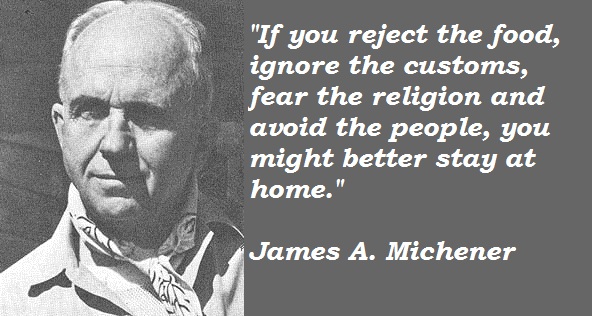
At some point during the trip I felt moved to look into the world of Hawaiian literature, which for practical reasons, includes book about Hawaii. I learned to my dismay that one of my oldie Nancy Drews, MYSTERY ON MAUI, is no longer available in hardback, only e-book now.) (Too bad, too–the hardcover had Nancy sporting a killer Babes On The Beach yellow bathing suit on the cover). Although there are wonderful books available by authors who are actually from Hawaii, my favorite book, and I believe still bestselling book of all time about those islands, remains HAWAII by James Michener. The book is episodic, with each chapter written from a different character’s point of view. The story culminates with a character the writer called “The Golden Man,” a person who is culturally and racially the result of the millenia of immigration to the islands. We met many such Golden People on our trip, 1MauiOceanCenterincluding the man who drove our bus on the volcano drive. He’d grown up in “old Hawaii,” part of a large family that made its living fishing and working in the sugar fields. After a stint in the Army, he’d been transporting tourists on that volcano drive for the past 25 years. And yet still he conveyed a sense of excitement as he described the Hawaiian culture, the history of the gods and tribes that founded human culture on the islands. He was able to convey the current challenges that Maui, and other islands face–threats to native wildlife by the encroachment of development, land prices that have risen from $100 per acre to $1 million in less than one person’s lifetime. Our driver was a mixture of native Hawaiian and some European background. That’s important in Hawaii, because you have to have a minimum percentage of “native” Hawaiian ethnic background in order to qualify for some generous educational and civic opportunities that were set up specifically for Hawaiians by one of the original island queens. Our bus guide was a perfect ambassador for educating visitors about the New Hawaii. I believe he may have been the embodiment of Michener’s “Golden Man.”1James-A.-Michener-Quotes-1

So, have you been traveling during the holidays? Enjoying life at home? Either way, what book or series best represents the place you’re visiting, or the place you call home?

Reader Friday: The Best Little Golden Book of all Time?

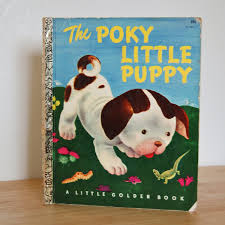
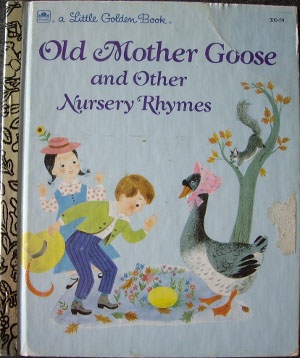
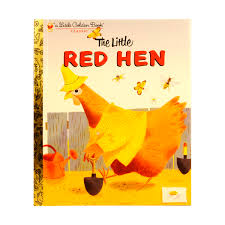
1pokyindexDay before yesterday I stopped into a Barnes & Noble in Maui (where they have an excellent B&N) and discovered that they were running a local holiday fundraiser to support literacy and early readers. At this particular store they were asking customers to choose a Little Golden Book, which would be given away to a young reader. After considerable thought, I chose THE POKY LITTLE PUPPY. But it was a tough call. 1old-mother-gooseMy second choice would have been THE LITTLE RED HEN; but Little Red struck me as a bit of a Huffy Henny when she refused to  share her baked bread with the other farm animals (although she certainly had just cause).

Turns out my fave, THE POKY LITTLE PUPPY, is one of the all-time bestsellers. Here’s a link to a list of some titles of the classic favorites in this series. (By the way, I loved wandering around the children’s books section of that book store. Everywhere I looked, there were  parents and small children engaged in intense, earnest discussions about books and stories.

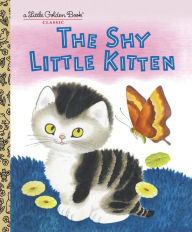
1shykitten01450_p0_v2_s192x300Let’s all resolve to patronize physical bookstores as much as possible in 2016. They are so incredibly  valuable as venues for introducing children to the magical world of reading!)

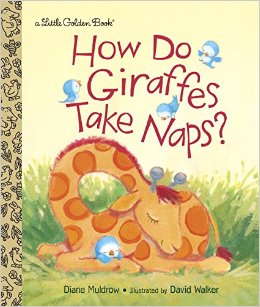
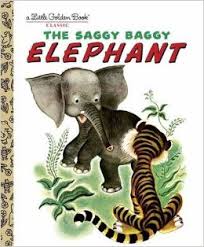
Which Little Golden Book would you choose to give to a tiny reader, to best introduce them to the magical world of books and reading?1fourpuppiesIMSaL._SX258_BO1,204,203,200_1giraffesBO1,204,203,200_1redhenimages

1saggyindex


Reader Friday: The Best “Bond Girl”?

Last week, we polled TKZers about which actor best portrayed Ian Fleming’s James Bond character. In the interest of equal gender-time, today let’s say who we think played the best Bond Girl. (Although I choke on the word “girl.” But it is what it is, as they say.) This was a tough assignment–turns out there have been about a bazillion Bond Girls–the Good, the Bad, and the Very Good When They’re Very Bad. I’ve only skimmed the surface of some of the better known Bond Girls in this post. Add your nominations for any I missed in the Comments.

Have at it!

Dr. No

Dr. No had almost too many Bond gals to keep track of. Here are some of the top Bondesses.

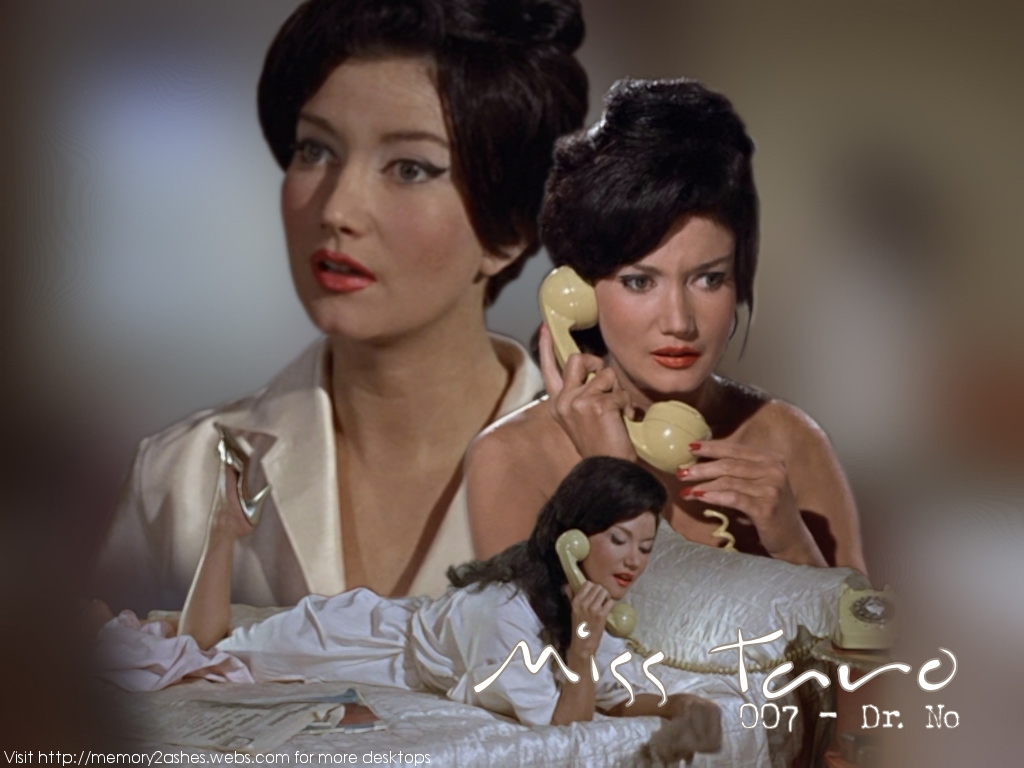
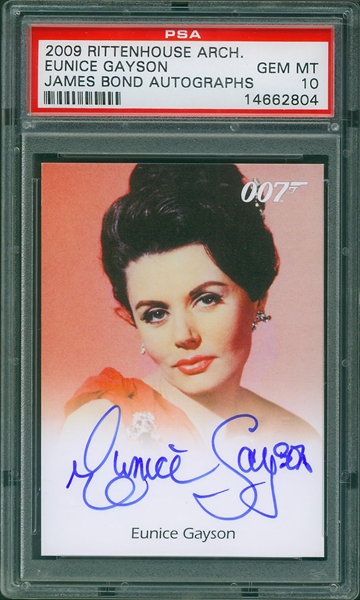
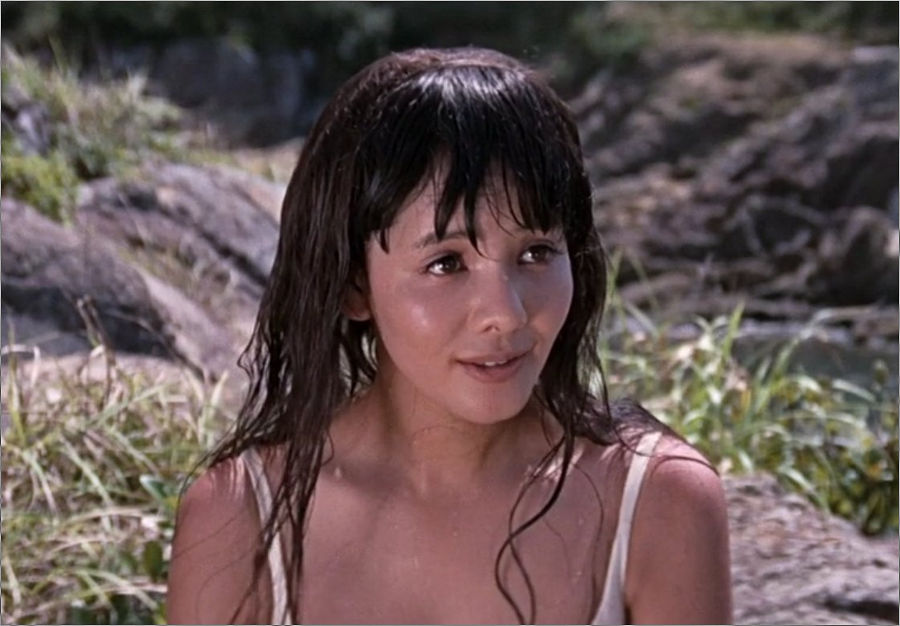
I mean, come on. Can anything beat Ursula Andress emerging from the waves as Honey Ryder in Dr. No? (Well, maybe Bo Derek topped that Venus rising moment in Ten, but as a non-Bondess, Bo doesn’t count.) Eunice Gayson (as Sylva Trench) also appeared in Dr. No and several other Bond films. She is famous for introducing herself to Bond as “Trench. Sylvia Trench.” Bond picked up that intro line and made it his mocking trademark way of introducing himself. Zena Marshall also appeared in that film as Miss Taro, Evil Spy Extraordinaire.

1Ursula-Andress-dr-no

1miss_taro__zena_marshall__from__dr__no__by_memory2ashes-d6i1ry71zjbeg

From Russia With Love

Daniela Bianchi, hot Russian chick turned reluctant spy “Tatiana Romanova”, who winds up falling for Bond. What could be more fun?

1d41MtI0GrbZL._SX300_

Goldfinger

Pussy Galore, Goldfinger, you get the idea. Played by Honor Blackman. “Jill Masterson”, played by Shirley Eaton, also played a doomed Bondess in the film. She died Midas-like, covered in gold paint.

1honor024.bond.honor.mh.100212

141Us2xC9XDL._SX300_


Thunderball

Claudine Auger played Domino Derval, mistress of an evil SPECTRE agent.

!thunder5d4b1e2c63ebf17467e60111cf16d55a

You Only Live Twice

Mie Hama played Kissy Suzuki, who had a mock wedding with Bond during the film.

1kissy-suzuki

On Her Majesty’s Secret Service

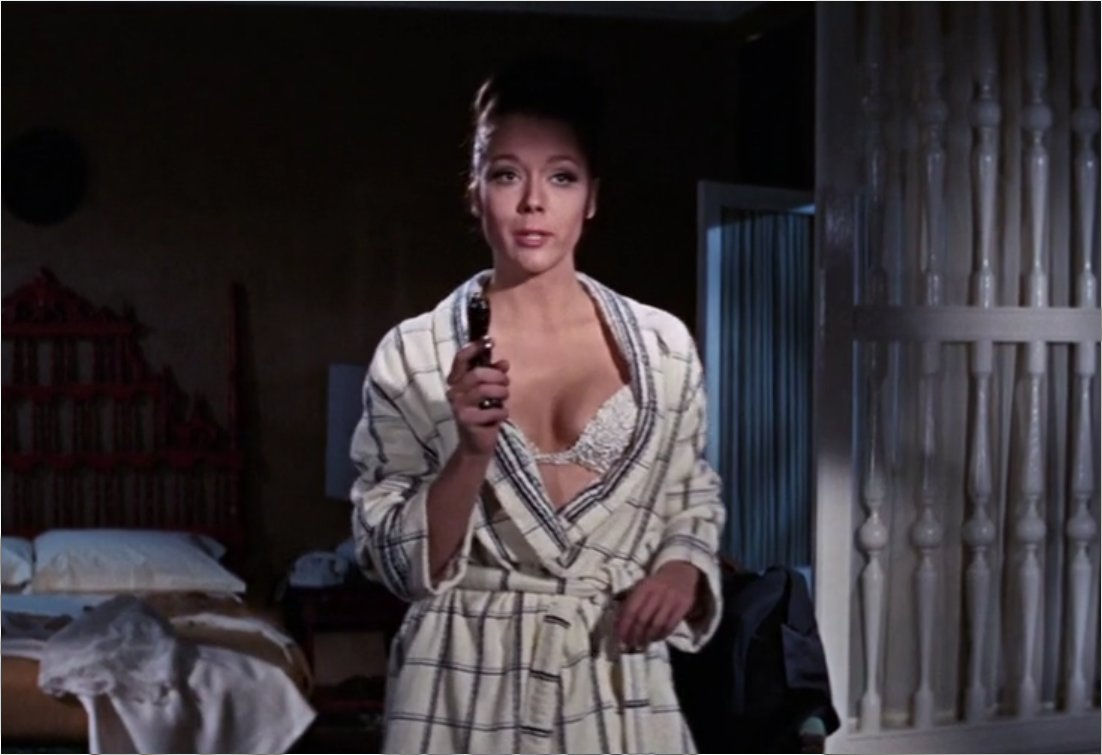
James Bond fell in love with Teresa di Vicenso, played by Diana Rigg in this film. Can you blame him?1dianatracy-di-vicenzo


Diamonds Are Forever

Jill St. John played Tiffany Case, a diamond smuggler. And Trina Parks played judo Bondess Thumper. Wowzer.

1Jill-St-John

1thumper-trina-parks


Seriously, there are so many Bond Girls, I can’t profile all of them in one shot. Here are some other notable Bond Girls:

Britt Ekland as Mary Goodnight in The Man With The Golden Gun.

Barbara Bach as Anya Amasova in The Spy Who Loved Me.

Lois Chiles as Holly Goodhead (!) in Moonraker.

Maud Adams as Octopussy in Octopussy.

Grace Jones as May Day in A View To A Kill.

Izabella Scorupco as Natalya Simonova in Goldeneye.

Teri Hatcher as Paris Carver in Tomorrow Never Dies.

Halle Berry as Jinx in Die Another Day.1halleGiacinta-Jinx-Johnson1


Last but not least, we have a character who didn’t get a name; she was simply called “Bond’s lover” in Skyfall, played by Tonia Sotiropoulou. I guess people were too busy freaking out about James Bond as a blond to give her character an actual name. Bond Girls nowadays need to “lean in” and get some better stature in Hollywood, I’m thinking.1bondgirlimages

Phew! There are many, many more Bond Girls in films that aren’t mentioned here. Are any of these your favorite, or is it one that I missed? Now let’s all go over to Netflix and binge out watching Bond flicks. Happy Friday!

What a Critique Group Can…and Cannot…Do For You

Shutterstock photo purchased by Kathryn Lilley TKZ

Shutterstock photo purchased by Kathryn Lilley TKZ

Today, we’re pleased to welcome editor and writer Debbie Burke back to TKZ.

by Debbie Burke

Critique groups are invaluable, if not essential, to the serious author. But they may not provide all the answers a writer needs. First, though, let’s talk about their benefits.

What are critique group strengths?    

Support – A CG provides much-needed camaraderie in this oft-lonely business. They throw us a lifeline when we get discouraged, nag us when we’re slacking off, and lend a shoulder to cry on when we receive rejections. They serve as our cheerleaders, therapists, and comrades in the trenches. They’re the first ones to open champagne for our successes. CG members are not only writing colleagues, they often become close friends. We develop a high level of trust and respect for each other, both professionally and personally.

Brainstorming – Here, critique groups really shine. If two heads are better than one, six or eight heads are exponentially better at throwing out suggestions. Feeding off each others energies and ideas, CGs solve many dilemmas that stymy a writer. I can’t count the number of dead ends CGs helped me work through.

Accountability – CGs exert pressure, either subtle or overt, to produce a certain number of pages for each session. They act as a de facto deadline for writers who don’t yet have an editor or agent breathing down their neck. If you show up empty-handed, you’re not meeting your obligation. Dozens of times, I’ve heard writers say, “I wouldn’t have written anything this week, except I needed to submit to the group.”

What are some CG limitations?

Diagnosis – CGs generally do a good job of homing in on a manuscript’s weak spots. If two or more people mark the same passage, you should pay attention. But while they recognize there is a problem, they can’t always diagnose exactly what it is or how to fix it. If CG suggestions don’t help enough, consultation with a developmental editor may be worthwhile.

Overlapping relationships – CG friendships may cloud our judgment of the story. A member of my group, psychologist Ann Minnett (author of Burden of Breath and Serita’s Shelf Life) recently offered a perceptive observation: “When I read A’s chapter, I hear her voice and accent. When I read B’s chapter, I think of her sense of humor, and can’t help but laugh.”

Which made me wonder…Does your CG like your story or do they like you?

When you’re face-to-face with your friends, you hear her charming British accent, see his playful wink. However, when a book is published, most readers will never meet the author, meaning the words must shoulder all the work. They need to be effective by themselves, without explanation or amplification.

Here is where online CGs might give a clearer, more “book-like” perspective. Without personal, visual, or auditory cues, their effort focuses entirely on the words.

Time constraints – My CG meets every two weeks, submitting 15-20 pages per session. At that rate, reviewing a novel-length manuscript takes six months to a year. By the time the group reaches the climactic chapter on page 365, no one remembers a subtle, but important, clue on page 48 that set up the surprise twist. This piecemeal approach is the most vexing limitation I’ve experienced with CGs.

Micro vs. Macro View – A corollary to the time constraint problem is the micro view by a CG. They examine your 20 pages per week and help polish each passage till it shines. When you string all these perfect chapters together, the resulting book should be excellent. Right?

Not necessarily. Close examination under the CG microscope may not adequately address global issues of plot development, pace, and momentum that require a macro view from an airplane.

At this point, beta readers or a professional editor may be more useful than a CG to determine how well the overall scope of your novel works.

Objectivity – Your CG works for months or years on a manuscript. They are mindful of the original draft and every subsequent rewrite. They help you build the story and become almost as vested as you are. But, like you, they’ve grown too close to the novel. Even if they beta-read the whole book, they may subconsciously insert things from earlier drafts that you later cut. They might not realize the missing part is missing.

At what point do you need to move beyond the critique group?

In my experience, CGs are probably most helpful for a work in progress. They provide invaluable suggestions to get you out of corners. They catch typos, misspellings, word choice goofs, and awkward phrasing. They tell you if characters are flat and boring or ridiculously over-the-top. They pull you out of the ditch and keep you moving forward.

After your CG has reviewed at least one complete draft, and you’ve incorporated their feedback, suggestions, and polishing, now it’s time to find beta readers and/or a professional editor. In fairness, you should submit a draft that’s as clean and error-free as possible. Beta readers or editors shouldn’t spend time line-editing when what you’re really seeking is the Big Picture. The cleaner the draft, the more their efforts can be focused on important issues.

Depending on how extensive the rewrite needs to be, you may want to run the revision draft through your CG one more time to ensure you’ve achieved improvements suggested by betas and/or editors.

Critique groups can be a writer’s best friend. By understanding both their strengths and limitations, you’ll receive maximum benefit from them.

How about you, TKZers? What is most helpful about your critique group?  What are the biggest limitations?

IMG_2585(1)Debbie Burke has participated in critique groups for more than twenty-five years. She credits critique buddies with keeping her sane (almost).

Reader Friday: Who Was The Best James Bond?

The buzz for the Oscars 2016 is just getting started (Will a blockbuster make the cut? Will Leonardo DiCaprio finally break his Curse?). Let’s set the mood by focusing on one of the  all-time great characters in cinema and popular literature: Ian Fleming’s James Bond.
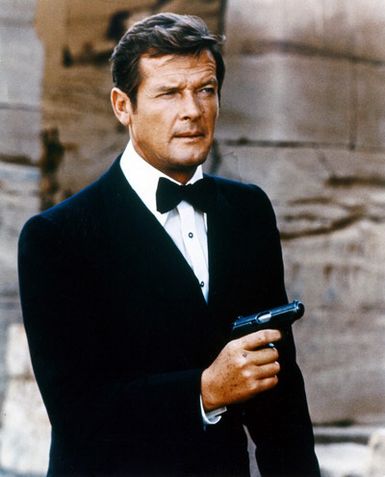
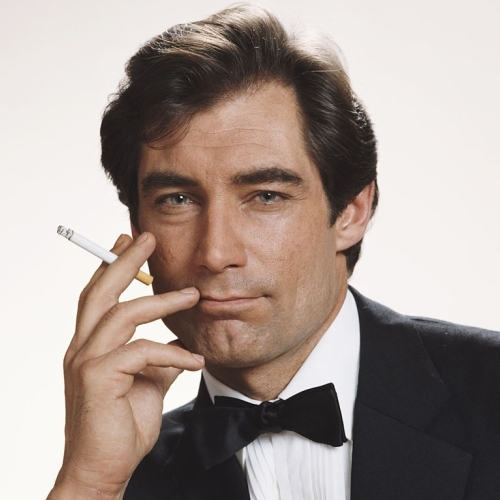
Which actor gets your vote for “Best James Bond of All Time”?

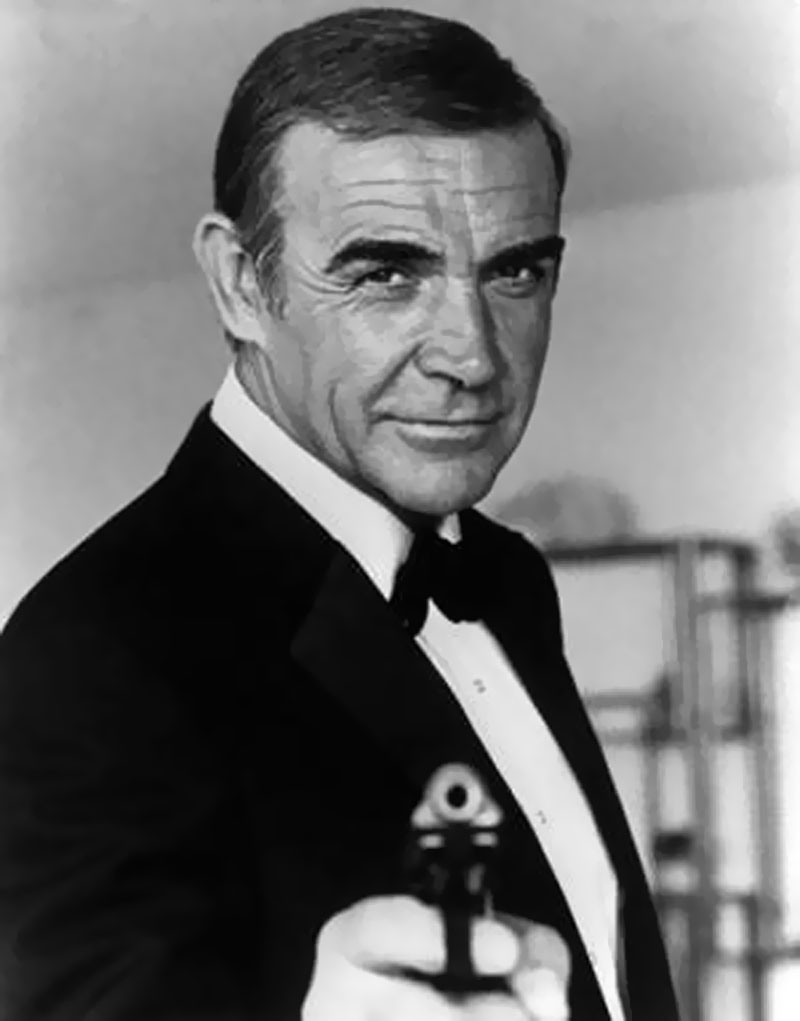
Sean Connery

Starting with Dr. No in 1962, Connery established James Bond’s character in the public imagination. He played Bond in seven films overall.

1Sean-Connery-as-James-Bond

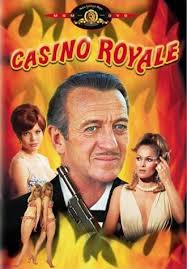
David Niven

Niven was Ian Fleming’s first choice to play Bond. Niven played an aging  Bond in Casino Royale (after Sean Connery turned down the role).

1davidnivenimages


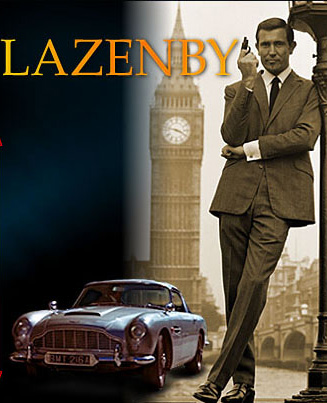
George Lazenby

George Lazenby received mixed reviews for his one performance as James Bond.  The actor seemed to have second thoughts about the character as well. He quit the role before the release of the film, On Her Majesty’s Secret Service. 1George_Lazenby_London


Roger Moore

Roger Moore, played Bond as a somewhat comedic, debonair gentleman. Starting with Live and Let Die in 1973, Moore played Bond in seven films.

1rogermooreliveandletdie


Timothy Dalton

As played by actor Timothy Dalton, the character of James Bond took on ruthless and dark characteristics. His version never caught fire with moviegoers, however. He played Bond in two films.1timJames_Bond_(Timothy_Dalton)_-_Profile


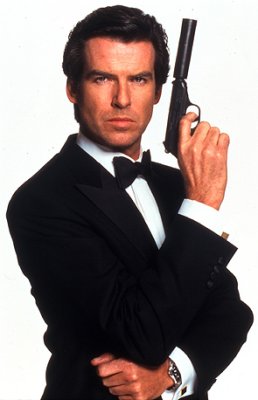
Pierce Brosnan

Pierce Brosnan’s Bond recaptured the elegance and wit of the Moore era. He played Bond in four films.

1pierceGEJamesBond4


Daniel Craig

Daniel Craig is the current incarnation of James Bond; his is widely considered to be one of the most authentic portrayals of Ian Fleming’s characters–emphasizing strength over suaveness. 1danmen james bond actors daniel craig tuxedo 1920x1080 wallpaper_wallpaperswa.com_97


Your favorite Bond?

Which incarnation of Bond is your all-time favorite? Let us know in the Comments!

Writing and Publishing Links Roundup for Week of 11/3

Shutterstock photo purchased by TKZHere’s a links roundup for some recent, interesting articles about writing and the publishing biz. (Link texts follow the hyperlinks). Enjoy reading!

(PW) The Best Books of 2015:
http://best-books.publishersweekly.com/pw/best-books/2015

(PBS) Three Lessons on Writing from J.K. Rowling
http://www.pbs.org/newshour/rundown/j-k-rowlings-lessons-writing/#.Vjh9ku-_TQk.twitter

(Writers in the Storm blog via WD) Query Letters Pet Peeves (by Agents)
https://writersinthestorm.wordpress.com/2014/01/03/query-letter-pet-peeves-agents-speak/

(PW) How to build an author’s platform through email lists
http://www.publishersweekly.com/pw/by-topic/authors/pw-select/article/68469-how-to-build-an-author-platform-through-email-lists.html?utm_content=buffera6df3&utm_medium=social&utm_source=twitter.com&utm_campaign=buffer

(NYT) Russia: Librarian accused of allowing access to banned books
http://nyti.ms/1Pi1UpF

(PW) How to get Self-published books into stores and libraries
http://www.publishersweekly.com/pw/by-topic/authors/pw-select/article/68467-how-to-get-self-published-books-into-stores-and-libraries.html

(PW) Want to Succeed in Self-publishing? Tips from an Indie Author (Tony Rich)
http://tinyurl.com/q48o5rr

How about you? In the Comments, please let us know about any interesting articles to add to our list. Thanks!