By PJ Parrish
Hello crime dogs! Today’s offering from one of our brave contributors doesn’t have a title but it does have things to teach us. Thank you, writer, for letting us share your work. My comments follow and I hope you will all weigh in.
PROLOGUE
BARRY MARSHALL
I’ve been a police detective for six years. One thing this job teaches you is that nobody is really what they pretend to be. It’s a lesson you learn over and over — and that changes you. With this case, the learning was crippling. I’d like to say it changed me for the better, but that would be a lie…
Chapter 1
TEMPLE LAKE PA
Temple, Texas
Friday, March 6th, 4:10 P.M.
The mint-green Mini Cooper sat in the parking lot about fifty feet from the shoreline of Lake Belton. Inside the car, the young couple kissed and fondled each other. Neither of them saw the man slink toward their car from behind the stand of cedar trees. Nor did they know death was coming with him.
The young man pulled back when he heard someone whistling a tune. His arm slid off her. His head cocked to one side, listening.
“What is it?” Her brow furrowed as she brushed a tendril of hair off her forehead.
“Shhh.” He held up a finger. “Listen.”
He wiped the condensation off the driver’s side window using his sleeve. A glance outside. Nothing.
“I don’t hear anything,” she whispered.
A few moments of dead silence passed, broken only by the faint whirring of an outboard motor in the distance.
“Humph.” He shrugged. “Thought I heard somebody whistling.”
“C’mere,” she said, pulling his head over to her. “I got something that’ll make you whistle.”
The back end of the car began rocking up and down. Slow at first, then faster.
“Who’s doing that?” the driver asked. He looked out his side window, then hers, as if he could actually see anything through the steamed-up window.
The rocking stopped.
He twisted his body to look out the rear window, but it was no clearer than the others.
The rocking started again.
“Okay, that’s it.” He pushed open the door and crawled out.
She hugged herself as chilly air flooded the inside of the car.
He yelled, “What the hell, man?”
A loud grunt, followed by a thud. The car shook for a split second.
The young woman’s eyes widened. She leaned toward the driver’s seat and peered out the open door.
“Jerome?”
A couple of seconds passed. A gurgling sound reached her ears.
She shouted his name louder. “Jerome?”
Dead silence.
_________________________
Back to me again. I’m guessing that a lot of you are way ahead of me on this one, because if you are regular here, you are well-versed in the gospel according to James et al about picking a point of view and staying with it to establish that vital reader-writer bond. So what is the main issue with this opening? (Forget the prologue. We’ll deal with that in a second. Focus for now on the main action between the two lovers).
It has no point of view. Well, actually it has three, count ’em, three. (Four if you count the prologue). The opening graph is omniscient POV with the writer hovering above the car and TELLING us what is happening below in the car. And we have these two lines: “Neither of them saw the man slink toward their car from behind the stand of cedar trees. Nor did they know death was coming with him.”
Lots of problems here, right? First, omniscient POV is quaint. It was a mainstay of 19th century fiction and rears its grizzled head in some modern literary stuff. But it doesn’t work in today’s crime genre where there is an expectation of creating a bond between character and reader quickly and cleanly. And then there’s that hoary device of “Little did they know what awaited them…” These victims can’t know what they don’t know. They can’t SEE the cedar trees or the slinking man. They can’t know death is coming for them.
You don’t need this false foreshadowing, dear writer. Use your power of description to create a mood of impending horror, doom, intrigue, whatever you’re trying for here. But don’t TELL us death is coming. SHOW US. Make us feel it. You really need more description in this opening, not just to establish where we are but to make us feel a mounting sense of suspense. I don’t know why some writers stint on description in their openings. Maybe they feel it will slow things down? It doesn’t if it is evocative and fuels the intrigue. (Tip to writer: Go read Poe’s essay on the unity of effect.)
But omniscient POV isn’t the only issue here. After that, the writer moves into the man’s POV as he hears a sound and feels the rocking. And after he exits the car, we slide into the woman’s POV as she hugs herself and cries out Jerome’s name. This is called head-hopping. This is not good. Why? Because we don’t know whose story this is. I suspect what we are getting with this opening scene is a set-up and these two die. The next chapter might be the true protag then dealing with the aftermath, be it a cop, detective or someone who then has to begin facing the challenge and conflict of whatever this story is about.
And that leads us to yet another issue I have with this opening. It isn’t very fresh. Outside of the terrifying lovers-at-the-lake scene in Zodiac, this scenario is a cliche. Such set-ups are so corny that they were lampooned in a 1999 movie called Lover’s Lane. (“There’s no such thing as safe sex!”). And how many of us growing up heard the “true” story about the hook-handed mental patient escapee who murdered teens making out in the woods but one couple didn’t realize they had narrowly escaped doom until they got home and saw…wait for it…a hook hanging off the car door! But I digress…
In today’s sophisticated and crowded crime fiction market, you can’t get attention with old chestnut plots, especially about serial killers. Maybe there is a way to make a lover’s lane murderer feel fresh but I wouldn’t want to try it. It is true that crime fiction is dependent on formula and there are only so many variations on plots. But I have to go back to something I heard an agent say once about how she is always looking for freshness within the formula: Say something unique or say something uniquely.
Some other quibbles here: I really really really don’t like prologues. Why? Because nine times out of ten, they are just throat-clearing, or evidence that the writer has not figured out how to grab the reader legitimately so he/she tacks on a preamble teaser. (Caveat, I have seen good prologues that really work, so I am not blindly biased, just burned by bad examples). I am not sure what this prologue is trying to do. Is it introducing the protag Barry Marshall? If so, I’m not intrigued. I’d rather meet Barry the detective on the job, maybe looking at the bloody hook hanging on the car door. (Just kidding!) If Marshall is the protag, find a way, dear writer, to SHOW HIM in action at what James here calls a critical moment of disruption. Don’t let our first encounter with your hero be a paragraph of navel-gazing. Yes, I get that Marshall is damaged in some way — what he learned was “crippling” — but get your story moving first and then let us learn about Marshall’s damage through the action of the story. Don’t TELL us he is in pain — SHOW us. How? Via his reactions to the case, via his interactions with other characters, via his own arc over the story, via his thoughts as they relate to the ongoing action. This is what I meant in my comments about point of view: Your job as a writer is to make us feel Marshall as a human being and bond with him.
But…
Here’s the thing like about this submission — the potential implied in the protagonist. I am somewhat intrigued by Marshall by this teaser. I have a feeling that he’s an interesting protag with a powerful story to tell. Something happened to this man to leave scars. That’s always good. But it is your job, writer, to pull us deep into his soul and make us care about his journey. Because it’s never about the dead. It’s about the living.
And while we’re talking about Marshall — is this story in first person or third? If I were you, I’d pick one and stick with it. Switching between first and third can be very effective but you really have to be in control of your craft to pull it off. Don’t juggle with chain saws until you’ve mastered bowling pins.
That’s it for general comments. Here’s my Track Changes edits if you want more.
PROLOGUE
BARRY MARSHALL If you have a chapter from his POV find a way to insert his name into the text. Even Sue Grafton, who starts out nearly every story with “My name is Kinsey Millhone…” finds a way to make this feel graceful.
I’ve been a police detective for six years. One thing this job teaches you is that nobody is really what they pretend to be. It’s a lesson you learn over and over — and that changes you. With this case, the learning was crippling. I’d like to say it changed me for the better, but that would be a lie…
Chapter 1
TEMPLE LAKE PA
Temple, Texas
Friday, March 6th, 4:10 P.M. Why do you need this time/place tag? One of my pet peeves is the overuse of this device because it usually indicated the writer can’t figure out a graceful way to integrate this info into the narrative flow. And are we in Pennsylvania or Texas?
The mint-green Mini Cooper sat in the parking lot about fifty feet from the shoreline of Lake Belton. Inside the car, the young couple kissed and fondled each other. Neither of them saw the man slink toward their car from behind the stand of cedar trees. Nor did they know death was coming with him. Get out of the way of your story, writer.
The young man pulled back when he heard someone whistling a tune. His arm slid off her. His head cocked to one side, listening.
“What is it?” Her brow furrowed as she brushed a tendril of hair off her forehead.
“Shhh.” He held up a finger. “Listen.”
He wiped the condensation off the driver’s side window using his sleeve. A glance outside. Nothing. Missed opportunity to show us the surroundings, just a little. You can use this moment to even tell us where we are…He had been coming to Belton Lake since he was ten, the year his family had moved to Texas. It had always been a place of barbecues and tubing until he grew older and realized its shadowed pine coves were the best places in the little town of Temple to bring girls to make out. Now, as he looked out into the window, the trees moving in the wind, seemed to be alive. (That’s bad but you get the idea!)
“I don’t hear anything,” she whispered.
A few moments of dead silence this doesn’t cut it as suspense. passed, broken only by the faint whirring of an outboard motor in the distance.
“Humph.” He shrugged. “Thought I heard somebody whistling.”
“C’mere,” she said, pulling his head over to her. “I got something that’ll make you whistle.” Can you find a way to insert her name?
The back end of the car began rocking up and down. Put this in his sensibilities. Slow at first, then faster.
“Who’s doing that?” the driver asked. The driver? He’s not driving. He looked out his side window, then hers, as if he could actually see anything through the steamed-up window. There’s a slight problem here. It’s 4 in the afternoon. The sun is probably nice and bright, starting to come in at a slant. No way could he not see anything, even with steamy windows. Change the scene to night?
The rocking stopped.
He twisted his body to look out the rear window, but it was no clearer than the others.
The rocking started again.
“Okay, that’s it.” He pushed open the door and crawled got out.
She hugged herself Rut-Roh…POV whiplash. as chilly air flooded what time of year is it? I was thinking summer but it’s chilly at 4 p.m.? the inside of the car.
He yelled, “What the hell, man?”
A loud grunt, followed by a thud. The car shook for a split second.
The young woman’s eyes widened. She leaned toward the driver’s seat and peered out the open door.
“Jerome?”
A couple of seconds passed. A gurgling sound reached her ears. She heard…
She shouted his name louder. “Jerome?”
Dead silence. This is a cliche. Too many others before you have used it so it is devalued as an attempt to inject suspense. It is just silence. And if you have made the scene creepy enough, by building in tension with good description (you’re too spare on that account!) you don’t need this.


 As a reader, I graduated from Farley to Dick Francis, the famous British author whose career began with horse racing mysteries. In school, the only thing I truly loved, and consequently excelled at, was literature and creative writing. My extracurricular activities centered on horseback riding.
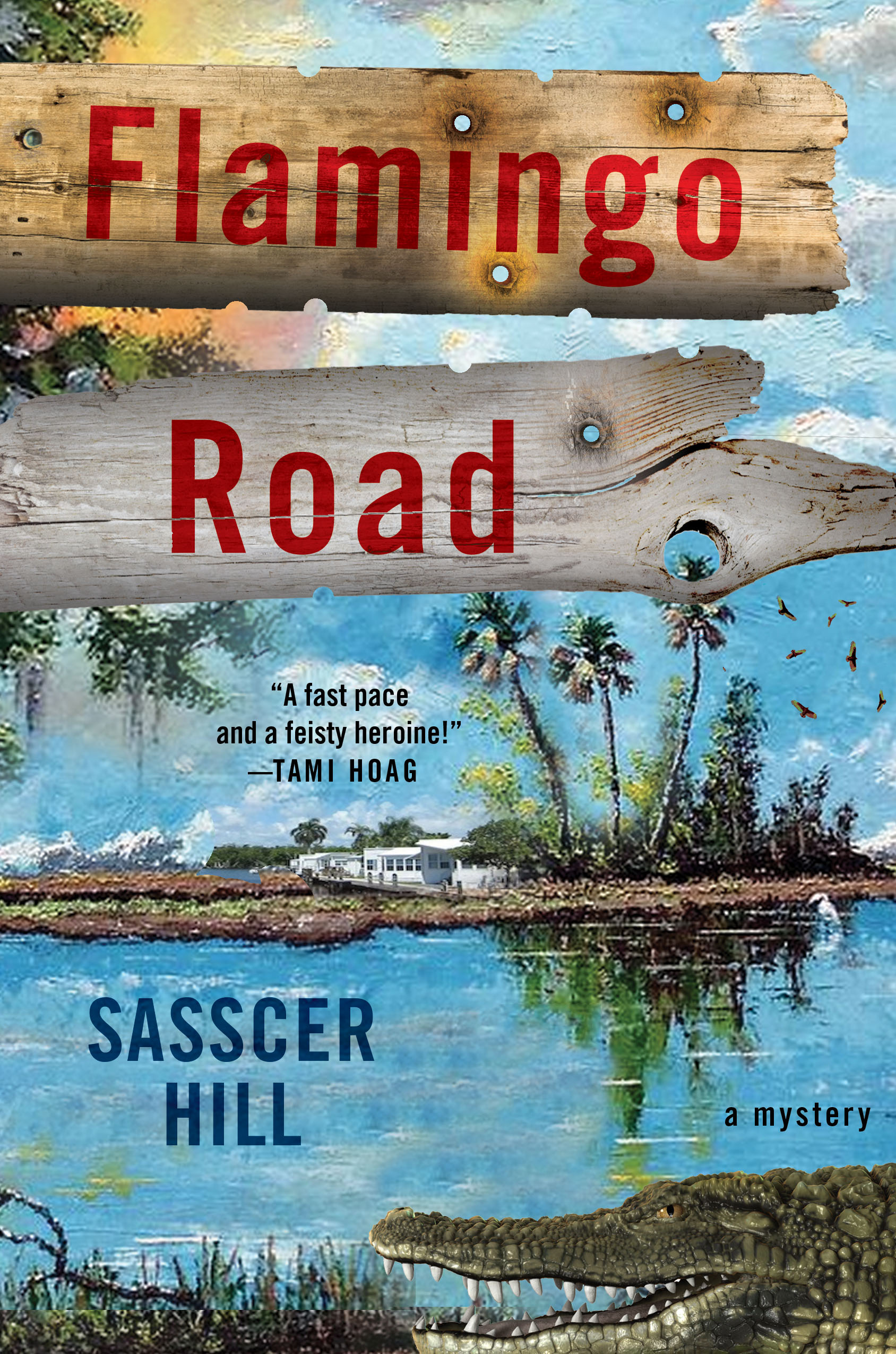 Lacking craft, that first novel wasn’t too competent and still hides in a drawer where, I fear, it belongs. I knew nothing about plotting, and had no idea was a story arc was. So I took mystery classes at Maryland’s Bethesda writer’s center where I wrote Full Mortality, the first of four Nikki Latrelle books. The novel was published and garnered nominations for both Agatha and Macavity best first book awards. Several years of hard work and a new agent later, I finished the first in the Fia McKee series and landed a two-book contract with St. Martins. The first in this series, Flamingo Road, will appear on April 18. If adult mystery-thriller readers like the novel half as much as the kids who still love the Black Stallion books, it will be one of the greatest events of my life. If you’re interested in the best horse racing tips there are hundreds of useful websites to help you out!