Is Our Writing Culture In Mortal Danger? Part I

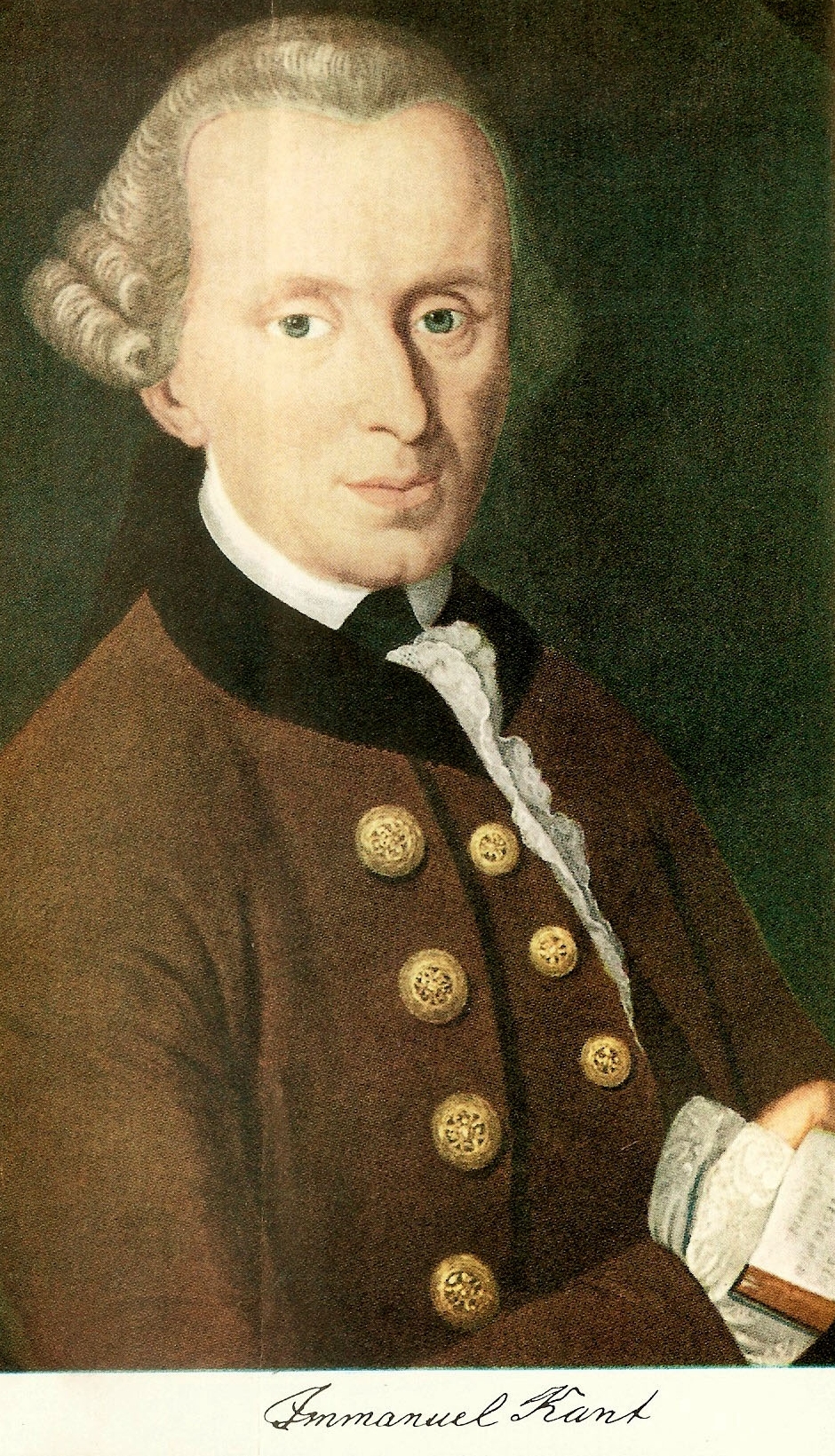
Kant_fotoThe philosopher Immanuel Kant was sipping his morning coffee one day, reading the philosopher David Hume. That’s what philosophers used to do––drink coffee and read each other’s work.

At some point, Kant slammed his mug down with a great thunk, for what he was reading was an outright challenge to the whole enterprise of philosophy. Hume, the great skeptic, was saying, in effect, “Dudes, you can’t really know anything. Deal with it.”

Kant would later write that this provocation awakened him from his “dogmatic slumber.” He had to answer! So he went out and wrote one of the towering works of all Western philosophy, The Critique of Pure Reason.

I was thinking about good ol’ Immanuel the other morning as I quaffed my own warm brew. I’d traveled over to that great writing blog Writer Unboxed to read a post by my friend Porter Anderson. Porter is one of the more astute observers of the publishing scene.MwNaNqJY_400x400 You can and should check out his work here.

This day Porter pulled a Hume on me. Like the Scottish skeptic, Porter has doubts. They are somewhat evident in the title of his post: The Dreaded Training Debate: What If It Can’t Be Taught? By “it” Porter means the art and craft of writing fiction. Since I am one of those who believe it can be, he definitely had my attention.

There is a lot of material in Porter’s wide-ranging and expressive rant. He challenges the notion that it’s the best time on Earth to be a writer, suggests a definition of writing “success” that seems to me too restrictive, and intimates that “better books” and indeed our “writerly culture” itself may be doomed.

My coffee mug came down with a thunk. I was awakened from my own dogmatic slumber. I would have to reply! I left a comment, but deferred a fuller critique until now.

This is Part I.

I see the issues raised by Porter this way:

Issue 1 – The Toadstool Effect

Issue 2 – Is It The Best or Worst Time to Be a Writer?

Issue 3 – Is the Party Over?

Issue 4 – What Counts as Writing Success?

Issue 5 – Can Fiction Writing Be Taught?

It’s always good to begin a discussion like this with points of agreement, and that’s what Issue #1 provides. Porter writes:

“Like toadstools,” one seasoned observer called it in a note to me recently — this sudden proliferation of “author services,” especially the ones there to teach you, instruct you, train you. They’re everywhere, these kitchen-sink companies, and many of them seem to be peddling (or claiming they do) parts of the job we’re not even sure can be taught.

As he made clear to me in the comments, Porter is concerned about the onslaught of less than “adroit” training:

I do believe, however, that we have generated here an overheated “training wing” attached to this new everybody-into-the-pool stage in the industry’s development. I think the mushrooms are getting pretty thick on the ground and that many, many offerings are neither as adroit nor as potentially valuable as yours. Beyond the buyer-beware rule, always good, is an implication that I think overstates what many people believe they can learn to do on the receiving end of instruction.

Porter and I agree on this, though I don’t find the “toadstool effect” unique to writing. The digital age has unleashed a veritable planet of multiplying fungi, making promises about everything—business, sex, health, wealth, writing, acting, plumbing, fame, “dogs and cats, living together. Mass hyseria!”

The only antidote to this in a free market is the ancient and wise admonition, Caveat emptor. A writer-in-training simply must be about due diligence in these matters. How?

Look at samples of the work. Look for recommendations. Distinguish mushrooms from toadstools.

I note in this regard that none other than Mr. James Patterson is offering an online course on writing for $90. Were I a newbie I would reason thus: James Patterson has sold a few books. He seems to know how to tell a story. The course is 22 lectures. The price is quite reasonable. People who’ve taken the course seem to be pleased. If I’m going to invest in being a writer, this looks like a winner. Sign me up!

But what about some high-falutin offer by someone I’ve never heard of? I’d look at what’s being offered, the cost, and the background of teacher. From Porter in the comments:

So I’m saying that if someone is instructing other writers but has not had the experience of success AS a writer — if they’re teaching you fiction but their own fiction doesn’t sell — then I think, yes, that’s reason to stop, think, and carefully assess whether this is the person to study with.

Completely agree. Which, I quickly add, does not rule out taking a flyer on someone whose artistic output is limited. Some of the best teachers are like that. Michael Hauge in screenwriting. Lee Strasberg in acting. You just have to dig a little deeper to make an assessment. Look for what other students say about them. How have those students fared themselves?

As far as dollars go, you can spend a lot for a course, but relatively little for a book. I love books on writing. My shelves (and my Kindle) are filled with them, all highlighted. My philosophy has always been if I learn only one thing from a book, and it helps my writing, it’s worth it.

I can think of only two writing books out of the many hundreds I’ve read where I did not learn something. Exercising mercy, I shall not name those books.

A further note. There are toadstools that are extra toxic. Right now there is a class action lawsuit against one of these services. Such services will always be with us. The Alec Baldwin from Glengarry Glen Ross could have run one of these, believing as he did that people are “sitting out there waiting to give you their money! Are you gonna take it? Are you man enough to take it?”

Well, we’ve only covered Issue #1, and I’m happy to say a general agreement has been reached.

Next week, not so much.

So what is your view of “author services” out there? Good, bad, ugly? How can you tell the difference?


Bad Words

By Elaine Viets

grem

Gremlins are loose in our writing,  wreaking – not reeking – havoc. How else can we explain the ridiculous mistakes popping up in novels and news reports. It has to be those evil little monsters.

I spotted these ten, but there are hordes of gremlins turning your carefully crafted novels and short stories into jokes.

GoldenNugget

(1) “State Superior Court Judge Donna Taylor ruled in favor of the Golden Nugget casino,” the news report said, “in its dispute with 14 gamblers who say it was not there fault the cards were not shuffled and should be allowed to keep their winnings.”

Not there fault? If you say so, Judge. But I know it was definitely their fault.gr flue

(2) “The business has benefited from a strong cough, cold and flue season,” Fortune magazine online said.

Eeee! The sneezing season is flu season. Flues are for chimneys.gr brakes

(3) “A slight tap of her breaks sent the car swerving into the oncoming lane of traffic.”

This glitch put the brakes on my concentration.gr cabana

(4) “She gasped as the camera panned an open-air cabana in an exotic local.”

I bet the local gasped, too. Having your open-air cabana panned has to hurt. The camera really panned the cabana in an exotic locale. Add that E and you have a whole different word.gr star

(5) “He was stuck in a 1950s time warp of gentile behavior.”

Another wayward E. This nice man’s behavior was gentle, not gentile. His religion was never mentioned.gr venus

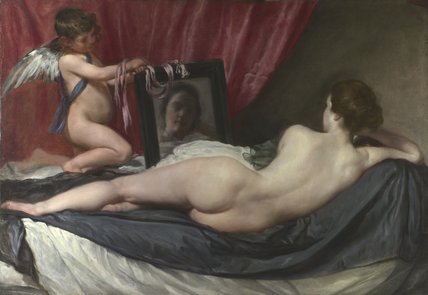
(6) “There was something she couldn’t bare to look at.”

Me, either. I hope she kept her clothes on. The novelist’s publisher should have known this was something she couldn’t “bear to look at.”gr hail

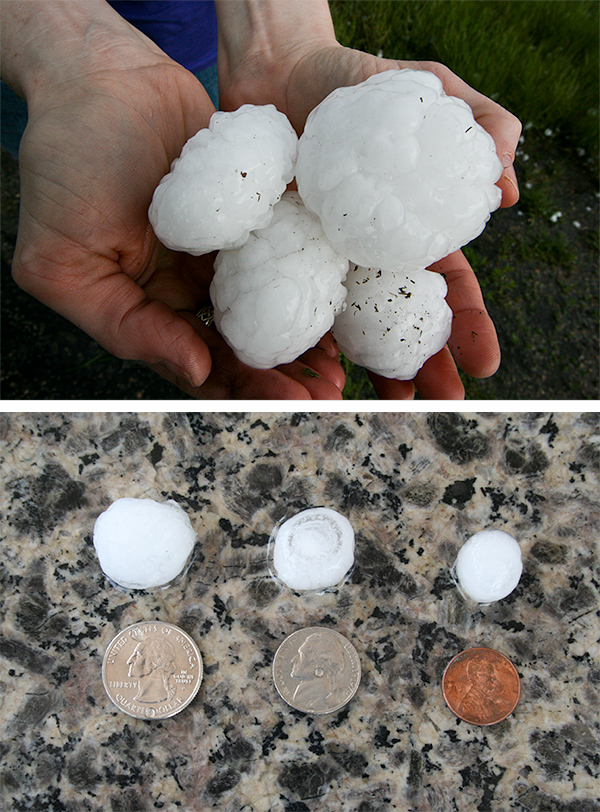
(7) The hale was pelting down.

Hail, no, it wasn’t! Those pelting ice balls are hail.gr coffin

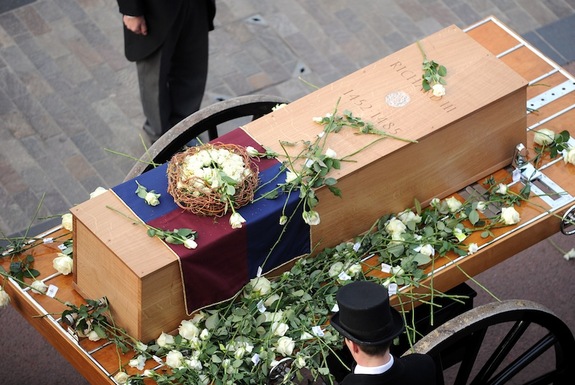
(8) “Everyone keeps referring to the internment of Richard III,” a woman wrote on a mystery list. “If they’re buryin’ him, it’s interment.”

Right you are, ma’am and thanks for defending the English King’s English. Richard III, the last York king, was found under a British parking lot, and reburied with the white roses that were the symbols of his royal house.gr pizza

(9) “A half-eaten pizza slice (crust in tact)”

I don’t care about tact in my pizzas. But intact crust – definitely.gr dexter

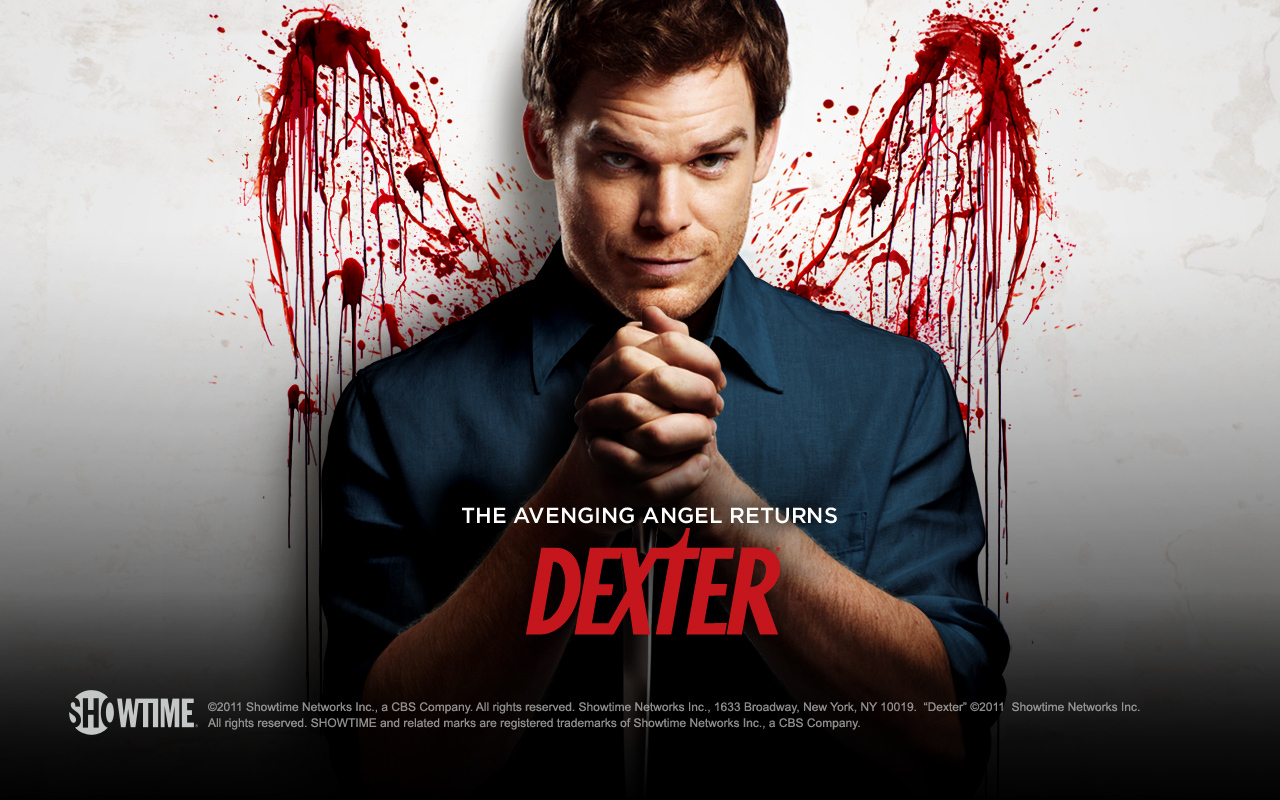
(10) Dexter is a blood spatter expert. This bloody word is a trap for unwary writers. Blood splatter marks you as a forensic amateur. Get the L out of there. It’s blood spatter.


Five Inspired Gifts for Writers

If you’ve ever struggled to find a perfect gift for a writer friend, Buzzfeed has come up with a list of 32 suggestions. I surfed the web and turned up five more interesting gift ideas for the writer in your life:

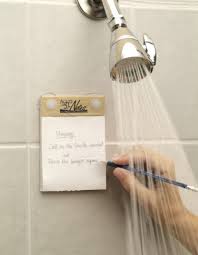
1. Aqua Notes

1aquanote

Every writer knows that some of the best ideas occur to us while we’re in the shower. Aqua Notes notepads contain waterproof sheets of paper– now you can scribble down those great ideas before they go down the drain.


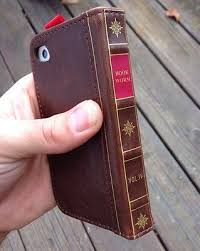
2. Antique Book Leather Case for a Smart Phone

1iphonecaseThese distressed leather cases for smart phones make it look like you’re toting around a vintage book. You can even customize some of these cases with your own text.


3. Bamboo Bathtub Caddy

1bathrub A spa caddy lets you read in the tub while you’re drinking a glass of wine. What could be better?

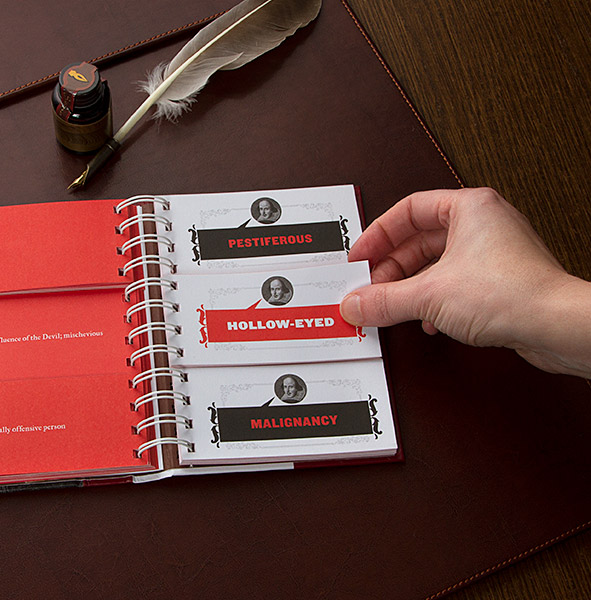
4. Shakespeare Insult Generator

1shakespeare

My favorite. The Shakespeare Insult Generator suggests creative ways for telling off any “obscene rump-fed horn beast” who cuts you off in traffic. I had to buy one for myself.


5. Night Writer LED Pen

How many times have you wished you had one of these? These LED pens let you write in the dark without disturbing others.

Let us know if you have any more gift ideas to add to our list!

Movies of Books – The Good, The Bad, and The Ugly

In yesterday’s New York Times Book Review, the bookends column asked two writers to vote for their favorite movie adaptation of a book (see link here). The first was Willy Wonka and the Chocolate Factory (the psychedelic 1970s version with Gene Wilder, not the ultra creepy Tim Burton movie); the second was the Ralph Fiennes and Julianne Moore  version of The End of the Affair. While I’m on the fence about Willy Wonka, I agree that the  The End of the Affair movie actually enhanced the book for me (a rare thing indeed in a movie adaptation).

So I got to thinking of all the great and the not so great movie versions of books over the years and it’s obvious that it’s a precariously thing indeed turning a beloved book into a critically successful movie (let alone one that does well at the box office). Last night I finally watched 12 Years A Slave – but having not read the book on which it’s based I can’t really comment on how faithful or moving an adaptation it was. It was certainly a good, moving film – though one that certainly put a bit of a dampener on my pre Mother’s Day mood (but then so did the Colorado weather – snow in May is never a good thing!).

My vote for some of the best movie adaptations of books include: The Last of the Mohicans (though, to be fair, that book was a bit of a hard slog and Daniel Day Lewis was enough for me to give it my vote anyway!), The Age of Innocence (another Daniel Day Lewis movie), Atonement (I actually preferred the movie to the book, but that’s probably because I’m a Philistine!) and finally The Lord of the Rings trilogy.

Sadly, as far as the Lord of the Rings movie series is concerned, I didn’t feel the same way at all about the movie adaptation of The Hobbit. I recently read the book aloud to my boys and it was depressing to realize, after about ten minutes into the first movie, that there was no way they could watch the movie version. Not only was it way too violent, but it had also killed off all the charm of the book with both silliness as well as gore (not to mention dragging the whole thing out for three movies!). There are, sadly, many, many movies on my ‘worst adaptation’ list. The Scarlett Letter (shudder!), The Time Traveller’s Wife (another shudder!), The DaVinci Code (ugh!), and Ender’s Game (fail!) to name just a few…

For my kids, another bomb in the book to movie department was The Golden Compass. Now even I admit, Philip Pullman’s Dark Materials Trilogy has some major philosophical hurdles to deal with as far as mass movie consumption is concerned. But still, this was such a major disappointment that even my boys (who did enjoy the books) could only shrug at the end of the movie. I’m just thankful we’d read the book first, otherwise I fear my boys would never have wanted to even open the first page after seeing the movie!

So what about you all? What is your favorite movie adaptation of a book? What, in your opinion, is one of the worst?


In Praise of Entertaining Fiction

Burroughs“I have been writing for nineteen years and I have been successful probably because I have always realized that I knew nothing about writing, and have merely tried to tell an interesting story entertainingly.”

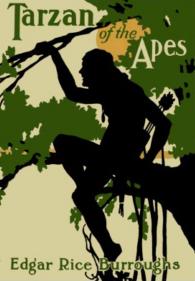
So wrote Edgar Rice Burroughs in an article for Writer’s Digest in 1930. The full text may be found here. I love the up-front honesty of the statement. It resonates with me because the first “real” book I read all the way through was Tarzan of the Apes. I still remember the feeling of being gripped by a story that wouldn’t let me go. When I finished, I knew I wanted to do the same thing someday.

I can even remember the precise moment I got pulled in so deep I put everything aside–playing outside, watching TV, riding my bike to the candy store–just so I could finish that book!

Allow me to share that moment with you.

Chapter One begins as a narrative frame, the voice telling us that he cannot vouch for the truthfulness of the tale, but what he is about to reveal is based upon the “yellow, mildewed pages of the diary of a man long dead.”

The man is John Clayton, Lord Greystoke. The text continues:

We know only that on a bright May morning in 1888, John, Lord Greystoke, and Lady Alice sailed from Dover on their way to Africa.

A month later they arrived at Freetown where they chartered a small sailing vessel, the Fuwalda, which was to bear them to their final destination.

And here John, Lord Greystoke, and Lady Alice, his wife, vanished from the eyes and from the knowledge of men.

I was hooked for sure. But the best was yet to come.

We are introduced to Black Michael, a mutineer, and I loved pirate stories as a boy. In Chapter Two, Black Michael takes over the ship and instead of killing the Claytons, as heTarzan_of_the_Apes_in_color was wont to do, he spares them because John Clayton had saved Black Michael’s life in Chapter One. Instead, the pirate sends Clayton and his pregnant wife to the jungle shore, where they will be on their own to survive!

But the best…not yet!

In Chapter Three the baby is born, a son, as John tries valiantly to make a safe home in the jungle for them, hoping against hope that a party from England will eventually find them.

Alas, it is not to be. Poor Alice dies. And the baby! The baby must still be nursed! The chapter ends with the last, sad journal entry of a man soon to be dead himself:

My little son is crying for nourishment—O Alice, Alice, what shall I do?

Great heavens! I was so into the story now. But there was more! I fell indelibly under the spell of Burroughs with the beginning of Chapter Four:

In the forest of the table-land a mile back from the ocean old Kerchak the Ape was on a rampage of rage among his people.

Wow!

The younger and lighter members of his tribe scampered to the higher branches of the great trees to escape his wrath; risking their lives upon branches that scarce supported their weight rather than face old Kerchak in one of his fits of uncontrolled anger.

The other males scattered in all directions, but not before the infuriated brute had felt the vertebra of one snap between his great, foaming jaws.

A luckless young female slipped from an insecure hold upon a high branch and came crashing to the ground almost at Kerchak’s feet.

With a wild scream he was upon her, tearing a great piece from her side with his mighty teeth, and striking her viciously upon her head and shoulders with a broken tree limb until her skull was crushed to a jelly.

And then he spied Kala, who, returning from a search for food with her young babe, was ignorant of the state of the mighty male’s temper until suddenly the shrill warnings of her fellows caused her to scamper madly for safety.

But Kerchak was close upon her, so close that he had almost grasped her ankle had she not made a furious leap far into space from one tree to another—a perilous chance which apes seldom if ever take, unless so closely pursued by danger that there is no alternative.

She made the leap successfully, but as she grasped the limb of the further tree the sudden jar loosened the hold of the tiny babe where it clung frantically to her neck, and she saw the little thing hurled, turning and twisting, to the ground thirty feet below.

With a low cry of dismay Kala rushed headlong to its side, thoughtless now of the danger from Kerchak; but when she gathered the wee, mangled form to her bosom life had left it.

Oh man! That was it! I was left hanging with a baby, all alone in the jungle, in the last chapter. Now I am completely into the story of…an ape! An ape who has lost her baby! And this villain named Kerchak. I wanted him to get his just desserts! I knew this poor ape Kala would find the Clayton baby and take him as her own. And that sooner or later, one or both of them would have to kill Kerchak in a duel to the death.

This was more than mere entertainment. This was magic. A story world unlike anything I’d ever seen, even when watching the Johnny Weissmuller Tarzan movies I loved so much.

Burroughs, no doubt, influenced generations of boys to become readers, authors, or perhaps flat-out adventurers. But when I mentioned the Burroughs quote at the top of this post to an online group of veteran writers, I was delighted by several women saying the John Carter and Tarzan books were favorites of theirs, too.

Which proves that great storytelling is great storytelling. That’s what we writers must aim for, every time we sit down and clack the keyboard. As Burroughs himself put it in that WD article:

“I have felt that it was a duty to those people who bought my books that I should give them the very best within me. I have no illusions as to the literary value of what I did give them, but I have the satisfaction of knowing that I gave them the best that my ability permitted.”

So what author carried you away like this when you were a kid?


Ten Writing Tips Du Jour

Jordan Dane
@JordanDane

I thought I’d update my “Words of Advice for Authors.”  Here are ten that came to mind, but I want to hear from you. What advice has helped you to keep going and improve?

Fotolia image purchased by Jordan Dane

Fotolia image purchased by Jordan Dane

1.) Skip the Boring Stuff – Unless you’re writing for your mother, who loves everything you do, consider the attention span of most readers. Describing anything for several pages or showing off all your research efforts in one scene can be tedious. One of my favorite quotes on writing comes from Elmore Leonard when he said, “I try to leave out the parts that people skip.”

2.) Cut Unnecessary Words – We are all creatures of habit. The way we express ourselves can become mechanical. We may not even see our “habits.” Make your first pass through your drafts be focused on deleting and tightening your sentences and wording. You’ll begin to develop a list of “red flag” words to avoid.

3.) Bleed on the Page – Remember to write with passion, even if it feels a little “over the top.” Writing is about emotion that resonates with readers. They have to care what happens to your characters, and that starts with YOU. If you aren’t fully vested in the world you are creating and the characters’ plight in it, you will not capture the hearts of your readers.

4.) Imagery is Key – Paint a picture with your scenes. Layer the world with images that trigger a reader’s memory, without “telling” them what they should see in their mind’s eye. Sure the moon shines, but how does it reflect on broken glass or dapple the ground through the trees? How does it look upon dead skin?

5.) K.I.S.S. – Keep things simple. Overwriting can cloud the emotion of the scene with words and remind the reader that the author is always present. Simple wording can focus the reader on the emotion and make the reader forget an author created a work of fiction.

6.) Write Whether You Sell or Not – Write for YOU. As authors we spend quite a bit of time at the craft. If you’re not having fun doing it, then why spend the time? Write because you absolutely love it.

7.) Learn to Improve Through Criticism – Easier said than done, but if enough comments are made about certain habits you have, as a writer, then keep an open mind and consider how you can incorporate changes to improve. Only you can choose to make changes in your story or in your writing style. No one can make you. You will learn who to listen to and what makes sense for you, but trust your gut to determine what works for you.

8.) Make Time for Writing – Develop a schedule that works for you and try to be consistent. If writing is expendable in the hours of your day, then it will become more so as time goes on. If it’s important to you, you will make time for it. Even if you can only write one page a day, that’s still progress.

9.) Write What You Fear – I’d always heard that phrase to “write what you know,” but I thought it should be “write what you fear, what you love, etc.” If a story triggers a strong emotional response in you, chances are it will do the same in your readers. Writing is about emotion, so don’t let naysayers dissuade you by saying you should only write what you know. You can research and learn things, but writing about emotional triggers will resonate with readers.

10.) Dare to be Different – Try new things with your writing and dare to be the trendsetter. Have fun with new directions if it makes sense for you. That’s how the “next big thing” happens. It doesn’t come from those you follow trends. It comes from daring souls who aren’t afraid to take risks. You never know where those risks will lead.

What tip would you add to this list, TKZers? What keeps you going? What Advice would you share with new writers?

Want to Be a Writer?
First Be a Mensch

By PJ Parrish

After almost two decades as a crime novelist, working in a business that has seen head-spinning turmoil, I’ve found there is one thing that never seems to change — the menschness of my fellow writers.

I’m pretty sure that menschness is not a word. But maybe it should be. Because what I am trying to describe goes beyond friendliness, kindness and even camaraderie. Sure, you can find all those traits in our community. But the thing that always strikes me when I mingle at conferences, sit on panels or hoist a pinot at the hotel bar is the down-to-earth nice-guy attitudes of my fellow crime dogs.

Okay, I just went and looked up mensch so you don’t have to:

Mensch (מענטש) a Yiddish word that means “a person of integrity.” A mensch is someone who is responsible, has a sense of right and wrong and is the sort of person other people look up to. First known use 1856. In English the word has come to mean “a good guy.”

I have met lots of mensches in the mystery world. Folks who were kind to me in the beginning and gave me advice or a blurb. Big-time writers who, as Lee Child once put it, once they climb high don’t forget to reach down and pull others up a rung. Fellow mid-list authors who shared my pain and talked me off ledges. Beginning writers who sent me thank you notes for something I did or said.  With the exception of one super-successful bestselling toad-guy (who shall remain nameless here) most the people I’ve met along the way have been generous of spirit.

photo (1)

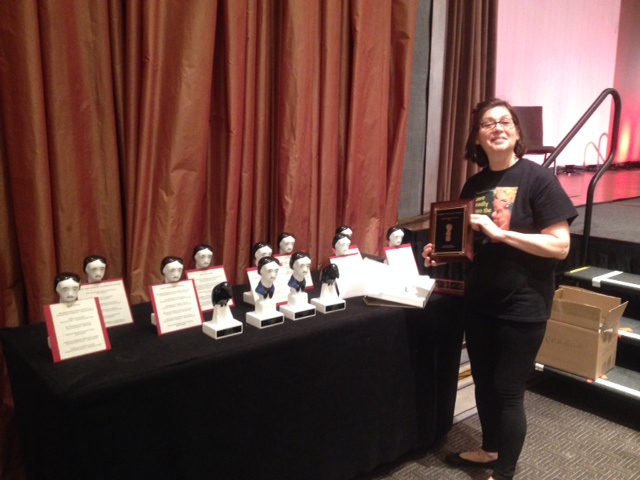
MWA’s head mensch Margery Flax unpacking the Edgars before the banquet.

This point was driven home to me this past week when I went up to New York for the Edgar awards given out by Mystery Writers of America.  I’ve been chairing the banquet since 2007 and it has put me in touch with some of the biggest luminaries of our genre. (One reason I volunteer for the job!) Bear with me if I go alittle fan-girl here on you, but I want to talk about them, because sometimes us guys on the lower rungs tend to think those stars above us aren’t human.

Lee Child I met at the Las Vegas Bouchercon. During a cocktail party, I screwed up my courage and went over to introduce myself. He looked down at me (everyone does…I’m five-three and shrinking fast) and said, “You stole the title of my book, you know.” I’m standing there thinking WTF? Then Lee told me that his book One Shot had come out the same day as the MWA anthology, in which I had my first short story, “One Shot.”

“I forgive you,” Lee said. And he bought me a beer.

IMG_0735

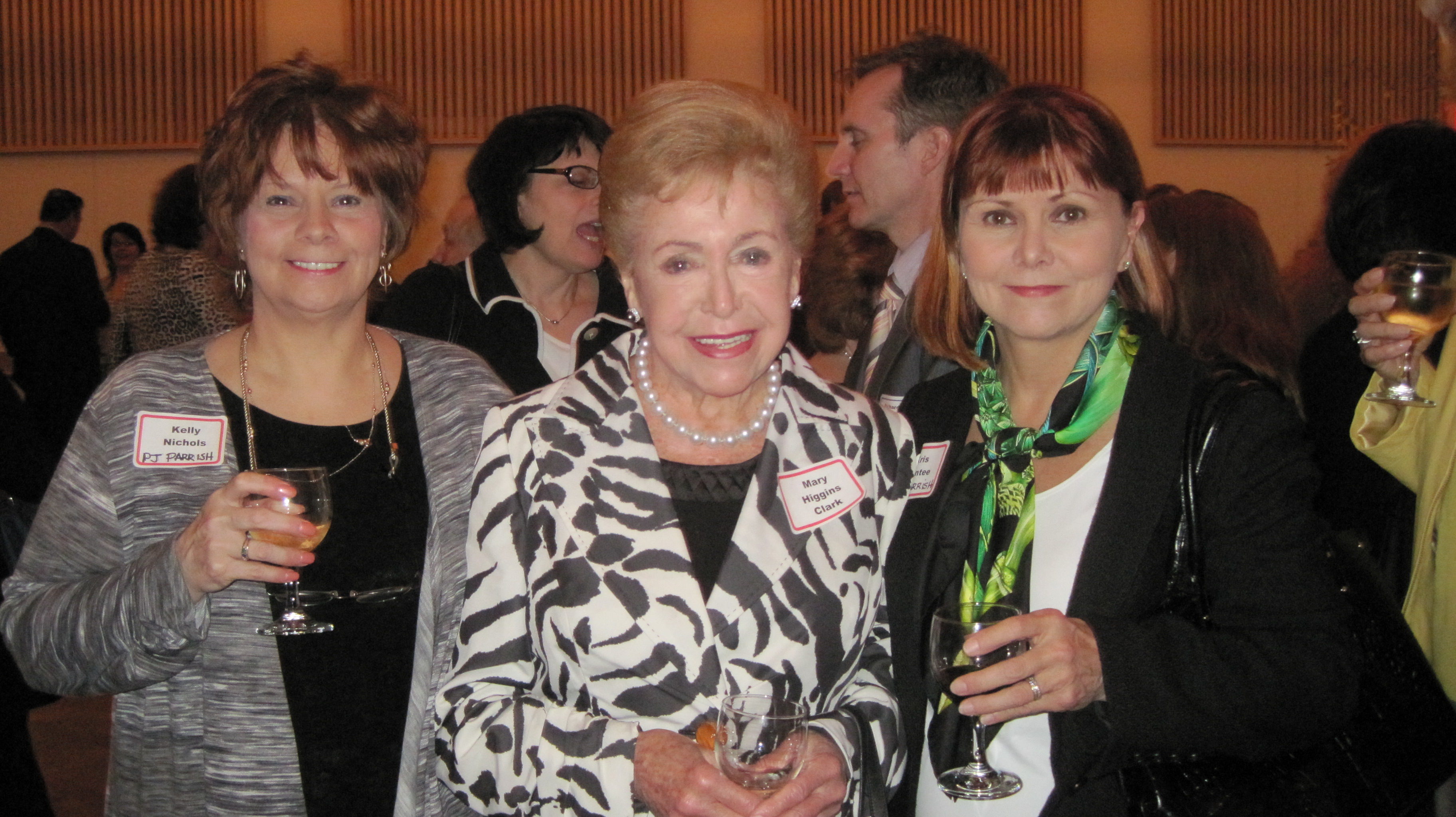
Kelly and me flanking Mary Higgins Clark at our first Edgars.

Mary Higgins Clark I met at my first Edgar banquet when she came up to me when it was over and said that she had been attending the banquet for decades and this was the best one. She didn’t have to do that. But she’s a mensch.  This year, when I went to get my drink at the cocktail party, the bartender asked me in a whisper, “Is that Mary Higgins Clark over there? I’m her biggest fan.”  Wiping away visions of Misery, I took her over to meet her and Queen Mary was utterly charming.

IMG_0780

With Lisa Scottoline. then MWA prez.

Speaking of royalty, Lisa Scottoline is another good guy. The night she was emceeing the Edgars Prince William was getting married to Catherine Middleton. At the podium, Lisa wore a tiara in their honor. We’re both royalists and bonded over brain-lint on the Saxe-Coburg Gotha family line. Another mensch queen.

Which leads us to kings. Yeah, I got to meet him. It was my first Edgar job back in 2007 and Stephen King was named Grand Master. One of my duties was to greet him, make sure he got to interviews, a book signing and cocktail parties, and wasn’t mobbed in the Grand Hyatt lobby. I was nervous and tongue-tied. He took my hand and told me to relax. Last week, we met again because he was a Best Novel nominee. (He won for Mr. Mercedes). Not only did he remember my name, he asked what I was working on.

image1

I got to escort Stephen and his wife Tabitha to the nominee party, and when I walked in, you’d think I had the pope in tow. That pic is of me  (looking oddly dyspeptic) with Sara Paretsky and Brad Meltzer. As I watched King work the room (or rather the room work him), I was in awe of how unflaggingly gracious he was to everyone, no matter what their rank.

I wasn’t alone. Best nominee Ian Rankin tweeted: “Well, on the minus side I didn’t win the Edgar award – some young ruffian called Stephen King did. On the plus side I got to meet Mr King.”  From Best nominee (and one of my fave writers) Stuart Neville came this tweet: “I didn’t win the Edgar, but I got to meet Stephen King, who was very gracious in tolerating my fawning.”

Another true mensch is Brad Meltzer. I got to meet him when he was the GOH at SleuthFest and later when he was MWA president and emceed the banquet. He is funny, down-to-earth, and always has time to talk to you, no matter your status.

These are just a few of the good folks I’ve been lucky to meet. So many others have been kind to me on my way to this point in my career — Jerry Healy, Elaine Viets, James Hall, SJ Rozan, Steve Hamilton, William Kent Kreuger, Reed Farrel Coleman, Linda Fairstein, Mike Connelly, Stuart Kaminsky, Eleanor Taylor Bland, and John Gilstrap, who gave me my first blurb.

I wish I could remember who said this, but it was about what “class” was: The ability to make any other person comfortable, regardless of their status and your own. All the folks I’ve mentioned have it in spades. And after a sorta rough year, it was good to go back to New York and be reminded that no matter what winds buffet the book world, our community provides shelter and support.

But ours is a small family with long memories. So no matter where you are on the food chain, play well with others. This post was inspired by a blog I read the other day wherein the author Guy Kawasaki provides five tips on how to be a mensch. After the Edgars, I realized there are lessons in here for writers:

1. When someone has wronged you, continue to treat them with civility. For writers, don’t curl up and die at the easy slight. This happened to me years ago when a fellow writer said something not-so-nice to me in a conference bar. I stewed about it for a long time and finally decided to confront her. She apologized and said she was drunk and had been too embarrassed to bring it up. We’re friends now.

2. Give way more than you take. Volunteer to work at a conference. If you’re published, give someone a critique. Don’t just sit back and bitch; get involved. And if you are a blog lurker, don’t be shy about posting. No one wants to be that creepy guy at the party who sits silent in the corner and just watches. A good blog (like ours here at TKZ) is a conversation. It’s at its best when we all give something back. Winston Churchill said, “We make a living by what we get. We make a life by what we give.”

3. Genuinely acknowledge others. If someone gets published, congratulate them, for God’s sake. If you owe someone a debt, put them in your acknowledgements. If you’re in a critique group, find something to praise. We all need praise. It is high octane fuel for the soul.

4. Embrace diversity.  If you read only light books with happy neat endings, read something dark and difficult. Or better yet, try to write it.  If you’ve never tried to write short stories, now’s the time. If nothing else you will find, as I did, that it’s not as easy as it looks. And lastly, don’t be a genre snob. If you write hardboiled noir, don’t look down your nose at cozies. (Chances are their royalty checks are bigger anyway). When I finally got around to going to Malice Domestic a few years ago, it was like being in a different world, sure, but I came to appreciate more deeply the writing of our less gritty brothers and sisters.

5. Default to kindness. In his blog, Kawasaki says the biggest deficit is not monetary—it is the lack of kindness in our interactions with others. You see this dynamic in action at any writer’s conference. We tend toward cliques. We gather with people of similar status. It’s like high school all over again. But you don’t have to give in to it. If you see someone sitting alone, gather them into your circle. If you are on a panel and someone is struggling, help them out. If you’re sharing an event or signing with someone, talk up their stuff along with your own. And if you ever find yourself in the same room as Stephen King, introduce yourself. He may keep a small boy’s heart in a jar on his desk, but he won’t bite your head off.

Be a mensch. And thank you for putting up with my fan girl pix.

Once More With Feeling: Revisiting The Art v. Commerce Debate

Crumbling Wall

Last Christmas I watched the 1938 Henry Fonda movie called I Met My Love Again. The plot: A woman returns to her Vermont sweetheart ten years after running off to Paris with a writer. Those dang writers! Love ‘em and leave ‘em!

Joan Bennett plays the woman. She meets the writer during a snow storm. Her sleigh overturns and the horse runs off. She finds a cabin and knocks on the door. An Errol Flynn lookalike answers. He has a roaring fire going and a page in a typewriter.

Joan comes in and warms herself. They talk a bit, and he tells her he’s renting this cabin to get some writing done. This dialogue follows:

“You’re a writer?”
“Yes.”
“Do people really publish what you write?”
“Yes, the wrong people. You see, I’ve got to make a living, so I write trash to keep alive.”

She looks down at the page in the typewriter and reads:

Then I picked up the knife and sank the sharp steel blade into his chest. He sighed gently, and turned his great eyes – those eyes I once loved so – to mine. That was my first man.

CHAPTER TWO

I Go Straight

The writer admits:

“That’s the trash, a confession story, slated for the March issue of I Tell All. It’s the true story of a gal named Lyla Rigby. I am Lyla Rigby.”

I snorted. What a great example of the old bias against “writing for a living.” Such a “trashy” thing to do! A real writer wrote novels, labored over them, and did it mainly for art’s sake. Those who slummed in the world of pulp fiction were to be scorned, which is why many of them hid behind pseudonyms.

That kind of thinking was certainly widespread back in the day. But its tentacles still exist, as evidenced by the hissy fit Harold Bloom threw several years ago when Stephen King was given a major literary award. There is also a steady vibration of snark in articles such as The Death of the Artist—and the Birth of the Creative Entrepreneur. Here’s a clip:

Yet the notion of the artist as a solitary genius—so potent a cultural force, so determinative, still, of the way we think of creativity in general—is decades out of date. So out of date, in fact, that the model that replaced it is itself already out of date. A new paradigm is emerging, and has been since about the turn of the millennium, one that’s in the process of reshaping what artists are: how they work, train, trade, collaborate, think of themselves and are thought of—even what art is—just as the solitary-genius model did two centuries ago. The new paradigm may finally destroy the very notion of “art” as such—that sacred spiritual substance—which the older one created.

The article posits that the concept of the artist changed drastically in the 20th century. “As art was institutionalized, so, inevitably, was the artist. The genius became the professional.” This awful turn of events has led to the crumbling of “mediating structures” like publishing companies, who were once the gatekeepers.

[W]e have entered, unmistakably, a new transition, and it is marked by the final triumph of the market and its values, the removal of the last vestiges of protection and mediation. In the arts, as throughout the middle class, the professional is giving way to the entrepreneur, or, more precisely, the “entrepreneur”: the “self-employed” (that sneaky oxymoron), the entrepreneurial self.

Which, the article concludes, leads inexorably to the death of art itself:

It’s hard to believe that the new arrangement will not favor work that’s safer: more familiar, formulaic, user-friendly, eager to please—more like entertainment, less like art. Artists will inevitably spend a lot more time looking over their shoulder, trying to figure out what the customer wants rather than what they themselves are seeking to say.

There it is, the old “art v. commerce” angle, complete with hidden assumption that something popular cannot be art, and something artistic should not be popular.

Yet Dickens, Dumas, Dostoevsky—The D Boys—all wrote great artistic works for a popular audience. Fitzgerald and Thomas Wolfe certainly desired a wide readership. In the pulps, Chandler and Hammett and Dorothy Hughes had the readers, but also said meaningful things about the mean streets and the human condition.

None of these authors wrote without the desire for financial return. As Dr. Johnson so eloquently put it, “No man but a blockhead ever wrote, except for money.”

Out on the edges, sure, you have the solo artist who doesn’t give a rip what others think. And so creates experimental pieces that don’t sell, except on rare lightning-strikes occasions.

On the other side of this divide are those who “write” monster porn (yes, it really exists) and somehow find people willing to pay for it.

But in the great in-between are those who want to entertain an audience. For some that is enough. Others want to add a little more heft to their style or theme, and that’s a good thing. Still others want to transcend genre conventions and reach for the stars. I especially like that.

So isn’t it about time to put the “art v. commerce” debate to bed? It was okay for cocktail parties in 1965—“Honestly, are you comparing Mailer to Hemingway? How droll.”—but was it ever really a substantive discussion?

How many artists are there, truly, who don’t care a fig about income? (By the way, if you do want to “suffer” for your art, it’s very easy not to make money, so have at it.)

Is the disdain for “popular art” productive or even valid?

And here’s the big one: how concerned should we be about the “crumbling” of the mediators—publishing companies, critics, agents?

The discussion may now begin.