About PJ Parrish

PJ Parrish is the New York Times and USAToday bestseller author of the Louis Kincaid thrillers. Her books have won the Shamus, Anthony, International Thriller Award and been nominated for the Edgar. Visit her at PJParrish.com

Watch Out Where
You Leave Your Trash Bags

54e73cf1475ca_neil_s_plakcyI am on vacation in the wilds of France and might not be able to talk to you guys. So I have asked one of my critique group buddies Neil Plakcy to sub for me today. Neil is a great editor as well as being a prolific writer of several series. You can check out his books by clicking here. — PJ

By Neil Plakcy

It took two years for me to make it to top of the FBI’s most-wanted list in Miami. That is, the list of those who most wanted to participate in the eight-week Citizen’s Academy. I had to pass the security clearance and then wait my turn, and while I did plot ideas kept seething in my brain, waiting for me to get the true lowdown on Bureau operations so that I could make my crime fiction as realistic as possible.

Finally all my security clearances were complete and I was off to the FBI’s Miami office. I knew why I was there — I wanted to learn more about the functions of the Bureau to use in my crime fiction.

And I’d heard you got to shoot guns with the Special Agents.

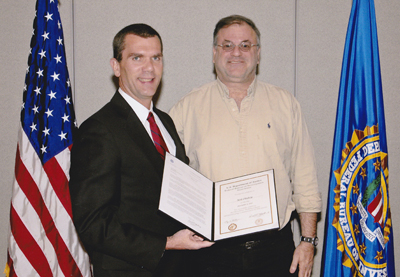
cit-acad-diploma

Neil gets his FBI diploma.

But why were all the other people there -– the high school principal, the veterinarian, the accountant? Everyone I asked said something like someone had told them it was fun.
Fun? Sitting in a conference room for three hours a night, once a week, listening to a bunch of men and women in dark suits talk about paperwork and statistics? Different strokes for different folks, I guess.

I did learn a lot that I could use in my own writing. South Florida was at the time, and probably still is, responsible for more health care fraud than the rest of the country combined. Why, you might ask? Perhaps because of the high number of retirees in the area?

Think again. It’s actually because allegedly 98 percent of those involved in health care fraud are Cubans and Cuban-Americans, and there have been reports of money gained fraudulently going back to the island to fund Castro’s regime. One operation alone, Operation Severed Artery, investigated eleven infusion clinics that had defrauded Medicare by over $80 million.

We learned a lot about possible methods of real estate fraud, and the millions of dollars at stake. Lots of other great things too, but one of my favorites was the concept of curtilage.
The agent defined curtilage as the area immediately around your property. This means that an outdoor area can be legally coupled with the property it surrounds, even though it’s not part of the structure. This is important when it comes to what an agent needs a search warrant for.

If an agent sees something in the yard, it may fall within the curtilage. Trash in a bag next to the house, for example, would still be within the curtilage and the agent would need a warrant to search it.

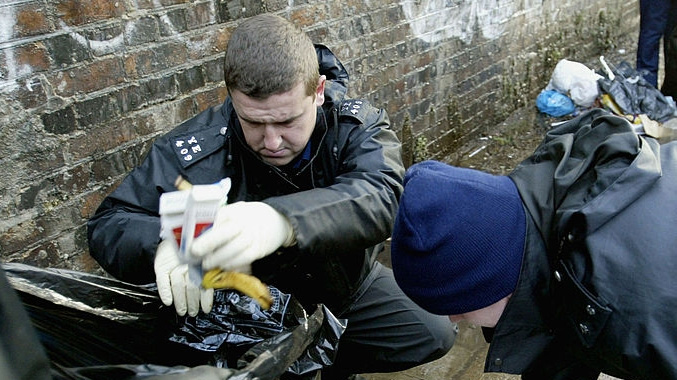
police-search-garbage

Yes, it’s legal. Police can search your trash without a warrant.

Trash in a bag out at the curb, however, is outside the curtilage and can be seen as having been abandoned. Therefore the agent doesn’t need a warrant to search it. It was fascinating to get an inside look at so many of these issues. And we got to shoot those guns, too, at a Miami-Dade police range where we lined up to fire different weapons.
We shot the Glock 22, with 40 caliber ammunition. That’s the FBI agent’s standard handgun.

The long-barrel gun was an H&K MP5, 10 millimeter, with a long barrel. It can be used in semi-automatic or full automatic mode, though we only shot in semi-automatic.
The shotgun was a Remington 12 gauge with a 14-inch barrel. The shorter barrel is important because it’s easier to conceal and to carry in and out of vehicles.

It was kind of funny watching my classmates, many of whom were middle-aged women in high heels, experiencing the kickback from the guns. Fortunately, there were many agents there to help us out. It was a real blast (no pun intended), but I also enjoyed the graduation ceremony, where I was presented with my certificate by the Special Agent in Charge.

Interested in taking part in a Citizen’s Academy? They are offered through field offices around the country. For more about the program, and how to apply, CLICK HERE.

Neil Plakcy’s golden retriever mysteries have been inspired by his own goldens, Samwise, Brody and Griffin. He has written and edited many other books; details can be found at his website, http://www.mahubooks.com. Neil, his partner, Brody and Griffin live in South Florida, where Neil is writing and the dogs are undoubtedly getting into mischief.

Can You Pass the 69 Test?

book-of-my-heart-1

By PJ Parrish

Now that I have your attention…

No, I am not going to talk about sex again. Not even bad sex with a limp penis, which as we writers know is a helluva lot more fun than good sex. I want to talk about finding the heart of your story. And to do that, you have to try this little exercise:

Get out your book or call up your Word doc manuscript. (For our purposes here, “book” means published or un, completed or not. “Book” is that thing that has been keeping you up lately.)

Open it to page 69. Read what is there. I don’t care if it’s a full page or the last two lines of a chapter. (If you hit a blank page, you have permission to use either 68 or 70 but that’s as much cheating as I allow.)

This page — this single page — capsulizes your entire book.

You don’t believe me, do you. I didn’t believe it either until I tried this experiment. I did it a couple years ago at the request of Marshal Zeringue, executive director for the Campaign for the American Reader. Marshal has this terrific blog wherein he promotes reading. Sez Marshal: “The goal of this blog is to inspire more people to spend more time reading books. I’ll try to do that by shining a little light on books that I like and think others might find worthy of their time and attention.” CLICK HERE to see his blog.

He also came up with the Page 69 Test. He was inspired by Marshall McLuhan’s suggestion that you should choose your reading by turning to page 69 of a book and, if you like it, read it. Zeringue tried it with Richard Dawkins’ The Ancestor’s Tale, and was so taken with the results he devised the Page 69 writers challenge.

On his blog, Zeringue has asked dozens of writers to answer the question: Is your page 69 a good place to get a sense of your book?

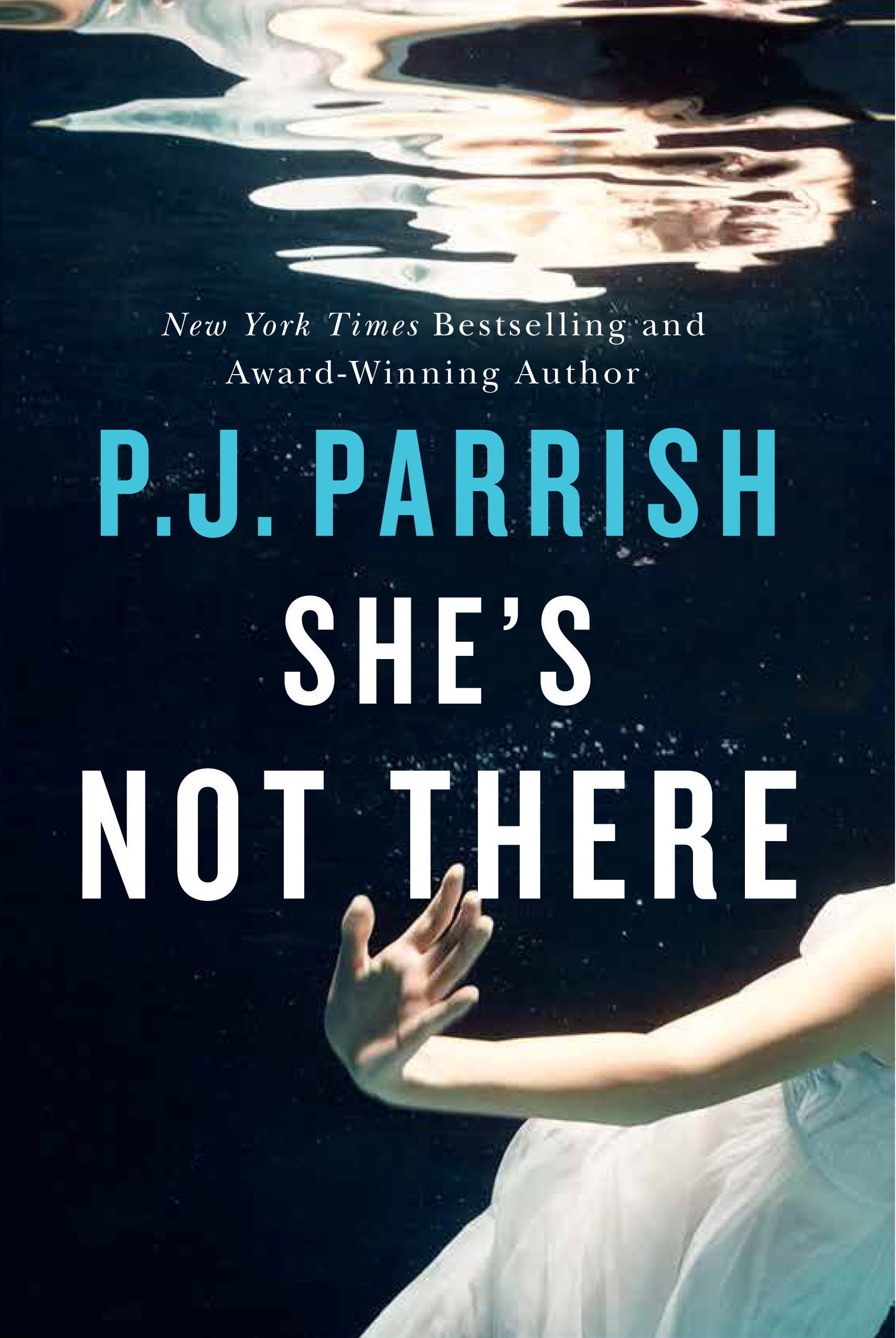
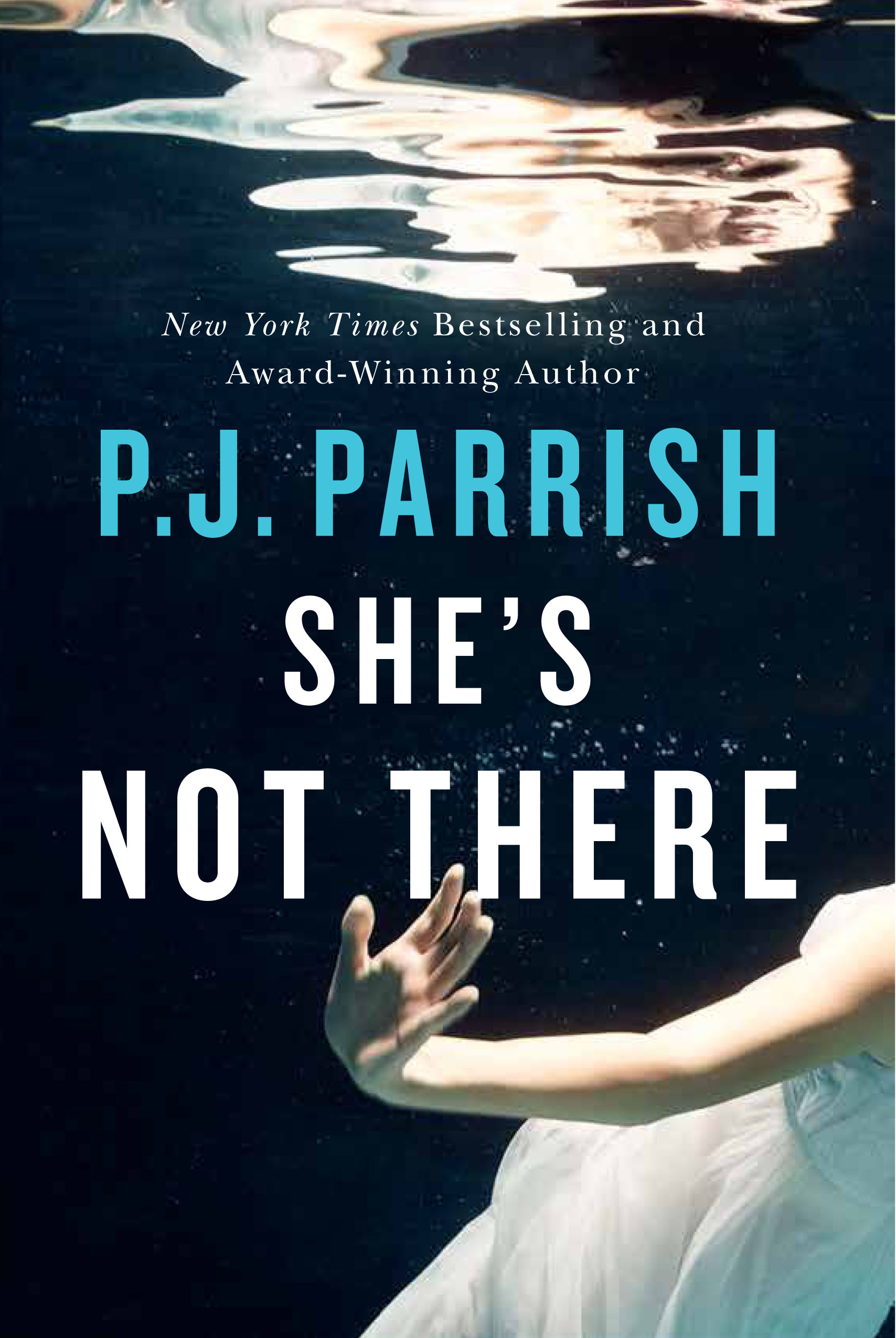
When I first picked up Marshal’s gauntlet, it was for our book AN UNQUIET GRAVE. (CLICK HERE to go read those results) But the other day, I decided to apply the test to our newest book, so I cracked open SHE’S NOT THERE, which was just released this month. Here is our page 69:

“When you call her phone, does it ring before it goes to voice mail?”
Tobias shook his head. “The police told me the phone was turned off. They said that’s why they couldn’t use the GPS to find it.”
“They can trace the phone’s last location. Have they told you anything?”
“Yes. They said her last known location of the phone was about two miles from where her car was found. But they never found the phone or her purse.”
“What about the car’s GPS?”
“It doesn’t have one.”
“And you don’t know where your wife was going?”
Tobias shook his head slowly. He picked up his glass, staring down into it for a long time, then finally took a drink.
“What do you know about the accident?”
“Not much. They said the car spun off the road in the Everglades.”
“Everglades?” What was your wife doing driving alone in the Everglades?”
Tobias stared at him for a long time, as if he were trying to figure something out. Then he shook his head. “I don’t know.”
What the hell did this guy know?

FINAL COVER

Here’s what has happened before this. A woman wakes up in a hospital, bruised and with a concussion. She has no ID and can’t remember how she got there. All she had on when she came in was a Chanel dress and a 10-carat diamond. But when she hears her husband’s voice (Tobias), she freaks and bolts from the hospital, sensing he tried to kill her. The husband has hired a skip tracer to bring her home and the tracer is interviewing the husband for the first time. Does it give a good sense of the book? Oddly enough it, does. As truncated as it seems, the passage crystalizes a main plot point. The skip tracer suspects Alex Tobias, a rich lawyer, has something to hide, and he knows that every marriage has dark currents running beneath. So the skip tracer’s final thought on that page — what did the guy know? — is the existential question behind the whole plot. This is a husband who actually knows nothing about his wife. Which is why he might have tried to kill her. Or not.

I have to say that I went into this experiment a skeptic and emerged a believer. When I first did this years ago, I thought it was a bunch of hooey. But I think it reveals a kernel of truth about both our books. Each passage, in its way, gets to the heart of our story.

Okay…back to your own page 69. How does it work for you? What is there on this one single page that somehow serves to represent the very heart of your book? Think hard. It’s there. If it’s not? Well, maybe, just maybe, you haven’t really found the heart of your book yet.

Let me know what you found out. Be brave and share your 69s here and let us be the judge!

Postscript: I am on vacation this week, roughing it in the wilds of the Loire Valley. I wrote this before I left and I think I will be able to answer. If I can’t…talk amongst yourselves! Also, our book is finally out..The South Florida Sun-Sentinel critic Oline Cogdill calls it “captivating.” Author Hank Phillippi Ryan, calls it “Taut, tense, and twisty—this turn-the-pages-as-fast-as-you-can thriller is relentlessly suspenseful.” Here’s the LINK.

Tips for Brewing Up
a Bracing Hot Manuscript

Picture2

By PJ Parrish

So here I am, sitting in my Starbuck’s auxiliary office, and suddenly I woke up and smelled the coffee.

I had this epiphany about writing. It is just like making coffee. Some folks have a natural ability to make great coffee. They can start with the cheapest Maxwell House in the supermarket, add tap water, and it comes out tasting like Starbuck’s Rwanda Blue Bourbon made in a Bunn Tiger XL Super-Automatic Espresso Machine. Others can’t boil water for a tea bag without scorching the pot.

I am in this latter category. I’ve tried every kind of bean and brewer but my coffee always comes out tasting like dishwasher residue run through yesterday’s old paper filter.
For the life of me, I don’t know where I go wrong.

Now, my sister? Her coffee is always great. Even though she has a Mr. Coffee she found at a garage sale, has Northern Michigan well water, and uses Folger’s Classic Roast. When she comes to stay with me, she uses MY coffee stuff, my filtered water, my grinder, my Braun brewer and my Fresh Market cranberry-chocolate whole beans, and it still comes out better than mine every time. If you are like me and find that your coffee is not turning out the way you want it, then maybe it is time to invest in a new coffee machine. That is what my sister did and the results are way better than before and better than mine. The best way for me to make up my mind about what coffee machine I wanted next was to look at reviews. This way how I managed to make a quick decision, otherwise I would have been there forever. If I wasn’t recommended to look into a company like Identifyr, I probably would still be drinking my poor coffee from my old machine. For anyone in this situation, I would recommend that you treat yourself to a new coffee machine, to finally get the perfect cup of coffee and guess what goes fantastically well with new coffee machines? Some high-quality coffee. I hear that Iron and Fire have some of the best coffee going. Now that I have a new coffee machine, I actually think that having other pieces of equipment like a milk frother just makes it look like you know what you’re doing, even if you don’t. With this being said, when you start learning how to make that perfect cup of coffee, it might make all the difference when it comes to the tools you use. After doing my research and coming across sites like neptune coffee, I’m considering getting one of these. Considering I am trying to improve my coffee making skills, maybe this could be the solution to create the best coffee ever. I won’t know if I don’t try! She’s gotten even better at coffee making since she went to work at Horizon Books because she sometimes has to man the espresso machine. She can even make latte art – you know, panda faces in the foam kind of thing. She’s tried to teach me to make coffee and I’m getting better. Which gives me hope. Which also might give you hope.
Because making coffee is a lot like writing. If you study the craft of successful coffee-makers, if you work at the formula and fine-tune your machinery, you can produce something others will find worth consuming.

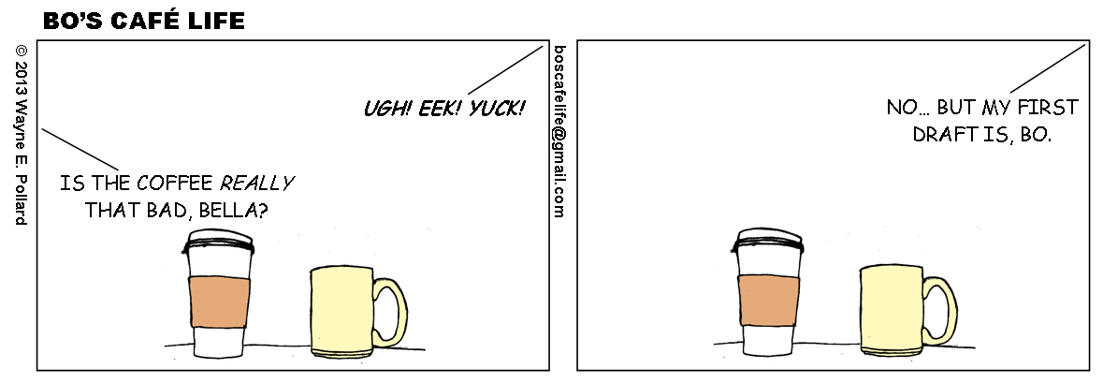
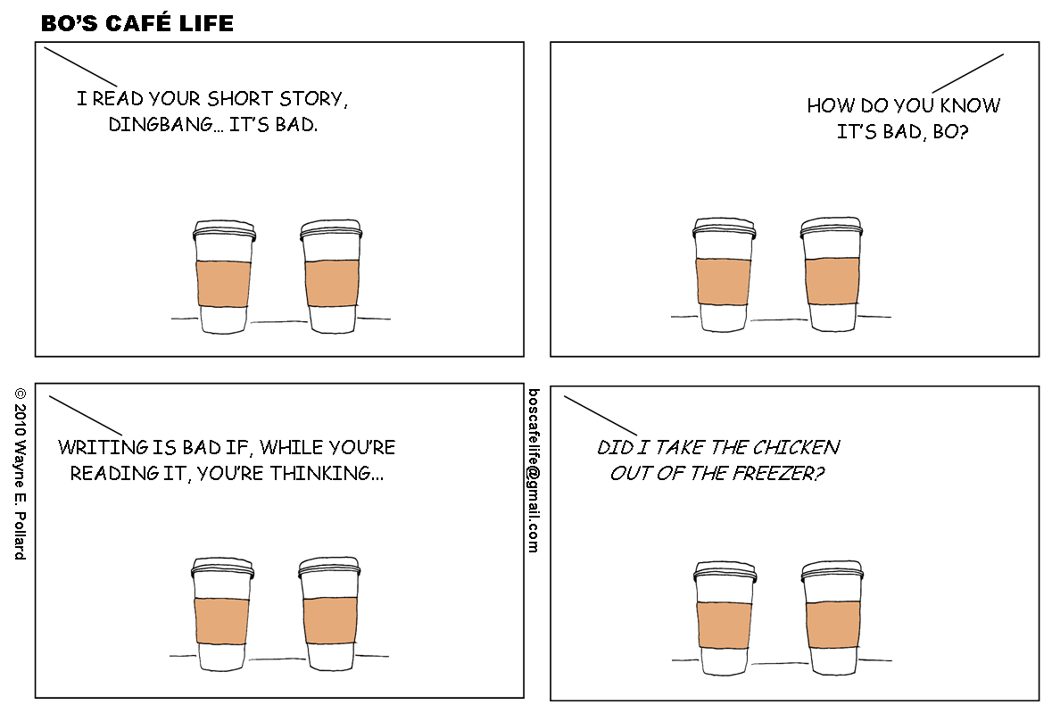
So, in an effort to help you brew a better manuscript, I am going to offer some silly but effective coffee metaphors. And thanks to Bo’s Cafe Life, one of my fave blogs about the writing life as seen through the eyes — and ink pen — of talented cartoonist Wayne Pollard. CLICK HERE to see more of Wayne’s work. His blog is worth a regular visit!

Picture10

Muddy Coffee
A common problem in manuscripts is lack of simple clarity in the writing. Who is doing what where? Have you clouded your action with too many side trips into description or backstory? Have you told the reader where the hero is in time and geography? Can we understand what he/she is doing? Do we know who is talking? (ie, is your dialogue attribution signage clear?) Can we “see” the action?

“I have trouble writing if I can’t picture how things are going to look. –Robert Kirkman

Picture8

Robust Coffee
Pay attention to your mood, imagery, description. You can put your cup of coffee in front of someone but if they can’t taste it, smell it or feel its warmth, they will pour it down the drain. One problem we often see in manuscripts is anemic or even non-existent description. No, you don’t want to lard up your beginning pages with TOO much of this. But some well-honed description can go a long way to seducing a reader into your story.

Picture3

Deep Dark Coffee
This is what we call “internal dialogue.” This is a narrative device whereby you let the reader into your characters thoughts, memories and feelings. Internal monologue can and should happen anywhere but it should complement whatever is happening in action.
In high action: Use shorter, faster, high impact words. You are inside the POV character’s brain. The words you choose to describe what he/she is feeling should amplify the mood of the scene. In slower scenes: You can use longer sentences, more thoughtful, calmer tone, softer words and a slow pace. Using a slower style in an action scene will end up giving you something like this:

He stood over the man, knife in hand. He wondered now if he could actually stab him, if he had the guts to thrust the blade into flesh. He remembered that hot day in July twenty-three ago, sitting at his mother’s knee, looking up to her with the kind of hope only a young boy could hold. Will Daddy be home soon, mama? His father had taught him…

The above cup of coffee should be tossed down the sink.

Distinctive Coffee

Dialogue is the lifeblood of your fictional brew. Keep it clean, effective and do not waste your precious beans on over brewing it or making more than your reader can drink.

Burnt Coffee
Did you “phone in” the last few chapters because you were just sick and tired of your own story or your own characters? Did you lose control of your pacing somewhere earlier in the story and as you raced toward the end and now you have too many loose ends to tie up? The ending of a book is almost as important as the opening. We talk here often about how crucial it is to concoct a grabber first couple pages. But a finely crafted, well-planned slam bang ending is also important. You have to leave the reader with a feeling of satisfaction (which isn’t the same as a “happy” ending) and a feeling that the ending has been well-earned.

kris6

Stale Coffee
Maintaining suspense is critical to crime fiction. But even if you write kid lit or historical romances, you still need to keep the reader guessing. Does what you brew taste stale? Does it make you hunger for more? Does it go cold too quickly? And pay hard attention to the “second act” of your story, what we call the “muddy middle.” This is where most stories go off the rails. Suspense does not have to a stalker lurking in the shadows. It can be as subtle as a long awaited kiss or as dramatic as a killer jumping out of the bushes. This is probably the hardest task for writers – keeping the coffee at just the right temperature and rich taste for the duration of the pot.

Picture9

Keeping Your Coffee Great For 400 Pages
• Stay focused
• Occasionally re-read your how-to books to help recognize where you’ve backslid. (Sample your own coffee every once and while)
• Read good writers to break through writer’s block and ignite your creativity. (Try other people’s coffee.)
• Read bad writers to jump-start confidence and rev up determination. (Pick up a cheap cup of coffee occasionally and force it down.)
• Continue to seek out and accept feedback as a professional.
• Know when a scene or the book is FINISHED. There’s only so much sugar, cream of cinnamon you add to a cup of coffee.

Cutting Your Chances of Your Coffee Being Rejected

Before she went into retirement, super-agent Miss Snark blogged often about what she looked for in manuscripts that crossed her desk. She said it always boiled down to three simple questions she asked of every submission she read:

  • Do you write well? (Is your coffee hot and finely brewed?)
  • Is your book premise fresh and interesting? (Have you cultivated a new bean?)
  • Is your voice compelling? (Do you have a fresh way to serve your coffee, or have you added a unique flavor?)

FINAL COVER

I hope you’ll allow me a moment of blatant self promotion. Our new book SHE’S NOT THERE is finally out! The South Florida Sun-Sentinel critic Oline Cogdill calls it “captivating.” Author Hank Phillippi Ryan, calls it “Taut, tense, and twisty—this turn-the-pages-as-fast-as-you-can thriller is relentlessly suspenseful.” Here’s the LINK.

Postscript: I am on vacation in France’s Loire Valley this month and I have wifi at my little cottage. But given the proximity of wineries, patisseries, and good books waiting to be read, I might not be here to comment. I promise to try to check in! But in the meantime, go get that second cup of joe (or a glass of Sancerre? Hey, it’s apero hour somewhere!) and watch this little video Kelly made on how to become an overnight success in this writing biz. Watch for your cameo, Nancy Cohen!

You Have to Work Hard
To Write This Badly


dark-and-stormy-night

By PJ Parrish

It is a dark and stormy night. Really.

So in honor of the Erika remnant thunderstorm that is dumping its load on us down here in South Florida tonight, I got inspired and decided I had to go there…

Yes, we have to talk about bad novel openings. Now, we’ve had some really good posts lately about good openings. But it’s time to for me to get down and dirty and show you some examples of some really really really bad opening paragraphs. And for once, I am going to name names because these writers deserve the exposure.

Let’s start with this opening by a writer named Tom Billings, who lives in Minneapolis:

John thought of Kate and smiled – with any luck the tide would carry her body out to deeper water by nightfall.

And how about this gem by Belgian novelist Miriam Nys:

Walking through the northernmost souk of Marrakech, that storied and cosmopolitan city so beloved of voyagers wishing to shake the desert dust off their feet, Peter bought a French-language newspaper and realized, with dizzying dismay, that “Camille” can be a man’s name.

And then there’s this from Margo Coffman:

If Vicky Walters had known that ordering an extra shot of espresso in her grande non-fat one pump raspberry syrup soy latte that Wednesday would lead to her death and subsequent rebirth as a vampire, she probably would have at least gotten whipped cream.

What in the world were these people thinking? That they’d win an award or something?Well, they did. They are all winners or runners-up in this year’s Bulwer-Lytton Fiction Contest.

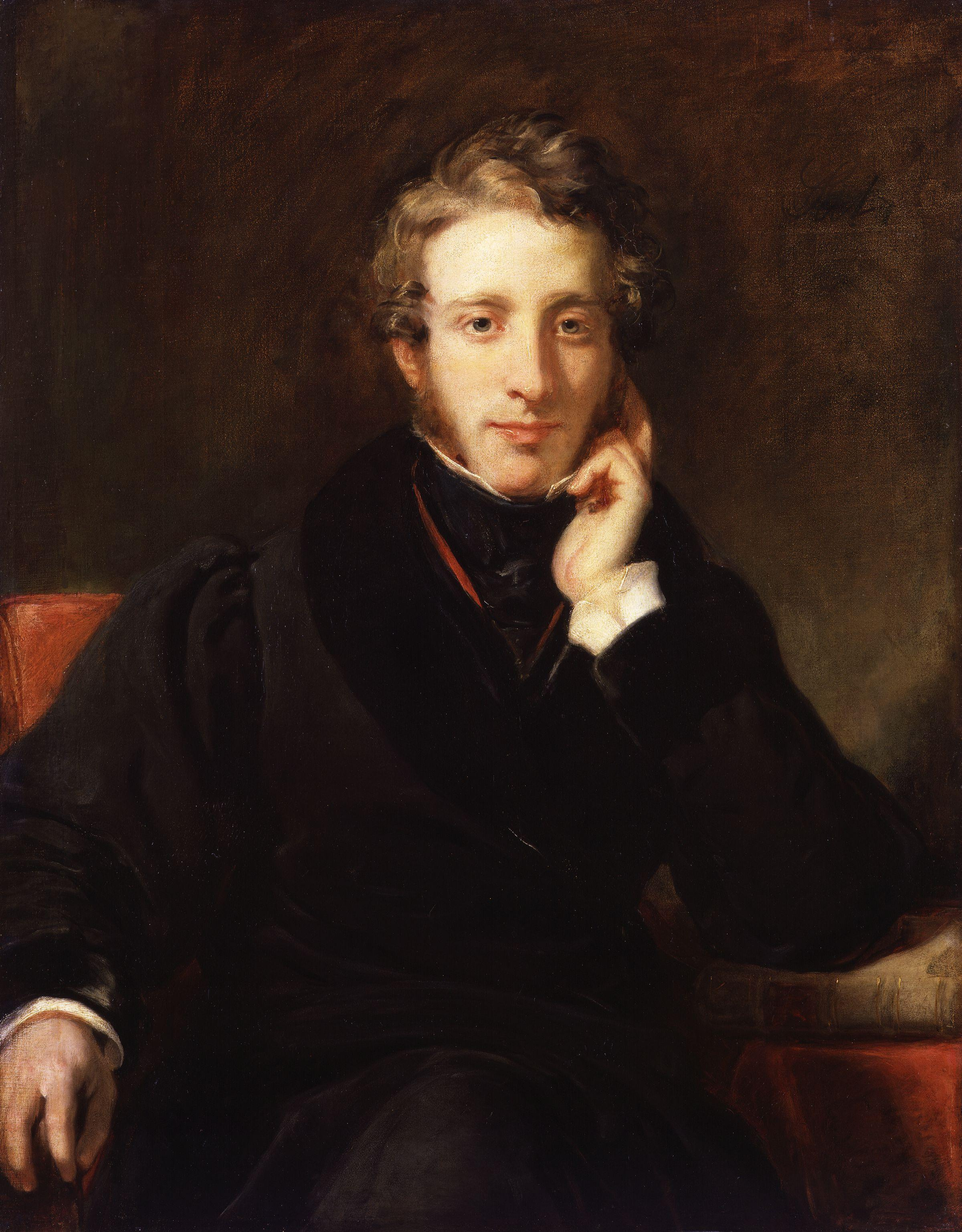
Edward_George_Earle_Lytton_Bulwer_Lytton,_1st_Baron_Lytton_by_Henry_William_Pickersgill

Surely, you remember Edward Bulwer-Lytton? He was an English novelist, poet, playwright, and politician (B: 1873). In his day, he was immensely popular with the reading public and got rich from a steady stream of bestselling novels. He coined the phrases “the great unwashed” “pursuit of the almighty dollar”, “the pen is mightier than the sword,” and the infamous opening line “It was a dark and stormy night.” Here’s his infamous opening in full, by the way:

It was a dark and stormy night; the rain fell in torrents — except at occasional intervals, when it was checked by a violent gust of wind which swept up the streets (for it is in London that our scene lies), rattling along the housetops, and fiercely agitating the scanty flame of the lamps that struggled against the darkness.”

{{{A moment of awed silence}}}

Back to our present winners. The contest has been going on for 33 years now, and as the website states, the rules are “childishly simple.” Just craft a really bad ONE SENTENCE opening line in one of many genres that include crime fiction, romance, fantasy and even kid lit. You’d think that after three decades of cheese, things might start turning stale. Wrongo, brie-breath. This year’s crop of winners is, as Spencer Tracy would say, cherse.

The grand prize winner of the 33rd edition of the Bulwer-Lytton Fiction Contest is Dr. Joel Phillips of West Trenton, New Jersey. According to the contest website, Joel teaches music theory and composition at Westminster Choir College in Princeton, New Jersey. He lives in West Trenton with his wife and their three cats, gardens with gusto, and enjoys listening to his rock-star bassist son’s original songs. He can tell you when René Magritte painted “The Castle of the Pyrenees” but not when someone is off sides in soccer.He also purposefully viewed the film “Ishtar” more than once. Here is his winning entry:

Seeing how the victim’s body, or what remained of it, was wedged between the grill of the Peterbilt 389 and the bumper of the 2008 Cadillac Escalade EXT Officer “Dirk” Dirksen wondered why reporters always used the phrase “sandwiched” to describe such a scene when there was nothing appetizing about it, but still, he thought, they might have a point because some of this would probably end up on the front of his shirt.

God, that’s good.

I love this contest. Almost as much as I love the Literary Review’s Bad Sex in Fiction Awards. (Sorry, you’ll have to wait until December for me to weigh in on that one). Because you know, you really have to be a good writer to write badly on purpose. It’s like Lucille Ball. In I Love Lucy, she was infamously tone-deaf. But in real life, she was a pretty decent singer.

I sort of understand this. I can’t sing a lick, but for teaching purposes, I often show “before and after” writing examples because it’s easier to see your mistakes if you can see different ways to fix things. The problem is, I will never embarrass another writer in public, so Kelly and I often have to make up “before” examples for our workshops. And you know something? It’s not as easy as you would think.

For example, here is a “before” sample from one of our PowerPoints on the subject of Show Not Tell, that Kelly made up:

She looked at Louis. He was twenty-nine and bi-racial, his father white, his mother black. She knew he had grown up as a foster child and had made peace with his mother toward the end of her life, but that his father had deserted him.

It’s okay, adequate. But here is the “after” version, as it actually appears in one of our books.

She turned toward him. God, she loved his face. Forceful, high-cheekboned, black brows sitting like emphatic accents over his gray eyes, the left one arching into an exclamation mark when he was amused or surprised. And his skin, smooth and buff-colored, a gift from his beautiful black mother whose picture he had once shown her and his white father, whom he had never mentioned.

Here’s another example of bad writing we wrote:

“Hello Joe,” he said. “Long time no see.”
“Yeah, it’s been about two months.”
“That long, eh?”
“Yeah.”
“What you been up to?” he asked.
“I was carving fishing lures, but the then the wife left me and I found myself living alone and eating and drinking too much. Then I met Sally.”
“Oh really?”

The point we were trying to teach here is to not waste dialogue on dumb stuff, that even though we are told that dialogue is the lifeblood of good writing, sometimes, simple narrative is more effective. Here is the “after” version:

He hadn’t seen Joe for two months. He looked terrible, like he had been living on Big Macs and Jim Beam. Talk around the station was that his wife had left him and he was going crazy sitting at home making fish lures.

But enough serious stuff. let’s go back to our contest winners. I’d like to share some of my favorites. You can find the whole list of winners by clicking HERE. Take a bow, good bad writers!

Grand Prize Runner up Grey Harlowe of Salem, OR

“We can’t let the dastards win,” said Piper Bogdonovich to her fellow gardener, Mr. Sidney Beckworth Hammerstein, as she clenched her gloved hands into gnarly fists, “because if I have to endure another year after which my Royal Puffin buttercups come in second place to Marsha Engelstrom’s Fainting Dove Tear Drop peonies, I will find a machine gun and leave my humanity card in the Volvo.”

Crime Fiction Runner Up from Laura Ruth Loomis:

When the corpse showed up in the swimming pool, her dead bosoms bobbing up and down like twin poached eggs in hollandaise sauce, Randy decided to call the police as soon as he finished taking pictures of his breakfast and posting them on Facebook.

Here’s my personal favorite in the crime fiction category, from E. David Moulton:

The janitor’s body lay just within the door, a small puncture wound below his right ear made with a long thin screwdriver, the kind electricians use and can often be found in the bargain bin at the hardware store and come with a pair of cheap wire cutters that you never use because they won’t cut wire worth a damn and at best will only put a small indent in the wire so you at least bend it back and forth until it breaks.

And because I have never met a bad pun I didn’t love, I will end with my favorite from the Bad Pun Category. God bless you Matthew Pfeifer of Beaman Iowa, you made my day.

Old man Dracula forgot to put his teeth in one night, so had to come home hungry, with a sort of “nothing dentured, nothing veined” look on his face.

Postscript!  I just realized that Friday marked my third anniversary here at TKZ. Time has whizzed by!  So thank you, Kathryn and Joe for inviting me in, thank you to my fellow bloggers for the camaraderie and really thank you to all you crime dogs out there who keep us going and contribute to our conversation.  Even you lurkers. Take it away, Lucy!

What Does Your Hero Need?
Someone Cool to Lean On

By PJ Parrish

When I was a kid, I feasted on Nancy Drew. What future crime dog of the female persuasion didn’t? The blonde sleuth from River Heights was our lodestar.
Back in the Fifties, I had all the books, the ones with the beautiful dust jackets. Alas, I don’t have them anymore. They went the way of my original DC comics and my Beatle dolls.  I don’t do well in the stock market either.

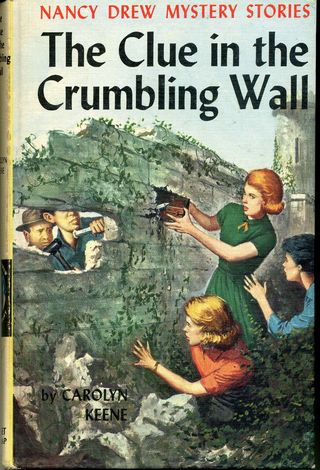
I’ve been re-collecting the old Nancy books for the last decade or so and the other day, just for fun, I cracked open a copy of one of my favorites, The Clue in the Crumbling Wall. And there she was.

clue

Not Nancy but her chum George Fayne. And she was just like I remembered her – brown-eyed, short dark hair, tom-boyish, a little clumsy.

Not at all like Nancy. But a lot like me.

I admired Nancy. But I loved George. She was the anti-Nancy, flawed and human. Through more than 60 adventures, she was always there at Nancy’s side, along with the other cousin, Bess. (That’s George at left with the dark hair). Revisiting Nancy and George got me thinking about how important sidekicks are in mystery series. Sure, there are some lone wolves — Jack Reacher and James Bond come to mind. But most series feature one and sometimes two secondary characters who orbit the stars and provide needed reflective light.

I love sidekicks, as a writer and a reader. I think this is because while the hero represents the ideal, who we might want to be, the sidekick is who we really are. Okay, we’re not super-heros and we don’t save the day. But we like to think of ourselves as reliable, steadfast, smart and…there when needed.

My own series hero Louis Kincaid was a lone wolf in the early books. Yes, there were secondary characters who helped him solve the cases. But then, in book five, this burned-out, half-blind detective Mel Landeta walked on stage. He was supposed to be a cameo, just another case facilitator. But he was so damn interesting. And as part of Louis’s character arc, he needed to start adding “family” to his life. So Mel got to stick around.

If you are considering a series, it’s a good idea to think hard about second bananas. First, they have great appeal. (Sorry, I had to get that out of my system before I could go on). But they are also very useful. More on that in a moment but first, it might be useful to examine the different types of pairings you might create:

B9316306192Z.1_20150219152951_000_GEPA0E03B.1-0

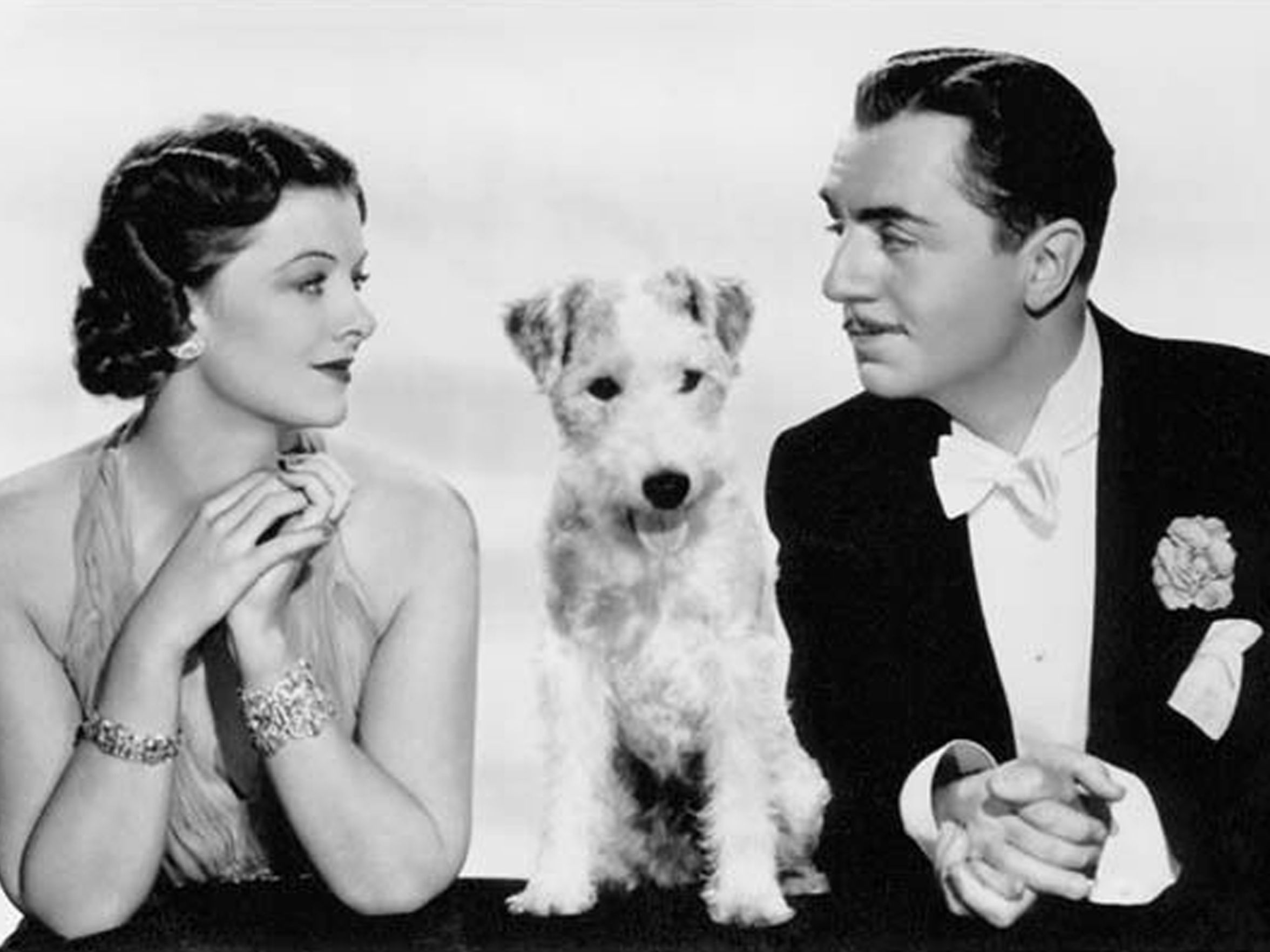
The Teammate: This is actually a dual protagonist situation, wherein there are two equally active case solvers. The classic example is Dashiell Hammett’s Nick and Nora Charles. (Maybe Asta the dog was the sidekick?) Modern examples are Paul Levine’s Steve Solomon and Victoria Lord, and SJ Rozan’s Lydia Chin and Bill Smith (who appear in alternating books and sometimes together).

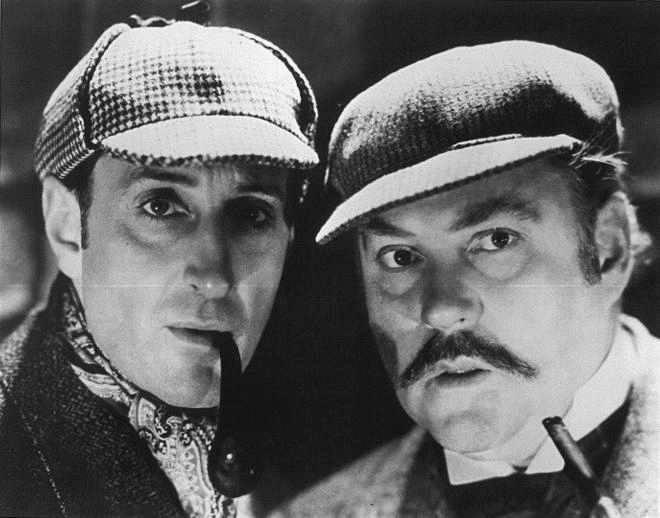
The Sidekick. This character is not an equal to the protag but almost as important in propelling the plot. He or she is a fixture in a series, a reoccurring character. The classic example, of course is Holmes and Watson. But others include Nero Wolf and Archie Goodwin, or Cocker and Tubbs from the old Miami Vice series.

The Confidant: One step lower on the totem, this character might not actively work a case with the hero, but acts as a sounding board for the hero. My fave confidant is Meyer, who sits on the Busted Flush sipping scotch and spouting wisdom about chess and economics as he listens to Travis McGee ponder out the case. (or his latest lady problem) Meyer serves as an anchor of sorts when McGee’s moral compass wanders. More on that later!

Sherlock-holmes-dvd-3

The Foil: Some folks use “foil” and “sidekick” interchangeably, but I think the foil deserves its own category. This a character who contrasts with the protag in order to highlight something about the hero’s nature. Hence the word “foil” — which comes from the old practice of backing gems with foil to make them shine brighter. We can go all the way back to the first detective story to find a great foil: In Poe’s The Purloined Letter, the hero Dupin has the dim-witted prefect of police Monsieur G. Some folks might even say Watson is a foil for Holmes because his obtuseness makes Holmes shine brighter.
Or consider Hamlet and Laertes. Both men’s fathers are murdered. But while Hamlet broods and does nothing, Laertes blusters and takes action. And the contrast sheds light on Hamlet’s character. Hamlet himself says, “I’ll be your foil, Laertes. In mine ignorance your skill shall, like a star in the darkest night, stick fiery off indeed.”

boy1

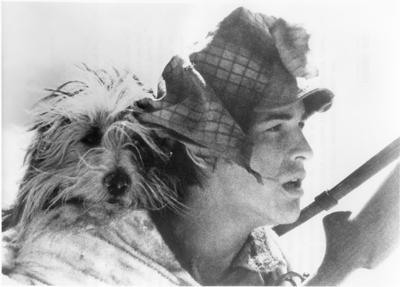
Non-Human Helpers: Okay, this is for fun but hey, there’s a whole sub-genre devoted to this one — cat mysteries with dogs are coming on strong. My favorite in this category is Harlan Ellison’s chronicles: A Boy and His Dog, which tells the story of Vic and his telepathic dog Blood trying to survive the post-apocalyptic world after a nuclear war. And don’t forget Wilson the volley ball. In the movie Cast Away, he’s the only being Tom Hanks gets to talk to with such memorable dialog as “Don’t worry Wilson, I’ll do all the paddling. You just hang on.”

Before we move on, let’s take a break for a quiz. Here’s a list of sidekicks in mysteries. How many of their hero-friends can you identify? (Answers at end. Don’t cheat.).

1. Ricardo Carlos Manoso, AKA Ranger.
2. Clete Purcell
3. Vinnie LeBlanc
4. Win Horne Lockwood III
5. Bunter
6. Mouse Alexander
7. Barbara Havers
8. Hamish
9. Salvatore Contreras
10. Mutt

Now let’s look at exactly how a good sidekick or confidant can help both your plotting and your character development.

They inject a sense of normalcy. Because we are asking them to shoulder the plot, protags can sometimes feel super-sized. Sherlock Holmes is hyper-intelligent, violin-playing, abrupt and sort of misanthropic. So we get Doctor Holmes to relate to.

They humanize the hero. Holmes can be an arrogant SOB, but his kindness toward Watson makes him more likeable. And consider Sue Grafton’s Kinsey Milhone. She has no family (two ex husbands don’t count) and no real friends. But her friend old Henry Pitts is there with fresh baked cookies and a shoulder to cry on – and to hear her work out a case.

They illustrate the hero’s backstory. We all know the dangers of inserting the dreaded info-dump into our stories. One of the most graceful ways of giving our hero context and background is through the point of view of a sidekick.

They provide access to authority. This is vital to those of you who write an amateur sleuth. How do you get your protag needed access to police, forensics, case files and all the tools needed to solve the mystery? If your heroine runs a B&B in Maine, you give her a buddy on the local force. Dorothy L. Sayer’s Lord Peter Wimsey has Charles Parker as his police contact.

They can darken your story’s chroma: Sometimes, you just need a character who is a little off the grid, someone who can do the dirty deeds that you don’t want to give to your hero. Robert B. Parker uses Hawk in this manner, as does Robert Crais whose silent Joe Pike is yin to Elvis Cole’s yang.

They give a different point of view. A sidekick offers a chance for a different interpretation of whatever is happening in the story.

They serve as a sounding board. This is vital to propelling your plot forward. Yes, you can have your hero sitting around reading case files or have a your PI noodling out the clues in his head. Snooze-fest! Dialogue is the life blood of good plotting so give your hero someone to talk to. Give your McGee a Meyer.

Okay, now let’s go over some quick do’s and don’t’s regarding these folks.

DO: Establish the bond. The first rule is that the primary relationship between the main character and the sidekick is trust and loyalty. Their bond is unbreakable, though the reader needn’t necessarily know this. It is your job to build this relationship with believability and even some tension. One of the best ways to inject momentum in the middle of a story is to create a riff in the team. (Remember the guys fighting on the Orca in Jaws?) Think of the jolt your story can get if, for some plot reason, you break the team up then later have the hero saved by the unexpected return of the contrite sidekick. I used this in the first book with Mel Landeta and Louis. They start at loggerheads, become allies, then split before coming back together.  That tension helped propell the middle of the book, much like a good romance gets its tension from boy-gets-girl-boy-loses-girl-etc.

DON’T: (Okay…I’m going out on a limb here.)…have them fall into bed. This is just me, I know. But I think you risk letting all the steam out of a team when romance rears its ugly head. Moonlighting lost its luster once Maddie and David jumped in the sack. Now it’s your turn and tell me why I am wrong about this. Go ahead…I can take it.

DO: Make your sidekicks human and colorful. Give them idiosyncracies and their own full dossiers. Don’t make them easy stereotypes. Don’t give us another Hawk or Pike. Others have tilled that soil.

DON’T: Give them weird tics like bad dialects. Or make them whiners. Or have them come across as dense. That won’t reflect well on your protag. Like a well-written villain, a sidekick must be worthy of the hero’s attention, if not respect.

DON’T: Let them overshadow the hero. This is important. Take it from me. In one of our later Louis books, my editor came back with the criticism that Mel was getting all the good lines and was looking smarter than Louis. We had to do major rewrite to get the spotlight back on our hero. There is something about writing secondary characters that frees us to indulge our best creative tendencies. Because they don’t shoulder the plot, they can be more fallible, crazier – a lot more fun. But the sidekick should never be more interesting or complex than the hero. The sidekick tends to be steadier in mood and temperament. Remember Fonzie? He was a lot more fun to hang around with than Richie Cunningham. At least until he jumped that shark.

Which brings me back to George Fayne. Back in the Fifties, when I was gorging on the Nancy Drew books, little did I know…

Turns out George is a lesbian icon. She’s got her own chapter in a scholarly book, The Lesbian Menace: Ideology, Identity, and the Representation of Lesbian Life. She was the topic of a panel at a conference called “Lesbian Code in Nancy Drew Mystery Stories.” She is beloved on butch blogs.

To which the 87-year-old ghost-writer of the series Mildred Benson once responded to a New York Times reporter, “This is the silliest, most out-of-the-picture thing I’ve ever heard! I’d like to blow a cork!”

Amen, sister. I mean, who cares about George’s sex life? To me, she was just fun to hang around with.

FINAL COVER

Postscript: Please bear with me for a little BSP: My publisher is running a book giveaway of my September release SHE’S NOT THERE over at Good Reads this month. If you’d like to sign up to get a free copy of the lovely trade paperback, please CLICK HERE. Now we return to our regular programming.

QUIZ ANSWERS
1. Stephanie Plum (Janet Evanovich)
2. Dave Robicheaux (James Lee Burke)
3. Alex McKnight (Steve Hamilton)
4. Myron Bolitar (Harlan Coben)
5. Lord Peter Wimsey (Dorothy L. Sayers)
6. Easy Rawlings (Walter Mosley)
7. Inspector Thomas Lynley (Elizabeth George)
8. Ian Rutledge (Charles Todd)
9. V. I. Warshawski (Sara Paretsky)
10. Kate Shugak’s dog (Dana Stabenow)

How Long Should a Chapter Be?

b5e9a52b-04c0-4988-ac4f-1d7dd34b5605

Half of art is knowing when to stop — Arthur William Radford

By PJ Parrish

This must be the week for throwing out lifesavers. Sunday, James wrote about hearing from a former student who needed help getting over his writing paralysis. Good post for all of us, so click here to read it.

Yesterday, I got an email from a participant who took the two-day fiction-writing workshop Kelly and I gave last summer at Saturn Booksellers in Gaylord, MI. This woman was our best student and her sample chapters showed real promise. She absorbed stuff like a little sea sponge, took criticism like a pro, and was eager to get back to work on her story. But then came her email. Here is her nut graph:

This is probably a dumb question but I can’t find the answer anywhere and I am really worried that I am letting it get to me and prevent me from moving forward. My question is: How long should chapters be?

I started to write her back then realized this is one of those “dumb” questions that isn’t really that dumb. So I am writing to her via our group here at TKZ. Because I know you guys will help me give her a good answer. So…

Q: How long should chapters be?
A: As long as they need to be.

{{{Well, hell, that’s a big help, Sen-Sen breath.}}}
Patience, grasshopper.

Okay, here’s the facile technical answer, according to what I found through a quick Google of writer’s sites: The average word count for a novel is about 4,000 words. For genre fiction, it tends to be about 2,500 and shorter for YA. (The thought being, apparently, that young folks have short attention spans or fall asleep easily. But that didn’t seem to deter JK Rowling.)

This word count thing, as we all know, is about as helpful as advising an aspiring novelist to start at the beginning and keep going until the end. But the email from my workshop friend did get me thinking about the structure of chapters, and how often, when I read a manuscript, I see the writer struggling to figure out how and when to bring a chapter to a graceful, logical and satisfying end.

So I’m going to turn the question around a bit and focus on a different question I often ask of writers, be they raw beginners or even my seasoned critique group buddies:

What is the purpose of this chapter or scene?

I think sometimes we all can lose sight of this important question. As we write, we often charge through scene after scene propelled by raw passion, or a desperate desire to get it all down before it disappears, or grim determination to make a self-imposed daily word quota. In that mad rush, we can lose the focus of what the chapter should be trying to accomplish. You’ve heard this advice, I’m sure:

Make your writing muscular.

Now, that refers to all the usual stuff about using sturdy verbs, active voice, lean evocative description etc. But I think it also means that we should strive to make each scene, and by extension each chapter, work hard to propel the story forward. Maybe I can explain by showing you how Kelly and I approach this. We’re sort of pantsers in outliner’s clothing. We Skype every couple days and talk out where the book is going next. We can see about five or six chapters ahead at a time. We then write out a rough template of those chapters/scenes and what we hope to accomplish in each one. Here’s the actual template for our WIP Louis Kincaid book. Skim as needed:

CHAPTER ONE – Date?
Boys in box. Two unnamed terrified boys are fleeing someone in the dark and hide in a closet. No suggestion of place or date.

CHAPTER TWO – day 1 Saturday April 6:
Louis arrives at church and talks briefly with Steele. Intro Steele as main character. Brief Louis backstory reference on why he is here.

CHAPTER THREE – day 2:
Louis finds new apartment and unpacks his mementos. Insert thoughts about daughter and Joe. Phone call from Joe maybe? Very brief backstory reference to what happened in DOW with Steele. Stress that Louis feels really good about wearing a badge again after wandering so long in PI wilderness. (Set up for Steele show-down later).

CHAPTER FOUR – day 3 Monday morning April 8
Back at remodeled church. Team members show up. Brief info about structure of this State police task force. Steele gives intros and they take their cases. Louis chooses Boys in the Box case.

CHAPTER FIVE – day 3 late night
Emily comes and they go to dinner at bar and talk. Character enhancement scene and intro Emily with bit of FBI backstory. Set up hint that something is troubling Emily (later will reveal suicide of parents, which is why she balks at her assigned case later in book).

CHAPTER SIX – day 4
The meeting in the choir loft. As Louis is packing up file and getting read to leave, he can’t resist asking Steele why? Backstory on what exactly happened in Loon Lake 5 year ago (in L’s thoughts) and what changed Steele’s mind about Louis. Est. tension with Steele.

CHAPTER SEVEN – day 4 later
Louis makes long drive to Upper Peninsula. Heavy description to est mood and sense of remoteness. Meets Sheriff Nurmi. He is invalid but sharp as a tack. They discuss the cold case about boys in box.

Scene break or new chapter?
Louis goes to evidence room and examines the box. Sees marks on inside lid and realizes boys tried to claw way out.

Scene break or new chapter?
Louis goes to local cemetery to see boys graves but can’t find them. More talk with Sheriff Nurmi about what happened to the boys remains. Nurmi suggests he talk to old Rev. Gandy who presided over boys memorial service.

CHAPTER EIGHT or NINE?? Late that day.
Louis checks into the local inn. Reviews case file of boys in his room. Heavy case info scene. Est time line clearly over last 20 yrs of cold case. L Goes to dinner, talks to locals but no one remembers the boys from 20-odd years ago. He drinks too much, falls asleep and has a bad nightmare (IT ECHOES THE OPENING CHAPTER BUT ONLY OBLIQUELY.) Wakes up in a sweat and goes for a scary night run on the Lake Mich. Shore. Feeling of extreme disquiet.

NEXT CHAPTER – early next morning.
Louis goes to visit the abandoned copper mine where the boys in the boy were found. Build Creepy atmosphere. He finds the Catholic medal but it’s too old so he doesn’t know what it is. Other mementoes found? Goes to see Rev. Gandy?

When we do these quick sketch templates, we are hyper-aware of the need to make each chapter “muscular,” to make it work in hard-harness to pull the plot along. But it’s not just about plot here. We also look for secondary purposes, like opportunities to inject spurts of backstory (and thus avoid one giant info-dump) or to illuminate characters or their motives.
Also, by articulating the main focus and the secondary purposes of each chapter BEFORE we start writing, we are positioning ourselves to be able to better recognize a logical place to END each chapter instead of just allowing the chapter to peter out through pure exhaustion or inertia. Which brings me to my next point:

Every chapter should have its own dramatic arc.

We talk a lot here at TKZ about how your entire story have a dramatic arc. But I think it’s helpful to think of each scene/chapter having its own mini-arc. Think, before you write, about what you need to accomplish in each chapter and focus your output to that end. Of course you will veer off on digressions and detours and deadends – that’s why they call it creative writing! But if you have defined the central focus of each chapter beforehand, you will be less tempted to fill the screen with mere typing.

I suspect you will find that each mini-arc has its own natural little conclusion. Think of the end of each chapter as a sort of pause, almost like you are taking a breath before moving on. That’s what you are asking the reader to do if you are breaking your chapters at the right moments. You are sending a subtle signal to the reader: Okay, I’m going to give you a second to catch your breath here. Ready? Now turn that page and let’s move on…
One great thing about crime fiction, propelled as it is by the needs of strong plot, is that it tends to give us plenty of obvious places to end chapters. Here are a couple:

  • A significant shift in time or place.
  • A change in point of view.
  • A new plan of action. You show cops outside planning and preparing to go rescue a hostage. Stop there, then open next chapter with the action itself.
  • Introduction of a new twist or information. Say your hero has just learned about a huge new clue. Stop there, then build a bridge to the next chapter. In our last book, Heart of Ice, Louis finds forensic evidence that tells him he has the wrong suspect. It’s a devastating twist that sends the plot careering off in a new direction, so we end with Louis’s partner saying, “Now what?” And Louis says, “We start over. And this time we don’t make any assumptions.” The next chapter opens with Louis back at the murder site, reassessing the evidence.
  • The classic cliffhanger. In Heart of Ice, Louis chases a black hat out onto frozen Lake Huron. Here are the last lines of the chapter:

A loud crack, like a rifle shot.
Louis froze. Afraid to look down, afraid to even take a breath.
Another crack.
The world dropped.

Good storytelling is musical. It has pacing and rhythm, and no two writers have the same rhythmic style. If you are doing a good job of identifying the mini-arcs in your chapters, your readers will start to get a feel for your rhythm and will begin to even anticipate it. Which is partly what successful pacing is about: Your reader moving in sync to your writerly rhythms.

So should all your chapters be about the same length? Hard to say. I like a certain consistency when I read and when I write. My chapters tend to run about 2500 words. But when I am nearing the end of the story or in the middle of an action sequence, the chapters tend to get shorter. And sometimes, it just feels right to throw a really short chapter in there to shake things up. Stephen King has a chapter in Misery that’s one word: “Rinse.” And William Faulkner had this classic in  As I Lay Dying: “My mother is a fish.” I mean, what can you say after that?  So go short if you need to. Vary your rhythm like a scatting Ella. But make it all work as a whole, with purpose, passion and music. Which always comes down to…

Get me rewrite, baby.

Don’t sweat chapter numbering in your first draft. Strive instead for that mini-arc structure and you’ll find, when you go back in the hard light of rewrite time that the story has its own pacing. You might find you need to merge two chapters that feel anemic, or that you need to break up two that feel bloated or aren’t organically connected. In rewrite, you can go back and really listen hard for that natural intake of reader-breath, that pause. Which leads me to the perfect ending…

Finding the Right Door
to Enter Your Story

Disney2

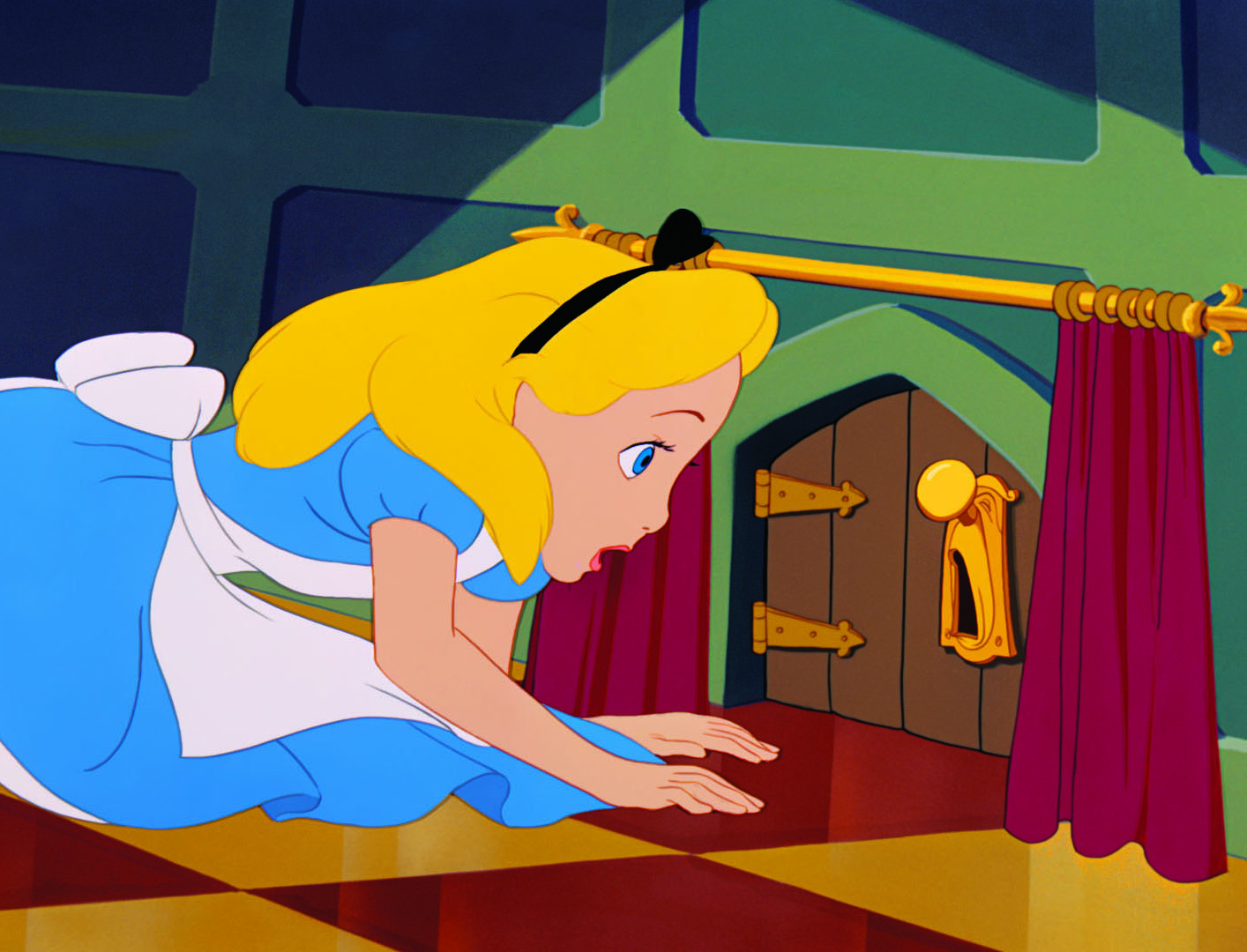
“Begin at the beginning,” the King said gravely, “and go on till you come to the end: then stop.”

By PJ Parrish

I had a whole ‘nother blog in the works today but Clare’s post yesterday on common amateur mistakes made me want to switch gears. That, and the fact that I was hearing voices in my head the other day and this is a good way to exorcise them.

A while back, I gave a talk to a beginning writers group about what makes for a great opening in a novel. We had a good time analyzing which of their openings had promise or why they had veered off track. It’s a popular topic, as we at TKZ here so well know, but I think it’s one that we all need to revisit constantly. Me included.

See, the other day, as I was pounding around the jogging oval at the park, I heard a strange voice whispering in my head. I had never heard her before, but she was insistent: “Tell my story! Tell my story!” I tried to ignore her, because as Kelly and I await the Sept. 9 launch of our new book SHE’S NOT THERE, we are 16 chapters into a new Louis Kincaid. And one of the commandments of novel writing is Thou Shall Finish One Book Before Starting a New One. But this woman wouldn’t shut up, so I went home and banged out 2,000 words. Wow! I never get out of the gate that fast! I was chuffed.

Well, I re-read it yesterday. Wee-doggies, it stinks. I open with a woman sitting alone in a fishing boat in the Everglades. She is thinking about her life and what brought her to this point. She is sad. She is regretful. She is boring as hell. I also larded in pages of description of the saw grass, the weather, the clouds, the water, even the type of fishing lure she was using. Finally, toward the 2,000-word mark, I reveal she is a Miami homicide detective who turned in her badge when her husband and child were killed in a drug deal gone bad that she was involved in.

This morning, I deleted the chapter. Lesson number 1: Just because you have an idea doesn’t mean you should act on it. Lesson number 2: Even experienced writers have trouble with openings.

Even Stephen King. You think you sweat bullets over openings? He says he spends months and even years before he finds his footing. I read this recently in an interview King gave to The Atlantic magazine. He talks at length about what makes for a great opening, and how hard it is for him to find the right one.

When I’m starting a book, I compose in bed before I go to sleep. I will lie there in the dark and think. I’ll try to write a paragraph. An opening paragraph. And over a period of weeks and months and even years, I’ll word and reword it until I’m happy with what I’ve got. If I can get that first paragraph right, I’ll know I can do the book.

And he makes a great point, that the right opening line is as important to the writer as it is to the reader:

You can’t forget that the opening line is important to the writer, too. To the person who’s actually boots-on-the-ground. Because it’s not just the reader’s way in, it’s the writer’s way in also, and you’ve got to find a doorway that fits us both. I think that’s why my books tend to begin as first sentences — I’ll write that opening sentence first, and when I get it right I’ll start to think I really have something.

Which is why I deep-sixed my woman in the fishing boat. Maybe her story does need to be told, but I entered via the wrong door. I’m going to set her aside for a while. In the meantime, I am going back to school. Want to come along?

HOOKS

Enthuse or lose! What was the prime crime of my bad chapter? NOTHING HAPPENED! The first chapter is where your reader makes decision to enter your world. Your hook needn’t be too fast or fancy. It can even be quiet — like someone going on a fishing or hunting trip (see example below!).  But it must be suspenseful enough to makes us care about your character. Fancy hooks can be disappointing if what follows doesn’t measure up. If you begin at the most dramatic or tense moment in your story, you have nowhere to go but downhill. Also, if your hook is extremely strange or misleading, you might just make the reader mad.

What about opening with action scenes? I’ve seen it work well; I’ve seen it look silly. I think intense action scenes work only if they have context and reason for happening. Car chase, bullets fly, things explode, dead bodies! But unless you give reader reason to care about someone, it feels cheap and pushy, like a Roger Moore James Bond movie. If you can make us CARE about the person during intense opening action scene, yes. If not, it’s boring and trite.

OPENING LINES

A good one gives you intellectual line of credit from the reader: “Wow, that line was so damn good, I’m in for the next 50 pages.” A good opening line is lean and mean and assertive. One of my fave’s is from Hemingway’s story, “The Short Happy Life of Francis Macomber:  “It was lunch now and they were all sitting under the double green fly of the dining tent pretending that nothing had happened.”

A good opening line is a promise, or a question, or an unproven idea. But if it feels contrived or overly cute, you will lose the reader. Especially if what follows does not measure up.  Stephen King has two favorite opening lines. One is from James M. Cain’s great novel The Postman Always Rings Twice:  “They threw me off the hay truck about noon.”  Here’s King on why he loves it:

Suddenly, you’re right inside the story — the speaker takes a lift on a hay truck and gets found out. But Cain pulls off so much more than a loaded setting — and the best writers do. This sentence tells you more than you think it tells you. Nobody’s riding on the hay truck because they bought a ticket. He’s a basically a drifter, someone on the outskirts, someone who’s going to steal and filch to get by. So you know a lot about him from the beginning, more than maybe registers in your conscious mind, and you start to get curious. This opening accomplishes something else: It’s a quick introduction to the writer’s style, another thing good first sentences tend to do.”

GET INTO STORY AS LATE AS POSSIBLE

This is one of my pet peeves about bad writing…throat clearing. Begin your story just moments before the interesting stuff is about to happen. You want to create tension as early as possible in your story and escalate from there. Don’t give the reader too much time to think about whether they want to go along on your ride. Get them buckled in and get them moving. Preferably not in bass boat.

INTRODUCE THE PROTAGONIST

Another pet peeve of mine. Don’t wait too late in the story to introduce your hero. Don’t give the early spotlight to a minor character because whoever is at the helm in chapter one is who the reader will automatically want to follow. I call these folks “spear carriers” after the guys who stand in the background holding the spears in “Aida.”  They aren’t allowed to steal the spotlight when Radamès is belting out Celeste Aida. So don’t let your secondary characters get undue attention or the reader will feel betrayed and annoyed when you shift the spotlight.

IDENTIFY THE CONFLICT OR QUEST

Begin the book with conflict. Big, small, physical, emotional, whatever. Conflict disrupts the status quo. Conflict is drama. Conflict is interesting. Your first chapter is not a straight horizontal line. It’s a jagged driveway leading up a dark mountainside. Don’t put a woman in a fishing boat in the Everglades thinking about how crappy her life is and expect the reader to care.

WHAT IS AT STAKE HERE?

What is at play in the story? What are the costs? What can be gained, what can be lost? Love? Money? One’s soul? Will someone die? Can someone be saved? The first chapter doesn’t demand that you spell out the stakes of the entire book in neon but we do need a hint. And we don’t care that her fishing lure is a 1-ounce jig with a bulky trailer.

CREATE A DRAMATIC ARC

Your whole book has an arc, but every chapter should have a mini-arc. Ask yourself “What is the purpose of this chapter?” and then build your chapter around that. This does not mean each chapter needs a conclusion but it needs to feel complete unto itself even as it compels the reader onto the next chapter. The opening chapter should have its own rise and fall. It is not JUST A LAUNCHING PAD!

GET YOUR CHARACTERS TALKING

Dialogue is the lifeblood of your story and you need it early. Too much exposition or description is like driving a car with the emergency brake on. Likewise, don’t bog down your opening with characters doing menial things. Like fishing. Or thinking about boring stuff. Like fishing lures. Here’s some good advice from agent Peter Miller that I read once on Chuck Sambuchino’s Writer’s Digest blog: “My biggest pet peeve with an opening chapter is when an author features too much exposition, when they go beyond what is necessary for simply ‘setting the scene.’ I want to feel as if I’m in the hands of a master storyteller, and starting a story with long, flowery, overly-descriptive sentences makes the writer seem amateurish and the story contrived. Of course, an equally jarring beginning can be nearly as off-putting, and I hesitate to read on if I’m feeling disoriented by the fifth page. I enjoy when writers can find a good balance between exposition and mystery. Too much accounting always ruins the mystery of a novel, and the unknown is what propels us to read further.”

SO DOES THAT MEAN  I SHOULD OPEN WITH DIALOGUE?

This goes to personal taste. I’m not a fan of it, but I have seen it pulled off. But be careful because opening with dialogue tosses the reader into the deep end of the fictional pool with no tethering in time and place. This is like waking up from a coma. Where am I? Who are these people talking? I could be wrong because I haven’t read them all, but even Dialogue Demon Elmore Leonard gives you a quick couple lines or graphs first. (Okay, I’m wrong: LaBrava opens with “He’s been taking pictures three years, look at the work,” Maurice said.) But if your dialogue only leads to confusion, that isn’t good. Which relates to…

ESTABLISH YOUR SETTING AND TIME FRAME

The first chapter must establish the where and the when of the story, just so the reader isn’t flailing around. Yes, you can use time and place taglines, especially if your story is wide in geographic scope or bouncing around in time. But if your story is fairly linear and compact (taking place, say, all within six months time in Memphis), sticking a time tag on each chapter only makes you look like you don’t know how to gracefully slip this info into your narrative.

ESTABLISH YOUR TONE AND MOOD

First impressions matter. From the get-go, your reader should be able to tell what kind of book he is reading – hardboiled, romantic suspense, humorous, neo-noir? Yes, the cover and copy conveys this, but you need to convey it in your opening. Everything in your book should support your tone, but the first chapter is vital to inducing an emotional effect in your reader. I’ve mentioned Edgar Allan Poe’s Unity of Effect often here but it’s worth repeating: Every element of a story should help create a single emotional impact. But remember that a little mood goes a long way – think of a few swift and colorful brush strokes rather than gobs of thick paint.  Did you know that in the Everglades, intense daytime heating of the ground causes the warm moist tropical air to rise, creating the afternoon thundershowers? And that most of the storms happen at 2 p.m.? I should have just wrote “It rained in the afternoon.”

MAKE YOUR VOICE LOUD AND CLEAR

This is where you are introducing your story but also yourself as a writer. Your language must be crisp, you must be in complete control of your craft, you must be original! Shorter is usually better. No florid language or indulgent description, no bloated passages, no slack in the rope. The reader must feel he is being led by a calm, confident storyteller. See quote about by Stephen King about James M. Cain.

BACKSTORY AND EXPOSITION

The first chapter is not the place to tell us everything. Don’t be like a child overturning his bucket of toys — then it’s just a colorful clamor, an overindulgence of information. Exposition kills drama. Backstory is boring. Give us a reason to care about that stuff before you start droning on and on about it. Incorporating backstory is hard work, but you must weave it artfully into the story not give us an info-dump chapter 1.
Shoot-1

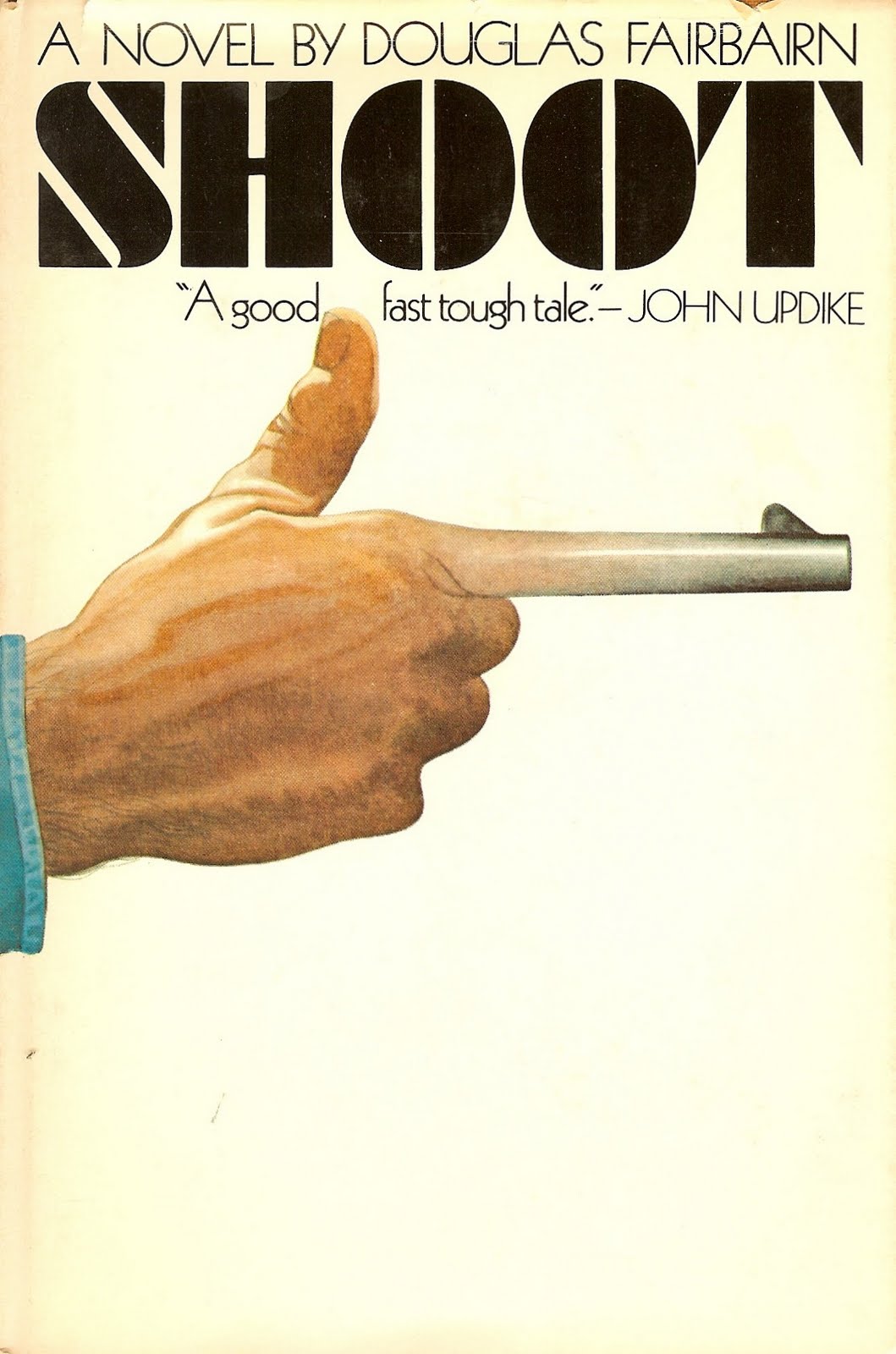
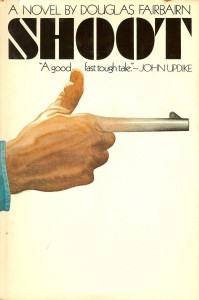
To end, let’s go back to Stephen King. So we know he admires James M. Cain. But what is his all-time favorite opening line? It is from Douglas Fairbairn’s novel Shoot. Here’s the set-up: A group of middle-aged guys, all war vets, are on a hunting trip. As they come to a riverbank, they spot another group of guys, much like themselves, on the other side. Without any provocation, one of the hunters on the opposite bank raises his rifle and fires at the first group, wounding one man. Reflexively, one of the first group returns fire, blowing the shooter’s head apart. The opening line: “This is what happened.”

And here is King on why he loves it:

“This has always been the quintessential opening line. It’s flat and clean as an affidavit. It establishes just what kind of speaker we’re dealing with: someone willing to say, I will tell you the truth. I’ll tell you the facts. I’ll cut through the bullshit and show you exactly what happened. It suggests that there’s an important story here, too, in a way that says to the reader: and you want to know. A line like “This is what happened,” doesn’t actually say anything–there’s zero action or context — but it doesn’t matter. It’s a voice, and an invitation, that’s very difficult for me to refuse. It’s like finding a good friend who has valuable information to share. Here’s somebody, it says, who can provide entertainment, an escape, and maybe even a way of looking at the world that will open your eyes. In fiction, that’s irresistible. It’s why we read.

King loves it so much, he echoed it in the opening of of his own novel Needful Things: “You’ve been here before.”  And guess what? It’s his own favorite opening. Which is a good place to end, I think.


Indie Book Store Confidential

books

Editor’s note: Kris is up in the wilds of Northern Michigan helping her sister Kelly move into a new condo. She is busy painting the kitchen so Kelly is stepping in today. All these stories are true but the customers’ names have been withheld for obvious reasons.

It was a dark and snowy night. I was working the late shift all alone at Horizon Books in Traverse City. The cavernous store was as empty and quiet as Al Capone’s vault. The windows dripped with sweaty heat. Across the street, the red neon sign of the Milk and Honey Ice Cream shop beat blood-red, like a broken heart.

I was leaning on the counter, reading a copy of Hilary Mantel’s Wolf Hall. I only cracked it open because it was my job to know what’s hot and I always did my job. But I was only twenty pages in and I was already tired of characters named Thomas.

Suddenly, the air turned cold, sashaying over me like a discarded mink stole. I saw a dame standing near the door. Red heels, silk stockings, red skirt and a high-collared leopard fur coat with a matching hat, cocked with sass. She wasn’t young but I could tell she had paid a lot of money to have folks think otherwise.

Her baby blues jumped left and right and her red lips pursed slightly as she approached the counter. I knew what she was going to ask for. I knew because not only is it my job to know what’s hot, I got a knack for knowing exactly what people want.

She was an easy read. Before she ever reached the counter, I discreetly reached into what we at the store called “The Case.” The Case is where we keep the VHS Porn Movie Guide, Cannabis Culture magazines, Naked Art Books, the Karma Sutra, and a handful of other titles low-lifes have a tendency to sticky-finger out the door.

I wrapped my hand around the slick spine of a trade pulp and laid it silently on the counter. The dame blushed and reached her for dough. It cost her sixteen Washingtons, all shades of green, but I had a feeling that she would’ve paid fifty, one dollar for each shade of Grey.
Then she was gone into the white confetti of the Michigan night, just one of a hundred happy Horizon readers, eager to experience literary new worlds.

I was just being introduced to yet another Thomas in Wolf Hall when the door opened again. This time, it wasn’t milk and honey but milk and cookies. Shirley Temple with red hair and Sock Monkey mittens. She could barely see over the counter.

“Do you have Mable Makes a Move by Anne Mazer?”

I love little kids who read. There are so few nowadays. I punched at a keyboard that was so old it looked brushed with fingerprint dust, and scrolled through our 1990s WordStock system for the title. Yeah, the computer’s as old as the Clinton-Lewinsky scandal, but hey, it works. And indie bookstores don’t have much cash flow. Nothing came up. Section 904 -– younger young adult — is not my area of expertise. I’m a hard-boiled kind of clerk.

“Is that part of a series?” I asked.

She gave me the How-dumb-are-you? eye roll. “It’s the Sister Magic series. Book Six. Anne Mazer. M-a-z-e-r.”

Feeling a hundred years old, I strolled to the 904 aisle to get the book for Miss Sassy Pants. But I found myself standing there in a maze of pink and purple books, all with glittery spines and little blonde girls and unicorns on the covers.

“There it is,” the girl said as she snatched the book from the shelf. She was back at the counter with the exact change before I could bag her up.

“You’ll enjoy that book,” I say to make conversation as she counted her pennies.

“It’s not for me,” she said. “It’s for my younger sister. I’m reading The Chronicles of Narnia by C.S. Lewis. It’s very old but holds up well. Thank you.”

I sighed in satisfaction as I watched her go, amazed and hopeful for the next generation. Finding the right book for the right reader is the best part of my job. But that’s only part of what goes on in an independent bookstore.

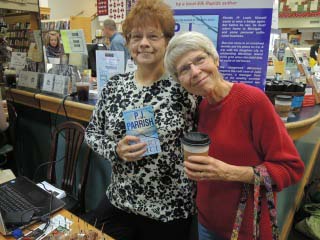
Kelly posing with our book HEART OF ICE and a very nice Horizon Books customer

Kelly posing with our book HEART OF ICE and a very nice Horizon Books customer

We all wear many fedoras here. We shelve new arrivals and ship out the flash-in-the pan hardcovers when they fall off the NYT list. We find impossible-to-find out of print titles for discerning readers. We babysit authors for signings, from the local geezer who wrote a fly-fishing guide to the likes of Steve Hamilton and Mardi Link. We tote books to business luncheons, library fund raisers and school carnivals. And yeah, we make coffee, too. Some of us even know latte art.

You learn a lot working behind the scenes. Some things you might not want to know, like what’s really in a Jimmy Dean sausage. But if you want the dope on how you, as an author, can get the “bulge” (advantage) when working with an indie store, well, maybe this hardboiled old bookseller can give you some hints:

1. Don’t piss off the Author Events Manager.
2. Do not bring in consignment books without being asked.
3. When you first approach the Events Manager, please arrive with sufficient materials in hand so the manager knows what the book is about. A copy of the book might be good.
4. Do not call every Sunday and ask how many books you sold this week.
5. Do not show up late for your event. Maybe, just maybe, people might be waiting.
6. Don’t be a stump. Most events will not require you speak to a group. Your first store events will be done at a table, behind a pile of books. STAND UP. Talk to people, and smile. Have postcards or flyers with a synopsis and let the customer walk away and read your stuff. Pretty good chance they will come back and buy. Flyers can be printed at home!
7. If your book is non-returnable, do not expect your bookstore to carry it on any basis but consignment. You bring it in and get paid only if you sell one.
8. If your book is consignment, do not be surprised if your local store refuses to carry it or do an event. It’s just the way it is. However, even if your book is from Createspace, if it has local interest, many stores are very likely to not only carry it, but actively promote it.
9. If you visit your bookstore as a reader, do not ask a salesperson to look up a book and when you find out the store does not have it but can order it for you, do not tell them you are going to go home and order it from Amazon, where you can get it cheaper. You might find yourself with a boot up your butt as you go out the door.
10. Remember that the folks who work in indie bookstores usually are there because they really love books. And writers. But remember that they are human and just might be having a bad day at the latte machine or just had to deal with a really dicey customer.

Which brings me back to that dark and snowy night. It was near closing and I had already done most my duties: run out the stragglers, reshelved the books people sat and read for eight hours, cleaned the coffee bar, took out the trash, and rolled the pennies for the day shift.

I was this close to a clean getaway when another cold blast of air made me look to the front door.

The kid was standing there wet and bedraggled. As he slurped over toward me, I saw the piercing in his nose and the desperation in his eyes.

“I need a book,” he whispered.

I had already locked up The Case and wasn’t about to open it for another would-be weed farmer.

“We got books,” I said.

“I need it for school,” the kid said. “It’s called One Flew Over the Cuckoo’s Nest.

The kid looked like he didn’t have the strength to go get it himself, so I hopped over, came back and slid the slender paperback across the counter. He stared at it like it was a dead walleye.

“Is this hard stuff?” he asked.

“Not too bad.” I paused, feeling a moment of pity for this pathetic creature. “You seen the movie?” I asked.

His eyes brightened. “There’s a movie?”

“Yeah, it’s a little dated but it’s good and has a powerful message on the mental health system in America.”

The light left his eyes.

“Hey, you can’t go wrong with Jack Nicholson,” I said.

“Who’s he?”

I shook my head and picked up the wad of crumbled bills the kid had set on the counter. I bagged up his book and sent him back out into the night, locking the door behind him. I watched him until he disappeared into the swirling snow.

Life wore a man out, wore a man thin. Tomorrow would be a better day.

I pulled the string on the light and the neon – BOOKS! OPEN! – sign went silent.

Everything I Ever Learned
I Learned From Potboilers

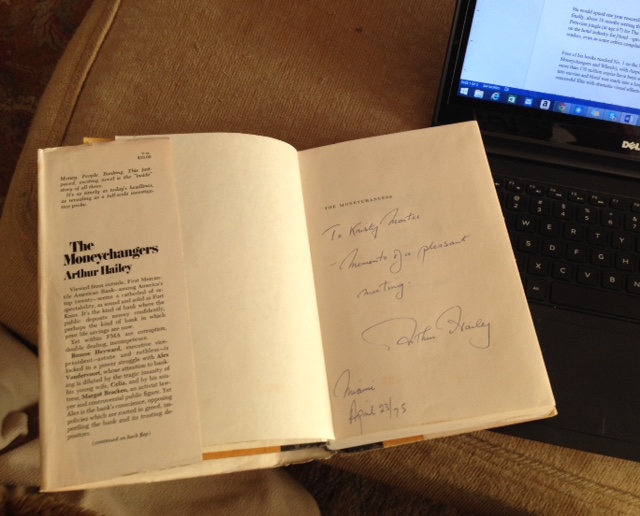
My signed first edition of Arthur Hailey's The Moneychangers.

My signed first edition of Arthur Hailey’s The Moneychangers.

“A great book should leave you with many experiences, and slightly exhausted at the end. You live several lives while reading.” — William Styron

By PJ Parrish
We moved around a lot when I was a kid, and like a plant with shallow roots, I was always sending out feelers toward solid ground. I found it in libraries. I couldn’t always count on having the same address every year, the same classroom or even the same friends for very long. But I always could count on finding old faces and familiar places in the local library.

Paradoxically, it was in libraries where my love of exotic places and travel was born. No matter what was going on in my little life, I could escape to somewhere else by opening a book. My library card was my first passport.

Novels took me around the world, but they also taught me things — about history, religion, politics, philosophy, human psychology, medicine, outer space – filling in the gaps left by my spotty education. Even after I went to college, made my own money and settled down, novels remained my autodidact keys.

I learned about the American Revolution through John Jake’s Kent Family Chronicles. I studied medieval Japan through James Clavell’s Shogun. I was able to wrap my brain around the complex politics of Israel and Ireland after reading Leon Uris. James Michener taught me about Hawaii and Edna Ferber took me to Texas. Susan Howatch’s Starbridge series sorted out the Church of England for me. Ayn Rand made me want to be an architect for a while, or maybe a lady reporter who wore good suits. (I skimmed over the political stuff.)

And Arthur Hailey taught me to never buy a car that was made on a Monday.

I got to thinking about Hailey and all the others this week for two reasons: First, was an article I read in the New York Times about the Common Core teaching controversy (more on that later). The second reason was that while pruning my bookshelves, I found an old copy of The Moneychangers. This was one of Hailey’s last books, written after he had become famous for Hotel, Wheels, and that quintessential airport book Airport. I interviewed Hailey in 1975 when he was touring for The Moneychangers. I remember him as sweet and patient with a cub reporter and he signed my book “To Kristy Montee, Memento of a Pleasant Meeting.”

I had read all his other books, especially devouring Wheels, which was set in the auto industry of my Detroit hometown. Hailey, like Michener, Clavell, Uris et al, wrote long, research-dense novels that moved huge, often multi-generation casts of characters across sprawling stages of exotic locales (Yes, Texas qualifies). Hawaii, which spans hundreds of years, starts with this primordial belch:

Millions upon millions of years ago, when the continents were already formed and the principle features of the earth had been decided, there existed, then as now, one aspect of the world that dwarfed all others.

How could you not read on after that? But the main reason I loved these books was for their bright promise of cracking open the door on something secret. Here’s some cover copy from Hailey’s The Moneychangers:

Money. People. Banking. This fast-paced, exciting novel is the “inside” story of all three. As timely as today’s headlines, as revealing as a full-scale investigation.

Shoot, that could be copy written for Joseph Finder now.

Many of these books were sniffed off as potboilers in their day. (Though Michener and Ferber both won Pulitzer Prizes). But the writers were, to a one, known for their meticulous research techniques. Hailey spent a full year researching his subject (he read 27 books about the hotel industry), then six months reviewing his notes and, finally, about 18 months writing the book. Michener lived in each of his locales, read and interviewed voraciously, and collected documents, music, photographs, maps, recipes, and notebooks filled with facts. He would paste pages from the small notebooks, along with clippings, photos and other things he had collected into larger notebooks. Sort of an early version of Scrivener.

51dyqvF1YqL._SY344_BO1,204,203,200_

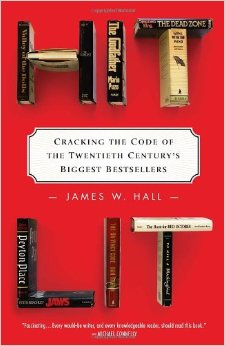
For my money, these books were a potent blend of entertainment and information, and they endure today as solid examples for novelists on how to marry research with storytelling. In his fascinating non-fiction book Hit Lit: Cracking the Code of the Twentieth Century’s Biggest Bestsellers, James W. Hall analyzes what commonalities can be found in mega-selling books. One of the criteria is large doses of information that make readers believe they are getting the inside scoop, especially of a “secret” society. The Firm peeks into the boardrooms of Harvard lawyers. The Da Vinci Code draws back the curtain on the Catholic Church. Those and all the books I cited delivered one thing in spades — the feeling we are learning something while being entertained.

Which brings me to Common Core.

This is an educational initiative, sponsored by the National Governors Association and the Council of Chief State School Officers that details what K–12 students should know in English language arts and mathematics at the end of each grade. I read this week that as part of the Common Core mandate, English teachers must balance each novel they teach with “fact” material –news articles, textbooks, documentaries, maps and such.

So ninth graders reading The Odyssey must also read the G.I. Bill of Rights. Eight graders reading Tom Sawyer also get an op-ed article on teen unemployment. The standards stipulate that in elementary and middle school, at least half of what English students read must be supplemental non-fiction, and by 12th grade, that goes up to 70 percent.

Now, I’m not going to dig into the politics of this. (You can read the Times article here.) And I applaud anything that gets kids reading at all. What concerns me is that in an effort to stuff as much information and facts into kids’ heads, we might not be leaving room for the imagination to roam free. As one mom (whose fifth-grade son came home in tears after having to read the Universal Declaration of Human Rights), put it, “If you look at the standards and what they say, nowhere in there does it say, ‘kill the love of reading.’”

One more thing, I then I’ll shut up:

There was a study done at Emory University last year that looked at what happens to the brain when you read a novel. At night, volunteers read 30-page segments of Robert Harris’s novel Pompeii then the next morning got MRIs. After 19 days of finishing the novel and morning MRIs, the results revealed that reading the novel heightened connectivity in the left temporal cortex, the area of the brain associated with receptivity for language. Reading the novel also heightened connectivity in “embodied semantics,” which means the readers thought about the action they were reading about. For example, thinking about swimming can trigger the some of the same neural connections as physical swimming.

“The neural changes that we found…suggest that reading a novel can transport you into the body of the protagonist,” said Gregory Berns, the lead author of the study. “We already knew that good stories can put you in someone else’s shoes in a figurative sense. Now we’re seeing that something may also be happening biologically.”

Maybe those poor eighth graders just need to crack open some Jean Auel, SE Hinton or Cassandra Clare.

Blurring the Lines
Between Heroes and Villains

good_evil

“Each film is only as good as its villain. Since the heroes and the gimmicks tend to repeat from film to film, only a great villain can transform a good try into a triumph.” — Roger Ebert

By P.J. Parrish

You think it’s hard to find a good man? Try finding a really bad one.

I’ve been looking for bad men for more than fourteen years now. I’d say my sister Kelly and I are somewhat of experts on the subject of men with, ah…issues. Over the course of our thirteen-novel career, we’ve encountered every kind of twisted, tortured, miserable example of the male species you can imagine.

But they’re our villains and we…well, I won’t say we love them but we do lavish a lot of attention on them. And we need to confess something right now –- it is getting harder and harder to make bad guys good.  Or bad women, for that matter.

Great antagonists loom large in literature. Imagine Othello without his Iago, A Clockwork Orange without the deranged Alex Delarge or Joseph Conrad’s Heart of Darkness without Kurtz. Where would Harry Potter be without Voldemort, or Dr. Jekyll without Mr. Hyde? And Milton didn’t lose Paradise without a big push from Satan.

Within the thriller genre, the villain is almost as important as the hero. And creating a truly original villain is one of our prime challenges, mainly because readers are savvy. They’ve read all the good books, seen all the forensic shows, and can smell a Hannibal Lector rip-off a mile away. We’ve always worked hard to make our villains full-bodied characters, especially when we delve into the serial killer sub-genre, which can be cliché quicksand. In reality, most criminals are as dumb as stumps. But the fiction writer’s task is to create a villain who is a worthy adversary for the hero, and in the best of our genre the villain is as complex and textured as the protagonist.

As Roger Ebert recognized, heroes and villains tend to repeat from film to film. It’s the same with mysteries and thrillers. Our fields have been tilled by so many great (and not-so-great) writers, that it’s gotten harder to create truly unique protagonists and antagonists. Just this week I started a new book by a well-known thriller writer but somewhere south of page 100, I was beset with déjà vu. No, I hadn’t read this specific book before (Yeah, I have been stupid enough to do that!) But I had read it a hundred times before by other writers.  It was the same old cop chasing the same old bad guy for the same old reasons. It gave me sympathy for agents and editors and how they must feel when they read the hundreds of queries and manuscripts they get every day. Been there, read that, bought the t-shirt. (But not the book).

img-thingI got to thinking about good villains the other night during a bout of sleeplessness, and while channel surfing happened caught The Talented Mr. Ripley. It’s a nifty screen adaption (directed by Anthony Minghella) of Patricia Highsmith’s great book. I like both versions for different reasons but mostly for the portrait of the title character. In a way, Ripley is both protagonist and antagonist, in that the story centers around his arc but he also lies and murders in cold blood to get what he wants.

Ripley is smart and a quick study, but he is hollow of heart and soul. In the book, Highsmith sketches out his painful childhood as an orphan, berated by a mean aunt. But the author is more concerned with Ripley the sociopathic chameleon who will assume any shape to get what he wants. There is some of this in the movie, but Matt Damon’s character is more pathetic than lethal, desperate to fit into the world of the rich. You almost get the feeling the Matt Damon Ripley could change — if only he could find someone to love him despite his black heart. (Which he does…but even that doesn’t work out too well.) Highsmith’s Ripley is a serial killer who over the course of four more books continues his amoral ways and keeps one step ahead of the law.  (I’ve just downloaded the second Ripley novel, Ripley Under Ground where in Tom has resurfaced in France. I’m headed there soon I like to read books set where I am on vacation.)

Partly, I am going back to Ripley because I have an idea for a new book that will depend very heavily on the villain. I want to read Highsmith to see how she did it — sustain a compelling story centered not around a sympathetic traditional protagonist but his polar opposite.

The Killing SongI think we were moving toward this kind of book with our stand alone thriller THE KILLING SONG. We gave equal weight to our protagonist and our antagonist. They each had their own character arc and themes, as well. Theme and character go hand and hand for me. Whenever we start a new book, Kelly and I immediately begin searching for our themes because we believe they are the underground railroads upon which a plot runs — and they illuminate character. In THE KILLING SONG, the theme for our hero Matt Owens is: What happens when you only look away for a moment? His beloved sister disappears from a Miami nightclub when he looks away but the theme has a deeper meaning as Matt pursues her killer.

But we also had a theme for our villain, which emerged from the juxtaposition of beauty and degeneration. We decided our villain would be a classical musician, a man of grace and refined taste living in Paris, one of the most beautiful cities in the world. We wanted to contrast the beauty of his “upper” world with the horrors of his “lower” world of serial murder. Laurent Demarais was a violinist in our first draft but became a cellist when we realized the cello’s deeper tone just seemed to fit his personality.

Like Tom Ripley, some of his demons were born in childhood. Laurent’s father was an acclaimed conductor who pushed his son so mercilessly to become a prodigy that the beauty of music became twisted, and then a second childhood trauma planted the seed for his evil that took two decades to mature.  Part of the plot for Matt is uncovering the clues from Laurent’s childhood so he can better understand the monster he is now hunting.

But beyond childhood, we had to ask the hard question we ask of every character we create: What does Laurent want? I think this is the most important thing a writer asks herself as she goes along. If you don’t know what your characters want you can’t really articulate on the page what their motivations are. I think of this “want” as coming in layers that move from the most superficial: the hero wants to find the bad guy; to the most complex: He wants to find his own true identity. I wrote about this in length a while back. You can find the post HERE. 

On the superficial level, Laurent wants to kill. But trying to figure out what he wanted in the deepest parts of his soul — yes, even villains have them, though black and withered they may be — helped us plumb his psychological depths and make him less a cardboard monster. Laurent Demarais wears a mask of sanity. I wish I could say that is my phrase but it is the title of a great book about psychopaths written in 1941 by a doctor named Hervey Cleckley. He concluded that killers can seem sincere, intelligent, even charming. But beneath that lies a heart incapable of human emotion.

Even today, seventy years later, that mask of sanity is a great description for the classic villain whether in reality (Ted Bundy) or art. (Annie Wilkes in Stephen King’s Misery, Glenn Close in Fatal Attraction or even Hal the computer in 2001 Space Odyssey. I’m sure you can think of many other examples.)

FINAL COVERIn our new book SHE’S NOT THERE, (comes out Sept. 6 but is now available for pre-orders), we don’t have a traditional villain. There is no obvious struggle between good and evil, no ticking clock, no creep stalking a family at their cabin, no Dr. Evil trying to rule the world. It’s psychological suspense, which meant for us that all “action” had to emerge completely from character motivation. James N. Frey (author of How to Write a Damn Good Novel) calls psychological thrillers a style, rather than a subgenre. He says that good thrillers focus on the psychology of their antagonists and build suspense slowly through ambiguity. If you’re a regular here, you know how much I like ambiguity. (Link HERE).

She’s Not There was very hard to write. Not only does it have an unreliable narrator (Yeah, I loved Shutter Island, too.) It was hard to write because we couldn’t rely on the old tropes of serial killers, pebbled glass PI heroes, or power gone wild to build tension.  When the tension sagged, we couldn’t just fling another corpse onto the page. The story’s theme is: What happens to you when you drift downward into living an inauthentic life? Almost all my characters are struggling with this, pulled down by dark secrets and disappointments, and they are all fighting to break back to the surface and breathe again. Yes, people die. Yes, there are creepy moments, high tension, even a cross-country chase.

But my villain?  He’s not there. At least in the conventional sense. You won’t be able to spot him by his black hat. You won’t see him lurking in the shadows or toting an Uzi.  He’s hiding in plain sight, deep inside each of my characters, even the good ones. And for a long time, you don’t know if the good guy is really the bad guy. Or vice versa. Or both.