About Joe Moore

#1 Amazon and international bestselling author. Co-president emeritus, International Thriller Writers.

I Write Fat

By John Gilstrap

After receiving the email to which my manuscript for Damage Control (July, 2012) was attached, my agent wrote back the following: “Only 110,000 words? For you, that’s a novella.”

Smartass.  But she has a point: I write fat.
One of my critique partners who writes full-time and produces one book a year (plus maybe a short story or two) writes books that are only 70,000 words, and she does quite well with them. Granted, her genre is humorous mysteries, which always run shorter than thrillers, but still.
Even my contracts call for books that are approximately 100,000 words, and I’ve never once clocked in at under 110K. I don’t think I’m capable of telling an entire story in 70,000 words.
I’ve given this some thought in preparing for today’s blog post. While I don’t really write to a formula, I do, I believe, have a pattern to my storytelling rhythm.
The first 10,000 words are dedicated to the opening sequence (the hook) and the final 30,000 words or so are dedicated to the final climactic sequence. That middle 60K is where all the work is done–all the backbreaking plot development and backstory revelations that have to feel to the reader like real action. It’s not easy to do, but there are shortcuts that make it less hard:
Keep scenes short. Expository scenes in particular need to be as short as possible. I’ve heard it explained as starting the scene late and leaving it early. If characters are meeting for coffee, for example, start with them already in their seats and the coffee in front of them. If it’s important to have them enter or exit on screen, make sure to use that action for some kind of conflict or character development.


Use space breaks. On average, my chapters run about 12 pages, and they each consist of two scenes, and those contiguous scenes typically come from different parts of the story.  They almost always present a different point of view. I think this gives a feeling of motion to the reader. Also, by looking away from the action of one character for a while, you build suspense in the reader who’s anxious to get back to it after the space break.  (Oh, yeah.  And the scene you break away to has to be as compelling as the one you leave.)


Remember that shorter feels like faster. As the pace of the book picks up toward the climax, my space breaks become shorter. Sentences, too. Bang. Toward the end of the book, those 12-page chapters may have as many as four or five space breaks.


End chapters on cliffhangers. You need to be a little careful with this one, because if overused, cliffhangers can feel cheesy and manipulative. Of course, they always are manipulative; but the trick is to make them not seem that way.


So, dear Killzoners, what am I missing? What other tricks are there to give a sense of motion to your writing?  And how long do your manuscripts run?

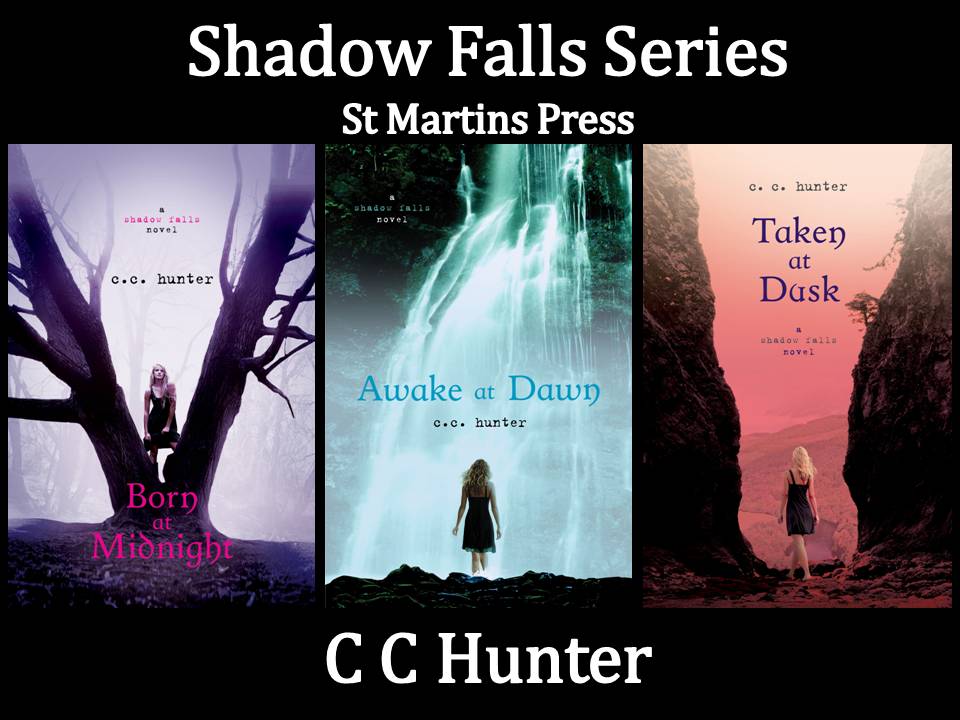
Imagine Being Sixteen & Told You Aren’t Human – Guest C C Hunter

By Jordan Dane


I’ve had the pleasure of meeting C C Hunter years ago before I’d sold my first book. In a Texas term, she’s a real HOOT! Her career always showed promise, but when she stretched into the Young Adult market, she has become a shooting star and I couldn’t be happier. I wanted to share her successful series at THE KILL ZONE with an overview introduction and Q&A.


Another choice BOOK GIVEAWAY for TKZers – C C Hunter will give away BORN AT MIDNIGHT & AWAKE AT DAWN plus swag to two lucky visitors who comment today. Those names will be picked at random & announced on this post. Now here is a summary of the series.


Imagine being sixteen and told you aren’t human?


The Shadow Falls series follows sixteen-year-old Kylie Galen, who, when the story opens, has had a lot of crap tossed in her lap. Her grandmother dies, her parents are getting a divorce, her boyfriend breaks up with her because she wouldn’t put out, and her parents think she’s losing her mind because she’s acquired a stalker that only she can apparently see. When she attends a party with her best friend, and the cops arrive to shut it down because of underage drinking, Kylie finds herself being shipped off to Shadow Falls Camp. Kylie and her parents think it’s a camp for troubled teens.


They thought wrong.


Kylie’s surrounded by vampires, werewolves, fairies, witches and shape-shifters. And if she believes what they tell her, she’s one of them. They’re just not sure exactly how she fits in. And her stalker? Well, he’s just a ghost and he’s come to Kylie for a reason. Apparently, part of Kylie’s powers is being able to communicate with the dead. Not that’s she’s all that happy about it.


As Kylie struggles to cope with the realization that these supernatural beings even exist, and the fact that she might not be human, she’s got two hot guys, a werewolf and a half-fairy, vying for her attention. She cares for them both, but how can Kylie decide between them when she doesn’t know who she is. Or worse, what she is.


Shadow Falls . . . it’s not your average identity crisis.


Q – How is writing for YA different from your adult writing?


CC: That’s an interesting question. My adult books are humorous romantic suspense novels, while my YA series is a paranormal romance. Now the genre itself brings in some differences. For example, the paranormal elements will bring in a bit more of a darker flavor. And when I studied the YA market, I discovered that most YAs resembled Women’s Fiction, when it came to their plotlines. By that, I mean that unlike in a romance, the book isn’t driven solely by the relationship between the heroine and her love interest. It’s a part of the plot and a very important part of the book, but it’s not the sole thing moving the story forward. Most YA novels are “coming of age stories” that blend romance, friendship, family, and self-discovery—a lot of the same things that women’s fiction novels bring to the table. However, other than the genre tweaks, and the blend of subplots, I don’t change anything about my writing voice when I write YA. The things that do change are the characters, their paradigm, and their world. When you look at life, sex, love, family, and friends from the viewpoint of a sixteen–year-old, it will not be the same as that viewpoint of a twenty-seven year old.


Q – Why did you make the switch from adult to YA?


CC: I love to write. I love to tell stories. And I’m having a blast writing YA. However, I’m still writing my humorous romance novels. My story of how I got into writing YA is a little different than some authors. I wasn’t writing or planning on going down this road. One could call it luck, but I think it’s more about synchronicity. I seriously believe that when you are on the right path, when you are following your heart, putting your best effort behind your goals and dreams, and working on your karma points, you will often find surprises along the road. You may find yourself taking a new road that you hadn’t planned on exploring, and yet it feels natural because in some crazy, subconscious way, it was part of the universe’s plan all along.


As for how I ended up on this path . . . I had finaled in a contest years before I had sold and I’d gotten my book in front of an editor at St. Martin’s Press. She liked my writing, but didn’t buy the book. Later, my agent sent this same editor a proposal for a humorous paranormal romance. The editor loved it, but the senior editor didn’t.


However, the editor who loved my voice kept an eye on my career as I started to publish in the romance genre. Then, when they were looking for writers for their new YA program, she contacted my agent and asked if I would be interested in writing a YA. I almost said no, because I didn’t have a clue if my voice would work in the YA market. When I shared my concerns with this editor, she claimed the reason she’d thought of me for this was because of my voice. She said I was a smarta$$ and teens liked that. Who would have guessed that being a smarta$$ would have gotten me somewhere in life? Especially when my mama told me it wouldn’t. LOL.


Q – What trends do you see in YA for authors interested in writing it?


CC: Trends? Okay, I hear the paranormal YA market is getting pretty crowded. I also heard that suspense YA is on the rise. Now, saying that, let me tell you my thoughts on trends. I will never tell people to ignore the trends, because I think we need to be aware of them. However, I think following a trend when it’s not your cup of tea is a big mistake. I think the most important thing you can do when plotting a book is to find a theme that is the most relatable to your audience. Some call it a universal emotion. Find a theme that will resonate to the largest audience possible. For example, one of my bigger themes in the Shadow Falls series is on identity crisis.


Q – Is there a difference between YA readers vs adult readers?


CC: I think a good story is a good story. And readers of all ages are looking for the same thing: A story that is hard to put down with characters they can care about. When I went to plot my Shadow Falls series, I knew right off the bat that I wanted a story that was relatable to both teens and adults alike. I had seen how the Twilight series had been embraced by both teens and adults, and I wanted to accomplish this myself. So what I concluded was that I needed a universal theme that would appeal to young and old alike. And I felt the theme of an identity crisis is one we all face as we move in and out of different stages of our lives.


As for the differences I see in how YA readers and adult readers relate to authors… Well, I do probably get more fan mail from teens. This is so much fun, because I love hearing from readers. However, it does take quite a bit of time responding to those emails. I also find that having an Internet presence is more important because teens spend so much time online.


When I first started writing Born at Midnight, I thought the books were going to be shorter than my single title romances. And before I really started writing, I sort of thought they would somehow be less complicated to write. Boy howdy, was I wrong. As the story started to come alive, I realized I had so many secondary characters and each character had a story to tell. I was grateful that my editor really allowed me to build the series the way I wanted to build it. To create and weave in the sub-plots that would involve all the things that my adult books have: humor, mystery, suspense, and romance.

That’s our guest spot for today. Ask C C questions, she’ll be checking in. Thanks for being our guest today, C C, and for the generous offer for swag and free books. Love ya, gal!

CONGRATULATIONS TO WINNERS – Paula Millhouse & Sarah Evans. The signed books have been shipped. Thanks, CC!

Storytelling Magic

Over the weekend, one of our neighbors a block away had a loud party. The music reverberated through our house. As our bedrooms faced the direction of their home, I took refuge in the family room with a pair of earplugs and a sound-making machine. I turned on the steady rain sound and curled up on the couch. Around 1:00 am, I woke up and crawled into the bedroom for the rest of the night. The house was blessedly quiet. Ah, Silence is Golden.

Wait a minute. I’m getting a mental message.

Silence is a treasure beyond words.

This sentence popped into my mind. Of course, silence is a treasure, and the absence of words may describe the quiet state. But this phrase means something more. It relates to my Work in Progress, a paranormal romance based on Norse mythology. My characters are hunting for the legendary Book of Odin, while other characters in my trilogy search for a fabled rune.

What if the rune translates to the above sentence? What does it mean? Does it refer to a real treasure? Or is it the silence that will ensue once the evil demon Loki is defeated and the final battle is over?
It’s wonderful when your subconscious supplies you with ideas. Usually, these gems come to me when taking a walk, in the shower, driving, or nearing sleep. This is the magic that occurs when your story inhabits your head and it just can’t wait to come out. You think that all you need to do is sit at the computer and let the words pour through your fingers. But unexpected ideas seep through the barriers when your defenses are down. They can provide you with solutions to plotting problems or add a new wrinkle to complicate your tale.

Twice in the midst of mysteries, I’ve tossed in a new character that wasn’t in my original synopsis. Then I had to relate this character to the story. I’ll do the same with the above sentence, but oh, what a delightful challenge. Hey, my characters don’t know what it means when they interpret the rune. Why should I? We’ll discover its significance together.

For those of you who are writers, can you recall instances when ideas related to your story have flashed into your mind like a neon sign, begging you to incorporate them into your tale?

JACK CANFIELD’S SUCCESS: 10 Tips to Self Promote Like a Marketer

By Kathleen Pickering http://www.kathleenpickering.com/
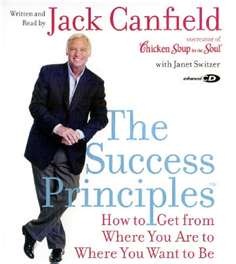
jack canfieldJack Canfield spoke on one of Steve Harrison’s marketing webinars on “How to get from where you are to where you want to be.” Listening and taking notes, I couldn’t help but nod like one of those spring-neck dolls in the back window of a California low-rider and think, “This plan can work!”

Most everyone has heard that Canfield’s first Chicken Soup book was rejected 144 times. He also didn’t mind sharing that he’d maxed out his credit cards up to an impressive $400,000 to get his business off the ground. Now, I don’t feel so badly about my marketing debt!

Jack said his success turned around when he applied a marketing mindset to his book sales. By thinking like a marketer, Jack Canfield achieved resounding success. He has sold millions of copies of his books, and enjoys huge notoriety as an author and motivational speaker.

Jack’s webinar was loaded with advice from which I’ve culled ten tips for success by thinking like a marketer. While much of this advice works especially well for non-fiction or how-to books, Canfield’s advice can be tailored for fiction, as well. Here goes:

1. People remember stories. Telling stories is emotional Velcro to the mind. When promoting your book, introduce it with a background story, i.e., the inspiration behind the work, obstacles to publications, happy endings. A story gives your listeners insight to you, your process and gives them the opportunity to become proactive in your success by buying your book.

2. Have a mission behind your work, i.e., why you’ve written your book. Canfield’s Chicken Soup series were written to inspire and empower people to live their highest vision to achieve their personal goals through body and soul. Why do you write your books?

3. Decide to deserve to succeed and EXPECT success, including personal satisfaction as well as monetary growth.

http://www.public-domain-image.com (public domain image)

4. DREAM HUGE! For whatever we dream, our subconscious will begin to seek solutions. Can you imagine? What a simple, yet great tool for achieving success.

5. Visualize your goal. Make print-outs of your dream and paste them all over the place! Visualize book stores with only YOUR book plastered in the windows. Jack’s efforts ended up with Chicken Soup for the Soul books having their own section in book stores! Here are more tools for visualization:

– Use vision boards — put them on your screen saver. (Here’s a link to creating vision boards on my website: Kathleen’s Vision Boards)
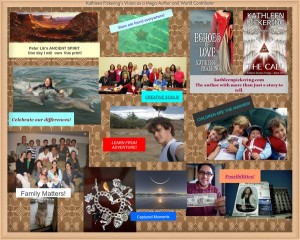
Vision Board 2

– Next, use affirmations. Speak out loud positive statements such as, “I am so joyful and happy that I am making millions of dollars a day using my God-given talent to make the world more aware of their relationship as ONE with each other and our Creator.” (This is Jack’s affirmation. What would yours be?)

6. Take ACTION on your IDEAS. Others may have the same thoughts but only a few will act. ACTION brings success.

7. Live your gratitude for your success:

– You can be a go-getter or a go-giver! Be a go-giver! Use the motivation of wanting to give the best for your reader. (Back to the idea of writing a GREAT book. You can’t market junk!)

– Identify a charity to receive a portion of proceeds for all books written. Put that charity in the back of the book. When you give these organizations recognize you and help you market your product.

– Give away chapters from your book.

– Give away articles about/from your book.

– Give FREE talks. Speak to different churches, chambers of commerce, libraries, schools.

8. Become a Joiner. Join associations and pay dues. Your exposure is well worth the expense to be around other professionals in your field where you can network. You never know who you will meet who has a solution to one of your goals. (This just happened for me at the NINC conference in Tampa. While chatting with a man about social media marketing, he gave me a resource for selling a game idea I have. That precious nugget wouldn’t have been delivered if I hadn’t been “out there” to receive it!)

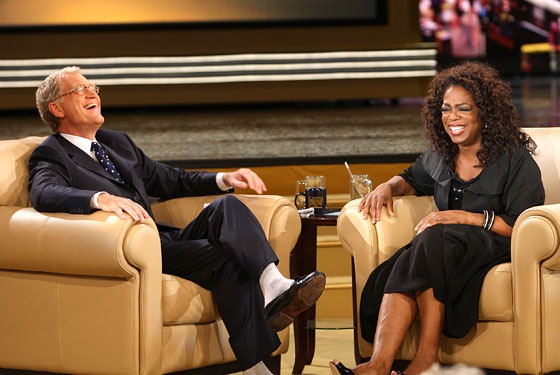
9. Target radio and TV interviews. I can see myself sitting across from Oprah or David Letterman, one day—despite the fact that they both look like they’re laughing at the idea in the photo. But, seriously, can you see yourself in one of those seats?

oprah-ends-show

As we all know, a book is like an iceberg: 10% is writing; 90% is marketing. You have to be out there among people! Books travel word of mouth. But, they can’t travel if no one is talking about them. Take whatever interviews you can get. The more interviews keeps your product before viewers and guarantees sales. How to get exposure:

– Get a directory of direct-marketing companies and call and pitch your book to see if they will sell your book for you.

– Get a directory of radio shows to see who will let you speak about your work. The successful, spiritual motivational speaker, Scott Peck, said he started with three radio interviews/week for a year. Best are to get a one hour interview so listeners can really get to know you.

– Internet radio shows are excellent, too, because that is niche marketing.

10. Never underestimate the useful tool called Bypass Marketing. One out of 7 people go out to buy books. That means 6 folks do not go out to buy. Bypass Marketing is taking the book to where you don’t think people will go to buy a book, i.e., gas stations, bakeries, pet stores, salons, spas, doctor’s offices. Anywhere someone has to wait is the place to leave your book.

Canfield says, when you start thinking differently, visualize and act like a marketer, you attract the audience your require. New thinking brings the audience to you . . . automagically.

Yes, you too can create your own words when you’ve sold over 80 million copies of your books. How big are your dreams? Which of these tips appeals most to you?

Podcasts, Research and Marketing

by Clare Langley-Hawthorne

Ever since I purchased my iPhone and iPad a year and a bit ago, I have become a podcast junkie. I listen to them in the car, while cooking, even while walking the dog, if the mood so inspires me. I simply cannot imagine my life without listening to podcasts (of course, that might also be because Australian radio totally sucks!) After our recent blog discussions on ‘discoverability’ and the ebook revolution, I started thinking about all value of podcasts in terms of research, marketing and publicity for authors. Although I haven’t (as yet) done my own podcasts, I can definitely see a role for them in the future for many authors.

Already I find podcasts are a great source of research and ‘idea generation’ – granted that is probably because, as a writer of historical fiction, I find the BBC History Magazine, BBC Witness, History of the World in 100 Objects and British Library podcasts so invaluable. I can be driving in my car when suddenly I hear a segment and I think – wow, file that away for a future novel!

I also hear about a good many books that I end up purchasing via podcasts. It might be a review on the New York Times Book Review podcast or on an NPR podcast or it might be through an author interview. Though it is just as hard to get these review/publicity opportunities for authors, I do think the wealth of podcasts out there widens the options for many authors seeking to publicize or discuss their novels.

Which leads me to the plethora of author options when it comes to podcasts. These include doing some yourself (either interviews or book readings) or appearing/speaking on other people’s podcasts. There is even an option of publicizing author book tours this way ( Such as the Tattered Cover bookstore’s authors on tour live podcast or Barnes and Noble’s video podcasts). Apple even has its own “Meet the Author” podcast series and, for mystery writers the ‘Behind the Black Mask‘ podcast series. I am sure this is just the tip of the podcast iceberg…and so, as I delve further into the podcast opportunities that abound, I’d like your feedback…
  • Have you incorporated podcasts into your marketing or promotional efforts, and if so how?
  • Which author/writer podcasts do you listen to?
  • Are there any podcasts that influence your book buying decisions?
  • How do you think authors might be able to use their podcasts to help increase their ‘discoverability’? (Secretly I am hoping my sexy Australian accent will by ticket to my success:)!)
And finally, TKZers, what do you think? Maybe we should expand our repertoire into podcasting?


What Gives Me the Writing Heebie Jeebies


heebie-jeebies |ˈhēbē ˈjēbēz|, pl. n., a state of nervous fear or anxiety


I love almost everything about writing fiction.
Getting the idea is the most fun. I can come up with concepts all day long. Ideas constantly pop into my head, or I’ll see something on the street that gets me asking, “What if . . . ?” I write these down put them in an electronic file. Every so often I go over the ideas and cut-and-paste the best ones into a document called “Front Burner Concepts.”
Eventually one of these grabs hold and says, “I’m the one, Dude.” And then I’m totally jazzed. Because starting a book with a killer idea is like falling in love. The writing of a first draft is the first year of marriage. You’re committed. You’ve still got glow. It’s young love and that keeps you going, keeps you bringing flowers to the project all the way through.
Then comes the editing process. This is like marriage counseling. Now you’ve got to work to keep you and your story together. There are problems to address. And if you’ve received an advance, divorce is out of the question. But with time and patience and some give-and-take, you’ve got your final draft done.
And then . . .
I just received the page proofs from my publisher for the next book in my Mallory Caine, Zombie-at-Law series. The title is The Year of Eating Dangerously and it takes Mallory through a full year of dealing with her brain-consuming ways while defending the downtrodden in the courtrooms of Los Angeles.
This is where I get the heebie jeebies. This is the last time I’ll get a crack at the book before it goes to the bookstores and readers.
Which is why I never read any of my books once they’re in print. I’m too afraid I’ll find a mistake, or something I wish I’d phrased differently. At least with digital self-publishing one can make changes fairly easily. But in the traditional world, usually it’s one-and-out.
So, dear reader, send up a good thought for your humble correspondent as he takes pencil to page . . . and trembles.
What part of the writing process do you dearly love . . . or dread? 


I’M ALL SWIMMY HEADED, SO I MUST BE DOING IT RIGHT.

John Ramsey Miller

Just to get everybody up to speed, I’m going through my process as I rewrite and move to publish my latest novel. At this point I am thinking I will probably self-publish as an eBook. That said, I won’t rule out a paperback deal if my agent wants to shop it and a publisher wants to put it out.

So two weeks ago I said I hired an editor who’d left a major house to go with her husband and kids to Ohio. I’ve finally read through her notes, and frankly she has nailed the weaknesses I painstakingly installed in BURNING BRIDGES from its inception. I can see it all clearly now. And (as always) I’m embarrassed for my agent who sent this to the editors, and for myself because my name is on the MS. What was I not thinking? I know that if I can’t fix all of the flaws, I can certainly make different ones to replace them. This is the point in the process where I feel like I’m at my desk in a classroom wearing BVDs.

DEAR GOD, NOW THEY ALL KNOW I CAN’T WRITE!

Editors always start editorial letters with something like, “I really enjoyed my read of (Name of the novel goes here). There’s a lot to like in the book as well some things I have trouble with.” Translation: Holy Mother of God, what is this steaming pile of crap you sent me?”

Okay, that’s the old insecurity shining through like the warming rays of a neutron bomb.

The editor I am utilizing is as good as any editor I’ve ever worked with and I have worked with the best. Another plus is that her sense of humor is pitch perfect. An example of editorial humor would be a circled sentence with this penciled into the margin… “Please read this over carefully and tell me that this is in English.”

My process is akin to what a blind and starving wolverine that’s been thrown into a henhouse might go through in those first few moments when the wolverine senses the meat, and the chickens become aware of their situation and reach critical mass freak out in a confined space.

I must also say that I am not gifted with organization skills beyond lining up Skittles in neat lines by color and eating them one hue at a time.

First I read the ten-page editorial letter several times to get a general picture of the depth of the stacked-word catastrophe. Next I cleared off my dining table and placed on it my laptop, laser printer, index cards, legal pads, ink and roller ball pens, sharpened Black Warrior pencils, red erasable pen, stick-on notes in yellow, those peel off arrows in six colors, Snickers bars, and roll in my Herman Miller Aeron in Author Black that I bought years back.

The next day my table was a huge disaster, and I was juggling the edited MS, a blank document for rewriting, killing, or combining chapters, and creating new ones from scratch. And there’s the construction document where I will assemble the refined mess. Then I will print that and go back and edit myself before having the editor hit it again to see if I was successful. All of this will take a month to six weeks. And each day when I sit down I have no idea what the session will bring to the pages.

I think initial confusion and wading through the piles is how a pretty good effort sometimes goes on to become a very, very good book. That is what keeps me going at this point. More to follow…

Virtual Book Tours – YA Style

By Jordan Dane

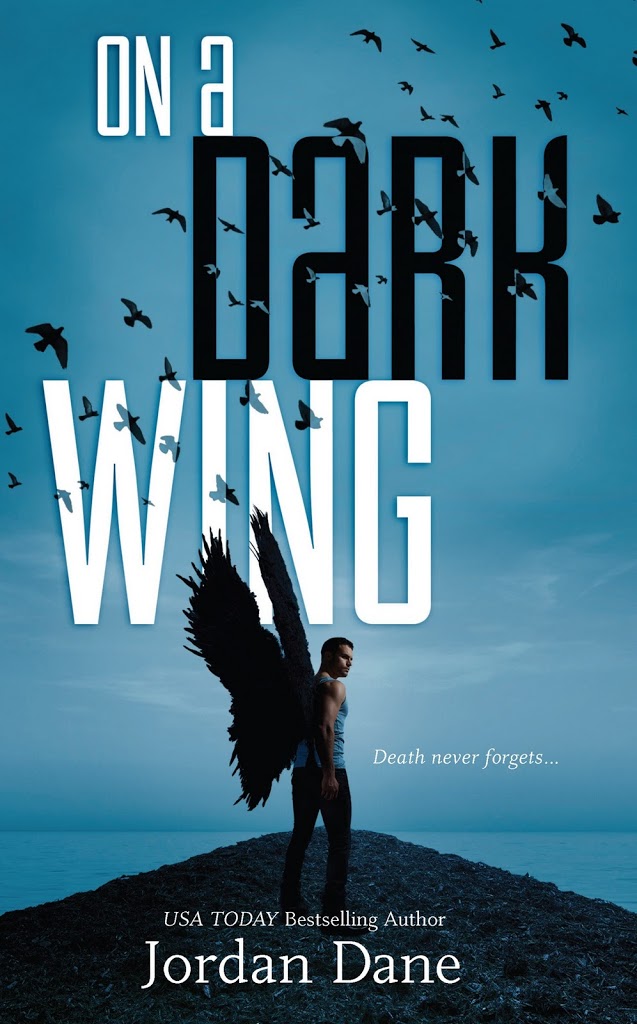
On a Dark Wing – When 16-year old Abbey Chandler cheats Death and lives past her expiration date, her lucky break comes at a heartbreaking price. And Death has never forgotten.

For my adult debut “No One” series for HarperCollins, a gracious group of aspiring authors offered to conduct a virtual tour for me. It would be their first and they wanted to learn how to do one. Being a new author, I jumped at the chance. I learned a lot from that experience. It brought traffic to my website and exposed me to new readers, but it was also a lot of work to come up with fresh material at each tour stop. It exhilarated and drained me at the same time, if that makes sense. By the end, I had nothing to really gauge my effectiveness, except that I had made new author friends, which I’m always grateful for.


Flash forward to the present—and my, oh my—how things have changed.


After reading my Young Adult (YA) debut book – IN THE ARMS OF STONE ANGELS – YA fantasy author Trisha Wolfe of YA Bound loved my book and contacted me. We kept in touch. She’s a talented author with her debut book – DESTINY’S FIRE – coming out in early 2012. When she heard I had book #2 being released soon—ON A DARK WING (Jan 2012, Harlequin Teen)—she asked if she could host a virtual book tour for me. I’m learning so much from her. She’s a very generous soul. With more and more readers following each other’s review sites and getting book suggestions from this growing resource, it intuitively made sense to me that I should tap into this trend, but how? I had little idea how to get “Discoverability” as Clare Langely-Hawthorne described in a great TKZ post on Monday.


Here’s what we’ve done to date and I’ll share what’s ahead.


COVER REVEAL – I held off on revealing my cover until YA Bound was ready to launch the sign up for bloggers wanting to be tour stops. This took coordination with my house so they wouldn’t make my cover available to public forums like Amazon or Goodreads.


TOUR HOSTS – From my Twitter & Goodreads activity, I had the pleasure of meeting Trish of YA Bound online, but I’ve learned since then that hosts sometimes charge for their services to host a tour. Another site I’ve heard about is THE {TEEN} BOOK SCENE. Coordinator Kari has a great reputation and conducts her services for free, but asks for donations. If you query “Virtual Book Tours” online, you will find many links on the subject, including host sites who may specialize in your type of genre.


TOUR SIGN UP – On Oct 3rd, when I posted a reveal of my cover, I announced that YA Bound would host my online tour and sign ups would start on Oct 4th. On the first day, Trish told me we had a record number of blogs join the tour and more were coming. The sign up period ends Oct 31. The last time I checked, we had 45 blogs on that list. The next step will be to evaluate who will get selected. Participants will be notified soon with the tour to commence as soon as YA Bound determines a schedule.


TOUR REQUIREMENTS – What do bloggers do on the tour? Look at YA Bound’s tour requirements HERE. Trish’s experience as tour host shows in this detailed list of requirements. The more that is spelled out in advance, the smoother things will run, but an experienced tour host is vital to make the tour look effortless.


DISTRIBUTING ARCs – Harlequin Teen uses Netgalley to get advance reader copies into the hands of tour members as well as other online reviewers who are approved by them. My book is HERE on Netgalley. To read Harlequin Teen’s reviewer criteria, click HERE.


BANNERS & COUNTDOWN WIDGETS – Trish created a tour banner using my cover and the logo of my publisher. These graphic designs can cost money, but Trish did mine for free using WidgetBox. She did an amazing job. Click HERE to see the tour banner and the countdown widget she created for free too. These banners and countdown widgets can be cross posted by bloggers and sites signed up for the tour to help spread the word. But anyone can grab the code, even if they aren’t participating in the tour.


TOUR STOP VARIETY – In my very first virtual tour, most of the tour stop formats were Q&A interviews where the host (who had read the book) would ask interview questions that ranged from book inspirations to craft advice. By the time you schedule 20 tour stops, however, this format can lose steam when the questions seem redundant. With the new tours, the host will work with each tour stop to come up with different kinds of features. I’ve seen longer lists of ideas to make each stop unique, but here are only a few (some of my favorites): Vlog Interviews (video interviews with the author posted online), When I’m not writing (highlights of hobbies, family or pets), Author Book Picks, Cover Interview, Author with Editor Interview, Character Tweets (I’m planning one with Death), Character Interviews, or a Top Ten List that can be related to the author or the book. There’s more, but this will give you an idea of how creative these tour stops have gotten.


GIVEAWAYS – My publisher has contributed books to giveaway on the tour, but my character, Abbey Chandler, will have a special gift for readers who win a book. She’s says it’s a secret. [Insert eye roll here. She can be a real drama queen.] And at the conclusion of the tour—on a live chat hosted by YA Bound—a Grand Prize will be given away. It’s really cool, but I’m not saying what it is yet. Shhh!


GRAND PRIZE – A grand prize will be given to tour participants who make every stop & comment or participate. As you might imagine, the grand prize is aptly named for its GRANDEUR, incentive for blogger to FLIP OUT!


SOCIAL MEDIA TANGO – With every tour stop, it will be key to promo on Twitter or other social media sites. My tour host will help with this and so will my publisher & other bloggers who are part of the tour. This could be significant & retweeting (RT) by others can add fire to the buzz. I’m a big lover of Twitter. Most morning, I check in to see what’s happening. I RT messages or post a link to TKZ to promo our post using appropriate hashtags (ie #writing, #amwriting, #publishing) if the posts relate to craft or industry. Hashtags allow my Twitter messages to reach beyond my followers and tap into a bigger universe on Twitterville, folks who follow writing or publishing news.


TWITTER CONTESTS – I recently saw an author run a series of quick contests on Twitter for a limited period of time. She had simple rules stated in advance, but her main reason for conducting the giveaways was to get her ARCs (Advance Reader Copies) into the hands of readers AND to gain followers. Her ARC freebies earned her hundreds of followers in 2 days. ANOTHER CONTEST TIP – If you’re running book giveaways on Twitter or via a link you are tweeting, use the hashtag #BOOKGIVEAWAY to call attention to your post and reach beyond your own followers.


GAUGING RESULTS – A daily posting group blog like TKZ can lighten the load of posting to a blog and is very helpful for name recognition. Plus, if you blog or have a website, you can use stats to gauge traffic to your site. Recently, James Scott Bell noticed that TKZ had risen to #37 in literature blogs and brought that to our attention. Joe Moore pointed out that we see 1500+ page hits a day on average. On these Blogger stats you can see where traffic comes from and Twitter is a big resource to drive people to your site. If you’re not using Twitter to its fullest potential, you’re missing out on a freebie.


Since many of you who follow TKZ are considering self-publishing or have already taken the plunge, I wanted to share what I’ve learned on advance promo that can create buzz about your book. You can find opportunities to promote your work that are cost effective or spend a little money on giveaways or find the right host to showcase your novel.


Please share your thoughts on what has worked for you or ask questions about virtual book tours. TKZ is about sharing ideas and supporting authors.


Reckoning for the Dead (Adult thriller, Sweet Justice Book #4) – HarperCollins, Sept 2011 Now Available.


On a Dark Wing (Harlequin Teen, Jan 2012) – Virtual Book Tour Sign-up at YA Bound – Deadline Oct 31st.

Kill ‘em, kill ‘em all!

By Joe Moore

phoenix-apostles-webFirst, a huge thank-you to everyone who responded to Amazon’s “daily deal” promo yesterday and downloaded the e-book version of my newest thriller THE PHOENIX APOSTLES. It quickly became the #1 bestselling Kindle book on Amazon. I hope everyone enjoys it. Let me know what you think.

And now back to our regularly scheduled blog . . .

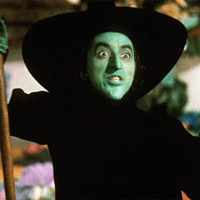
OK, so most of the time we expect the bad guys to get their just rewards in the end. We imagecan all think of a million examples like the Wicked Witch melting to the cheers of the crowds. But what about killing everyone including the heroes? What about ending it  for all concerned and leaving no survivors?

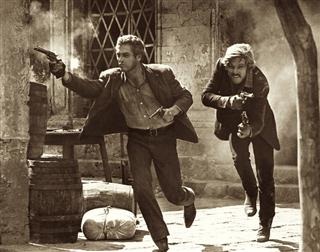
Why would a writer eliminate all the main characters? Think it’s rare? Think Shakespeare. He was big on killing off the bcsk1 (Mobile)entire cast. Let’s look at the movies for a second. Think The Wild Bunch or Butch Cassidy and the Sundance Kid. How about The Godfather or Gladiator? Not too many walked away from those stories unscarred.

Writers, have you ever killed off the whole cast, good and bad? Do you hesitate killing off someone the reader cares about? After all, killing a character, especially one that the reader is attached to can add great emotion and momentum to the story. But killing a character without a very good reason could kick the reader right out of the story. It can cheapen the blow of the death if there is no reason for it, and leave the reader feeling dissatisfied. Obviously, there must be a good reason to do it. Is it something you avoid?

Readers, have you ever read a book where the good and bad guys bit the dust? Did you feel satisfied?

So which is it? Curtains for everyone, or leave a few standing?

Creating a vision of your writing future

Photo by Wesley Fryer

I’m in Colorado Springs, where yesterday I was lucky enough to hear a keynote presentation by futurist Thomas Frey. Frey is Senior Futurist at the DaVinci Institute, and Google’s top-rated futurist speaker. His job as a futurist, Frey says, is to “help turn people around and give them some idea of what the future holds.”

Frey’s speech was targeted at business types, but much of his message applies to writers. One of his charts illustrated how digital media is rapidly displacing print. In the future, Frey said, society is going to become less text-based; keyboards will start to disappear (that may be already happening–think of how the touch screen is replacing key pads on Smart Phones). People are also going to have increasingly limited attention spans. (I worry about that one).

Rather than being controlled or frightened by the future, we should embrace and help shape it, according to Frey. He discussed various ways to create and implement a vision of the future. Those who successfully manage that change process, he said, will prosper and control the future. He called those people the “Futuratis.”

I like to think of the TKZ is a colony of potential Futuratis. As Jim and Clare discussed in their posts this week, we’re already grappling with the e-publishing revolution, trying to find ways to navigate through new, uncharted waters. My take-away from Frey’s speech was this: instead of simply responding to trends, we need to build and implement a vision of the future. By doing so, we can impact the very shape of the future itself.

I stayed up late last night reading Frey’s book, Communicating with the Future, and started thinking about my own vision of the future. I decided I’ve spent too much time reacting to the present, rather than mapping out my own vision of what the future will hold.

Have you created a vision of your future as a writer? Do you think you have what it takes to become a Futurati?