Have you read anything that made you feel differently about fiction?
Has a published book of fiction inspired you to try something different?
Is there a craft book that opened your eyes and gave you the inspiration to try something mind-blowing?


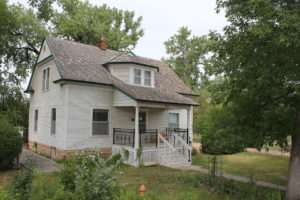
By Jeffrey Beall – Own work, CC BY-SA 3.0, https://commons.wikimedia.org/w/index.php?curid=21002061
For your reading enjoyment is another brave author open to feedback. My comments will follow. Feel free to share your constructive criticism in your comments. Let’s nurture this author, TKZers.
***
The words, sprayed in red, dripped like blood down the white siding of the ranch house on the corner. “They could have at least gotten the spelling right,” I called from the curb, loud enough for the woman in the yard, scattering grass seed from a coffee can, to hear.
Maggie looked up. She stood – a scarecrow with choppy, flaxen hair under a straw hat, worn jeans, and flannel shirt rolled to the elbow – and we looked at each other. She called toward the backyard: “June. We have company.”
A second woman approached along the slate flagstones that curved between a pansy-and-petunia border. Knee-length shorts and a Hawaiian shirt showed dimpled limbs and rose quartz skin. A halo of gray-flecked, light brown curls accented the cherub face. The tight line of her mouth loosened into something like a smile. Then her lips began to tremble and her eyelids flutter. She wrapped me in an airtight hug, which I returned with less vigor.
Maggie pressed June’s elbow. “June, get us some chairs. Can you sit a while, Kelly?”
They’d arrived two months before, in March, setting the block’s antenna twitching. Two single women, the wrong ages for mother and daughter, no men in sight. Sue Hoycheck said they seemed nice enough, but Sue was a kind-hearted grandmother who thought everyone seemed nice enough. They told Edie Isom they’d moved from St. Paul. One or the other –Edie couldn’t remember – had been hired to manage the art mall opening in the old Amtrak station downtown. When Olin Frey murmured that he’d seen just one bed – queen-size – come off the moving van, all the pieces fit together.
“It’s no big deal,” Lynn Franklin insisted. I’d come to Franklin’s Hardware to order specialty paints, coffee bean brown and French olive green, for a dining room trim. “As long as they return the rototiller they rented from us, who they sleep with is their own business.”
I smiled with mischief. “And if they don’t return the rototiller, who they sleep with is . . .?”
She frowned. “It may seem funny to you. You probably met a lot of them in New York. But around here . . .”
“I don’t know how many I met,” I said. “I’ll bet you don’t either.”
***
FEEDBACK
Overview: There is a lot for me to like in this intro. The inciting incident is a disturbance established with graffiti. It’s the first image the author draws our attention to. The idyllic setting is marred by red paint on the white siding of a ranch house. I particularly enjoyed the descriptions of the women. Very visual and easy to imagine. I also appreciated the underlying emotion in this scene when the visitor & the narrator console with a hug.
After I read and reread this intro, I noticed things that I would edit if this was my work. I had questions on POV and the characters as I read on. I sincerely enjoyed reading this intro. The talent of this author is very apparent, but some housekeeping is in order.
ESTABLISH GENDER: Since this is in first person, the gender of the narrator would be important as soon as possible from the start. This is minor, but add a word to this line:
I called from the curb, loud enough for the OTHER woman in the yard,…
Good call for the author to establish June’s name by having Maggie call out to her.
SENTENCE CLARITY: This is me, being nit picky. The sentence below might flow a little better:
BEFORE: “…loud enough for the woman in the yard, scattering grass seed from a coffee can, to hear.”
AFTER: “…loud enough for the other woman in the yard to hear as she scattered grass seed from a coffee can.”
STICK WITH ONE POV – If this scene is told from June’s singular POV, the intro should consistently be seen through her eyes. In the second paragraph, when Maggie looks up at June, this line follows”
and we looked at each other
I would suggest that the author stay in June’s head and try to imagine what she might see in Maggie’s eyes – worry, fatigue, hurt, concern, wariness? Or simply change the line to: “When my eyes fixed on Maggie’s, something passed between us.”
Another line switches the POV from June to Maggie: Maggie pressed June’s elbow. If this is truly meant for June’s POV, this line would read: Maggie pressed my elbow.
In paragraph 5, that begins with “They’d arrived two months before…”, the author switches from June’s POV to telling a “THEY” story. The POV should be consistent throughout this intro scene, so that line might read “I had moved with Maggie two months ago…”
But from this writing, maybe June and Maggie aren’t the “they” the author is writing about. Perhaps the author is writing about Kelly and her significant other. It’s not explained who Kelly is or why June is reticent to embrace her. By the time I got down to reading Lynn Franklin’s lines, I realized the hardware store owner was talking to June, as if June was an insider to the town. Some clarity is definitely needed.
If June and Maggie are the newcomers, other lines should be fixed for POV as follows:
BEFORE: Two single women, the wrong ages for mother and daughter, no men in sight. Sue Hoycheck said they seemed nice enough, but Sue was a kind-hearted grandmother who thought everyone seemed nice enough. They told Edie Isom they’d moved from St. Paul. One or the other –Edie couldn’t remember – had been hired to manage the art mall opening in the old Amtrak station downtown. When Olin Frey murmured that he’d seen just one bed – queen-size – come off the moving van, all the pieces fit together.
AFTER: We were two single women, the wrong ages for mother and daughter, no men in sight. Sue Hoycheck told others that we seemed nice enough, but Sue was a kind-hearted grandmother who thought everyone seemed nice enough. Word spread through town busy body, Edie Isom. It didn’t take long for folks to know Maggie and I hailed from St. Paul. Edie didn’t remember which one of us had been hired to manage the art mall opening in the old Amtrak station downtown, but I guess that didn’t matter much. But what set the town on fire came when Olin Frey murmured that he’d seen just one bed – queen-size – come off the moving van. That’s when all the pieces fit together for folks with small minds.
But if the “they” is Kelly and her partner or wife if they are married (unsure of the time period of this piece), then “they” should be explained with names.
EMBEDDED DIALOGUE – I would recommend to draw out dialogue lines so they are not embedded within a paragraph. It allows the reader to follow more easily and keep track of who is speaking.
The words, sprayed in red, dripped like blood down the white siding of the ranch house on the corner.
“They could have at least gotten the spelling right,” I called from the curb, loud enough for the woman in the yard to hear as she scattered grass seed from a coffee can.
Maggie looked up. She stood – a scarecrow with choppy, flaxen hair under a straw hat, worn jeans, and flannel shirt rolled to the elbow. When my eyes fixed on hers, something passed between us. She nudged her head and called toward the backyard.
“June. We have company.”
TIGHTEN SENTENCES WHERE NECESSARY: In the BEFORE line below, if the visitor’s lips are “beginning to tremble”, they are already trembling. A cleaner sentence would be:
BEFORE: Then her lips began to tremble and her eyelids flutter.
AFTER: Her lips trembled and her eyelids fluttered.
SHOW TIME LAPSE: When the dialogue line “It’s no big deal…” comes up, time has passed and June has left Maggie & Kelly or it’s another day or a memory. It would be nice to clarify this and I changed the flow a little in the AFTER example.
BEFORE: “It’s no big deal,” Lynn Franklin insisted. I’d come to Franklin’s Hardware to order specialty paints, coffee bean brown and French olive green, for a dining room trim. “As long as they return the rototiller they rented from us, who they sleep with is their own business.”
I smiled with mischief. “And if they don’t return the rototiller, who they sleep with is . . .?”
She frowned. “It may seem funny to you. You probably met a lot of them in New York. But around here . . .”
AFTER: Two hours later, I stared at the weary face of Lynn Franklin, owner of the local hardware store in town. I’d come to Franklin’s Hardware to order specialty paints, coffee bean brown and French olive green, for a dining room trim.
“It’s no big deal,” Lynn Franklin insisted. “As long as they return the rototiller they rented from us, who they sleep with is their own business.”
I smiled with mischief. “And if they don’t return the rototiller, who they sleep with is . . .?”
She frowned.
“It may seem funny to you. You probably met a lot of them in New York. But around here . . .”
“I don’t know how many I met,” I said. “I’ll bet you don’t either.”
SUMMARY: I really like how this ends. If the author adds clarity on the areas I brought up, the conflict is apparent, but I’m wondering where this will go and if it’s enough for a whole novel. The characters intrigue me. I would read on.
DISCUSSION:
1.) What changes would you recommend, TKZers? Would you read on?
2.) What possible plot twists can you see stemming from this introduction?

We’ve all experienced the naysayers who put up roadblocks for our writing passion, but what about those wonderful people who helped you nurture your gift? Please share some inspirational stories for those generous people in your life who have helped you write and sparked your passion.
Bonus points for sharing a story of how you paid the kindness forward to another writer. I know it’s hard to brag, but sometimes hearing a good story of support can inspire more of the same gestures.
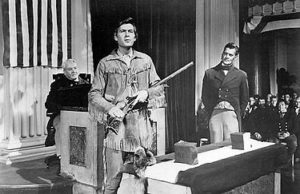
One of our TKZ regulars reached out and sent me a photo of his Davy Crockett attire when he was a lad after he read my post – “Nostalgia time: What TV show from your childhood Influenced you?”Nice raccoon hat, Dave. Don’t shoot your eye out.
Remember when we were kids and a TV show could inspire adventure in your life where you imagined YOU were Davy Crockett. We didn’t need much to entertain ourselves. An empty cardboard box became a fortress or a robotic monster. Things that people discarded became whatever we imagined them to be. Entertainment was cheap.
Dave’s photo reminded me of all the things my family did as kids. I came from a big family of 5 siblings and 2 parents. We were all about the same age as kids, around a year or two apart, so we hung out together in “the hood.”

TKZs Dave Williams as Davy Crockett
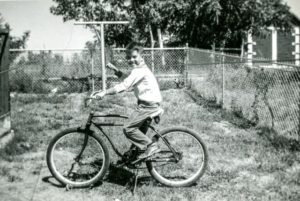
Nice bike, Dave. You and I have clothes lines in common.
When I was Dave’s age in this photo, I loved my westerns and read every horse book I could find. As kids during our summers out of school, my sibs (2 brothers and 2 sisters) would leave our home after breakfast and we stayed out all day. We built forts from fallen tree limbs and old boards, searched for arrowheads, rescued wounded baby animals, or launched rotten fruit fights with our rivals. We lived in a rural setting outside San Antonio and didn’t have many neighbors, especially girls. We had to make due with boys as friends.
Photographer: Sarachit
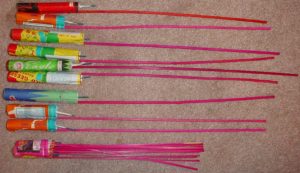
When fireworks were in season, we changed our weapons of choice to include bottle rockets shot from empty Coke bottles and staged a major offensive with the neighbor kids. A turned over picnic table was our command bunker. My older brother (our General) thought he’d be invincible if he wore a heavily padded and hooded jacket so the bottle rockets would bounce off him. That worked…for awhile.
I stood at his side when he took aim at a neighbor boy standing in his yard two houses down. My big bro held his Coke bottle and I lit the fuse. When the rocket took off, it switched course and zeroed back on him – got caught in his hood – and his head turned into spiraling, scorching roman candle with the pungent stench of burning hair. Yes, he could’ve lost an eye, but a scorched head is funny to a kid and gave him bragging rights that he survived. My older brother later served a career in the US Air Force and even became a base commander. Needless to say, stories from our “hood,” stayed in the “hood.”
During long summers, we had time on our hands and plenty of imagination. Even then I had a passion for writing and I would write parody scripts based on some of our favorite TV shows, complete with mock commercials. The Tremenderosa was born, replete with sound effects and recorded on audio cassette. My siblings would act out the parts, we’d experiment with sound effects and had a blast making our own audio recorded productions. Later, when I had access to my high school video equipment, we would do class projects with better equipment and my sisters and I did our own production of JABBERWOCKY, a nonsensical poem of made up words by Lewis Carroll that inspired us. My sisters and I still know the words.
My dad wasn’t allowed to have pets as a kid. His mother didn’t approve, but he made up for what he didn’t have by seeing his kids had a menagerie of odd animals in our backyard. We charged admission to the kids in our neighborhood, just to see our ZOO. We nursed wild animals back to health for release into the wild and we raised goats, dogs, horses, fish, exotic birds (a Toucan and various parrots), an iguana and baby crocodile, rabbits, raccoons, lizards and snakes, and various breeds of exotic chickens and guinea fowl (nasty buggers).

Wikimedia Commons
We never wanted for anything. We didn’t have a lot of money, but my parents made sure we attended private Catholic schools, had food on the table and nice clothes. At Christmas, we had all the excesses – including a weird metal roller coaster set up in our front yard and a zip line from a tall tree that dropped us at the mailbox at the street. We had toys, but we still preferred roaming the acres around us with our neighborhood “gangs.”
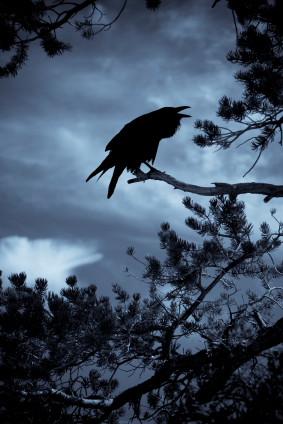
When we got a Ouija Board, all of us got into it and conjured ghosts we thought would scare the others. Halloween was a great time to scare the neighbor kids and we set up our house with sounds and things that rustled through the brush as kids would make the long trek up our driveway for candy. They would rarely make it to the front door. My young bro would rig wires to make things move across the porch and zip out from nowhere to attack them by air. Once they started to run, the rest of us would chase them in the dark, screaming. We got to keep the candy they didn’t stick around for.
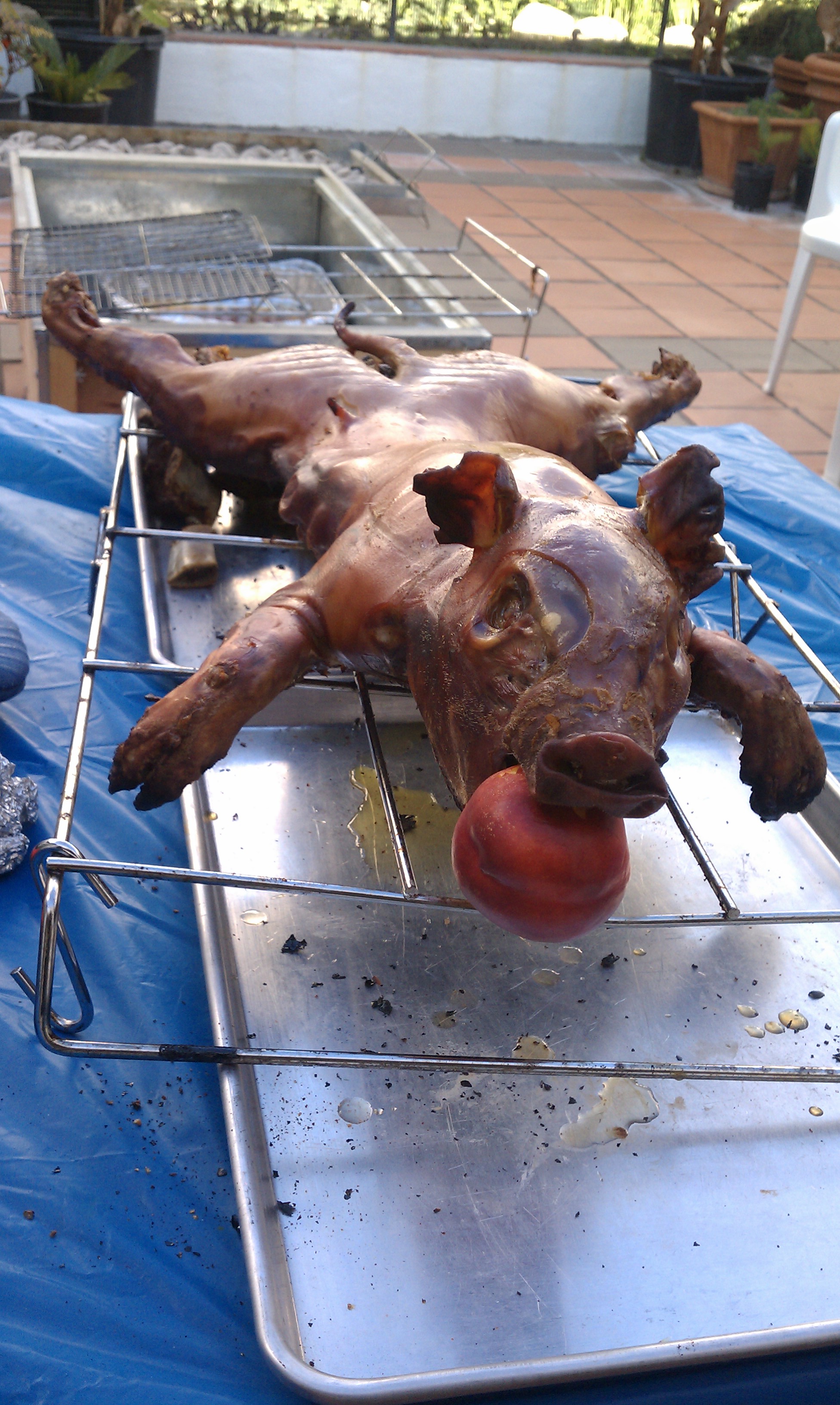
My dad fancied himself a gourmet cook, even though my mom always made better homemade food. But that meant dad was always trying new stuff, like pig roasting or goat over a fire pit. We were always trying weird foods. Again, it helped us become adventuresome and willing to try new things.
All of these memories inspired my imagination when I became a writer. I didn’t have to rely on scary movies to get the adrenaline pumping. I created my own horror show on the front lawn with neighbor kids as guinea pigs. We learned stealth and war time strategy from our firework assaults and as girls, my sisters and I learned about boys and how they thought and acted.
My childhood became a treasure trove of inspirations for me as a writer that I still draw upon. One of my greatest joys is to relive those years with my siblings since we are blessed to still have our parents with us. When we go on our annual family retreats, we still play jokes on each other and play games and tell stories around a campfire. I’ve been blessed with life experiences that fuel my passion to write. How about you?
For Discussion:
1.) Share some of the childhood stories that still inspire you as a writer.
2.) When you write a particularly scary or dramatic scene, what experiences do you draw from to make those scenes real?
I’ve been working diligently on getting my copyrights back from HarperCollins, HarlequinTeen, and Amazon Publishing (Kindle Worlds).
The Amazon Kindle Worlds novellas were simple. Amazon had discontinued their Kindle Worlds line and the stories reverted back to the authors in July. It left me with a number of stories where I had to tweak the covers and change the copyrights pages. Some of the host authors like Susan Stoker and Elle James started their own publishing companies and that made it easy to contract with them. Authors make great and fair partners. They are even making print formats for what were novellas only available in digital. As new publishers, they took on the traditional publishers’ roles and created the cover backs needed for print. That made everything smooth and easy for me to transition. I only had to indie pub two novellas.
When I got my YA book rights back from Harlequin Teen, that meant I had to do more. I had to create different covers and make any changes to the text and copyright page on the formatting. I’m in the middle of doing the book pages through my formatter – Kate at Wizards in Publishing. It was really fun to dive into my YAs and reread the books, but creating the covers from scratch (using only my opinion) really rocked. I got to tell the story through the art and the creative mind of my cover designer – Fiona Jayde Media.
This was my original cover from Harlequin Teen.
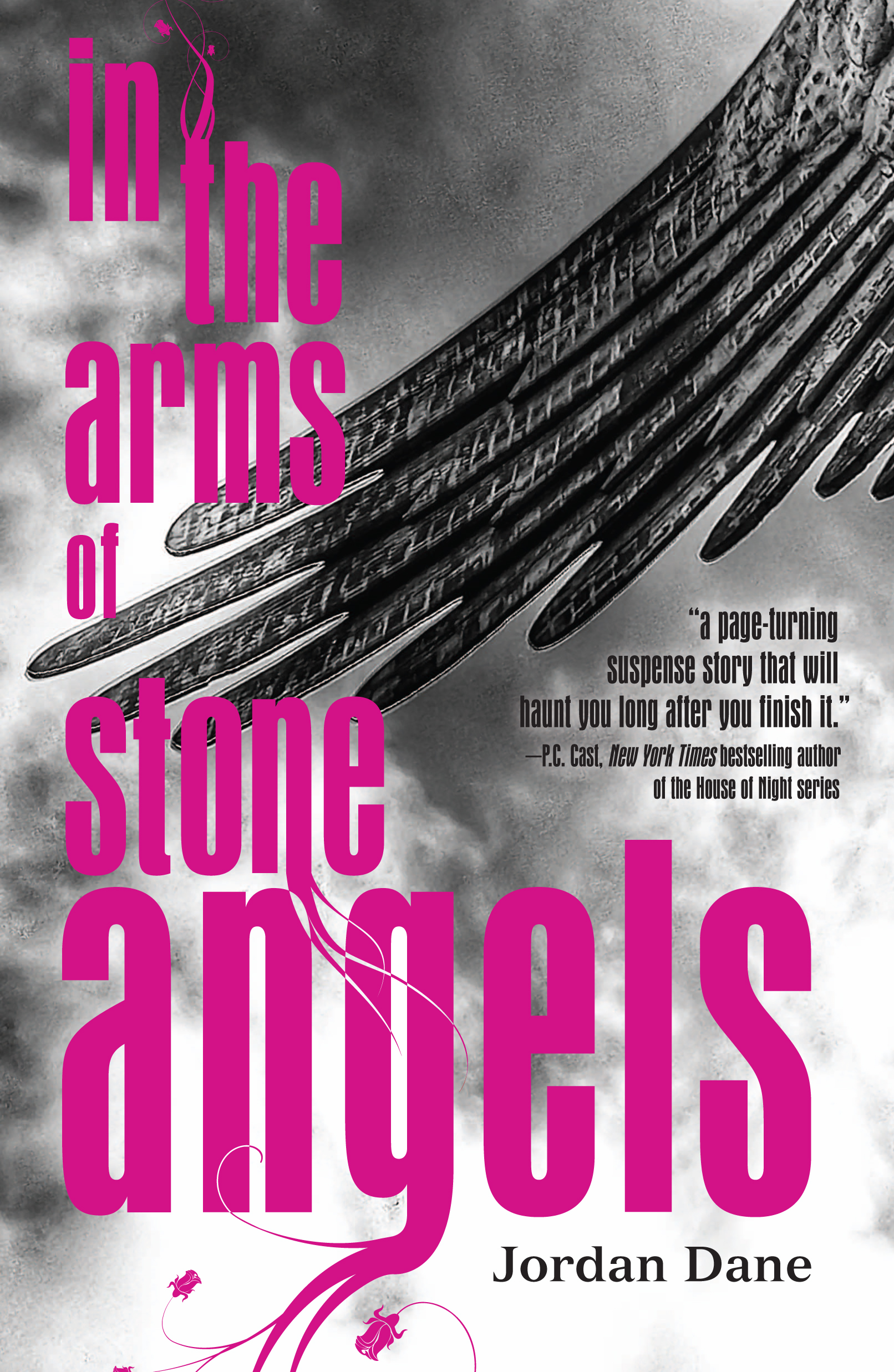
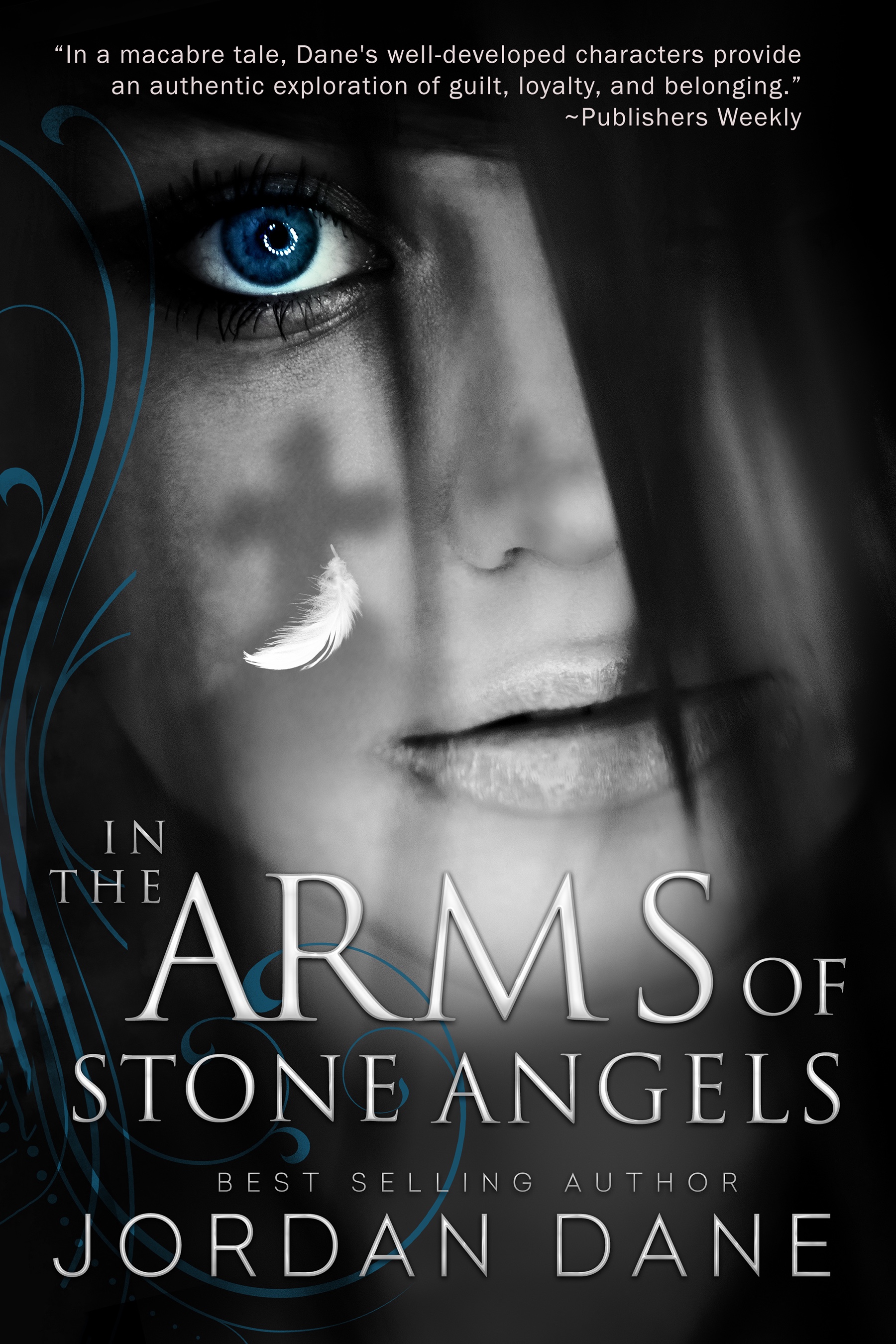
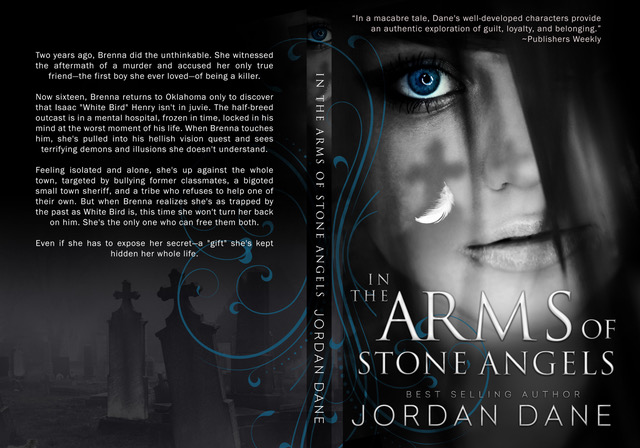
Here is the cover I created through Fiona Jayde Media for In the Arms of Stone Angels and will be issuing soon. These new covers make me want to read these books all over again. On the back cover, there is a dark cemetery with crosses on the headstones. That’s the shadow you see on her face.
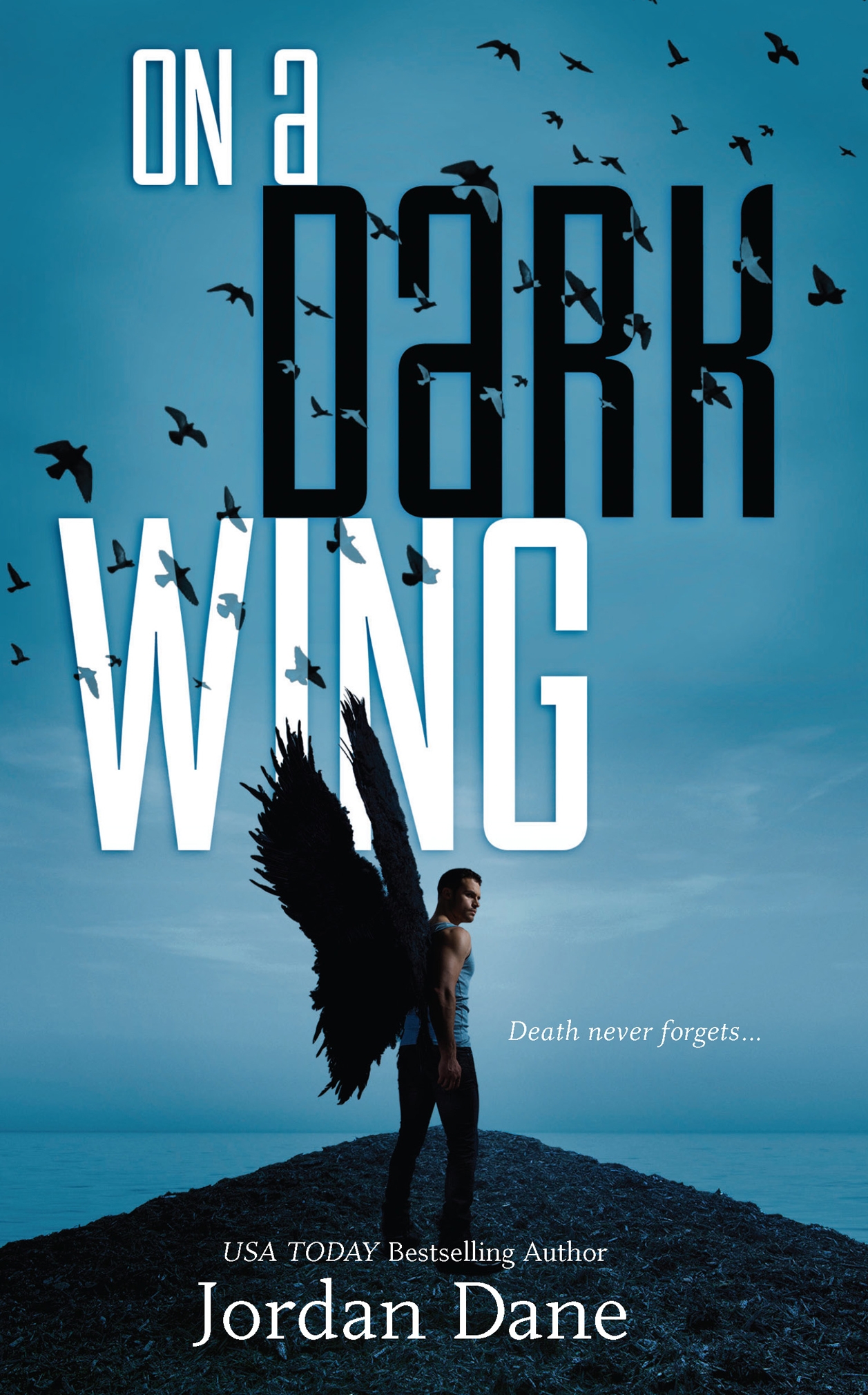
Here is my 2nd YA original cover with Harlequin Teen – On a Dark Wing. (This cover always reminded me of the Village People. I didn’t think the guy looked like a teen, but the publisher liked it.)
Here is the recreated cover that I will be reissuing soon. On the back cover is a muted monochromatic image of Mount Denali in Alaska, where some of the story takes place.
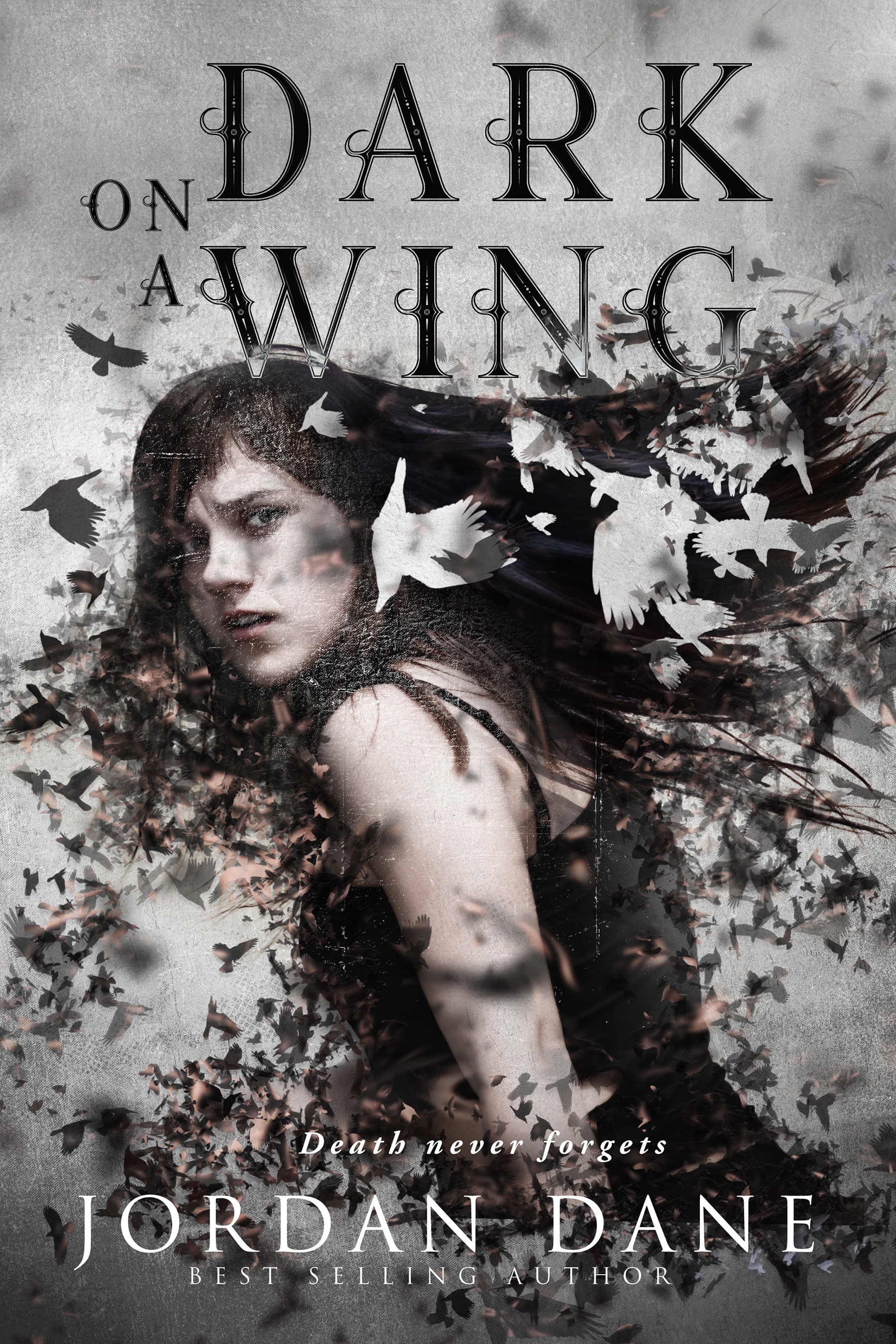

I know that my house had been influenced by covers coming out at that time. These books were released in 2009-2010, but there is a story in the revised covers that’s told on the cover through the art that makes me want to buy the books again.
I’ve got a 2-book YA series called The Hunted that my designer is working on – Indigo Awakening and Crystal Fire. I can’t wait to see what she comes up with for those. Our process has been for me to share important images I’d like her to capture on the cover. I share anything that would make a compelling story on the cover and of course, share what will be in print on the cover and back copy. I often look through iStock images and share anything that I like (since I can be a little picky…shhh).
It’s been fun reinventing covers with my designer. For HarperCollins, I will have SEVEN novels to recreate and reissue my No One series and my Sweet Justice series. This can get costly, but it’s a labor of love to have control back.
For Discussion:
1.) How many of you have reissued your novels after you had copyrights reverted? Can you share your experiences? (This is my first time getting my rights back.)
2.) What are some good ways to kick start an older novel and promote it?
3.) Any funny cover design stories you want to share?
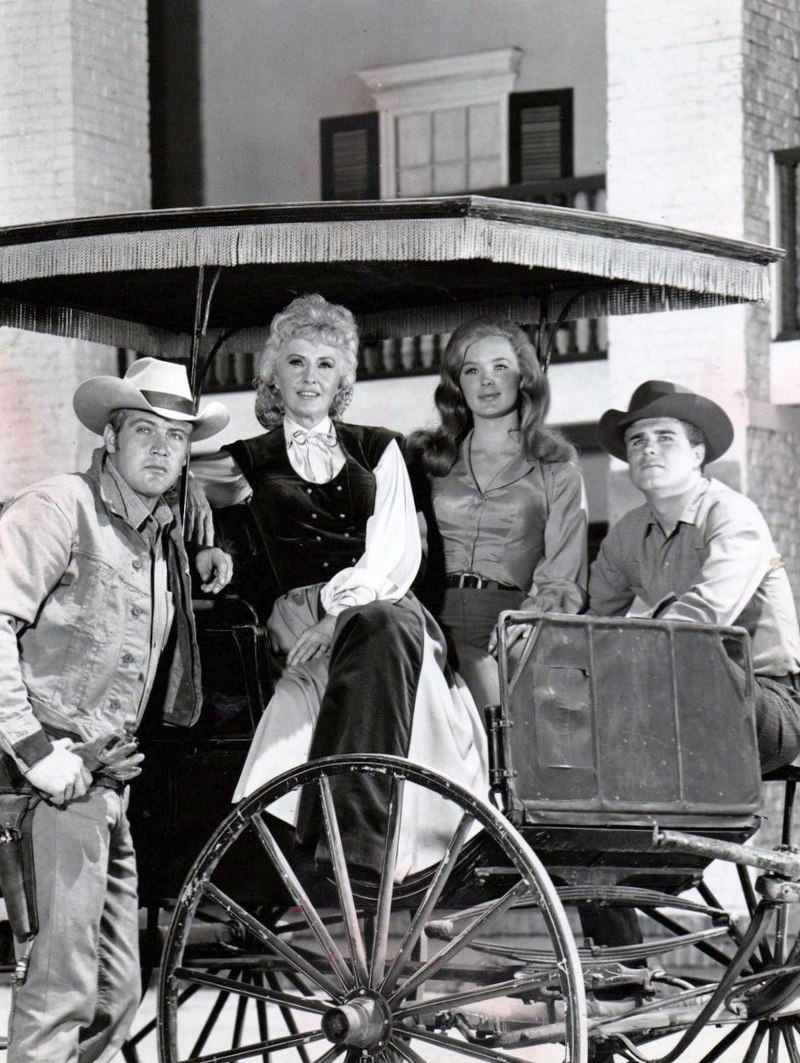
ABC Television
What show from your childhood or younger years would you bring back and why? Who would you have star in it?
Something that always influenced me–and ultimately teased me into becoming a writer–was my love for Westerns and HORSES. I read every Louis L’Amour I could get my hands on. When I was a young girl and in elementary school, I loved horses and read every book they had in my school library. Literally every book, no lie. As I became a teenager, I got a job and my parents allowed me to save toward buying a horse of my own. We ended up with five horses and it became a big thing for my family.
I shoveled a lot of horse poo and mucked stalls, but it was a great experience. As I grew older, I became enthralled with the men who rode those horses in the 1800s. They were mysterious loners, good guys who lived life on the edge of civilizations and made their own version of the law and justice. The ultimate anti-heroes for me. My first perceptions of manhood came from these TV shows and the many books I read. It definitely influenced how I write men in my books. The brooding loner type.

http://pixabay.com/en/horses-blm-wyoming-mustangs-61158/
I watched anything Western as I grew up and continued to read every book I could get my hands on. TV shows on Wild Bill Hickok, Alias Smith & Jones, Lancer, Big Valley, Bonanza, Branded, Maverick, Gunsmoke, Have Gun Will Travel, High Chaparral, Laramie, Laredo, the Lone Ranger, Lonesome Dove, The Magnificent Seven, My Friend Flicka, Ponderosa, Rawhide, Rifleman, Shane, The Virginian, Wild Wild West, and even Zorro.
My sisters and I would sneak out of our bedrooms to watch TV in our pajamas if the shows came on after our bedtime. Mom told us that she caught us many times, but didn’t say anything. She knew how much it meant to us and appreciated the making of childhood memories. Girl first crushes.
Louis L’Amour hooked me into reading, but thriller authors like Robert Ludlum kept me going (Bourne Identity series). I got into crime fiction and espionage thrillers. Ludlum made me pay attention to how to pace a book and the structure of cliffhangers. He opened my eyes to writing and my desire to write never left me.
BONUS QUESTION – So help me cast a great Western. Who would star in the TV show or movie?
For Discussion:
1.) What show from your childhood or younger years would you bring back and why?
2.) Who would you have star in it?
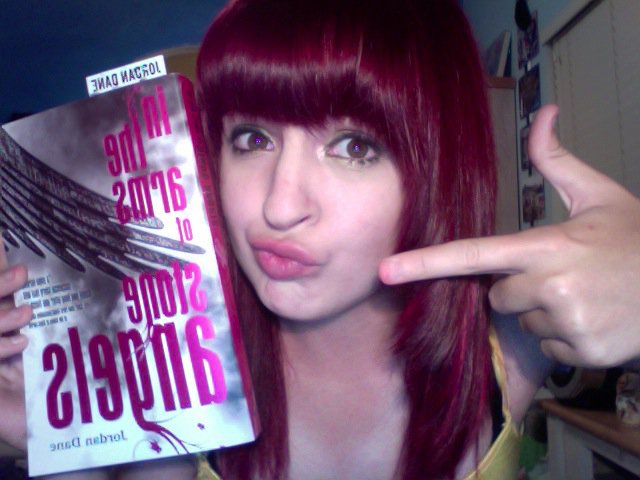
Yes, how did she get my book title backwards? MAGIC
I’ve written a few sub-genres, but the most different or diverse ones I’ve attempted were writing mainstream thrillers and young adult novels. I’ve always loved reading crime fiction (my big umbrella), so my comfort reads were always any sub-genre of adult crime fiction novels from espionage thrillers to police procedurals to romantic suspense. Although my YA books were suspense oriented, the YA voice was a real departure for me. It took quite a bit of reading it and researching the craft, but since I had grown to love these cross-genre books as a reader, the idea of writing them hit me hard and influenced me. More on that later.
When I first started writing in 2003, my main characters were in their thirties and maybe edged into their forties when I first wrote original mystery suspense novels. The first books I sold were in my comfort reads of crime fiction, yet with a cross-genre approach because that’s the kind of stories I liked to read. With as many books as I devoured as a reader, I figured I was the market. I wanted to write the books I would read.
In 2009-2010, as I sold my first YA novels and series, writing for teens influenced even my adult writing and my characters drifted downward into their mid to late twenties. Of course, my YA books covered teen protagonists, generally 16-18+. I’ve never written New Adult (characters in their early twenties or college age). I’m not sure why that is, except to say that I can relate more to my teen formative years (my rebellious teen self) and writing my other characters to be 25-35ish years old. (It’s like the lens of my creative world had focused on an age I had fun living.)
I had many ways to research my teen voice, including eavesdropping on teens in groups and using my nieces and nephews as lab rats. My aspiring author niece worked with me on my first YA novel – In the Arms of Stone Angels – and we had a blast. But that writing definitely influenced my other suspense books and I noticed the ages of my characters had dropped. On gut instinct, I was targeting the ages I thought my readers wanted to read about so I could bridge the gap between those reading my YAs and the ones who had transitioned into my adult books. From what my readers have said, that plan worked and my YA readers transitioned into my adult books and my adult readers seemed to enjoy my crime fiction YAs. Win-win.
I wrote one novella length story from the perspective of an older woman in her late 50s. I wrote her with an honest truth and I loved being in her head, but I wasn’t sure how readers might take her so I never wrote a repeat.
I’d like to hear from you, TKZers.
For Discussion:
1.) Have you ventured out of your writing comfort zone with trepidation only to learn something new where you grew as a writer? Please share and explain.
2.) What character ages do you find the most challenging as a writer? How did you get better at it? What resources or advice can you share?
3.) Is there a main character age that you DON’T like to read about? Do you find that your reading preferences gravitate toward a certain character age?

I hope you all had a great July 4th holiday. I hosted my parents for a ribs dinner for my holiday celebration. I’ve been on a ketogenic diet (more of a lifestyle than a diet) and have been feeling AMAZING. I’m more energized and have been sleeping well and waking up refreshed and ready to go. As I’m writing this, I’ve had my Keto Coffee, which is like a buttery latte with strong coffee. Yum!
For today’s post, I wanted to share the idea behind a book that a friend recommended me to read. JUST A MINUTE by Wess Stafford is based on a theme that touched me – “In the heart of a child, one moment can last forever.” Although this is a Christian-based book, it holds stories that can touch anyone. Its chapters are split into several categories: moments for rescue, to build self-worth, to form character, to discover talent, to awaken the spirit, to stretch the mind, and to realize one’s calling.
If you think back in your life, can you remember times when the special attention of an adult helped define who you became as an adult? These moments don’t have to be earth shattering. Just moments you have never forgotten, for a reason, because they meant (and still mean) something to you all these years later.
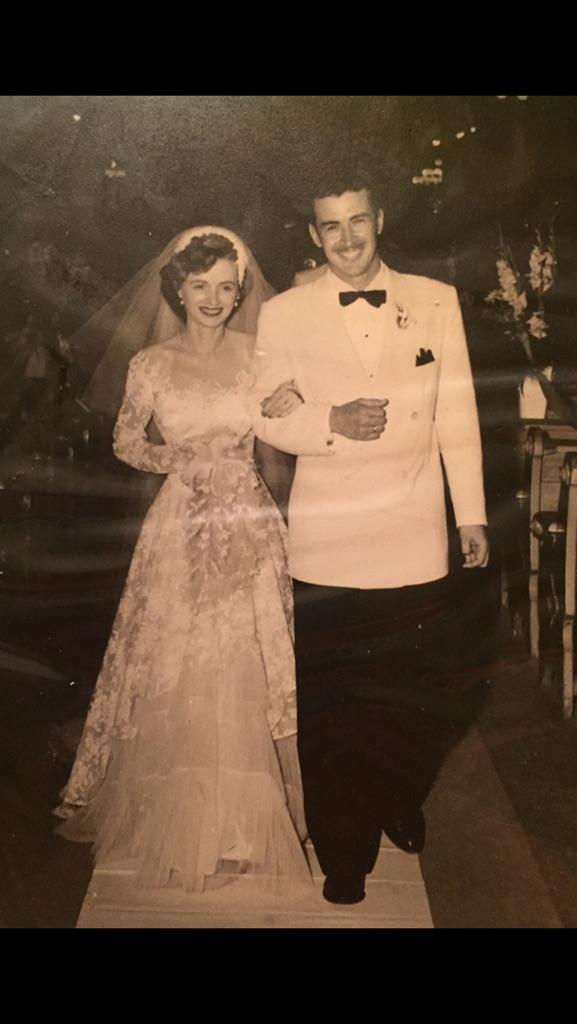
My parents have given me a lifetime of these moments. They recently celebrated their 67th anniversary and I wanted to share their wedding pictures with you.
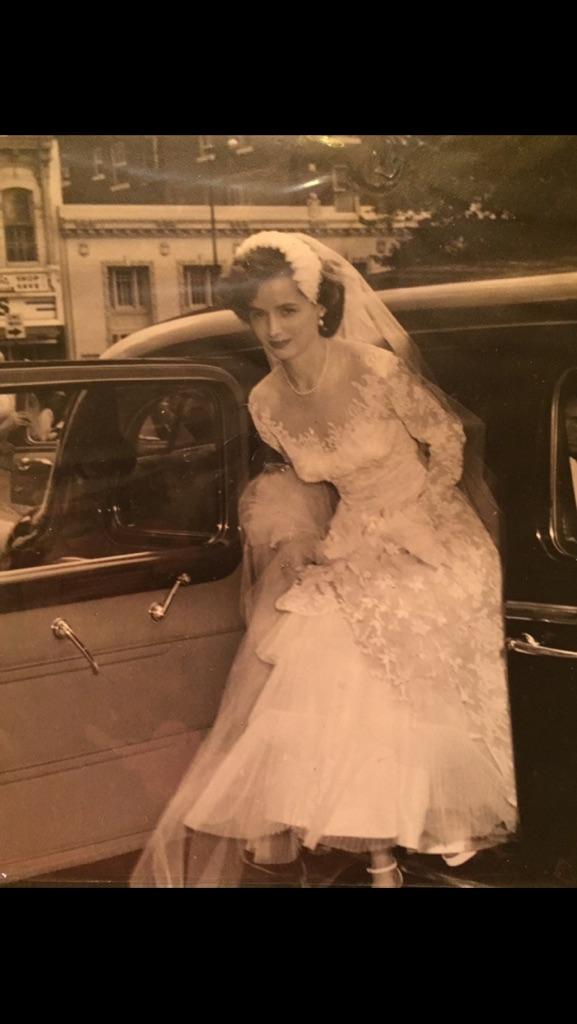
My mother has given me many of these life-altering moments. She is the first person I think of when I ponder who I was as a child and who I became as an adult. My father had his influence, but my mom was in the trenches with us growing up while dad worked long hours to keep my five siblings in private school in a house he designed (as an architect).
Under the category of TO DISCOVER TALENT – my mom had the opposite effect. After it took me a few years to decide what my major would be in college, I called her to say that I had made up my mind and that I would be getting a B. S. (Business Degree) with an emphasis on Accounting. The first words out of her mouth were, “You’re not good at math.” Yeah, thanks for the vote of confidence, mom. In complete irony, I proved her wrong (sort of). I had 6 hours of deficiencies in math that kept me from taking a necessary course – Statistics. I was advised to bite the bullet and take the 6 hours in other math courses before I would be considered proficient enough to endure Stat. With my Irish dander up, I called B.S. on that and just took the damned Stat class. I finished with a B, one of my lowest grades. When it came time for my graduation, I realized I was still short those 6 hours before I could graduate. I went to the Dean of the school (someone who knew me well from all my hours on the Student Council) and asked him to waive the 6 hours. It obviously was a mistake if I could pass Stat. He agreed and said he would remove the deficiency if I could tell him a good joke. For the price of a good joke, I graduated with honors. Yes, my mom stirred up my competitive spirit and raised the Irish in me–a skill that has served me well.
Under the category of TO FORM CHARACTER, My mom once caught me sneaking out a small bottle of aspirin filled with liquor when I was going to a party of teens. I had planned to share that little bottle with a few of my girlfriends. When she found it in my purse, she told me I was busted and couldn’t go to the party. I told her I understood and was prepared to take my lumps. I didn’t make a fuss. But after a short while, my mom rethought her position and came to me with a moment that changed my life forever. She said that if I promised NOT to take a drink at the party, she would still let me go. She trusted me. That moment of trust made me feel like an adult. At the party, even though alcohol was present, I did not take ONE SIP of it. I told all my friends that I had made a promise to my mom that I would keep. That life lesson stuck with me. After that, I never lied to my mom. I learned that lies diminished me, then and now. If I couldn’t face the truth of who I am as a human being and had to resort to a lie to fake it, what did that make me? I learned to own my truth.
Mom also learned a lesson. If she didn’t want to really know something about me, she shouldn’t ask if she couldn’t handle the truth. I loved shocking her whenever she asked me about things happening in my life. This was the woman who said on my wedding day, “I’d tell you about the birds and the bees, but I’m afraid you’d correct me.” Reality isn’t in her wheelhouse.
What about YOU, TKZers? Who influenced the adult you have become? Please share some of your stories and what you learned from them.