It’s that time of year when family and friends gather to celebrate the joys of Christmas and the hope of a New Year. Gifts are  exchanged and toasts are proposed. And somewhere in between the excitement of family reunions, caroling and a general sharing of good cheer, us writers must still find time to research and write. I can’t do much to help you write, but I do have a Holiday gift for everyone when it comes to research. It contains many tips to help you formulate your plots, build your characters and visualize your settings. Here’s a sample:
Creating Names
How do you come up with names for your characters, especially the minor and walk-on characters? Pop in a DVD of any movie and skip to the credit roll. There’s hundreds of mix and match names to choose from. And if you need foreign names, just pick a movie that was shot in a particular country. Even the major Hollywood studies use local crews when they’re on location and list their names in the credits.
Don’t want to watch a movie? There are even fake name generators online, some for specific genres like SF and fantasy.
Character Bios
How about background info on your characters? Easy. Just check the obituaries in a local or national paper. You’re sure to find biographies you can modify for your needs. There’s even a national obituary website where you can find thousands of bios to review. And don’t forget searching the faculty bios at hundreds of colleges and universities for background info.
Location, location, location
What about creating a sense of place? This one is really fun. Let’s say you need to describe a house where your character lives in a particular town. Start with one of the many real estate websites. A quick search will show you what the houses look like in a particular neighborhood or area, many with virtual tours. Google maps gives you the names of the surrounding streets, highways and landmarks. And Google Earth shows you the surrounding territory in detail including the names of hotels, restaurants and other landmarks that can make your story more realistic. And the hotels and restaurants almost always have a website so you can choose what your character had for dinner or what the view is from his hotel room.
I’ve also found that there are many detailed accounts of personal vacations, walking tours and excursions, many with photos, that give great descriptions of cities, towns, parks, monuments, and other unique locations that can add a touch of realism.
Loads of Links
Your hero is in Mexico City reading the morning news. What’s the name of the leading Mexican newspaper? There are websites that list and monitor thousands of newspapers from around the world.
You need statistics? Visit the CIA World Factbook or the Bureau of Justice Statistics websites. Need info on the global terrorists attacks that happed this morning? How about military terms and technology? Or how stuff works? What about access to over 39,000 public record databases? Or finding out what time it is right now in Nigeria or Singapore? There are websites for these and so many more for writer’s research resources.
And the most intriguing treasure of all: The Hidden Web. It’s over 500 times larger than the Internet and hardly anyone knows about it or how to access it. Now you will when you visit my research page.
As promised, here’s the location of my Holiday gift to all who visit TKZ. You don’t even have to tear off the wrapping paper. It contains all the tips from above and a whole lot more. New links are added from time to time, so check back often. Enjoy!
http://www.joe-moore.com/research
Since TKZ will be on vacation from December 18 through January 2, let me take this opportunity to wish everyone a Merry Christmas and a Happy New Year. See you next year.
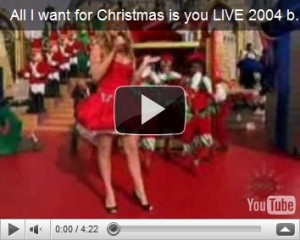
One more Christmas treat to get everyone into the Holiday spirit: The great Mariah Carey singing All I Want For Christmas Is You.
————————————
THE PHOENIX APOSTLES, coming June 8, 2011.
"What do you get when you cross Indiana Jones with THE DA VINCI CODE? THE PHOENIX APOSTLES, a rollicking thrill ride." – Tess Gerritsen