About Jordan Dane

Bestselling, critically-acclaimed author Jordan Dane’s gritty thrillers are ripped from the headlines with vivid settings, intrigue, and dark humor. Publishers Weekly compared her intense novels to Lisa Jackson, Lisa Gardner, and Tami Hoag, naming her debut novel NO ONE HEARD HER SCREAM as Best Books of 2008. She is the author of young-adult novels written for Harlequin Teen, the Sweet Justice thriller series for HarperCollins., and the Ryker Townsend FBI psychic profiler series, Mercer's War vigilante novellas, and the upcoming Trinity LeDoux bounty hunter novels set in New Orleans. Jordan shares her Texas residence with two lucky rescue dogs. To keep up with new releases & exclusive giveaways, click HERE

When Fiction Meets Reality – The Challenges of my Current WIP

Jordan Dane
@JordanDane

Falkue at German Wikipedia

I’m 75% finished with my latest novel and I can’t stop dreaming about it. It’s keeping me up. I hope that’s a good thing. I’ve never had this happen before. Have any of you?

My novel is something very far from my comfort zone. For a large section of the story, my characters time travel (in an odd way) to Victorian London where they hunt Jack the Ripper. They have their reasons and the clock is ticking.

Whenever I add paranormal elements to any of my stories, I want the premise to almost seem plausible. You know how most people get scared when sitting around a campfire, telling ghost stories? That’s the visceral feeling I hope readers will get when they come along for a ride to the streets of White Chapel 1888.

I not only had to research the many resources on the Jack the Ripper case and take a view on what I think might’ve happened for the sake of my plot, I also had to research the time period to recreate a setting that will come alive on the page. In 1888, London was not the progressive modern city it is today. This was before proper sanitation, plumbing, and before police investigative methods were improved.

Tenement slum houses held large families of immigrants contained in small rooms rented by the day. Disease ran rampant with poor options for drinking water. Within close proximity to these slums lived wealthier Londoners who attended the opera and dined in fine restaurants. A newspaper called The Star had started in 1888, the year Jack had been born to evil. It had originally provided a voice for the common folk on injustice, but anything on the White Chapel murders turned a profit for the newspaper and became the driving story of the day.

A challenge has been to add enough details for history buffs yet recreate this world for readers who might be more interested in the peril of the characters. There’s always a balance and a consideration for good pacing.

My story is seen through the eyes of a young woman in present day who is desperate to find justice for a murdered friend in New Orleans. She’s obsessed with the Ripper case because she thinks it is related to the death of her friend. She steals a vintage necklace off a body and brings it to a mysterious yet reclusive psychic, only to find that she is correct that the jewelry is linked to her friend’s investigation. When held in his hand, the necklace catapults the psychic to two horrific murders. The vintage piece is the key to locating Jack the Ripper on the night he kills his 5th victim, Mary Kelly. I can’t give too much away, but I hope you’ll see the many moving parts of this story.

In order to recreate time travel, the hunters (led by the psychic) must be willing to suspend their bodies in a near death coma. Similar to how dreams work, a willing mind can share the common existence of a shared dream. My twin sisters often shared the same dreams. For most that would be scary, but it was normal for them. It’s been said that if you dream of your own death, you die in the dream. How many of you believe that is possible? Does it make you think twice before imagining it?

While my characters hunt the Ripper in spirit form, they are invisible to everyone except their one spirit guide (someone from 1888 that they must find in order to remain tethered to their world). As you can imagine, there are challenges to not having a physical body, yet they must be presentable in period clothing to the one guide (their citizen of heaven) who is capable of seeing the traveler.

Another challenge was to create believable dialogue during the time travel segment. What my modern woman hears from the people she meets must sound authentic. That involved a lot of historical research as well. It helped that my narrator was a modern young woman. For most of the historical part of the plot, her voice dominated, but I made sure she overheard the locals to make sure the color would be there.

But things are not what they seem in the netherworld between life and death. Evil and Fate combine to change history in ways my team of hunters will never foresee. Their worst fears are exposed and they must face their worst nightmares. As a writer, it’s my job to make my characters pay for the daring things they do to become a star in their story.

Thinking through all the ramifications of affecting history or interfering with fate–while doing it in a way to create mysterious twists in the plot–has been another fun challenge. Every time I think I know where the story is going, it changes course again, in a good way. I’ve surprised myself in ways I couldn’t have foreseen. The plot had to develop and the characters’ dilemmas had to rise to the top in order for me to see different outcomes and motivations. I’ve added layers to my story that I never would’ve seen coming. That’s a good feeling.

This is the first book in a new Trinity LeDoux series for me. The working title is – The Curse She Wore. Trinity is a 24-year-old wannabe bounty hunter, trying to get her license in New Orleans. At the start of the story she is homeless, but everything changes after my hermit psychic sees something brave yet vulnerable in her.

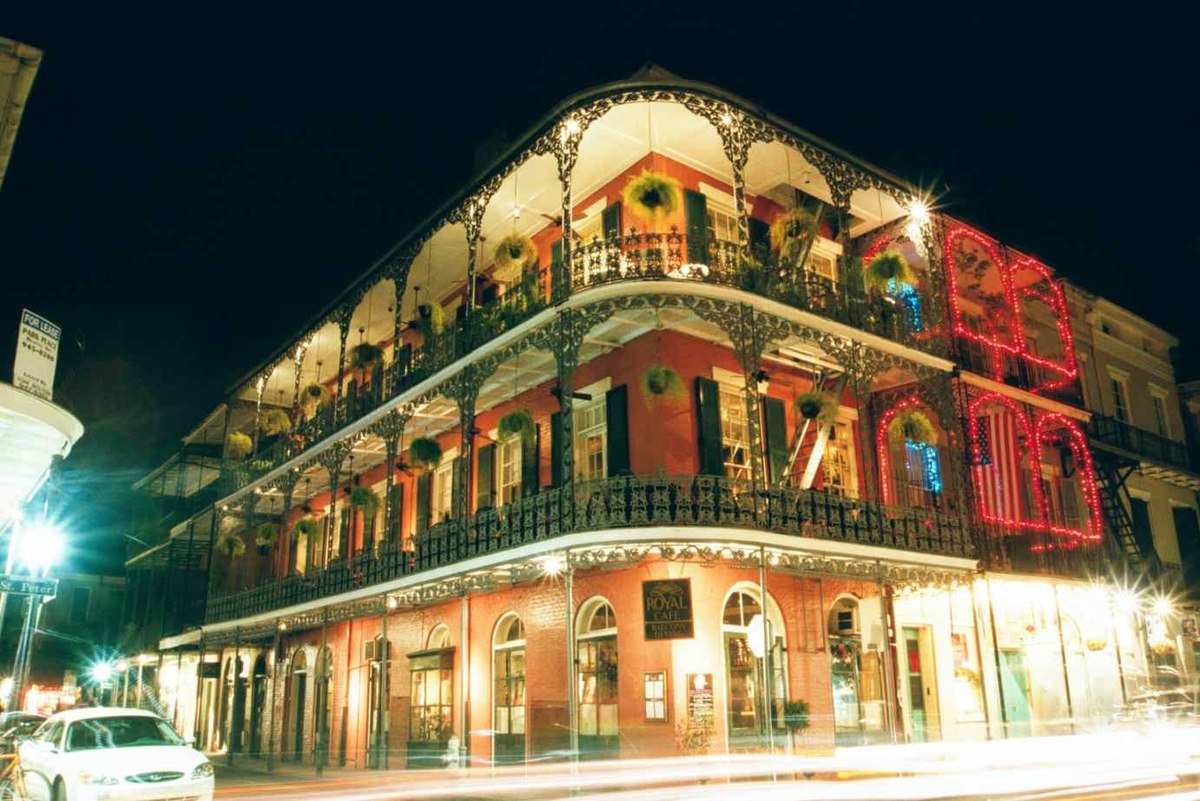
The first time I visited New Orleans, I sensed the layers of richness to the setting and understood why so many writers find the location completely captivating. I’ve waited to write a story set in New Orleans. This is it. I’m bringing in a Cuban influence, the Santeria faith (used for the concept of an ancestral spirit guide or citizen of heaven), a discreet Voo Doo shop for true believers, and a reclusive psychic from an old wealthy family who lives on an historic plantation. He’s got secrets of his own.

My tag line for this story is – “They had Death in Common.”

For Discussion:
1.) Tell me about the challenges of your current WIP. Anything interesting to research?

2.) Have you ever worked in the details of a real murder into your work of fiction? How did that work for you?

If you’re on Instagram, please find and follow me at this LINK.
If You Hadn’t Become a Writer, What Else Would Have Filled That Void?

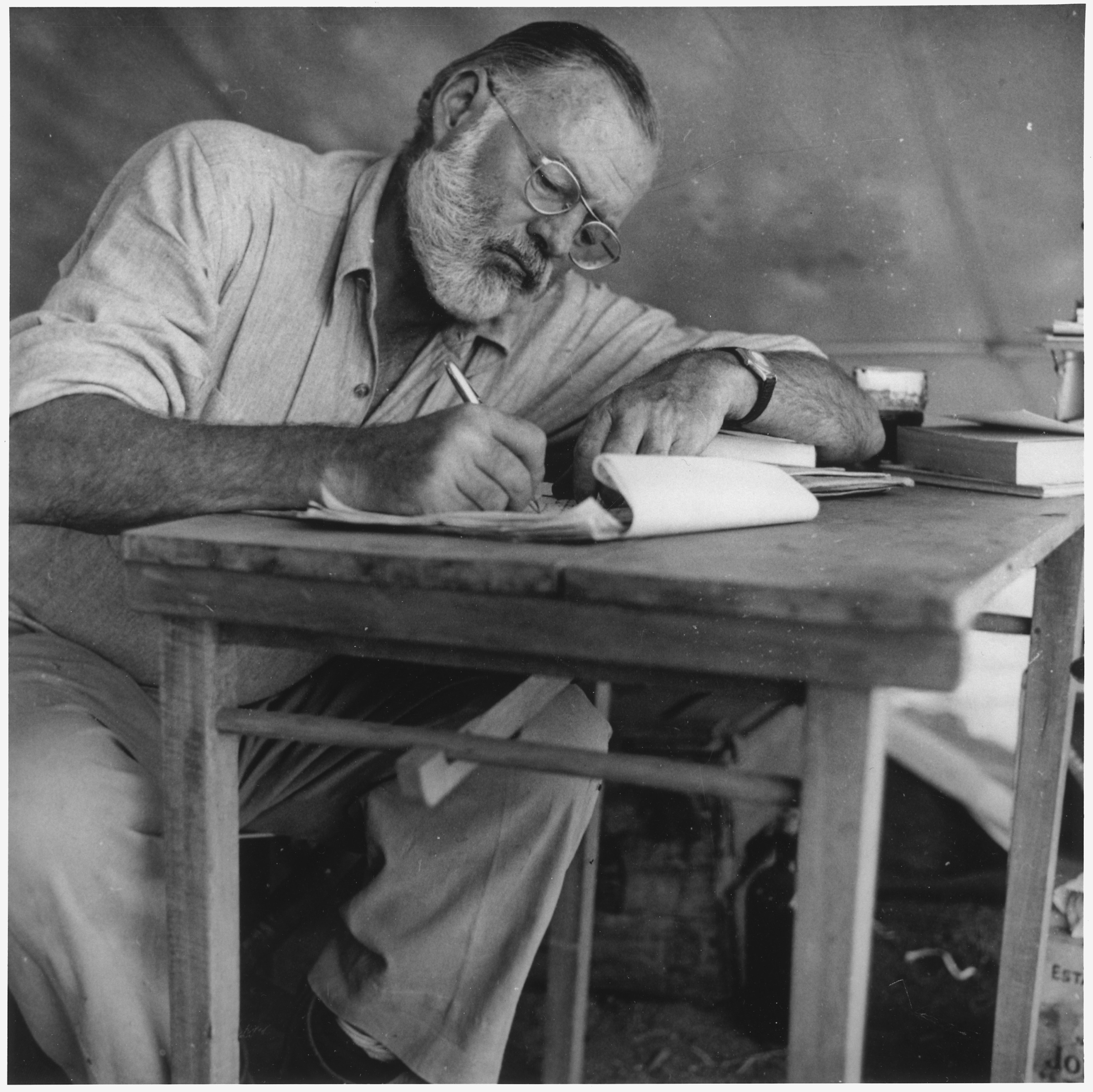
Many writers develop the passion to write because they were avid readers as children. The rabid craze wouldn’t be denied and years later, they have come face to face with an amazing addiction for self-expression.

If you didn’t write, what else would you have done to fill the void? What other forms of self-expression would have taken hold of you? Do you have a secret talent?

Setting Can Add Tension – Use it – First Page Critique: Dancing with the Well-Bred Devil

Jordan Dane

@JordanDane

By Usien – Own work, CC BY-SA 3.0, https://commons.wikimedia.org/w/index.php?curid=22220725

I will be traveling today for a bit of sun and fun. I’ll try to pop back when I can…IF I CAN. For my post, I offer the work of a gutsy anonymous submitter for a first page critique. I’ll have my feedback below. Please add to the conversation with your constructive comments so we can help this author with suggestions for him or her to consider.

The submitter added this insight into their work:

This is a murder mystery set in the early 1990s that digs into the dark, unseemly corners of academia where moral corruption and the abuse of power hide.

***

Club Orleans,
Sayreville, NJ
As Megan completed her sinuous corkscrew down the pole she saw him—Professor D.B., the last person she ever hoped to encounter here.

Holy. Fricking. Hell. She released the pole and strutted across the stage away from him, forced on her most seductive stage face, and hoped it hid the rush of fear that filled her stomach to overflowing. She managed to resist covering her all-but-naked breasts.

Her mind flooded with the image of the Psych Department chair dressing her down before sliding the letter across his pompous desk, the letter that would explain that she’d been kicked out of the grad program, and that she might as well pack up her apartment and move back to Gump-ville, Indiana, to the welcoming jeers of everyone who’d ever warned that she was too big for her britches. But it was the thought that followed that made her shudder—the thought of what good old D.B. might propose to keep his silence.

He couldn’t have recognized me. When she started dancing again, she’d gone to great lengths to morph her appearance—heavy make-up, huge eighties hair, costuming—and to transform her persona from Miss Quiet-Studious. Considering she only worked at clubs at least a half-hour from campus (and avoided the elite establishments altogether), she was certain she’d never see anyone from the program. Her transformation was good insurance nonetheless.

As she latched onto the life-preserver thought that D.B. couldn’t have recognized her, the fear dissipated. But what was he doing here? Look, make a last round and call it a night. Stay in persona and treat him like any other customer.

She worked her way around the rectangular bar that surrounded the stage, her nerves increasing proportionally as the number of bills in the elastic of her G-string grew. The whole time, she felt D.B.’s eyes crawling over her body. She suppressed another shudder.

And then she was facing him. “I hope you enjoyed my show.” She tried to keep the right level of sultry in her voice.

“Oh, it was . . . eye-opening, despite how much I missed.” D.B.’s eyes bored into her as he dangled a ten.” Miss . . . ?”

And in those eyes was the damning truth—he recognized her.

FEEDBACK

There is definitely a disturbance happening for Megan. Nothing like an unexpected visitor to your place of employment to rattle you, especially when you are half-naked and plying your best moves on a stripper pole. It’s hard to imagine why a graduate student would be stripping. The money must be good or she must be desperate for funds.

To have a professor be the one to find her is a solid set up. I don’t know why Megan calls him Professor D.B. by his initials for the reader. Why not just say his name since she’s in her head? I had to reread to see if DB is the chair of the Psych department and assumed DB wasn’t the big kahuna. I liked that the author didn’t drift into back story and stay there until the face off when Megan sees in his eyes that he recognizes her, but there is enough back story and “slow the pace” explanations that divert the reader’s attention from Megan’s mortifying moment of being recognized by someone from her graduate program.

This is definitely a page turner, but I would like to offer a few tidbits for the author to consider, to add layers to this intro. The writing is a little sparse and more can be woven into this intro to give a feel for how much Megan has at stake.

GENRE – If I only had this intro as a peek at the genre, I would’ve thought it to be a Harlequin Romance. There’s a hint of humor to Megan as a feisty heroine working her way through her graduate program. Is DB a soon-to-be love interest or a dastardly villain will to blackmail her into his sexual demands? What conflict would they have to sustain a whole novel? From this set up, I don’t know.

From the set up the anonymous author sent with the submission, we see that this is a murder mystery set in the 1990s and it’s about moral corruption and abuse of power in the academic world, but that’s not the feel of this intro. If Megan will be blackmailed by DB to keep her secret in exchange for sexual favors that will grow into a murder, then I would suggest the author layer in more mystery and the threat of coercion to this piece. The reader needs to see Megan’s fear and vulnerability at getting caught and her willingness to do anything to keep her secret. Beyond this short intro, the reader would need to feel her shame if her mother found out, or how her career plans would be dashed.

Words like “Gump-ville Indiana” and “too big for her britches” and “eighties hair” are meant for cliched humor. If this is not the intention with the rest of the story line, then why begin the book with implied humor?

SETTING – I like the world building of a good setting. It doesn’t have to be drawn out or slow the pace, but an effective setting can add to the emotional aspects of the scene. In this intro, I wonder if the setting can be an element of mystery to draw the reader into the scene, where it’s not completely clear where Megan is. The phrase “sinuous corkscrew down the pole” is a dead giveaway where she is and what she’s doing, but what if the description is vague and develops into something more as a tease. (The sample rewrite below was written hastily by me to illustrate the point of focusing on Megan, avoiding back story and adding more of a threat from DB. I’m sure the anonymous author could do better.)

SAMPLE REWRITE WITH MORE SETTING AND LESS BACK STORY

Through the blinding lights of the small stage, Megan caught a familiar silhouette—a tall man standing in the shadows apart from the rest. Something triggered a memory and made her think of him, but he vanished as soon as his face came into her mind. Spirals of smoke clouded the air as she moved and the music built to a crescendo. Her big finish would be next. Her fake eyelashes made it harder to search the crowd for the last person she expected to see.

Please…it can’t be him.

She strayed from her usual routine to stay in the murky corners near the velvet curtain and worked the edge of the stage until she felt the heat off the horde of faceless patrons and heard the low grumbles from her regulars. Megan couldn’t avoid her big finale. She had a reputation to uphold, but as she strutted across the stage and into the spotlight toward the shiny brass stripper pole, she sensed the laser heat off his eyes—Professor D.B. from her Psych department graduate program.

He’d stepped closer to the stage—and her.

After she turned her back on him and reached for the brass pole, she hoisted her body into her signature spiral that had the men hollering for more. With every turn and every impossible stretch of her limber body, she searched the shadows and hoped the professor hadn’t recognized her. She had troweled on enough makeup where her own sweet mother wouldn’t recognize her.

Her future, everything she had worked for, would be riding on whether she had only imagined Professor D. B. in the front row. Adrenaline raged through her body as heat flushed to her cheeks. Oh, God, please no.

OPEN-ENDED QUESTIONS THAT MIGHT ENHANCE INTRO – Here are a few questions that came to my mind that may keep the focus on Megan and the tension, rather than dipping a toe into back story. The back story is sparingly used, but it’s there. It starts in the 3rd paragraph and is threaded through as Megan thinks of the ramifications of getting caught because D.B. might recognize her.

With open-ended, the author can put his or her take on the answers that might make it into a rewrite, to put their own spin on the story. I’ve found that by offering open-ended questions, the author usually comes back with something far better than my rewrite. It’s their story and their characters.

1.) When Megan spots D.B., is she upside down or spinning on a pole with stage lights? This would make it harder for her to see him clearly. She’d have to change her routine to peer through the silhouettes of men and hands touching her costume. It could add to the tension if she catches a glimpse of him, but he disappears–or build up her stress as she sees a familiar face without letting the reader know who she spots until the last minute.

2.) Does she change her routine because she’s afraid of taking off everything if it’s him? Or maybe she does awkward poses to get a better look at the crowd, like looking between her legs upside down. How do patrons of the club react as she changes her routine?

3.) What does the club look like, smell like? Setting might add to her stress if it’s the same “grind” – pardon the pun.

HOUSEKEEPING

In the sentences below, there are words to clean up. I’m not trying to offer different writing. I’d like to use the author’s words to start and clean up from there. I don’t begin sentences with “And,” don’t embed dialogue lines within a paragraph, and try to build stronger sentences and delete uses of “was.”

BEFORE

And then she was facing him. “I hope you enjoyed my show.” She tried to keep the right level of sultry in her voice.

“Oh, it was . . . eye-opening, despite how much I missed.” D.B.’s eyes bored into her as he dangled a ten.” Miss . . . ?”

And in those eyes was the damning truth—he recognized her.

AFTER

“I hope you enjoyed the show.” She fought to sound sultry as she came face-to-face with him.

“Oh, it was…eye opening, despite how much I missed.” DB’s eyes drilled into her as he dangled a ten. “Miss…?”

In his eyes were the damning truth. He recognized her.

Thanks to the author for their submission. I wish you luck on your project. For discussion, please comment with your feedback. Thank you.

1.) Is this a page turning submission for you?

2.) What suggestions would you make for this author?

3.) Bonus points for PUNS in your comments.

What Writing Advice Would You Give to Your Younger Writing Self?

Many of you have been writing for a long while, been traditionally published through big and/or boutique houses, or self-published. All of these struggles have brought knowledge gained through experience.

For discussion – What advice would you give your younger writing self when you were first starting out? Knowing what you do now, please give your top 3 tips.

First Page Critique – NELF

Jordan Dane
@JordanDane

We have an anonymous submission of the first 400 words to a work entitled “NELF.” Please read and give your constructive criticism in your comments. I will provide feedback below. Our gratitude to the anonymous author for their submission. Enjoy.

***

Geraldine jogged around seaweed and broken shells deposited along the low-tide line by last night’s rainstorms. Turning from the gusting wind, she faced the horizon as the sun broke through a grey cloudbank. The tail of the storm had moved out to sea. She might have customers today after all. She’d better pick up her pace if she wanted a shower before opening the beach shop.

She searched the ocean for her half-way marker, the Hyde Channel buoy. As Geraldine hurdled over piles of seaweed and shells sweat rolled down her spine. Without slowing, she pulled off her sweatshirt, cinched it around her waist, and ran closer to the surf.

When she was parallel to the channel marker, she turned around. Wind pushed against her back and she sprinted all the way to the path leading to Beach Road.

While bringing her heartrate down, Geraldine trotted in place and faced the roaring Atlantic. A red object bobbed in the ocean. Too small for a boat or surfboard. The object disappeared behind cresting waves. Shielding her eyes, Geraldine focused on the whitecaps and waited for the object to reappear.

A small arm stuck up from the waves. A flash of red hair and white face. A child!

Geraldine dashed forward, her pulse racing, and stopped short at the surf line. The child bobbed up and down. The ocean was rough. Dangerous. She couldn’t go in without a boat or a boogie board or they might both drown. She sprinted toward the lifeguard hut. Any floatation device inside would do. She pulled the handle and the door rattled. Locked!

She glanced back at the rolling surf, but didn’t spot the child. Her stomach tightened. Had the child gone under? She shifted her gaze down surf. A flailing arm, and then a head broke through the foam. Thank God. The child was still afloat.

She scanned the beach for someone to alert.

The beach was deserted, but the child needed saving now.

She yanked off her sneakers and ran until she was a half-bay ahead of the child. Geraldine took a deep breath and dove into the surf. She torpedoed under the water.

Geraldine exploded to the surface and swam at an angle to reach the child quicker. Please stay afloat just a little longer.

***

FEEDBACK

This introduction sets up a classic and eerie story. I envision a bleak seashore on the morning after a turbulent storm that has disrupted an unwavering sea. How frightening to see the body of a child adrift in the current with YOU as the only one there to save a life. The premise is a good one that would normally get me turning the page to read more.

The writing is relatively clean and easy to get through without a lot of hiccups, but I wanted more. Let’s talk about setting first in a general overview.

SETTING – Setting can really contribute to setting up a story if it’s entwined with the character or contributes to the atmosphere or mood to the plot. When I think of great examples of settings that ARE an integral part of the story, I think of movies like the Jesse Stone stories from Robert B Parker, starring Tom Selleck. The Maine town of Paradise is mysterious, breathtakingly beautiful and scary at the same time. Another example of a setting that becomes the story is the crime show Wallander (from Swedish novelist Henning Mankell), starring Kenneth Branagh in the role of Kurt Wallander. The isolated setting in Wallander is haunting and also says a lot about the character who is content living alone and isolated.

Tips on Setting
1.) Decide what role you want for setting to play in your plot. In J K Rowling’s Harry Potter series, Hogwarts IS a character, a very enchanting and unforgettable one. Not every story needs to have the setting so prominently described, but a great setting can enhance the plot or give insight into the character(s).

2.) Settings can contribute to the mood or add tension or a mysterious sense of foreboding. I’ll never forget the effective use of setting in Tami Hoag’s book NIGHT SINS where children go missing as the extremely chilling winter nights continue to drop in temperature, dead of winter in Minnesota. The tag lines were a constant reminder that the child could die from exposure and the clock would be ticking for the police. I was a nervous wreck as I turned the pages and stayed up way too late to finish the book.

3.) Use the senses of the reader to convey setting. It’s easy to describe a visual setting, but it can add layers of nuance if the reader’s senses are engaged. In this example (NELF), what does the sea smell like after a turbulent storm? Does it affect her breathing as she runs? Does the grit on the shore cling to her damp clothes? How does the salty sea air affect her breathing as a runner (salt through her nostrils or the taste of it on her tongue).

4.) Setting can reflect something of the character and mirror mood or be symbolic of something in the character’s life. The example I gave before about Wallander and his remote home is a solid visual example of the isolated way he lives his life. He’s content, but trouble comes to his door like a personal affront, threatening his comfort zone.

5.) Setting can be described through the character’s POV by giving the character an opinion or by accentuating the character’s body and mind through setting. In the case of NELF, the lone woman runner describes her body as she runs. Rather than focusing so much on a simple task that most people know about (ie running), why not have the mist off the crashing waves mix with the dripping sweat of her body or have the chilly wind fight the heat of her churning blood as she ramps up her pace. I’ve run in the rain before and it’s exhilarating yet very soggy on the clothes and hair.

Examples of interesting settings reflected through the characters:

Catcher in the Rye – J D Salinger (on NYC)
“I live in New York, and I was thinking about the lagoon in Central Park, down near Central Park South. I was wondering if it would be frozen over when I got home, and if it was, where did the ducks go? I was wondering where the ducks went when the lagoon got all icy and frozen over. I wondered if some guy came in a truck and took them away to a zoo or something. Or if they just flew away.”

The Goldfinch – Donna Tartt (about Las Vegas)
“Though we’d been driving a while, there were no landmarks, and it was impossible to say where we were going or in which direction. The skyline was monotonous and unchanging and I was fearful that we might drive through the pastel houses altogether and out into the alkali waste beyond, into some sun-beaten trailer park from the movies.”

To the Lighthouse – Virginia Wolff (about the Isle of Skye – Scotland) “So fine was the morning except for a streak of wind here and there that the sea and sky looked all one fabric, as if sails were stuck high up in the sky, or the clouds had dropped down into the sea.”

Wuthering Heights – Emily Bronte (about the Yorkshire moors, England) “My love for Linton is like the foliage in the woods: time will change it, I’m well aware, as winter changes the trees. My love for Heathcliff resembles the eternal rocks beneath: a source of little visible delight, but necessary.”

NELF Thoughts

TIME OF DAY – I didn’t get a sense of the time of day. I presumed it to be morning since the woman is thinking about opening her beach shop and references a storm from last night, but time of day could contribute to the mood. I would recommend this to be clearer.

REPEAT DESCRIPTION – In the first sentence, seaweed and broken shells are mentioned. The same is described in the very next paragraph (ie “piles of seaweed and shells). With such a moody setting, surely there is more to describe.

MAKE THE INTRO STAND OUT MORE – The description of the woman running is bland and forgettable. The setting is also bland, considering that this eerie shoreline could contribute to the foreboding aspects of finding a body adrift in the waves.

CAN THE SETTING ENHANCE THE INTRO? The author does not dwell too much on the setting before he or she gets into the mystery, but the set up could be more effective if the author decides how much the setting can enhance the intro. Review the tips on setting above to see if there is anything that would fit and enhance this mystery opener. An author would know the mind of the character and what would work best, but I would recommend the setting be enhanced to weave it into the mystery more.

WEAVE IN MYSTERY SOONER – The setting description and the woman running covers the first four paragraphs, then the story switches to “a small arm” and the mystery begins. There’s virtually no lead up to the moment she sees the arm. Fear and foreboding should be enhanced to draw emotions from the reader. What if she’s running and sees the red color on the water and keeps her eye on it. Any setting can be enhanced by the mystery element of what that red thing is that’s floating. This would give her something to do, rather than staying in her head and focusing on her running. Weave the mystery in sooner and let it unfold as the sense of foreboding ramps up.

NEEDS MORE TENSION AND EMOTION – As far as tension, the author has described the woman and her reaction, but it’s more in the sense of a clinical description of what she does. The emotional component is lacking for me as a reader. I can easily imagine what this might feel like to be alone on a beach run and see something horrifying, forced into action. Imagine that after she tries breaking into the lifeguard station, she dives into the ocean. On the same level as the rolling waves, she would easily lose sight of the body. Think of how that body might look as the waves undulate and lift that pale form into the sky. How would that body look in the crest of a wave?

If she thinks the child is still alive, the clock would be ticking and she’d be in a panic to get to the kid. How does that affect her breathing? Does she tread water to search the waves? Is the body floating on the back or on the face? Now imagine coming up on the body too fast and being faced with it as it brushes up against you. Cold skin. Icy water. Bloated face of the child? This opening scene could be much more emotional and I can picture how anyone would be drawn into the mystery of this child’s death.

DISCUSSION

What feedback can you give our brave author, TKZers?

2.) How do you work setting into your stories? Have you ever enhanced your story with setting? Describe how it worked.

Radish Fiction – A New Income Source for Writers? Plus, Changes to Amazon Kindle Worlds

Jordan Dane
@JordanDane

I heard some disappointing news from Amazon Kindle Worlds (KW) yesterday. They are changing the program and not offering a bonus to help defray production cost. The money wasn’t much. It was $500 and went down to $250, but that money took care of the cover design and formatting. It wasn’t considered an “advance.’

Amazon is keep the program the same (including promised bonuses) for any approved launches already set up for the rest of 2018. They are working with the host authors on who is signed up as a writer, etc.

The host authors who have kindle worlds are continuing with their host duties, but in 2019, Amazon will not be involved in scheduling the releases (the host authors would do that). Nothing much will change for the host authors. They will have the same revenue sharing and agreements in place. It’s too soon to tell whether the lack of bonus money will lessen the enthusiasm for authors to sign up. Initial discussions are mixed, but I would imagine Amazon’s gamble will pay off, that many authors will still see a benefit in a group launch and the host authors organizing things. They will probably like getting their work exposed to a larger reader base shared by the other authors and the host writer.

Amazon never did much promo for the launches, but the fact that they have and maintain the platform is a benefit that would be hard to replicate. Amazon is banking on authors not caring if they get the bonus and hope they get to retain the same enthusiasm for writing stories but pay nothing for the copyright retention.

But Amazon KW does nothing with those copyrights. The fact that KW doesn’t take advantage of subrights like audio, film, or foreign rights makes me have second thoughts about continuing with them. For many of the worlds, authors retain rights to their original characters (but not all worlds do this, so read the fine print). If the author has a unique setting that hasn’t already been established in another series from that author (before it’s crossed over with the host author’s world), then Amazon could get copyrights to that setting. Another drawback at present is that Amazon Kindle World does not have a worldwide distribution. It’s something they want to achieve, but KW is only a division of Amazon and does not share the same distribution channels.

RADISH FICTION

But after reading about the changes to Amazon Kindle Worlds, authors were talking about another new start up company that has found a niche in serialized fiction. Have you heard of RadishFiction.com ? Radish is a new app for serialized fiction, geared for the mobile generation to bring novels to smart phones. It’s open to a global market (really big in eastern Asia (Korea and China) where the enthusiasm started) and Radish can be used as a different source of income or to create buzz for an upcoming book that hasn’t gotten published yet.

Could this replace Netgalley? The expense to place an ARC on Netgalley is pricey, even if an author joins a group or service to help defray the cost. Radish wouldn’t specifically earn an author early reviews, but the writer would score money for fiction sold. Netgalley doesn’t do that.

Plus there apparently isn’t any copyrights sold. Although I haven’t seen a confirmation of this, I believe the author retains copyright and is only making their content available for sale.

Here’s what Publishers Weekly had to write about Radish – Click HERE

Radish is recruiting authors who have written for Canada’s WattPad and Amazon Kindle Direct Publishing or other similar type opportunities.The idea is to write serialized shorter fiction with cliffhangers to hook a readership. Generally this is 2,000 word chapters of original short genre fiction with cliffhangers that hook the reader to keep reading and keep buying.

So with the changes to Amazon Kindle Worlds, writing that is similar to fanfiction.net, Radish could be a good opportunity to find a different income source with fewer hassles. Authors are paid in “micropayments” with authors receiving a range of $3,000-13,000/month, similar to how game platforms work.

Radish has an impressive list of investors and plans to hire editors, developers, and designers. They have about 700 writers creating serialized fiction for 300,000 readers.

The initial genre that has been big with Radish is YA romance, science fiction and fantasy. It’s geared for a younger audience that is comfortable reading off smartphones, but I would imagine there is room for growth into other genres. Radish is also looking for traditionally published authors who want to bring original content to them.

Authors must submit to write for Radish and there is a review team to screen applicants. HERE is the link to get started and fill out the application. Read the various press releases on their site. You’ll get more insight into what they are doing.

So what Amazon Kindle World takes away, Radish delivers something new that could be very exciting.

Discussion:

1.) What other out of the box outlets have you seen for authors to bring original content?

2.) Are you a smart phone reader? Do you see potential in what Radish is offering?

BOOK BIRTHDAY!

Valentine and the Lotus Circle – $1.99 Ebook Available Now!

Love made him vulnerable…once.

The Phoenix Agency hires a mysterious woman psychic from the ancient and mythical Lotus Circle to break down the mental barriers of Braxton Valentine—a black ops Psi agent with a death wish and a hunger for revenge.

Do You See Your Character the Way Readers Do? First Page Critique: Rabya

Jordan Dane
@JordanDane

For your reading pleasure, we have an anonymous submission of the first 400 words to a story titled – Rabya. I give my feedback below, but I also wanted to share this tidbit that the author shared on the inspiration for the story. In my own writing, headlines often inspire my novels and I love blending my research into fiction to add gravitas and authenticity.

FROM THE ANONYMOUS AUTHOR – Based on a true situation, RABYA is the story of how an American software engineer lands on the Terror Watch List because his live-in girlfriend, Rayba Salik, is Turkish. Does she have a secret?

***

Two minutes before take-off, Justin Karns twists side-to-side, trying to carve out room for his shoulders. The tall guy to his left has already commandeered the armrest. His manspread invades Justin’s space. The thought of rubbing knees with him across the Atlantic Ocean is creepy. If Justin doesn’t resolve this problem soon, he’ll be a mess for his big interview.

A few rows ahead, three seats sit empty. Though it’s verboten to move during takeoff, the seat should still be available in five minutes if everyone follows the rules. Yet, when the plane levels off—with the seat belt sign still lit—a man darts into the empty row. Justin pushes his call button.

“May I help you?” The flight attendant asks.

“Yes, please.” He glances at her name tag. “Kirsten, this row is way too crowded for three tall men. I’m six-foot and cramped. Imagine how these guys feel.” He flips his thumb to the left. “There was an empty row ahead, but someone just took the middle seat.”

She glances over her shoulder and then back without a word.

“Would you mind asking that guy to take the window seat so we could both be comfortable up there. Then my friend here,” Wilt the Stilt, “will have a place to stow his legs.”

“I’m sorry,” Kirsten says. “That is not possible.”

“Seriously? I fly international all the time. People always change seats.”

“There are new rules. Sorry.” She walks away.

When Justin can’t settle in, he calls her back. He considers name dropping his interview with Cruise Talon, the famous international consulting firm, but he’d sound like a braggart. He could hyperbolize his agony, but he’d sound like a wimp. Instead, he resorts to the truth. “I really need to change seats. My future depends on being rested.”
Her blue eyes turn icy. “I am sorry. Enjoy the flight.”

Perfect. Flight attendant on a power trip.

Justin stands up, stretches his body, and watches Kirsten return to the galley. A man on the aisle with a cop’s buzz cut smirks at him and reaches into his jacket, for what—a citation pad? He wouldn’t be so judgmental if he were stuffed into a row with daddy long legs.

Desperate to relax, Justin tilts back and waits for a chance to steal a piece of the armrest.

So, I’m the only one on this flight who can’t change seats.

FEEDBACK

TO LIKE OR NOT TO LIKE JUSTIN – My overall impression is that I’m not sure I want to be in Justin’s head for an entire book. If I were a reader picking up a book and reading the first page or so, how important is it for me to like him?

Some authors can pull off complex characters, where it’s not necessary for the reader to instantly like them. If the reader can be won over by the deeds of a complicated character, you have a major bond and great writing.

But in this short sample, Justin comes across as self-involved, arrogant, cynical to a fault, and inconsiderate. If this is a story inspired by real events, I would recommend shining a more sympathetic light on Justin. The author would be better off making this guy relatable from page one. Even if Justin is irascible, if the reader sees him in an uncomfortable situation that they have been through, the focus wouldn’t be on Justin’s worst traits.

HELP THE READER RELATE TO THE SITUATION INSTEAD – If the author plans on Justin being a challenging character with a prickly nature, I would recommend the author divert the reader’s attention from his unsavory personality to focus on his situation.

Who hasn’t endured a terrible flight where everything seems to go wrong? I would concentrate on the things that many readers would have experienced, then show Justin navigating those waters to see how he deals with things.

1.) Cramped seats
2.) A crying baby or two
3.) Recirculating air that doesn’t work
4.) Seat that doesn’t recline
5.) The interior of the plane feels like a sweltering oven
6.) Someone knocks his elbow on the aisle and hits the raw nerve of his funny bone
7.) Or a plane too small for good overhead bin space and he has to cram his carry on under the seat in front of him, leaving him no leg room.

(Can you tell I’ve had my share of really awful flights? I traveled on business when I was with the energy industry. Now my commute is from my bedroom to my home office. Sweet.)

If the author is going for the kind of characters featured in GONE GIRL – as seen through the eyes of a failed and bitter marriage of a husband and wife where both of them look guilty – then the voice attempted in this opener would pose a challenge to a reader who might like to relate to a main character. It’s a fine line to have an arrogant character still be likeable enough that a reader might want to eventually root for him. Finding the right balance in a character like that takes a deft hand.

A book that resonated with me and I highly recommend is PARANOIA by Joe Finder. This novel was made into a movie. Read the book. It’s a MUCH BETTER story. As you can see from the synopsis below (embellished by me), the author has borderline criminal, Adam, start his downhill spiral by doing a favor for a friend, a buddy of his who works in the warehouse. After he gets caught in a crime by his employer, Adam is given a chance to rectify his situation and do the right thing, but instead he takes the corporate ultimatum/blackmail and breaks the law to spy on another company. It’s a story of David versus Goliath.

In Paranoia, Adam Cassidy is twenty-six and a low level employee at a high-tech corporation who hates his job. He’s a real slacker with hustler, street smarts. When he manipulates the system to do something nice for a friend, he finds himself charged with a crime and corporate security gives him a choice: prison – or become a spy in the headquarters of the company’s chief competitor.

PRESENT TENSE – I didn’t see the point to writing this story in present tense, since more readers dislike it. Present tense is more likely to appear in YA where teen readers don’t have the bias of living most of their lives reading 3rd person, past tense books.

PLAUSIBILITY ISSUES – I found several issues wrong with this intro, just from a factual standpoint.

Call Button – Before Justin presses the call button, he makes a point to notice the seat belt sign was still lit. Yet once he presses his call button, the flight attendant pops up at the ready to serve. Things happen too fast in sequence for them to sound realistic.

Rules on Changing Seats – I took issue with Justin expecting the flight attendant to settle his seating problems. Any flight attendant is there for safety reasons first, but pushy Justin expects her to fight his battles by intervening. But to compound the issue, he argues that he flies international “all the time” and people change seats. (Why he argues only about international flights and not domestic too, I have no clue.) The attendant tells him there are new rules and changing seats is not permitted, yet the whole incident that started this argument was that a guy changed seats and was allowed to stay. That’s a logic problem that readers would see, like I did, and not take the story seriously. The whole argument comes off silly. Justin is being belligerent and the attendant is being overly mean. (Most flight attendants are very accommodating.)

Justin has options – Justin has the option of asking the man who has the row to himself if he can share the seating with him. When he chooses to force the attendant to intervene, he comes across as weak and a whiner. If the objective is to give a voice to Justin that sets the stage for the entire book, I would recommend the author take a harder look at how Justin should appear in his debut moment of first appearing on the page. Is he a victim or is a jerk who’s asking for it? Does he have poor judgment or is the Cosmos teaching him a lesson in humility? The author could go anyway with this. I suggested drawing the reader in by putting Justin in a situation where the reader can relate to a terrible flight and a seriously bad day, but there are other ways for the author to go. We simply don’t what the author has in mind. As a reader, I would put this book down, however. Justin hasn’t won me over to turn the page or buy the book.

As an author, you have control of ANYTHING in the story, but the fictional world should be consistent or must seem real to the reader, in order for them to suspend disbelief and read along.

NITPICKS – Word choices and pop culture references are important and should fit the character if the story is from his or her POV.

1.) Do guys really use the word “creepy” to describe man-spreading and knocking knees with a guy sitting too close? That sounds like the word choice of a victim or a word that a woman would use. Similarly, the line below makes Justin sound childish and unwilling to even try to rectify his own problem. Not a very mature response for a guy traveling across the Atlantic for an international job with an elite employer. Anyone in this position would be assertive, a negotiator, and a charmer.

So, I’m the only one on this flight who can’t change seats.

2.) How many readers would get the reference, “Wilt the Stilt”? Wilt Chamberlain played from 1959 to 1973. Justin strikes me as a younger guy who might reference an NBA player currently playing. Another example of a description that stands out as odd to me is – Daddy Long Legs. My parents would use this. Pretty ancient reach back.

3.) By calling attention to Justin’s internal thoughts on his options (see below), the reader gets unfavorable thoughts planted about Justin that the author may not intend. By his actions, he’s already an acquired taste. Why add fuel to stoke the fire?

He considers name dropping his interview with Cruise Talon, the famous international consulting firm, but he’d sound like a braggart. He could hyperbolize his agony, but he’d sound like a wimp.

TITLE – Rabya may be a working title, but it wouldn’t make a good published title in my opinion. Using the woman’s name might also limit the cover design to feature the woman, when the story is truly about Justin and the calamity of his life. When I don’t “feel” the title right away, I start writing down alternatives and make a long list before I settle on one. Get feedback from beta readers.

DISCUSSION
1.) What do you think of books written in present tense, TKZ? Am I the only one without my 3-D glasses?

2.) What feedback would you add for this courageous author?


Since P J Parrish had to throw down the guantlet by adding music to the end of her post this week, I’ve included this link & dedicate the song to the character in this submission. Justin is having a very bad day. #TKZMusicChallenge


Fiona’s Salvation $1.99 Ebook Novella

Can she survive the truth of what really happened to her?