by Tim Maleeny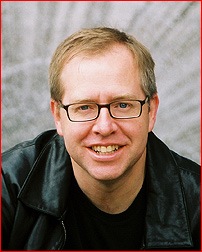
Today TKZ is pleased to host author Tim Maleeny, whose Cape Weathers series not only has some of the coolest covers on the market, but also displays some of the best, funniest writing out there (think Chinatown meets Elmore Leonard). And for a feel of the real San Francisco, his books can’t be beat.
In the novel Downtown, a classic comedic thriller by Ed McBain, the hapless protagonist involved in the twisted storyline says glumly that it’s “a drug plot for sure.” It turns out to be much more than that, but the reference was an inside joke on the publishing industry, because at the time that novel was released, drugs were at the heart of every popular crime novel.
For the past few years vampires have been the drug of choice. The conventional wisdom has been, if you want to break into publishing, put a vampire in your book. Bookstore shelves are now crowded with romantic teen vampires, rural vampires, vampire detectives, gay vampires, bipolar vampires, vampire dentists, you name it.
Some of these books are great, others are pale imitations of the novels that paved the way. They got bought by publishers who believe that in our marketing-driven world, the nature of the subject is more important than the quality of the story.
Now there’s been a lot of buzz about Dan Brown’s forthcoming follow-up to The Da Vinci Code, which is understandable given the wager the publishing industry is placing on the success of this book. And it will be a success because “the machine” will make it one — the hype has already begun, and the marketing expenditures behind the launch will dwarf the promotional budgets of nearly a hundred other top sellers combined. So whether it’s the best book of the year or not, it certainly will be the biggest.
 And much like Michelle, I fall into the camp of writers who enjoyed The Da Vinci Code a lot, despite its flaws. The story worked, the subject matter was fascinating, and it cooked along. (And because I’m a blood relative to the Merovingians and have seen nude photos of John the Baptist on the internet, the story had a particularly deep resonance for me.)
But after all the code-copycats —in books and film — all the variations on a theme, the coming of the new book does feel a bit like the return of the vampires.
Which is funny, because before The Da Vinci Code, I understand it was damn near impossible to sell a mystery featuring art history, because the subject matter was perceived as too academic and boring. After The Da Vinci Code hit, countless authors were told by their publishers they had to work a conspiracy involving ancient art into their books. (A novel with a professor of art history who happens to be a Southern vampire would certainly have started a bidding war.)
The machine has become its own self-fulfilling prophecy. Rather than invest in new authors, the pressure from the chains has become so severe, and the margins so thin, that the plan is to bet on a sure thing. The marketing guys look for safe bets and proven brands. But as a marketing guy from way back, I can tell you there are no safe bets, and if you solve for the short-term, it often costs you big-time in the long run.
Sure, you can keep selling an existing franchise for a long time, no doubt about it. But at the end of that push, when the books start to feel predictable, the cost of that approach is reader fatigue, and beyond that, a slippery slope indeed.
This is what happened to the music industry before Napster and then iTunes came onto the scene and opened the floodgates, allowi ng us to rediscover our love of music instead of listening to only the Top 40 being pushed by the big labels. The industry almost collapsed under its own weight because it threw all its money at artists who already had a fan base waiting for their next record, or even worse, over-invested in artists who had clearly jumped the shark and weren’t putting out anything fresh.
The same thing happened in Hollywood before independent film put some control back into the hands of directors. Check out some of the bombs from the eighties and imagine them getting funded today, to the tune of hundreds of millions of dollars. Movies with plots so thin that any movie-goer in the country could have told the studios they were going to suck before a single scene was filmed.
If you talk to voracious readers, let alone other writers, they can tell which books to bet on, and if you listen carefully, you can tell which books have broad appeal and the potential to break out, if only the machine would get behind them. But with so much money at stake, in an industry of taste makers, are you really going to trust the readers, or, heaven forbid, the writers, when you can just sell the same thing you sold before.
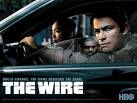 Same thing happened with TV, before cable tore down the walls protecting laugh-track sitcoms, canned plots and formulaic dramas. HBO broke all the rules and, to no one’s surprise except the big networks, it became a magnet for viewers starved for original programming.
For some reason, all these so-called “entertainment” industries forgot that for something to be truly entertaining it has to be unexpected, fresh, something new.
Push the boundaries, twist a familiar story into a new shape, take me somewhere I’ve never been before. Only then will I come back, instead of putting down the book and turning to cable, powering up my computer, or playing a video game. There are too many options on my entertainment menu for me to just sit there and eat the same thing you’ve been serving again and again, because frankly it’s getting stale.
I am told by friends in publishing that zombies are the next vampires. I kid you not, one very talented writer I know was told to rewrite her book to include the walking dead, because “zombies are the next big thing.” Maybe so, but why can’t the next big thing be a great story, one I haven’t heard before. Maybe it features a zombie, but maybe the big thing after that doesn’t. Mix it up a little and see what happens.
Which is why I ask myself, whenever I walk into one of the big chains, does the next big thing have to come in waves? Because personally, I’m getting a little seasick.
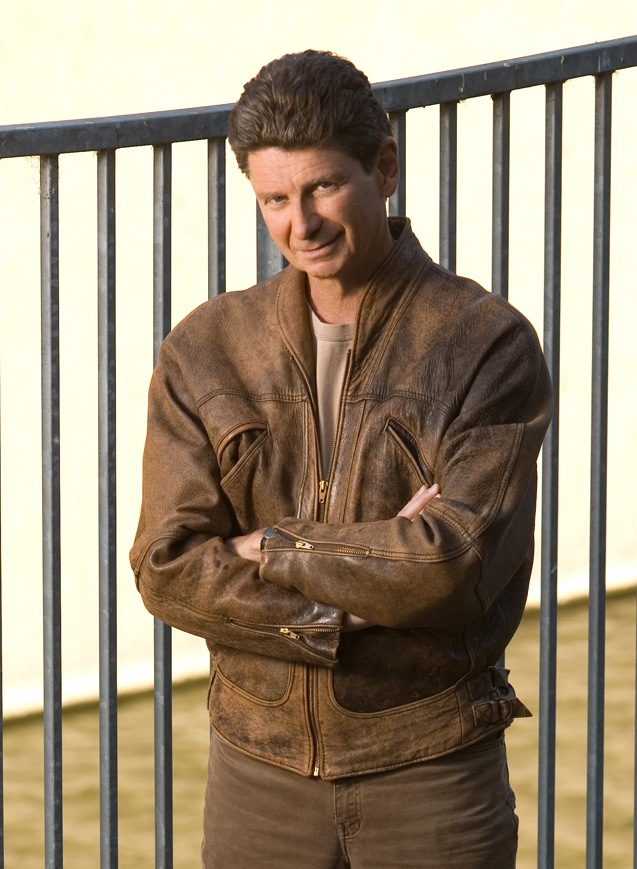
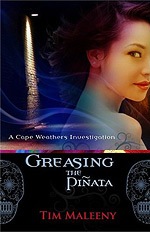
Tim Maleeny is the bestselling author of Greasing The Piñata, which recently won The Lefty Award for best humorous mystery of 2008, and the forthcoming standalone novel Jump that Publishers Weekly called “a perfectly blended cocktail of escapism, with or without the beach towel.”
~~~~~~~~~~~~~~
Coming up on our Kill Zone Guest Sundays, watch for blogs from Sandra Brown, Steve Berry, Robert Liparulo, Paul Kemprecos, Linda Fairstein, Oline Cogdill, Alexandra Sokoloff, James Scott Bell, and more.