Open Tuesdays

image It’s time for another Open Tuesday while our blogmate, Kathryn Lilley, is on medical hiatus. Bring us your questions, comments and discussions. If you have a question about writing, publishing or any other related topic, ask away in our comments section. We’ll do our best to get you an answer.

And don’t forget you can download a copy of FRESH KILLS, Tales from the Kill Zone to your Kindle or PC today.

It must be love, Ebook love..

You’ll have to bear with me as this is my first effort blogging on the iPad and it feels rather weird – but I have to get used to it as my family and I are embarking on a two month camping odyssey taking in most of the national parks in the Western United States. Tomorrow we head to Sequoia National Park and then Yosemite to start things off. Although I hope to be blogging from the road, there will be a few Mondays where we will be of the grid – but I am hopeful that my trusty iPad will keep me on track. Let’s just call it an adventure.

The one thing I do know for sure is that I am now an official ebook convert. I have to confess I initially viewed ebooks with trepidation. I was fully wedded to my paper book world – until now. Yes, it’s official I’m in love…okay and perhaps just a little addicted to my iPad.

It’s been only a couple of weeks and I have already amassed over 30 iBooks, 5 kindle ebooks and 28 Barnes and Noble ebooks. Now most of these are freebies I admit but still, it’s getting to be a bit of an addiction – believe me I am trying to be restrained! I just can’t help myself. I have also found myself trolling through the free ebook titles on all the sites – hey, you just never know when I might want to read that historical western or that paranormal erotica… Interestingly enough my major worry with ebooks used to be how to differentiate between the legitimate versus the self published but now I am actually browsing I find it is easy to see the distinction ( call me a snob but I haven’t downloaded any books from smash words as yet). To me the fact that publishers are giving me the chance to read titles like John’s No Mercy is great marketing and already I can see how free ebook samples can lure new readers in.

I also love how I get to carry a mini library wherever I go. On a recent flight I could keep my kids entertained with a variety of Beatrix Potter books complete with illustrations and it felt reassuring to know that I could read a number of other books in an instant if they wanted me too. In the past I have been weighed down by all the books I have had to carry.

Okay so enough of the love fest – what excites me is how technology has reinvigorated my love of books and, even more importantly, my children are just as excited as me. The reading experience has not been lost at all – just made a teeny bit cooler. So what piece of technology has done the same for you? Do you remember the thrill of the Walkman or watching your first VHS movie? What technology do you think will help reignite the passion for reading?

What Do You Do When You’re Not Writing?

By James Scott Bell 

I am temporarily indisposed. Away from my computer and all my ideas for my next blog post. What I have here is a friend’s iPad and only a few moments before I move on.

So please excuse the brevity of this post, and allow me to ask a question: what do you like to do when you’re not writing? Is it something that takes you completely away from scribal concerns? Or is your writer switch always on? (I’ll return next time with more substantial thoughts from this writer’s warehouse.)

The Loss of A Perfect Setting

John Ramsey Miller

We all have our favorite locations––places in our hearts that we put to the pen. Places change. Some locations change subtly or dramatically. I wrote New Orleans, a place that changed at a snail’s pace when it did, until Katrina decimated her down to the ancient bones. The city is coming back at a snail’s pace, and it will never be the same as I remember it.

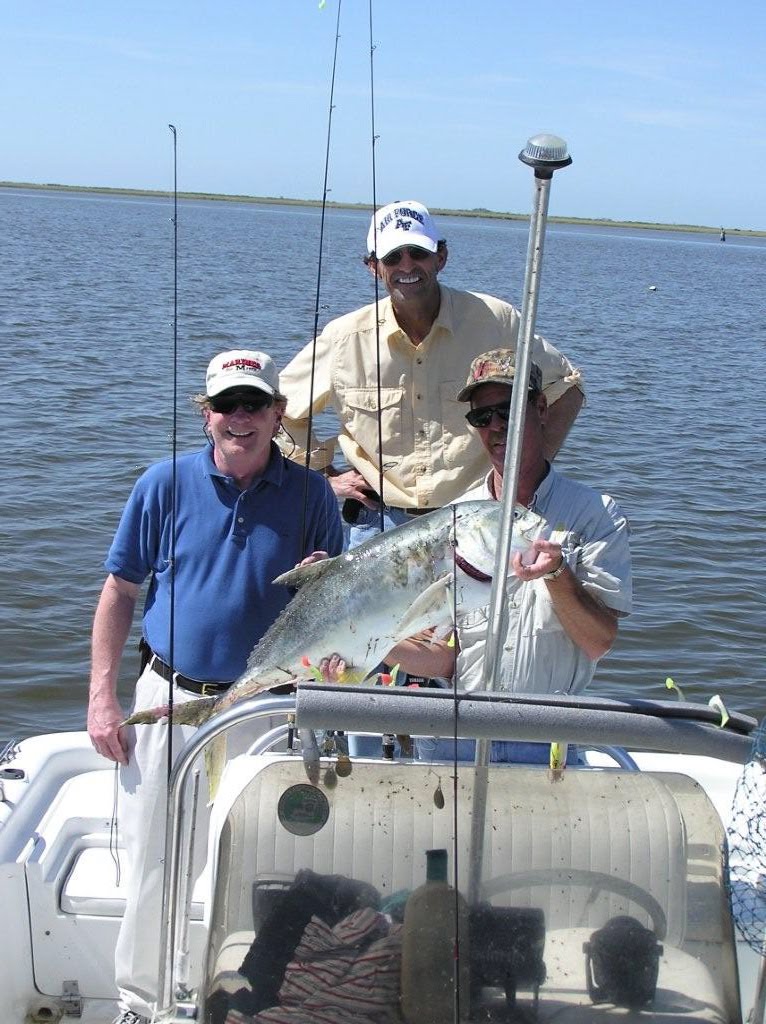
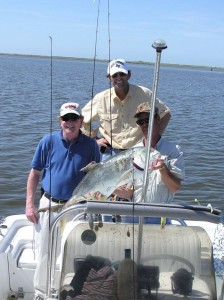
For the past many several years I have fished almost exclusively for Redfish and Speckled Trout in the brackish inlets and marshes south of Houma, Louisiana. My friends and I stay at a cabin in Falgout Marina, and we fish the lakes, marshes and often around several of the oil rigs ten miles out in the Gulf with Captain George Landry. Landry has spent his life hunting and fishing those waters and he knows the lakes and marshes better than any pelican does. What we are seeing on TV–the weeds covered with oil––are rich fishing grounds populated with marine life as well as a huge variety of wildlife. During their mating season, I have seen flocks of Pelicans–huge clouds of thousands of them sailing in loose formation, falling and dipping up shrimp, small trout and then taking to the skies again to sail like kites. Alligators, bottle-nose dolphins, hawks, egrets, gulls, deer, rabbits, crabs, shrimp …the list is endless. When I see the reeds covered in oil, I think of the times I’ve watched those reeds move as huge Redfish cut through them chasing dinner. I hate what has happened to those grounds, but the truth is we have been heading toward destruction of those wetlands for decades as salt water incursion has been killing off those wonderful natural places thanks in large part to oil exploration, conservationists being relegated to “on the corner with a bullhorn” status, and Louisiana’s unmolested political and big oil corruption, lack of funds or the politicians’ true desire to do anything to save them. It was because of the ongoing destruction of the wetlands that Hurricane Katrina and Rita did so much damage, since the shrinking wetlands act as a natural buffer against those kinds of disasters.

So, I am buying BP gasoline almost exclusively because I want them to stay solvent enough to be able to pay the billions to fix what they have helped destroy. Not to reward them for getting caught doing what most oil companies do without the same degree of unfortunate results. The truth is that none of the oil companies have cleaner hands than any of the others and neither do we. The oil companies have NEVER cared about what they destroy to get to the oil we demand to run our cars, tractors, motorcycles, lawnmowers.

I may never get to fish Sister Lake, Lake Mechant, or Lost Lake again and that saddens me immensely, but I am sadder for the generations who will never enjoy those places as I have, and never marvel at the pelicans filling the skies, the dolphins flanking our boat as we skim the flat water with the wind in our faces and the smell of salt water in our nostrils.

I am sick at heart for the thousands of people who make their livings from the renewable bounty of the marshes and lakes, all of the people who love the seafood that comes from those places, the fish and animals who will perish, and for all that is being lost and will never be the same. I have little faith that the oil will ever be completely cleaned up, because government and industry and the rest of us have such short attention spans, and words of promise do not always translate in effective action. I cannot believe that the oil can be cleaned up. Our ability to screw up beyond the bounds of science to fix those things is growing exponentially. I suspect the oil will be there poisoning everything it can get to for decades, and I predict that the next big disaster will take our eyes off the oily creatures, the dying lakes and marshes. Beaches with tar balls by the millions, lost jobs from a lack of tourists… Oysters, shrimp, crabs and the fish we harvest for our tables will likely be produced in Chinese ponds, and the drilling will go on…

History proves that we can adapt and move on, accepting loss here for gain there…

I have used this place as a setting in several of my novels because it is an enchanting, fertile, amazingly beautiful, complex, delicate and mysterious. It is now lost to the past, but burned indelibly into my imagination. I suppose I will keep using what it was to me in my novels, and I don’t want to add what it is now to that memory.

It’s An Honor To Be Nominated

By John Gilstrap
www.johngilstrap.com

One week from now, I’ll be in New York, attending my fifth ThrillerFest. I’ll have finished my CraftFest presentation, “Broken Bones, Ballistics and Backdrafts: Technical Stuff That Writers Should Get Right” and I’ll be a day away from finding out whether or not my book NO MERCY won the Thriller Award for Best Paperback Original.

I won’t lie to you: I really do hope that I win. A win would mean a lot at many levels, drawing attention to myself and my work at a pretty impressive level. Let’s face it, no one’s career has ever been harmed by winning a major award.

With that on the table, I won’t lie a second time: When it comes to judging “best” in any artistic category, the honor truly does lie in the nomination, irrespective of the ultimate winner. Think about it: a jury of my peers named a product of my imagination as one of the five best out of the pantheon of alternative titles. That’s pretty high cotton.

In fact, it’s very high cotton. I judged a major contest last year, and I know better than most how difficult it is to wean the choices to a final fifteen, let alone a final five. Once that’s done, it’s almost anticlimactic to name one of the five titles as the ultimate best. Fact is, the cliche nails it: The honor truly does lie in being nominated.

Somewhere out there, a finite number of people already know who will win every category of the Thriller Award. If I’m on the list, I will be beyond thrilled. If I’m not, I will be merely thrilled. Either way, I’ll have had a kick-ass great time in New York, hanging with some of the finest people on the planet.

I’ll try to fulfill my obligation here on the Killzone next Friday, but if I’m AWOL next Friday, please forgive me. As for the Saturday night results, keep an eye out for my tweets (@johngilstrap). Win or lose, that’s where I’ll report it first.

Here’s this week’s discussion question: Do awards matter in your decision to buy books? If an author is honored with the Thriller or the Edgar or the National Book Award, does the fact of the award ever compell you to buy a book that you otherwise would not read? How about an Oprah pick?

Distressing Damsels

by Michelle Gagnon

First of all, if you haven’t taken advantage of the free download of John Gilstrap’s Thriller nominated book NO MERCY yet, it can be found here. You won’t regret it.

Apparently we’re in the middle of a movie-themed week, ranging from Jaws to Predator.
So here’s my contribution.
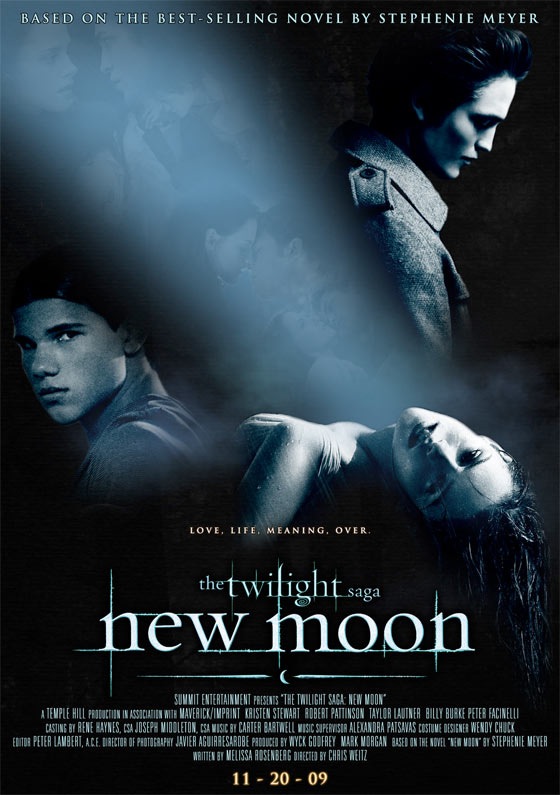
I made the mistake of watching the film New Moon the other night (I know, believe me, I know. It wasn’t by choice. I lost a bet.)

Fresh off my post on the incomprehensible hype surrounding The Girl with the Dragon Tattoo series, I figured there was so much hoopla surrounding Stephanie Meyers and the films based on her books, there must be some fire to that smoke.
Right?

Apparently not. Now, I haven’t read Ms. Meyer’s books (and I’m unlikely to, since watching the films was less enjoyable than a double root canal). I can see where they might appeal to teenage girls-all those strapping young men, barely clothed- and hey, apparently they can’t even indulge in carnal relations with you, since that would result in death- likely yours. It’s all terribly romantic.

But good Lord, the dialogue- stilted to the point where someone says something, someone else responds, yet there’s no evident correlation between the two statements. I liken it to conversations between four year-olds, where one says, “The sky is green,” and his friend answers, “I like cake,” and we’re supposed to believe they’re having a conversation. I kid you not, the repartee in the film is that abyssmal and stilted. If they’d pushed the envelope a bit further, it could have qualified as a Dada masterpiece. (Another example: check out the tagline on the movie poster above. “Love. Life. Meaning. Over.” Huh?)

But that’s not what I found most disturbing. No, apparently the bill of goods that millions of teenage girls (and their mothers) are currently subscribing to is that Bella, the female heroine, is, in fact completely weak and needy. Without male assistance, she can barely get through the day. Forget saving herself- whenever danger strikes, she pretty much curls into a ball and waits for one of those strapping men to show up (which they continue to do, with annoying frequency, for no apparent reason).

Now, I understand that the damsel in distress holds a hallowed place in our lore. But this was impotency and weakness to an extent that I found extremely unsettling. Maybe it’s because I personally am a fan of strong female protagonists. In a pinch, I’ll even settle for moderately capable ones. But this image of the female as a creature constantly putting herself in danger (stupidly: think naked girl wandering into the woods in a slasher film-that stupid), and wallowing if there wasn’t a man around, was disconcerting. At one point, a woman who had been the victim of abuse by her werewolf fiance was lauded for sticking by him because “he couldn’t help it.”
All of this struck me as a giant step backward.
Am I the only one who felt that way?

I Ain’t Got Time To Bleed

By Joe Moore

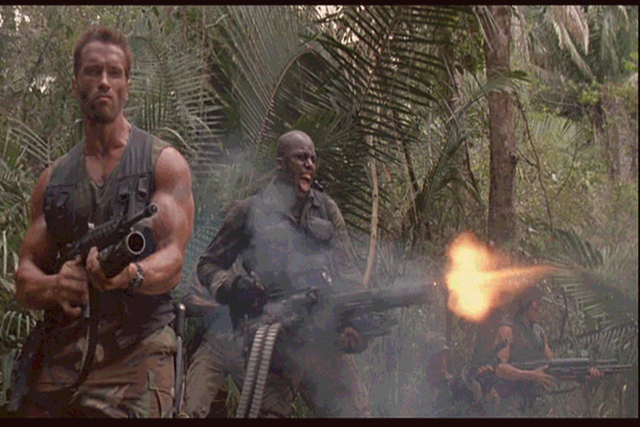
From the movie PREDATOR:

Poncho: You’re bleeding, man. You’re hit.
Blain: I ain’t got time to bleed.

image You love to write. You think about it all the time and believe there’s a book in you. Everyone thinks your story ideas are great. You’ve written a few chapters. Your spouse likes them. Your dog likes them. But you never seem to have enough time to get serious about your writing. You keep saying that if you had the chance, you could be a great writer. You just need the time.

Does that sound familiar? Don’t think you’re alone. Most of us felt the same when we first started. We had an overwhelming desire to tell a story. We couldn’t wait to sit down at the keyboard and let the ideas flow. But we couldn’t sustain the routine. Every time we tried to write, life got in the way. The day job that pays the bills. The chores. The errands. The family issues. Shopping. TV. A million distractions. So how does a wannabe writer find time to produce that first manuscript? How can he or she manage to get it done?

Usually the first big roadblock to staring a writing routine is to take on too much. If you have a day job and a family and a thousand other responsibilities, writing is probably not your first priority or second or third. It’s not smart for you to sacrifice those responsibilities by trying to write. Doing so just might cause a negative reaction with your family and friends who suddenly feel that you’re ignoring or slighting them. The goal is to schedule your writing time so it has the least amount of impact on the rest of your life.

First, carefully review your daily routine and find where you can find some time for writing. And here’s the secret. Keep it small to start with. Like I said, don’t try to take on too much. Make it reasonable. For instance, if you determine that there’s only 30 minutes each day just before you go to bed to write, then that’s your writing schedule. It’s not how much time you have available, but how you maintain and manage your schedule. This brings us to the second point.

Let everyone know your writing schedule. All those affected by the schedule must be aware that it exists. Family, business associates, neighbors, friends, whoever. Let them know that the designated time is your time to write. Lay down some rules that you are not to be disturbed during your official writing time. Eventually, they will accept it and the schedule will become part of their daily schedule, too.

Third, you need to stand by the rules and your schedule. Aside from emergencies, don’t break the rule. If it becomes obvious that the rule is not really a rule, you’re doomed. You might as well not have a schedule in the first place.

And fourth, make sure YOU stick to the schedule. The first time you give in to temptation and do something else besides writing, it will be easier to give in the next time. Pretty soon, you’ll be back to wishing you had time to write but don’t know how to work it into your busy schedule.

Always remember that at some point in his or her life, every published author had to find time to write. No one I know was born with endless amounts of hours to write books. We all had to make the time. When I first started writing, I would get up at 4:30 each workday and write for two hours before showering, breakfast and off to the day job. That’s how bad I wanted to be a writer.

Four years ago, I quite my day job to write full time. You can do it, too.

Now that you’re “hit” with the writing bug, find the time to bleed. It’s worth it.

How did you find time to write your first book?? What was your schedule? If you’re just getting started, what are you doing to find the “cracks” in the day to write?

Time shifts, Genre Transcension and Author Betrayals

by Clare Langley-Hawthorne

So I just finished my first e-book – The Passage by Justin Cronin – and what an experience it was. God only knows how many pages (Amazon’s kindle app fails to tell me) but I must have wracked up 780+pages in 48 hours. I literally couldn’t put the book down – but now, a mere 5 hours or so after finishing it, I started reading some of the reviews and a couple of the more unfavorable ones started to tweak a nerve and that’s when it hit me – this author did stuff that is usually totally taboo, stuff that usually sends a book down the big toilet – and yet it worked. The book still had me up all night turning the pages…This author broke the rules and managed to transcend the ‘genre’ by writing a literary thriller/horror/post-apocalyptic novel that did many of the things we tell young writers not to do – and he pulled it off! That alone (in my humble opinion) is worth blogging about. So what did he do?…Let’s take a look at the short list…(NOTE: SEMI SPOILER ALERT – NO REAL PLOT DETAILS ARE DISCLOSED BUT STILL, YOU HAVE BEEN WARNED!)

  • He did an introduction that contained so much backstory that most of as TKZ would have nixed those first few pages. He then continued to meander and tell the tale with very little in the way of relevant action that even had me wondering – where the hell are we headed with this?
  • Then- after nearly 100 pages he promptly kills off almost all the characters and makes the reader time shift 100 years or so into the future. All the characters I felt really invested in promptly disappeared in an instant, only to be replaced by new characters whose backstory had yet to be explained.
  • He continued to ‘tell’ whole chunks of backstory for each of his characters – No doubt he has literary chops but still, there was a lot of the old ‘telling’ and not a lot of the old ‘showing’.
  • He told much of the critical ‘action’ scenes as email/diary entries which diluted their immediacy. Hell, he even ended the story on one…speaking of which…
  • He ended the book on such an ambiguous note that even I was asking myself why I had just spent 48 hours reading the book -until I realized it was book 1 in a proposed trilogy and then it all (kinda) made sense. (But boy, what I rule breaker to leave a gripped reader confused like that!)
  • He had a critical character who pretty much did nothing proactive in the entire book except via telepathy and dream sequences.
  • Almost all the plot (and many specific scenes) were derivative of stories that had come before (The Stand, The Road, 28 Days)

Yet, despite all these ‘broken rules’ I was still totally gripped – for two days the book lingered in my mind and wouldn’t let go. It had that undefinable something – an epic quality – that transcended all its faults.

So have you ever read a book that has done the same thing – which flies in the face of convention (and falls into many of its cliches) and yet still flares with its own ineffable brilliance? A book that transcends both genre and all the (so called) ‘writing’ rules?

For me, it may not be The Passage – there were many things about that frustrated the Hell out of me (including many of the ‘broken rules’ listed above) but I have to say, it’s been a long time since I was so engrossed in a book that its ‘inner world’ seemed like a constant presence – one that I was both dying to get back to and yet whose story I was desperate to end. What book can you say last did that to you?

Setting the Stage

James Scott Bell


We all know the importance of details in fiction. Whether it’s the description of a place or person, the details should always do “double duty.” They ought to go beyond the mere painting of a picture and contribute to the mood you’re trying to create.

When you set up your story world, this is especially important, for the following reasons:

* Setting helps establish the fictive dream

Details make or break verisimilitude. Lisa Scottoline sets her books in her native Philadelphia for just that reason. “You can really help support a character if you understand the setting,” she said in a Time interview. “So for that reason I generally write about Philadelphia. My experience is that people extrapolate it. If you write specifically enough, they extrapolate it to their hometown, wherever that is, even if it’s Amsterdam. By the same token, if you don’t write specifically enough and you have generic Anywhere U.S.A., then nobody feels anything. The whole bottom drops out of the story.”

• Setting establishes motifs

You are wasting an opportunity if you do not find motifs in your settings. A motif is a distinctive visual that repeats. Like the green light in The Great Gatsby. It carries symbolic weight and deepens the reading experience.

For L.A. writers such as myself, the city provides a wealth of these icons. One of my favorites is Angels Flight. Allow me to riff on it just a bit.

Angels Flight is a funicular railroad (two cars going up and down in balance) that was built in 1901. It was to bring the folks living in the fashionable burb of Bunker Hill down a steep grade to the shopping area of Los Angeles. That saved them a long walk down and up steps, or getting the horse and buggy all rigged. For a penny, you could ride the cars.

Bunker Hill began to fade as the years went on. Post WWII, especially, it became a place of run down tenements and flophouses for cons and criminals to gather. But Angels Flight remained right there on 3rd Street, doing its thing.

It was going to be torn down in the late 50s, a victim of redevelopment. But a grass roots movement sprang up to save the old girl. My dad, an L.A. lawyer, was part of this. He even brought his young son downtown to ride on it in front of news cameras and the L.A. Times.

So, in a small way, I helped save Angels Flight. The city preserved it, moved it half a block south, and reopened it. An unfortunate accident took it offline for several years, but earlier this year it started running again.

I have used Angels Flight in a novel of the same name. This novel was mentioned in a great pictorial history of Angels Flight by Jim Dawson. Several film noirs have featured it over the years.

If you’re ever in downtown L.A., take a ride. You catch it on Hill Street, between 3rd and 4th, directly across from the Grand Central Market. Up at the top you can get a great view of the city of angels.

Talk about your settings. Do you have a favorite? Do you visit your locations and purposely work in the details?

Here’s a short trip on Angels Flight for your viewing pleasure.