‘Splain It to me, Lucy!
By Jordan Dane
I’m teaching an online writing class from Feb 20 – Mar 2, hosted by YARWA, the online chapter for Young Adult Romance Writers of America. We’ve chatted about how to get over the hump and finish a book once you’ve stalled out for various reasons. Some people might call this writer’s block, but for me, I refuse to acknowledge anything like that exists. It’s too easy to blame an affliction we seemingly have no control over. I prefer to think my brain is secretly trying to tell me something that I’m not hearing, even though we are close neighbors.
When I can’t hear my brain SCREAMING at me to stop writing, apparently my body can hear that pesky 3-pounds of mush. My fingers boycott me and quit hitting the keyboard or I find many excuses to distract myself—even doing laundry, for cryin’ out loud. Now that’s desperate.
I’ve learned to listen to my body when this happens. It’s my interpreter when it comes to “brain speak.” One way to get me back on track is first understand and accept that my brain is trying to tell me something about the plot, character revelation/motivation, or certain scenes aren’t working and could be better. Usually this part only lasts hours or a day or two, or a good night’s sleep. I’ve found answers for my dilemma in commercials, the NOVA channel, and even have found the complete ending of a book from watching an old skateboard flick, starring Christian Slater, called “Gleaming the Cube.”
But when I can’t find the answer alone, I’ve found a tried and true method for me is cornering ANYONE to listen to me ‘splain it. Usually this poor person is my husband, John. We can chat over breakfast, spending quality time talking about how to kill people and get away with it, or he listens to my ramblings as we drive. (Your gas mileage may vary.) One thing amazes me about this process. It doesn’t seem to matter who I corner or how I ‘splain it, I invariably come up with the answer on my own as I talk it out. It seems the brain needs the mouth to communicate back to my brain. What a weird Détente!
If you haven’t tried this, do it. It will blow your mind. Literally! I’ve concluded that since I spend most of my day in my own head—without speaking—that when I finally DO speak, my brain is listening and finally sends messages that result in solutions. Things I wouldn’t have explored purely thinking about them. Apparently explaining things to someone outside my “brain trust”—whether they ultimately contribute to the process or not is irrelevant—forces me to work things out in a way I can’t do on my own. The act of being more thorough in my explanation seems to be a critical element to my process.
But given the old adage about a tree in the forest, does it take someone else listening to get results to my dilemma? Or is this the first stages of schizophrenia and my way of justifying it? I haven’t ranted to me, myself, and I on this yet. That day might come on its own—along with a nice helping of meds.
Please share with us:
1.) How do YOU jumpstart your writing process?
2.) What have been your strangest diversions when you should have been writing?
Below is a video on how the publishing industry works from author to store:
The five most disturbing homicides in fiction
One day when I was ten years old, I plucked one of my mother’s books from a shelf. It was a shiny paperback with a knife dripping blood on the front–a “potboiler,” she called books of that type.
That story (which technically I wasn’t allowed to read) helped me graduate from Nancy Drew to the world of grisly homicide. I never developed my mother’s taste for potboilers, but I quickly discovered Poe and later, Truman Capote.
Some of these murder stories remain standouts–over the years, I’ve never quite shaken their chill. Here’s my list of the top five most disturbing homicides in fiction:
1. The Cask of Amontillado
I’ll never forget my horror as I read the story of a chained Fortunato being sealed behind a brick wall. It was the cheerfulness of his murderer that most unnerved me. Never again would I put my full trust in a smiling face.
2. The Tell-Tale Heart
Another Poe classic, this story of guilt and obsession is also told from the the murderer’s point of view. What sound could be louder than the victim’s heart beating from beneath those floorboards?
3. The Silence of the Lambs
This story is the perfect intersection of creepiness and terror. It blends cannibalism with the skin-deep antics of a cross-dressing tailor.
4. The Godfather
This book counts the many, many ways one can eliminate the business competition. My favorite was being garroted by a wire from behind.
5. Jaws
Technically, death by monster-shark isn’t murder. But twenty years after reading this novel, I’m still won’t put a toe in the ocean. Jaws killed my love of swimming. So I’m counting it.
So what tales of murder have most disturbed you over the years? Are blood and gore as disturbing to you as the psychological aspect of a crime?
Who are your characters?
Most writers at one time or other get asked “is your protagonist you?” – in the belief, maybe, that all of us secretly yearn to place ourselves in our work (hey, as a character, you get to have all the fun!). When I completed Consequences of Sin and handed it to my husband to read, his immediate reaction was “I know Ursula is you, but who is Lord Wrotham, because he sure as hell isn’t me!” I of course vigororously denied that Ursula was in any sense, me, but, in many ways, she was a direct projection of who I would have liked to have been had I lived in Edwardian times.
It was only when my sister, Bridget, got upset that I had named the housemaid after her (completely unwittingly, I might add), that I realized how much family and friends were trying to see if they recognized anyone in my books. No one seemed to believe that I hadn’t based any of my characters on anyone I actually knew in real life (well, that’s my story and I’m sticking to it).
This question has got me thinking about other writers and whether they incorporate themselves or other people they know into their novels. I’m sure all of us has subconsciously done this to some extent – but how many of us have deliberately chosen to model a character on someone we know?
While I often use real historical figures to inform my writing, I have never deliberately based a character of anyone in particular. To me that seems to be crossing the line into non-fiction (and opening up a potential can of worms if any descendants get upset!)
What about you? Have you ever deliberately incorporated someone you know as a character (victim, hero or perpetrator!)?
Did you try and disguise them to ensure the person didn’t realize the character was based on them?
If you have used a real person, did that person recognize themselves when they read it? If so, how did they react (…any lawsuits pending…?!)
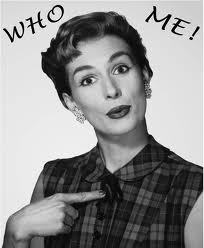
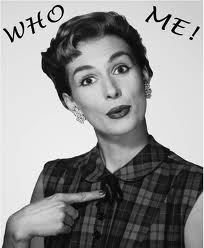
Who are your characters?
Most writers at one time or other get asked “is your protagonist you?” – in the belief, maybe, that all of us secretly yearn to place ourselves in our work (hey, as a character, you get to have all the fun!). When I completed Consequences of Sin and handed it to my husband to read, his immediate reaction was “I know Ursula is you, but who is Lord Wrotham, because he sure as hell isn’t me!” I of course vigororously denied that Ursula was in any sense, me, but, in many ways, she was a direct projection of who I would have liked to have been had I lived in Edwardian times.
It was only when my sister, Bridget, got upset that I had named the housemaid after her (completely unwittingly, I might add), that I realized how much family and friends were trying to see if they recognized anyone in my books. No one seemed to believe that I hadn’t based any of my characters on anyone I actually knew in real life (well, that’s my story and I’m sticking to it).
This question has got me thinking about other writers and whether they incorporate themselves or other people they know into their novels. I’m sure all of us has subconsciously done this to some extent – but how many of us have deliberately chosen to model a character on someone we know?
While I often use real historical figures to inform my writing, I have never deliberately based a character of anyone in particular. To me that seems to be crossing the line into non-fiction (and opening up a potential can of worms if any descendants get upset!)
What about you? Have you ever deliberately incorporated someone you know as a character (victim, hero or perpetrator!)?
Did you try and disguise them to ensure the person didn’t realize the character was based on them?
If you have used a real person, did that person recognize themselves when they read it? If so, how did they react (…any lawsuits pending…?!)