The Fastest Way to Improve Your Novel
We Interrupt Our Regularly Scheduled Program…
Reader Friday: The Ultimate Writer’s Retreat
Dumb Men, Smart Women
By Elaine Viets
Why are married men so dumb?
I’m not an exasperated wife, but a fed-up reader and viewer.
I’m tired of dumb men in movies, TV and fiction. You know what I mean: the smart, cute wife is married to a buffoon with a room-temperature IQ.
The prime – or maybe prime-time – example is Homer Simpson. Yes, I realize he’s a cartoon. So is Peter Griffin in “Family Guy.” ![]()
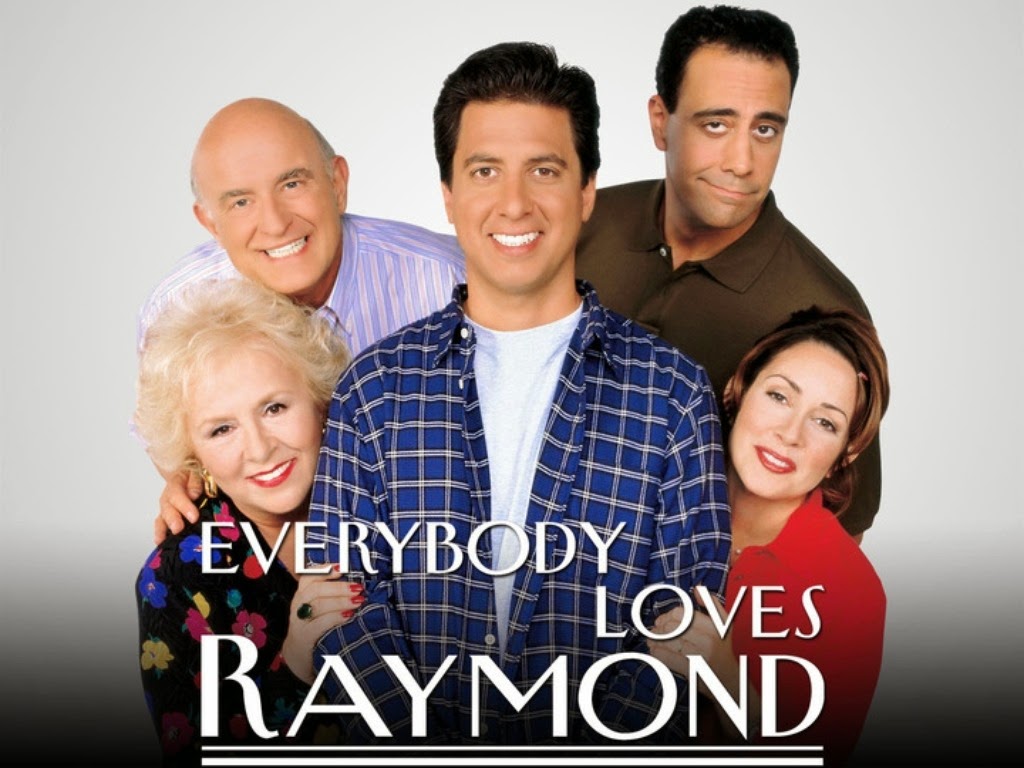
But “Everybody Loves Raymond,” is another clueless consort, and his wife would get the gold at an Olympic eye-rolling contest.
Dumb husbands are (laughing) stocks in commercials and America’s Funniest Home Videos, though AFV men are hit in the gonads so often that has to lower their chances for reproducing.
How did men go from “Father Knows Best” to Father Knows Nothing?
And what kind of consorts are we providing for our smart women of mystery?
Agatha Christie’s Miss Marple is a spinster. Sue Grafton’s Kinsey Milhone, like many women detectives, is divorced and likely to stay single. Grafton said she doesn’t want to write Nick and Nora Charles dialogue.
As for Nick and Nora, they’re happily married, but Nick’s a bit alcohol addled and doesn’t like that Nora has all the money. He goes to work, but only when she complains. They aren’t really equal.
Few women in crime fiction marry equals. Helen Hawthorne in my Dead-End Job series started out like many female detectives: divorced and bitter. The judge had promised Rob, Helen’s unfaithful ex, one-half of her future income, and she swore Rob would never see another nickel of her money.
At first, Helen’s single state was fine. She kept working low-paying Dead-End Jobs and solving murders. But I realized that Helen had to make some changes if the series was going to stay fresh. She had to let go of her bitterness. Otherwise, she’d become a bore. We’re all sympathetic when our friends divorce. But eventually, we expect them to get over it. Yes, he’s a jerk, we say. Thank goodness you dumped him. Now find something new to talk about.
Besides, a bitter, divorced woman didn’t reflect my own view of marriage. I’m happily married and believe that equals can and should marry. Who wants to hang around a stupid spouse till death? ![]()
In my third Dead-End Job mystery, Dying to Call You, Helen started dating Phil Sagemont, a private eye who also lived in the Coronado Tropic Apartments. As she overcame her dislike of men, I worked on my Nick and Nora dialogue. Finally, in Killer Cuts, Helen agreed to marry Phil.
Their landlady, Margery Flax, tied the knot and I was committed to marriage equality for better or worse. Helen became a private eye and the new couple started Coronado Investigations.
The change worked. The two married PIs make the series stronger and more believable. Helen no longer has to trip over bodies and find reasons to conduct amateur investigations. As licensed private eyes and in-house detectives for a Fort Lauderdale law firm, she and Phil are paid to investigate murders. It’s their job. ![]()
In Catnapped!, my new Dead-End Job mystery, is a hardcover and an e-book. Helen and Phil are hired for what looks like a simple job: retrieve a show cat in a pet custody case. The soon-to-be ex husband should have returned the cat Sunday night. Monday morning, Helen and Phil find the husband dead and the cat held for a half-million dollar ransom.
Helen and Phil are still happily married, and I’m still learning how to write their dialogue. I make sure they have fights and disagreements, because even happy couples have those. Helen and Phil are both smart and equally dumb: In Catnapped!, Phil stole the wrong show cat and Helen blurted information to the police that nearly derailed the investigation.
Catnapped! is the 13th book in the series. Married people do live longer.
Dumb Men, Smart Women
By Elaine Viets
Why are married men so dumb?
I’m not an exasperated wife, but a fed-up reader and viewer.
I’m tired of dumb men in movies, TV and fiction. You know what I mean: the smart, cute wife is married to a buffoon with a room-temperature IQ.
The prime – or maybe prime-time – example is Homer Simpson. Yes, I realize he’s a cartoon. So is Peter Griffin in “Family Guy.” ![]()
But “Everybody Loves Raymond,” is another clueless consort, and his wife would get the gold at an Olympic eye-rolling contest.
Dumb husbands are (laughing) stocks in commercials and America’s Funniest Home Videos, though AFV men are hit in the gonads so often that has to lower their chances for reproducing.
How did men go from “Father Knows Best” to Father Knows Nothing?
And what kind of consorts are we providing for our smart women of mystery?
Agatha Christie’s Miss Marple is a spinster. Sue Grafton’s Kinsey Milhone, like many women detectives, is divorced and likely to stay single. Grafton said she doesn’t want to write Nick and Nora Charles dialogue.
As for Nick and Nora, they’re happily married, but Nick’s a bit alcohol addled and doesn’t like that Nora has all the money. He goes to work, but only when she complains. They aren’t really equal.
Few women in crime fiction marry equals. Helen Hawthorne in my Dead-End Job series started out like many female detectives: divorced and bitter. The judge had promised Rob, Helen’s unfaithful ex, one-half of her future income, and she swore Rob would never see another nickel of her money.
At first, Helen’s single state was fine. She kept working low-paying Dead-End Jobs and solving murders. But I realized that Helen had to make some changes if the series was going to stay fresh. She had to let go of her bitterness. Otherwise, she’d become a bore. We’re all sympathetic when our friends divorce. But eventually, we expect them to get over it. Yes, he’s a jerk, we say. Thank goodness you dumped him. Now find something new to talk about.
Besides, a bitter, divorced woman didn’t reflect my own view of marriage. I’m happily married and believe that equals can and should marry. Who wants to hang around a stupid spouse till death? ![]()
In my third Dead-End Job mystery, Dying to Call You, Helen started dating Phil Sagemont, a private eye who also lived in the Coronado Tropic Apartments. As she overcame her dislike of men, I worked on my Nick and Nora dialogue. Finally, in Killer Cuts, Helen agreed to marry Phil.
Their landlady, Margery Flax, tied the knot and I was committed to marriage equality for better or worse. Helen became a private eye and the new couple started Coronado Investigations.
The change worked. The two married PIs make the series stronger and more believable. Helen no longer has to trip over bodies and find reasons to conduct amateur investigations. As licensed private eyes and in-house detectives for a Fort Lauderdale law firm, she and Phil are paid to investigate murders. It’s their job. ![]()
In Catnapped!, my new Dead-End Job mystery, is a hardcover and an e-book. Helen and Phil are hired for what looks like a simple job: retrieve a show cat in a pet custody case. The soon-to-be ex husband should have returned the cat Sunday night. Monday morning, Helen and Phil find the husband dead and the cat held for a half-million dollar ransom. Custody cases aren’t just for pets, couple who have find themselves splitting up while having children often find themselves in custody battles that can be hard on both parties. If you or a someone you know have found yourself in such a situation, you may want to get in touch with someone similar to this custody attorney Atlanta or somewhere more local to you to get the help that you need.
Helen and Phil are still happily married, and I’m still learning how to write their dialogue. I make sure they have fights and disagreements, because even happy couples have those. Helen and Phil are both smart and equally dumb: In Catnapped!, Phil stole the wrong show cat and Helen blurted information to the police that nearly derailed the investigation.
Catnapped! is the 13th book in the series. Married people do live longer.
Writing in Two Genres
It’s not an easy path to follow to write in two separate genres. You have a different readership to satisfy. You have different reviewers to court. You have to promote to two entirely different audiences. And you have your own branding to consider. So why diversify from the original path you’ve chosen?
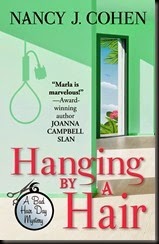
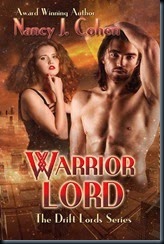
In my case, it was more a matter of career survival than choice. We didn’t have the publishing options present today when I made the switch from romance to mystery and back again to romance. If I wanted to keep my career alive, I had to write what would sell. Besides, I found that writing too many books in one genre makes me restless. I get the urge to do something totally different, and this switchover helps to keep my writing fresh. If I write so many mysteries in a row that I can’t come up with another single motive, then it’s time for a change.
My mysteries are grounded, logical, easily researchable in my surroundings. In contrast, my romances might proceed in a logical manner but they include wild adventures, scenes of passion, and imaginative forays into scifi and fantasy realms. I can let loose in these novels in a manner that’s not possible in a modern day mystery.
So how do you brand yourself when you write in different genres? By sticking to your core story. My readers know to expect fast-paced action, suspense, and mystery. There won’t be anything truly horrifying happening in my books or any favorite characters killed off. Humor is always a part of my books and so is romance. And I like to write a meaty story, not mere fluff. Even my romances have complex plots.
Is there hope for cross-readership? Of course there is, but I know my most vocal readers want me to write more mysteries. This feedback matters a great deal to me. So perhaps I’ll offer a second mystery series once I have time. The best part of publishing today is having options.
Even though some seasoned authors might advise you to stick to your brand and continue writing the same types of stories to build your readership, I say that once you have a few books under your belt, write the book of your heart. It’ll refresh you, lift your spirits, and diversify your repertoire. However, don’t lose sight of your loyal readers and continue to produce the stories they request. Be responsive and grateful for feedback. But above all, love what you write.
Do you feel it’s best to stick to one genre to build your brand or to diversify?
Writing in Two Genres
It’s not an easy path to follow to write in two separate genres. You have a different readership to satisfy. You have different reviewers to court. You have to promote to two entirely different audiences. And you have your own branding to consider. So why diversify from the original path you’ve chosen?
In my case, it was more a matter of career survival than choice. We didn’t have the publishing options present today when I made the switch from romance to mystery and back again to romance. If I wanted to keep my career alive, I had to write what would sell. Besides, I found that writing too many books in one genre makes me restless. I get the urge to do something totally different, and this switchover helps to keep my writing fresh. If I write so many mysteries in a row that I can’t come up with another single motive, then it’s time for a change.
My mysteries are grounded, logical, easily researchable in my surroundings. In contrast, my romances might proceed in a logical manner but they include wild adventures, scenes of passion, and imaginative forays into scifi and fantasy realms. I can let loose in these novels in a manner that’s not possible in a modern day mystery.
So how do you brand yourself when you write in different genres? By sticking to your core story. My readers know to expect fast-paced action, suspense, and mystery. There won’t be anything truly horrifying happening in my books or any favorite characters killed off. Humor is always a part of my books and so is romance. And I like to write a meaty story, not mere fluff. Even my romances have complex plots.
Is there hope for cross-readership? Of course there is, but I know my most vocal readers want me to write more mysteries. This feedback matters a great deal to me. So perhaps I’ll offer a second mystery series once I have time. The best part of publishing today is having options.
Even though some seasoned authors might advise you to stick to your brand and continue writing the same types of stories to build your readership, I say that once you have a few books under your belt, write the book of your heart. It’ll refresh you, lift your spirits, and diversify your repertoire. However, don’t lose sight of your loyal readers and continue to produce the stories they request. Be responsive and grateful for feedback. But above all, love what you write.
Do you feel it’s best to stick to one genre to build your brand or to diversify?