What is the greatest challenge you face as a writer? How are you working to overcome it?

Where is the best spot for a book signing?
Writers debate this question endlessly. When we’re signing in a bookstore, should we have a table by the door? A quiet alcove? A special room?
How about when we give a speech? Should we have our own table piled with our books? Where should it be placed? By the door? Near the podium?
Sometimes, the best spots are the most unexpected.
My first mystery series is the Francesca Vierling novels, and they’re still in print as e-books and paperbacks. My heroine is a six-foot tall St. Louis newspaper columnist, which is what I was, until I got fired from the paper for insubordination.
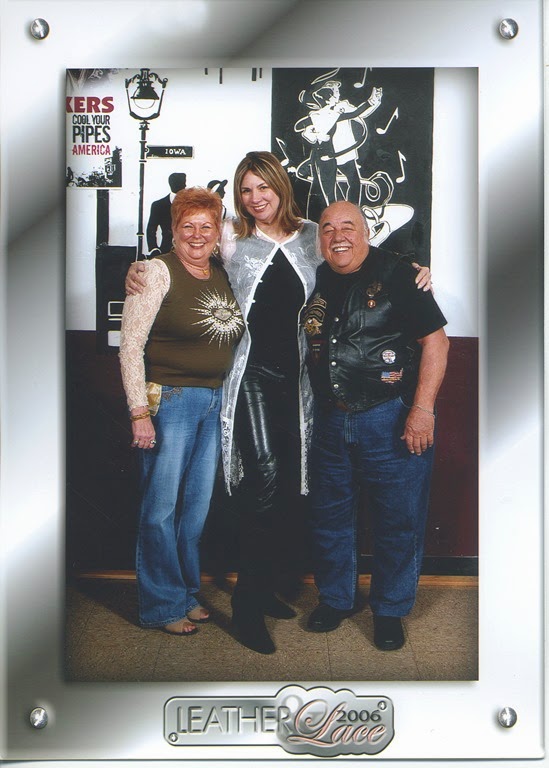
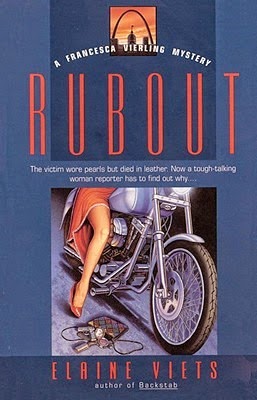
“Rubout,” the second book in this series, takes place at the annual bikers society ball in St. Louis, where one thousand Harley riders gather.
It’s called the Leather and Lace Ball.
The ball is not open to the public, and the bikers wear the wildest outfits you’ve ever seen. However, over the years they have started to dress more sensibly with some of them even wearing helmets such as the AGV K-3 SV! One year, the queen of the ball wore a black lace body stocking and cowboy boots. That was all.
And she was a natural blonde.
The king wore a black leather vest, black chaps, and a G-string. We women were trying not to stare at this G-string, because his girlfriend was an over-the-road trucker. We were afraid she’d beat us up.
One woman was foolish enough (and drunk enough) to dance with the king. They were dancing cheek-to-cheek, so to speak, and I’m not talking about his face. The king’s girlfriend saw them, grabbed the poacher by the hair and said, “Leave him alone.” Her voice was so flat and scary, I backed away.
What if the poacher turned up dead? This became the basis for “Rubout.”
The St. Louis bikers helped me with this book, on the condition that I not make the killer a biker. These were members of the Kirkwood HOGs, which is short for Harley Owners Group. Despite the way the bikers looked, these were not Hell’s Angels. Most were family people, working men and women who liked to dress up in biker leather and wear tattoos that didn’t wash off.
I asked them about their favorite T-shirts. One guy told me his, and his wife hit him on the head. The T-shirt said, “If you can read this, the bitch fell off.”
When “Rubout” was published, the bikers gave me a signing at their meeting in a VFW hall.
They said, “Don’t worry, honey, we’ll put you where everyone can find you.”
It wasn’t by the podium, either.
The bikers put me at a table way in the back, between the men’s and women’s restrooms.
I sat there and wondered, “Does John Grisham sit between the bathrooms to sell books?” “Does Mary Higgins Clark get stuck by the johns?”
Then I didn’t have time to brood. The bikers drank a lot of beer, and soon they were heading for the restrooms.
They noticed the books on their way in. And bought them on their way out.
You never know what’s going to be a good signing site.
Now Pine-Sol smells like money. Cheers!
How do you formulate a traditional murder mystery plot? Do you start with the victim? The villain? Or do you select an evocative location or a controversial issue and start there?
I’ll clue you in to my methodology. This might work differently for you and is by no means a comprehensive list. But these are the elements I consider when planning a mystery. It’s part of what I call the Discovery phase of writing.
Book Title
Do you title your story before or after you write the book? I prefer to have a title up front. Sometimes, this dictates what I have to do next. For example, in Murder by Manicure, I had a title and no plot.
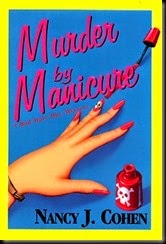
This had been part of a three-book contract, and all of a sudden my publisher wanted a synopsis. I had to come up with an idea that incorporated the title. Someone had to die either while getting a manicure or as a result of one. I face this same quandary now. I have the title, and I have to suit the crime to this situation. That brings us to the next element.
The Crime Scene
Do you begin with the victim or the villain? In a psychological suspense story, you might begin with the villain and why he became that way. The focus would be on how he turned to the dark side and what motivates him now. Then in comes your hero who has to figure out a way to stop him while delving into his psyche at the same time.
My plots center around the victim. Who is this person? Where do they die? How do they die? Once I figure out the Howdunit, I’ll move on to the next factor.
The Victim
What made this person a target? Here we might learn about their job and personal relationships. Was this person loved without a single blemish in his past? Or did other people have reason to resent him? What might have happened in his past to lead up to this moment? And what did he do to trigger the killer at this point in time? What could he be involved in that you as a writer might want to research?

The Cause
This is the passionate belief that underlies your story. It’s what gets me excited about a book, because I can learn something new and feel strongly about an issue while weaving it into my tale. In Hanging by a Hair, I deal with condo associations and their strict rules. I also touch upon Preppers and the extremes they go to in their survivalist beliefs. Or perhaps my theme is really about family unity, and how Marla strives to bring peace to the neighborhood so she can resume a normal family life. In my current plot, I finally hit upon The Cause. Now the elements are starting to come together. It’s exciting when this happens. And that brings us to the next factor.
The Suspects
Who has the motive, means and opportunity to have committed the crime? Does every one of your suspects have a viable motive? If so, whodunit? And why now? How can you relate these people to each other? This is the fun part, where the relationships build and the plot begins to coalesce in your mind. Character profiles might help at this stage, so you have a better concept of each person before they step on stage. Seek out photos if necessary and do any research you might need before you get started writing. What does The Cause mean to these people? Is it the reason why the victim had to die? Or is it the glue the sleuth will use to put the pieces together?

Personal Threads
Now focus on the sleuth. If this is your first story in a series, you’ll want to do an initial character profile. But like me, if you’re well into a series, you already know the hero or heroine. However, the protagonist needs to grow or change with each story, so what will be their personal lesson this time around? What is at stake that draws them into solving the crime? How does it affect them personally? And what other issues in their life are they dealing with now? What is their personal arc going forward?

Hook the Reader
Where will your story begin? How will it end? Will you include teasers for the next story? Even if you’re a pantser rather than a plotter, you’ll want to have an idea of a path to follow.
For me, by the time I’ve reached this last part, I have already jotted down plenty of notes. They might even be starting to make sense. I’ve done preliminary research and can see how the suspects relate to each other. Now it’s time to sit at the computer and write the synopsis. This should show personal conflicts as well as plot points, and how each story development affects your protagonist. You may follow an entirely different process, and that’s fine.
So start with various ideas for your plot. Write them down. Do a bit of research. Sound out your plot points to critique partners or friends. Identify the victim, the crime scene, and the manner of death. Develop your list of suspects. And then you’re off and running. For me, this is when the actual story starts. It’s begins with a crisis or murder that draws your sleuth in to solve the crime. Everything should flow logically from there.
By Elaine Viets
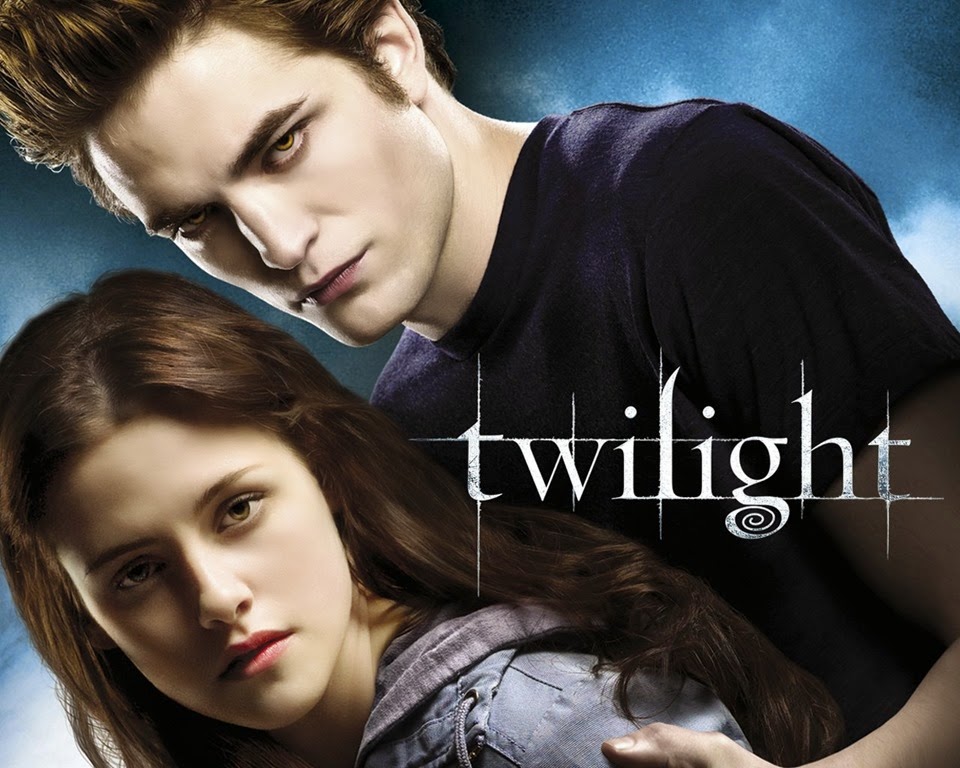
Stephenie Meyer said the Twilight saga came to her in a dream. Stephenie slept her way to success when she dreamed about a teenage girl and a vampire who loved her but lusted for her blood.
I dream about my novels, too, but so far none of my dreams have made me an international bestselling author.
The ideas seem so good at three a.m. I wake up, flip on the nightstand light, and scribble them down, then fall back to sleep, certain I have a career-making revelation.
Daylight tells another story. One note I wrote at two a.m. said, “Call California.”
The whole state?
Sometimes I write down chapter openings or endings. In the morning, I can’t read my handwriting.
That’s frustrating. But there is a solution.
I read about Otto Loewi, an Austrian scientist who wrote down a ground-breaking idea – then couldn’t read his handwriting.
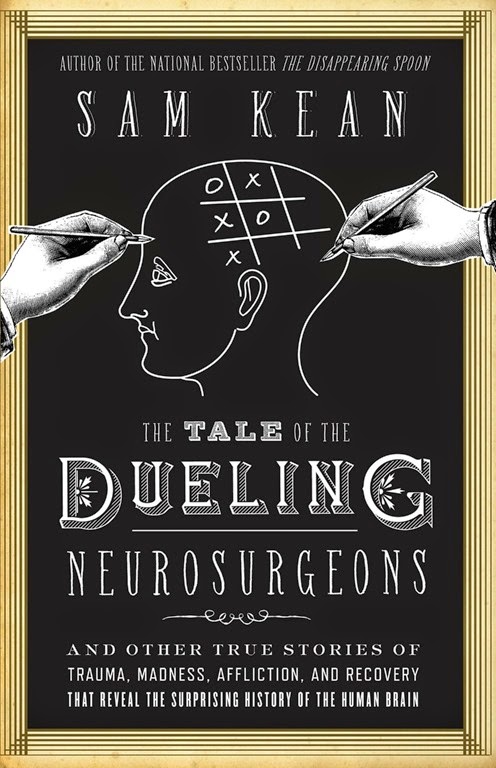
Otto is mentioned in “The Tale of the Dueling Neurosurgeons: The Tale of the Human Brain as Revealed by True Stories of Trauma, Madness, and Recovery” by Sam Kean. The nonfiction tale is highly entertaining, but you may not be too Kean on reading the part about brain-eating cannibals at dinner.
Anyway, Otto Loewi was fascinated by experiments with frog hearts in salt water, Kean wrote. “A frog heart removed from the frog and plopped in salt water will beat on its own inside the solution.”
Loewi first heard about the experiments in 1903, but forgot about them until 1920, “albeit under odd circumstances. The night before Easter that year, he nodded off while reading a novel. A Noble-worthy experiment flashed before him in a dream, and he awoke, groggy, and jotted it down.
“The next morning he couldn’t read his handwriting. Annoyed, then desperate, he pored over every jot and tittle. All he could remember was the moment of euphoria, the moment when everything made sense. He retired to bed crushed.
“At three o’clock that night the dream returned. Loewi awoke and, rather than risk another loss in translation, scampered to his lab. There he etherized two frogs.”
Talk about heartless.

Loewi “slipped their cherry-sized hearts into two separate beakers of saline, where they beat and beat and beat and made little waves against the glass. One heart had its nerves still attached, and when Loewi sparked certain nerve fibers, the beat slowed down, as expected.”
Now Loewi’s experiment takes on Frankenstein overtones.
“It was the next step that made him tingle,” Kean said. “He sucked up saline from inside the first heart and squirted it into the other beaker. The second heart slowed down immediately. He then sparked some different nerve fibers on the first heart and sped it up. Another saline transplant made the second heart speed up, too – exactly as he dreamed. 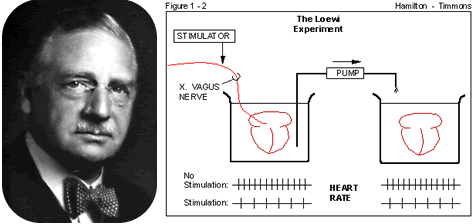
“Loewi concluded that the nerve, whenever it was sparked, was spurting out some chemical. The chemical then got transferred to the second heart when he transferred the saline.”
This experiment definitely jump-started Loewi’s career. He won a Nobel Prize for Medicine in 1936. 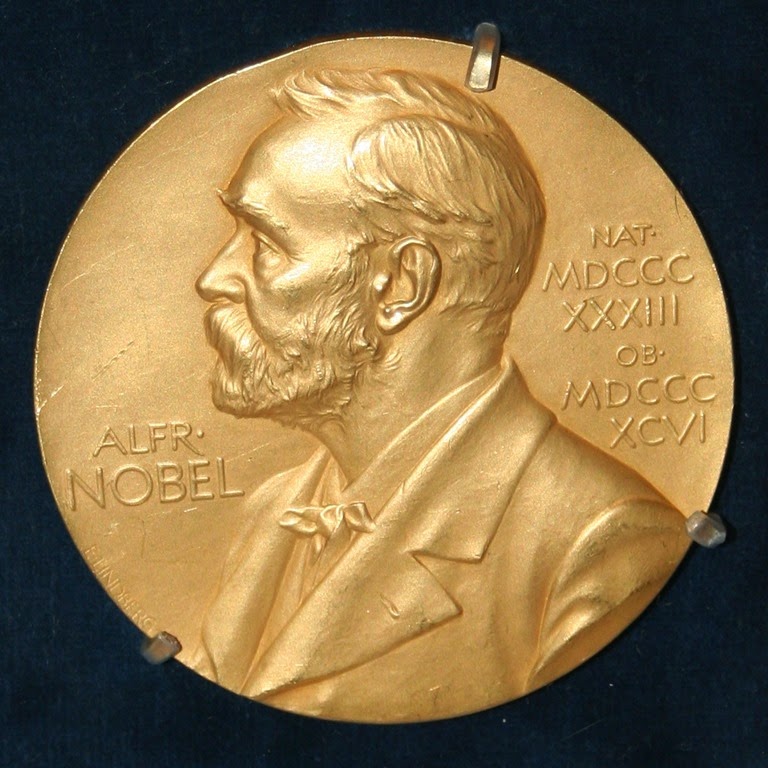
Keep on dreaming for success – but don’t forget to wake up.
One of the most frequently asked questions Lynn Sholes and I get is “How is it possible for two people to write fiction together?” The answer is: it ain’t easy. At least it wasn’t at first. Collaboration on non-fiction is somewhat easier to understand. In general, with non-fiction, usually the “facts” already exist and the collaborators’ job is to organize them into a readable document that has a beginning, middle and end. A good outline and knowledge of the subject matter along with professional writing skills may be all the authors need.
But with fiction, nothing exists. It’s all smoke and mirrors. Fiction is a product of an individual’s imagination. It might be inspired by actual facts or events, but only the individual writer has a specific vision of those events in his or her head. So how can two people have a similar enough vision to be able to write a novel?
I can’t speak for the handful of other writing teams out there, but Lynn and I have managed to complete 7 novels together because of a number of reasons.
First, we love the same kind of books—the ones we read are like the ones we write.
Second, we have an unquestioning respect for each other’s writing skills and a deep belief that whatever one of us writes, the other can improve upon it.
Third, we believe that there’s always a better way to write something.
Fourth, we never let our egos get in the way of a good story. This comes from spending over 10 years together in a weekly writers’ critique group.
Fifth, we know each other’s strengths and weaknesses, and are willing to admit them.
Sixth, we agree on the same message in each book.
Seventh, we believe that we are on the same level of expertise.
And last, we believe that the whole is greater than the sum of the parts.
Those points cover the mental portion. Now, how do we handle the mechanics of the job? We talk, and talk and talk. Once a day we conference call, brainstorming and telling and retelling each other the story. Our two favorite words are: What if? Whether it’s global plot points or an individual scene or character motivation, we keep telling each other the story until that little imaginary movie in our minds becomes as in sync as possible. Then one of us will declare they have a “handle” on the scene or character or chapter, and create the first draft.
We write very slowly because each chapter must go back and forth many times for revision. Years ago, when we first started, everyone who read our drafts could tell who wrote what as we tried to write our first book. It took three years of hard work before we melted our voices together. Now, because the process goes through so many revisions, even I can’t always remember what I wrote and what Lynn wrote. I rely on my co-writer so much that I’ve come to wonder how individuals can possibly write a book on their own.
There are a number of advantages and disadvantages to collaborating. A disadvantage is that you split any money you make. So you’ll always make half of what you could as a single author. And like any relationship, there is always a chance of a falling out. And something could happen where an ego can become inflated and affect the process.
One of the pluses is that we never experience writer’s block. One of us will always have an idea on how to get out of a jam or move the story forward. And unlike our family, friends, trusted beta readers, and everyone else, a co-writer has an intimate, vested interest in the success of the story that no one else could have.
Lynn and I are working on our eighth book together. I’ve found that creating the first draft of a chapter is just as exciting as getting a new chapter from her and seeing where the story has gone from her perspective. I guess the whole thing boils down to trust. Trust in each other and in the goals we both want to achieve with the story and with our careers.
I truly believe that the old adage of two heads being better than one is true when it comes to writing our novels.
———————–
 THE SHIELD by Sholes & Moore is now available in print and e-book.
“THE SHIELD rocks on all cylinders.”
– James Rollins,New York Times bestselling author of THE EYE OF GOD.
Coming soon in audio.
One of the most frequently asked questions Lynn Sholes and I get is “How is it possible for two people to write fiction together?” The answer is: it ain’t easy. At least it wasn’t at first. Collaboration on non-fiction is somewhat easier to understand. In general, with non-fiction, usually the “facts” already exist and the collaborators’ job is to organize them into a readable document that has a beginning, middle and end. A good outline and knowledge of the subject matter along with professional writing skills may be all the authors need.
But with fiction, nothing exists. It’s all smoke and mirrors. Fiction is a product of an individual’s imagination. It might be inspired by actual facts or events, but only the individual writer has a specific vision of those events in his or her head. So how can two people have a similar enough vision to be able to write a novel?
I can’t speak for the handful of other writing teams out there, but Lynn and I have managed to complete 7 novels together because of a number of reasons.
First, we love the same kind of books—the ones we read are like the ones we write.
Second, we have an unquestioning respect for each other’s writing skills and a deep belief that whatever one of us writes, the other can improve upon it.
Third, we believe that there’s always a better way to write something.
Fourth, we never let our egos get in the way of a good story. This comes from spending over 10 years together in a weekly writers’ critique group.
Fifth, we know each other’s strengths and weaknesses, and are willing to admit them.
Sixth, we agree on the same message in each book.
Seventh, we believe that we are on the same level of expertise.
And last, we believe that the whole is greater than the sum of the parts.
Those points cover the mental portion. Now, how do we handle the mechanics of the job? We talk, and talk and talk. Once a day we conference call, brainstorming and telling and retelling each other the story. Our two favorite words are: What if? Whether it’s global plot points or an individual scene or character motivation, we keep telling each other the story until that little imaginary movie in our minds becomes as in sync as possible. Then one of us will declare they have a “handle” on the scene or character or chapter, and create the first draft.
We write very slowly because each chapter must go back and forth many times for revision. Years ago, when we first started, everyone who read our drafts could tell who wrote what as we tried to write our first book. It took three years of hard work before we melted our voices together. Now, because the process goes through so many revisions, even I can’t always remember what I wrote and what Lynn wrote. I rely on my co-writer so much that I’ve come to wonder how individuals can possibly write a book on their own.
There are a number of advantages and disadvantages to collaborating. A disadvantage is that you split any money you make. So you’ll always make half of what you could as a single author. And like any relationship, there is always a chance of a falling out. And something could happen where an ego can become inflated and affect the process.
One of the pluses is that we never experience writer’s block. One of us will always have an idea on how to get out of a jam or move the story forward. And unlike our family, friends, trusted beta readers, and everyone else, a co-writer has an intimate, vested interest in the success of the story that no one else could have.
Lynn and I are working on our eighth book together. I’ve found that creating the first draft of a chapter is just as exciting as getting a new chapter from her and seeing where the story has gone from her perspective. I guess the whole thing boils down to trust. Trust in each other and in the goals we both want to achieve with the story and with our careers.
I truly believe that the old adage of two heads being better than one is true when it comes to writing our novels.
———————–
 THE SHIELD by Sholes & Moore is now available in print and e-book.
“THE SHIELD rocks on all cylinders.”
– James Rollins,New York Times bestselling author of THE EYE OF GOD.
Coming soon in audio.
By Elaine Viets

Why are married men so dumb?
I’m not an exasperated wife, but a fed-up reader and viewer.
I’m tired of dumb men in movies, TV and fiction. You know what I mean: the smart, cute wife is married to a buffoon with a room-temperature IQ.
The prime – or maybe prime-time – example is Homer Simpson. Yes, I realize he’s a cartoon. So is Peter Griffin in “Family Guy.” 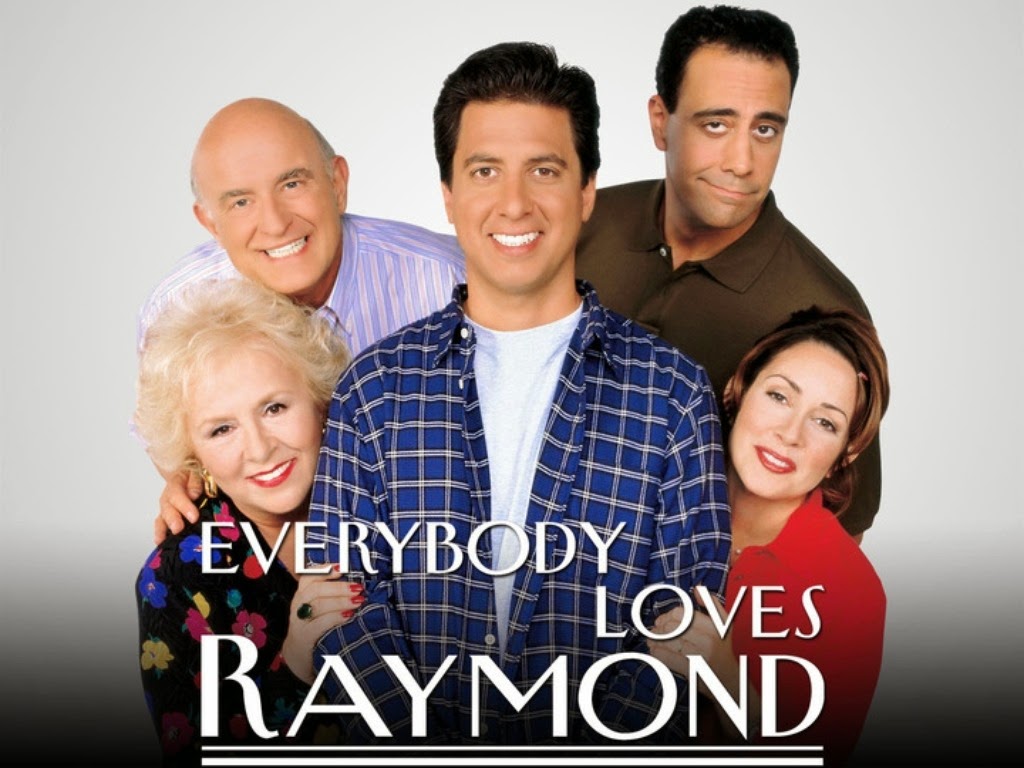
But “Everybody Loves Raymond,” is another clueless consort, and his wife would get the gold at an Olympic eye-rolling contest.
Dumb husbands are (laughing) stocks in commercials and America’s Funniest Home Videos, though AFV men are hit in the gonads so often that has to lower their chances for reproducing.

How did men go from “Father Knows Best” to Father Knows Nothing?
And what kind of consorts are we providing for our smart women of mystery?
Agatha Christie’s Miss Marple is a spinster. Sue Grafton’s Kinsey Milhone, like many women detectives, is divorced and likely to stay single. Grafton said she doesn’t want to write Nick and Nora Charles dialogue.

As for Nick and Nora, they’re happily married, but Nick’s a bit alcohol addled and doesn’t like that Nora has all the money. He goes to work, but only when she complains. They aren’t really equal.
Few women in crime fiction marry equals. Helen Hawthorne in my Dead-End Job series started out like many female detectives: divorced and bitter. The judge had promised Rob, Helen’s unfaithful ex, one-half of her future income, and she swore Rob would never see another nickel of her money.
At first, Helen’s single state was fine. She kept working low-paying Dead-End Jobs and solving murders. But I realized that Helen had to make some changes if the series was going to stay fresh. She had to let go of her bitterness. Otherwise, she’d become a bore. We’re all sympathetic when our friends divorce. But eventually, we expect them to get over it. Yes, he’s a jerk, we say. Thank goodness you dumped him. Now find something new to talk about.
Besides, a bitter, divorced woman didn’t reflect my own view of marriage. I’m happily married and believe that equals can and should marry. Who wants to hang around a stupid spouse till death? 
In my third Dead-End Job mystery, Dying to Call You, Helen started dating Phil Sagemont, a private eye who also lived in the Coronado Tropic Apartments. As she overcame her dislike of men, I worked on my Nick and Nora dialogue. Finally, in Killer Cuts, Helen agreed to marry Phil.

Their landlady, Margery Flax, tied the knot and I was committed to marriage equality for better or worse. Helen became a private eye and the new couple started Coronado Investigations.

The change worked. The two married PIs make the series stronger and more believable. Helen no longer has to trip over bodies and find reasons to conduct amateur investigations. As licensed private eyes and in-house detectives for a Fort Lauderdale law firm, she and Phil are paid to investigate murders. It’s their job. 
In Catnapped!, my new Dead-End Job mystery, is a hardcover and an e-book. Helen and Phil are hired for what looks like a simple job: retrieve a show cat in a pet custody case. The soon-to-be ex husband should have returned the cat Sunday night. Monday morning, Helen and Phil find the husband dead and the cat held for a half-million dollar ransom. Custody cases aren’t just for pets, couple who have find themselves splitting up while having children often find themselves in custody battles that can be hard on both parties. If you or a someone you know have found yourself in such a situation, you may want to get in touch with someone similar to this custody attorney Atlanta or somewhere more local to you to get the help that you need.

Helen and Phil are still happily married, and I’m still learning how to write their dialogue. I make sure they have fights and disagreements, because even happy couples have those. Helen and Phil are both smart and equally dumb: In Catnapped!, Phil stole the wrong show cat and Helen blurted information to the police that nearly derailed the investigation.
Catnapped! is the 13th book in the series. Married people do live longer.
By Elaine Viets
Why are married men so dumb?
I’m not an exasperated wife, but a fed-up reader and viewer.
I’m tired of dumb men in movies, TV and fiction. You know what I mean: the smart, cute wife is married to a buffoon with a room-temperature IQ.
The prime – or maybe prime-time – example is Homer Simpson. Yes, I realize he’s a cartoon. So is Peter Griffin in “Family Guy.”
But “Everybody Loves Raymond,” is another clueless consort, and his wife would get the gold at an Olympic eye-rolling contest.
Dumb husbands are (laughing) stocks in commercials and America’s Funniest Home Videos, though AFV men are hit in the gonads so often that has to lower their chances for reproducing.
How did men go from “Father Knows Best” to Father Knows Nothing?
And what kind of consorts are we providing for our smart women of mystery?
Agatha Christie’s Miss Marple is a spinster. Sue Grafton’s Kinsey Milhone, like many women detectives, is divorced and likely to stay single. Grafton said she doesn’t want to write Nick and Nora Charles dialogue.
As for Nick and Nora, they’re happily married, but Nick’s a bit alcohol addled and doesn’t like that Nora has all the money. He goes to work, but only when she complains. They aren’t really equal.
Few women in crime fiction marry equals. Helen Hawthorne in my Dead-End Job series started out like many female detectives: divorced and bitter. The judge had promised Rob, Helen’s unfaithful ex, one-half of her future income, and she swore Rob would never see another nickel of her money.
At first, Helen’s single state was fine. She kept working low-paying Dead-End Jobs and solving murders. But I realized that Helen had to make some changes if the series was going to stay fresh. She had to let go of her bitterness. Otherwise, she’d become a bore. We’re all sympathetic when our friends divorce. But eventually, we expect them to get over it. Yes, he’s a jerk, we say. Thank goodness you dumped him. Now find something new to talk about.
Besides, a bitter, divorced woman didn’t reflect my own view of marriage. I’m happily married and believe that equals can and should marry. Who wants to hang around a stupid spouse till death?
In my third Dead-End Job mystery, Dying to Call You, Helen started dating Phil Sagemont, a private eye who also lived in the Coronado Tropic Apartments. As she overcame her dislike of men, I worked on my Nick and Nora dialogue. Finally, in Killer Cuts, Helen agreed to marry Phil.
Their landlady, Margery Flax, tied the knot and I was committed to marriage equality for better or worse. Helen became a private eye and the new couple started Coronado Investigations.
The change worked. The two married PIs make the series stronger and more believable. Helen no longer has to trip over bodies and find reasons to conduct amateur investigations. As licensed private eyes and in-house detectives for a Fort Lauderdale law firm, she and Phil are paid to investigate murders. It’s their job.
In Catnapped!, my new Dead-End Job mystery, is a hardcover and an e-book. Helen and Phil are hired for what looks like a simple job: retrieve a show cat in a pet custody case. The soon-to-be ex husband should have returned the cat Sunday night. Monday morning, Helen and Phil find the husband dead and the cat held for a half-million dollar ransom.
Helen and Phil are still happily married, and I’m still learning how to write their dialogue. I make sure they have fights and disagreements, because even happy couples have those. Helen and Phil are both smart and equally dumb: In Catnapped!, Phil stole the wrong show cat and Helen blurted information to the police that nearly derailed the investigation.
Catnapped! is the 13th book in the series. Married people do live longer.