Skip to primary content
Skip to secondary content

Killzoneblog.com

Killzoneblog.com

Main menu

  • Home
  • About TKZ
  • First-page Critiques
  • TKZ Library
    • Language Skills: Grammar, Sentence Structure, Writing Tight, Word Choices, etc.
    • POV, Characterization, Emotions, Reactions
    • Indie Publishing (Self-Publishing), Formatting, Covers
    • Marketing, Promotion, Book Tours, Book Signings, Blog Book Tours
    • Openings
    • Plot, Structure, Theme, Planning
    • Revision, Self-Editing, The Editing Process, Editors
    • Show, Don’t Tell; Voice; Avoiding Author Intrusion; Other Fiction Techniques
    • Short Stories and Novellas – How to Write and Submit
    • Adding Tension, Conflict, Suspense and Intrigue
  • Contact Us
  • Privacy Policy
  • Request a TKZ Speaker

Category Archives: email newsletter

The Bullet Point Guide to Digital Self-Publishing

Posted on April 18, 2026 by Dale Ivan Smith

Today’s post is a quick-and-dirty outline for “publishing yourself” in 2026 and beyond, based on presentations I’ve given for writers organizations and at Rainforest Writers Retreat.

Once upon a time self-publishing meant sending your manuscript to a printer to do a run of copies which you would hand sell at various events. However, today self-publishing has evolved into a digital means of publishing eBooks and print at various retailers online, as well as potentially making your books available in bookstores.

Digital Self-Publishing

  • “Digital” because every part of the process, from writing and editing the book, to formatting and publishing, can be done via computer apps/programs and websites.
  • Publication can be in multiple formats: eBook, print, and audio, again all done digitally.

Publication Formats

  • eBooks are electronic books, readable on a mobile device, e-reader, laptop, or desktop computer.
  • Print books are physical books which can come in a variety of formats—trade-sized paperback and hard cover being the most common currently. Print on demand and print runs are both possible.
  • Audio books are what used to be called “books on tape.” A narrator reads the book aloud while an engineer records them. Because it’s time consuming and involves other professionals, this is a relatively expensive format to produce.

The Process of Producing Your Book

  • Write and edit your book.
  • Receive feedback on your book to improve it, utilizing beta readers, critique partners, and/or developmental editors.
  • Further revision based on that feedback.
  • Not every writer uses this process, but many do.
  • This process helps make your book be the best it can be.

Different Sources of Feedback for your book

  • Beta readers read 2nd or subsequent draft of your book, provide reader feedback.
  • Critique partners are other writers, usually also writing in your genre or form, who you “trade” critiques with.
  • Developmental editors are freelance editors who do a story evaluation of your novel. They are typically the most expensive sort of editor you can hire since they do a close read of your story.

Copy editing and proofing your book

  • Copy editing checks your book for grammatical errors, usage problems, missing words, typos etc.
  • Proof reading generally looks strictly for errors like typos, missing words, missing punctuation etc.
  • Copy editors are generally less expensive than developmental editors.
  • I use volunteers for proof reading, but you can find paid ones as well.
  • Reading your book aloud will also help you catch errors.
  • Note on editors: I highly recommend utilizing a copy editor. I did use a developmental editor for my first two published novels, Mary Rosenblum, an award winning SF and mystery writer who also taught writing and did freelance editing. Mary’s editorial input greatly improved those novels.

Formatting your book for publication

  • Two options: hire someone to format your book or do-it-yourself
  • Hiring someone to format your book for you costs money on a per-book basis
  • Do-it-yourself will cost up front for the software you are using, but then you are able to format as needed going forward, and also easily make updates to existing books.

Software Formatting Options

  • Vellum for Mac, Atticus for Windows, and Draft2Digital’s website allow you to format eBooks, with a print option now available.

Your Book Needs a Cover I

  • Covers give the first impression of your book to a prospective reader.
  • Publishing yourself means you choose your cover.
  • It’s worth taking some time to view covers for books like yours at online retailers.
  • Professional cover designers make the magic happen.
  • Covers can be created using photo-manipulation or be illustrated.
  • Photo-manipulated covers use stock photos which the designer uses to create the cover design.
  • Illustration is more expensive.
  • A cover can be for an eBook, or also include a “wrap-around” for a print version.

Finding a cover designer

  • Look in the interior of a book to see if the artist is listed
  • Internet searches using your genre as a keyword, plus cover designer or simply, “covers.”
  • Author groups you might belong to.
  • During your cover research, looking to see if the designer’s name is listed either on the book description page, or by “looking inside” either the eBook or print version at Amazon or another online retailer. The copyright page is one place, but of course acknowledgements as well. I always acknowledge my cover designers as well as editors and beta readers.
  • Facebook author groups can also be a source for authors.
  • For me, it is a combo of internet searching, some research, and serendipity which is worth the time.

Premade covers are another option

  • The Book Cover Designer: https://thebookcoverdesigner.com is just one example
  • Advantages are that they are usually less expensive.
  • Usually, the only changes the designer will make are to replace the generic title and author name with your book title and your author name.
  • Bonus tip: searching these sites is another way to find a designer who can create a custom design for you.

Publishing Choices

  • There are two main choices for digitally publishing your eBooks.
  • Wide: which means everywhere.
  • Exclusive with Amazon.
  • Print is a different matter.

Going Wide

  • This is making your eBooks available at all the major eBook retailers, as well as libraries ETC.
  • Amazon Kindle Direct Publishing, Apple Books, Barnes & Noble’s Nook Press, Google Playbooks, and Kobo are the six major eBook retailers.
  • You can either publish directly through each retailer’s publishing portal or use a distributor, like Draft2Digital or Ingram Spark.
  • You don’t have all your eBook eggs in one basket. Multi-platforms mean multiple streams of sales.

Additional notes on publishing platforms

  • Each platform has its own specific method for uploading a eBook. It will be an ePub format, and you’ll upload a cover file separately.
  • For print books your options are Amazon’s KDP Print, Draft2Digital and Ingram Spark.
  • If you want ISBNs, you’ll need to buy them from Bowker. However, D2D and Ingram Spark will provide you with one for free for your print book.

eBook Exclusive With Amazon

  • Kindle Unlimited is Amazon’s subscriber service for readers, who pay a monthly charge to read as much as they’d like. They are limited to ten books borrowed a time.
  • eBooks published in Kindle Unlimited may not appear anywhere else.
  • For eBooks read in Kindle Unlimited, authors are paid on a per-digital-page-read formula, with the money coming out of a monthly pool.
  • KU books can have greater visibility on Amazon because it costs the reader nothing to borrow an individual book, and each borrow is counted as a “sale” on Amazon’s Kindle sales charts.
  • Amazon allows you to make the book free or discounted (Kindle Countdown) once during each 90-day period.

Book Discovery

  • There is very little “organic” discovery by readers on the various retailers in 2026.
  • However, there’s another way. One that you own: an email newsletter.

Email Newsletters

  • You can reach your readers directly via their email inbox. You own your list, which means it isn’t dependent upon the vicissitudes of social media.
  • You can build it both organically and through shared promotion.
  • An email newsletter typically uses a service like MailChimp, Mailerlite, Constant Contact, Aweber, ConvertKit etc. I use Mailerlite.
  • Typically, you will pay a monthly or annual fee depending upon either how many subscribers you have or how many emails you send on a monthly basis.
  • You compose email “campaigns” to your subscribers, sending them updates about your writing, pictures of your pet, a short piece about an interesting subject related to what your book is about etc.
  • Tip: You are not your reader. You might not personally subscribe to newsletters, but readers interested in the sort of book you are writing would love to hear what you are up to.
  • At first, your list is likely to be small.
  • You can grow your newsletter by putting a link to it in the back of your book which links to your newsletter signup page, which will typically be on your own author website.
  • You can offer a reader cookie AKA reader magnet—such as a prequel to your series, a bonus story, an epilogue, an essay, etc. for folks who join your newsletter.
  • You can provide content that’s strictly publishing news, new releases, but also share free or deals. I like to provide something more, and my mystery NL discusses mysteries, library lore and stories, etc.
  • Tammi LaBreque’s Newsletter Ninja is a terrific guide to building a newsletter. She has also written a sequel, Newsletter Ninja 2, which is all about creating a reader cookie. This is the main way I connect with potential readers.
  • You put together a short welcoming sequence of emails, say 3-4. This helps familiarize a new subscriber with you. If they find you via a link in the back of your eBook version of your novel, then they’ll be learning more about you. If they found you via an author promotion and agreed to give you their email address when you gave them a free story, they likely don’t know who you are. Folks who found you via your website might be somewhere in between.

Advertising

  • Another way to find readers for indie authors is via advertising. Traditionally published authors may do this on behalf of your book, but tradpubbed authors don’t typically do this on their own.
  • Promo newsletters like BookBub, FreeBooksy, RobinReads ETC.
  • Promo newsletters send your book to the subscribers for its genre.
  • Your book is price discounted.
  • You typically schedule your book for a particular day, and the promotion site includes that book in that day’s email sent to subscribers to that promotion site’s daily newsletters
  • BookBub Featured Deals has been the proverbial 800 pound gorilla of promo site newsletters, allowing readers to select which genres of books they receive daily deals on. Many feel BBFDs no longer have the same level of impact on sales they had a few years ago, but it’s still worth checking them out as an author.
  • David Gaughran has a detailed explanation and rundown of some the best promo sites: https://davidgaughran.com/best-promo-sites-books/
  • Another approach is to Pay-Per-Click Ads: Amazon Ads, FaceBook Ads and BookBub PPC (not to be confused with their featured deal newsletter promotions mentioned above).

Additional Information

  • Just yesterday the Writers In the Storm blog featured the latest post in a series on self-publishing, which goes into more detail on certain aspects of the online self-publishing process.
  • “Self-Publishing Words of Wisdom.”

There you have it, the Bullet Point Guide to Digital Self-Publishing, an overview which can also double as a checklist of sorts.

How about you? Have you thought about self-publishing your work? If you have self-published, please let us know any additional tips, thoughts and/or advice you might have.
Posted in ebook cover design, ebook distributors, ebook retailers, ebooks, editing, email newsletter, self-publishing, Writing

Newsletters Part III: Welcome Sequence How To

Posted on June 12, 2023 by Sue Coletta

If you missed any parts of this newsletter series or need a refresher, find both here: Part I or Part II As I mentioned earlier, I use MailerLite. I made the switch from MailChimp, and have never looked back. So, these instructions and screenshots may look a little different on your dashboard if you use a different provider, but it should be similar enough to get you started. Today’s post forced me to re-evaluate how I welcome new subscribers. Hopefully, it’ll do the same for you.

Click to enlarge

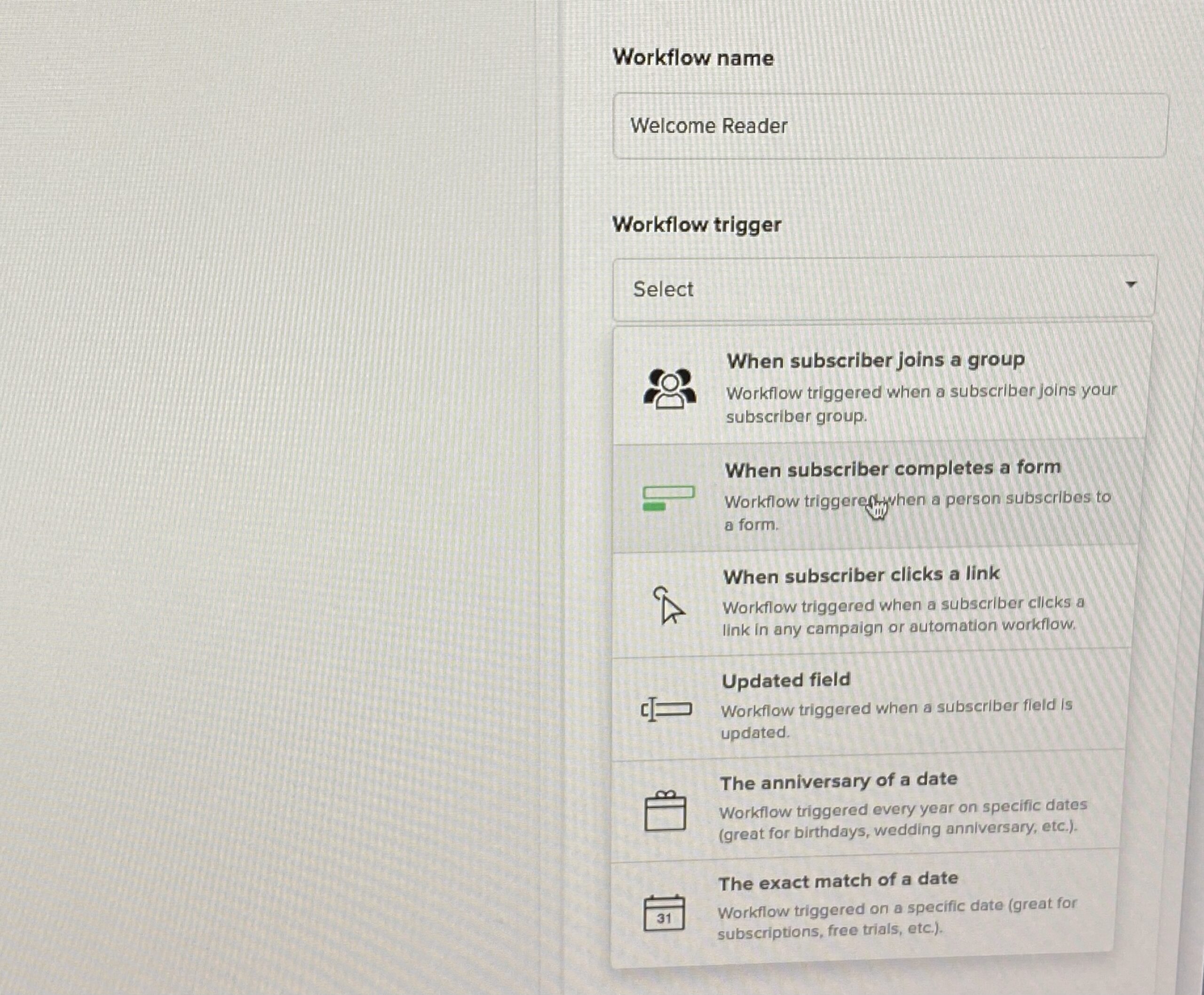
On your dashboard, go to Automation. Then click “Create Workflow.” That’s what MailerLite calls a welcome or onboarding sequence.

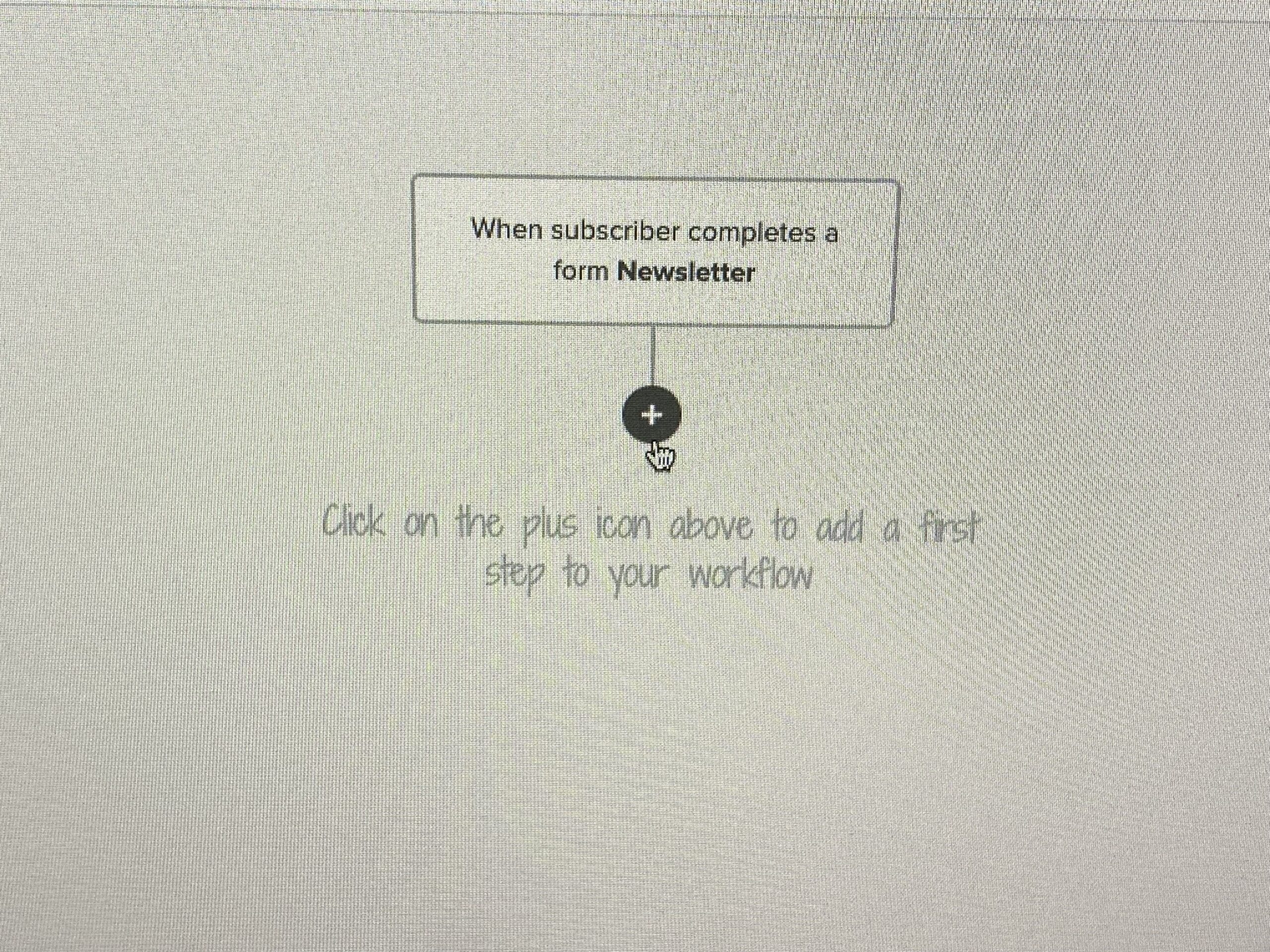
The first thing we do is pick a trigger. For a welcome sequence choose “When someone subscribes to a form.” It’ll then ask which form, and you’ll choose your Newsletter form from the dropdown menu.


This window shows the trigger once we have it in place.

Click to enlarge


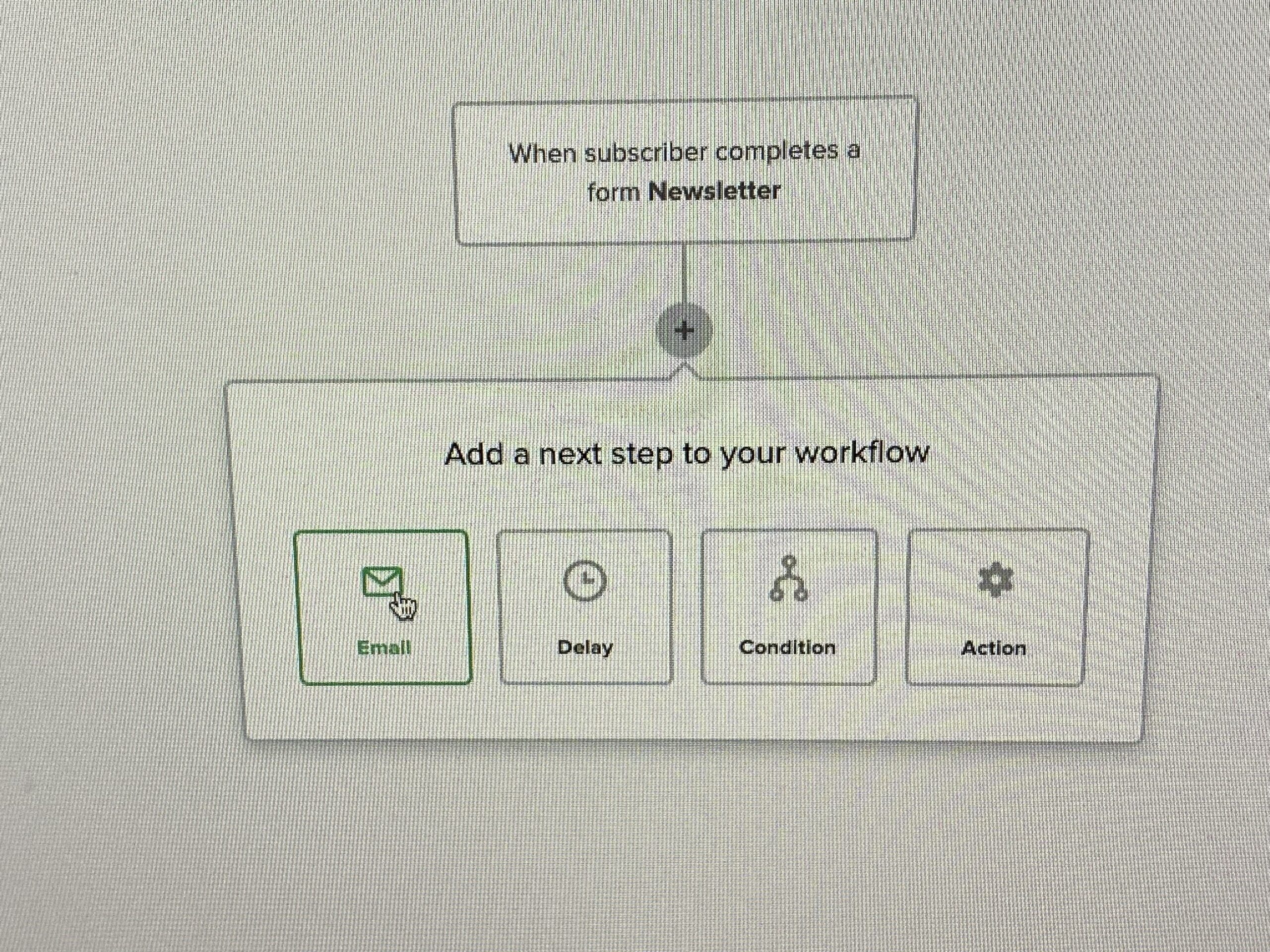
If you click the + you’ll see four options, all of which we’ll use as we build the Workflow. For now, we want Email.

Click to enlarge


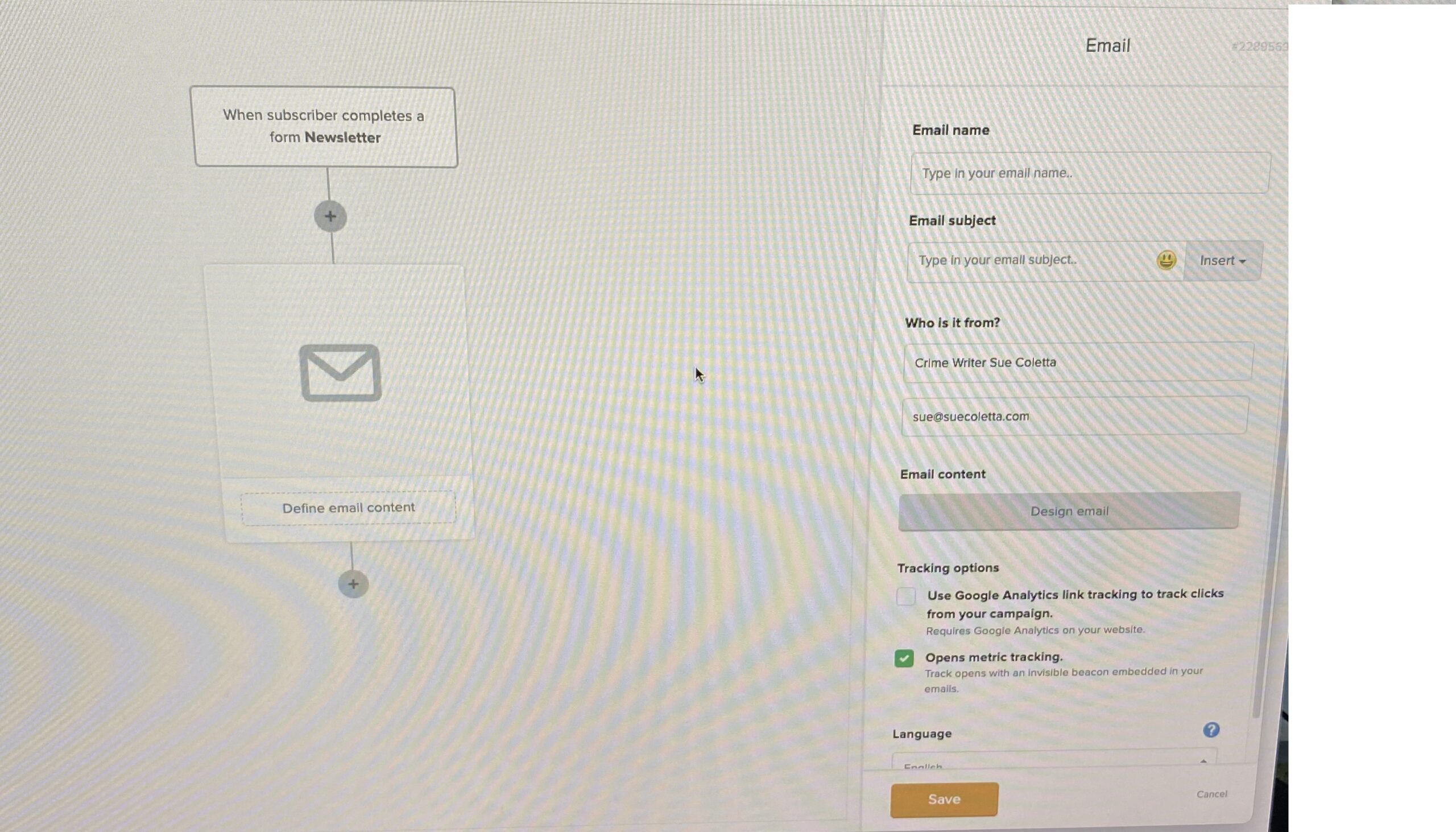
On the right-hand side (pictured below), you’ll see we can name our Workflow. So, for example, if you have a popup form and an embedded form, you may want to segregate who subscribed from where. Or if you have one form for blog subscribers and another for Newsletters. You can even segregate a separate Workflow for people who subscribed from social media. Conveniently, you can make a copy of the Workflow at the end, so you don’t need to build another one from scratch (unless you want to).

Next, you’ll dazzle subscribers with a subject line. Mine says: Welcome, Readers! Yeah, I really flexed the creative muscles for that one. LOL Then you’ll either create a welcome email or choose it from your list. Make sure you include a link to your free book (or whatever).

click to enlarge


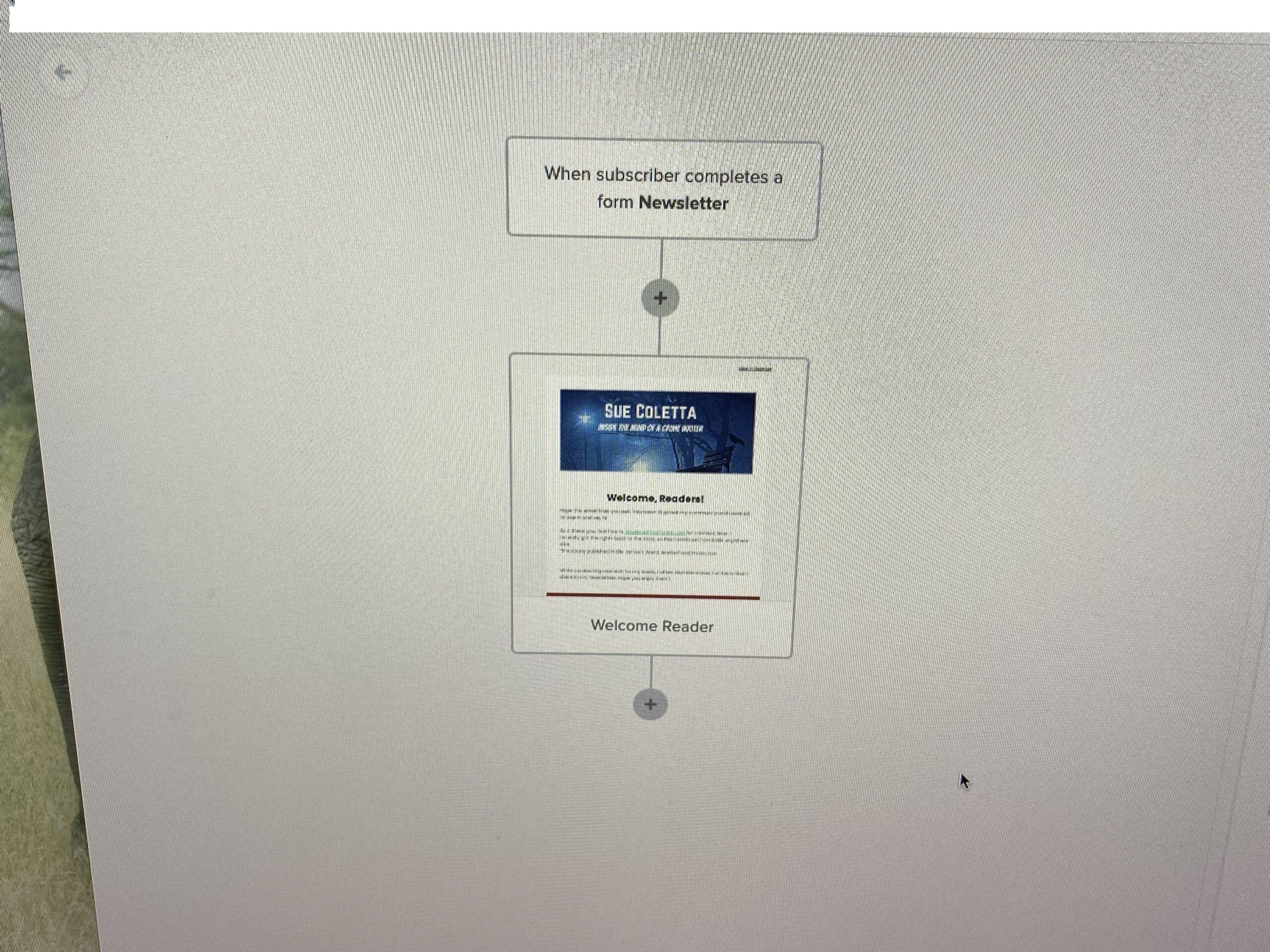
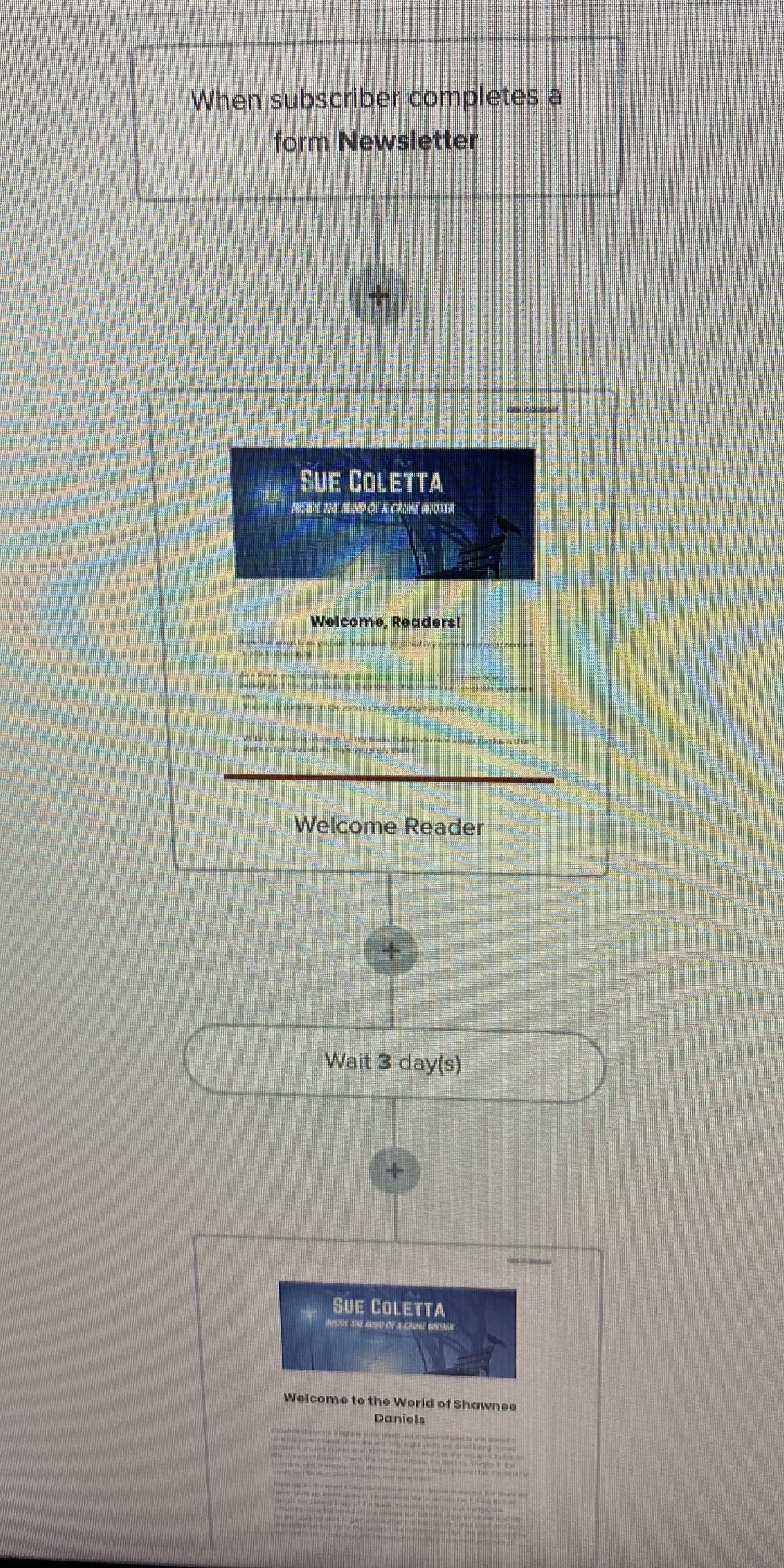
Once that’s done, your Workflow should look like this (below). The trigger at the top, then your welcome email.

click to enlarge


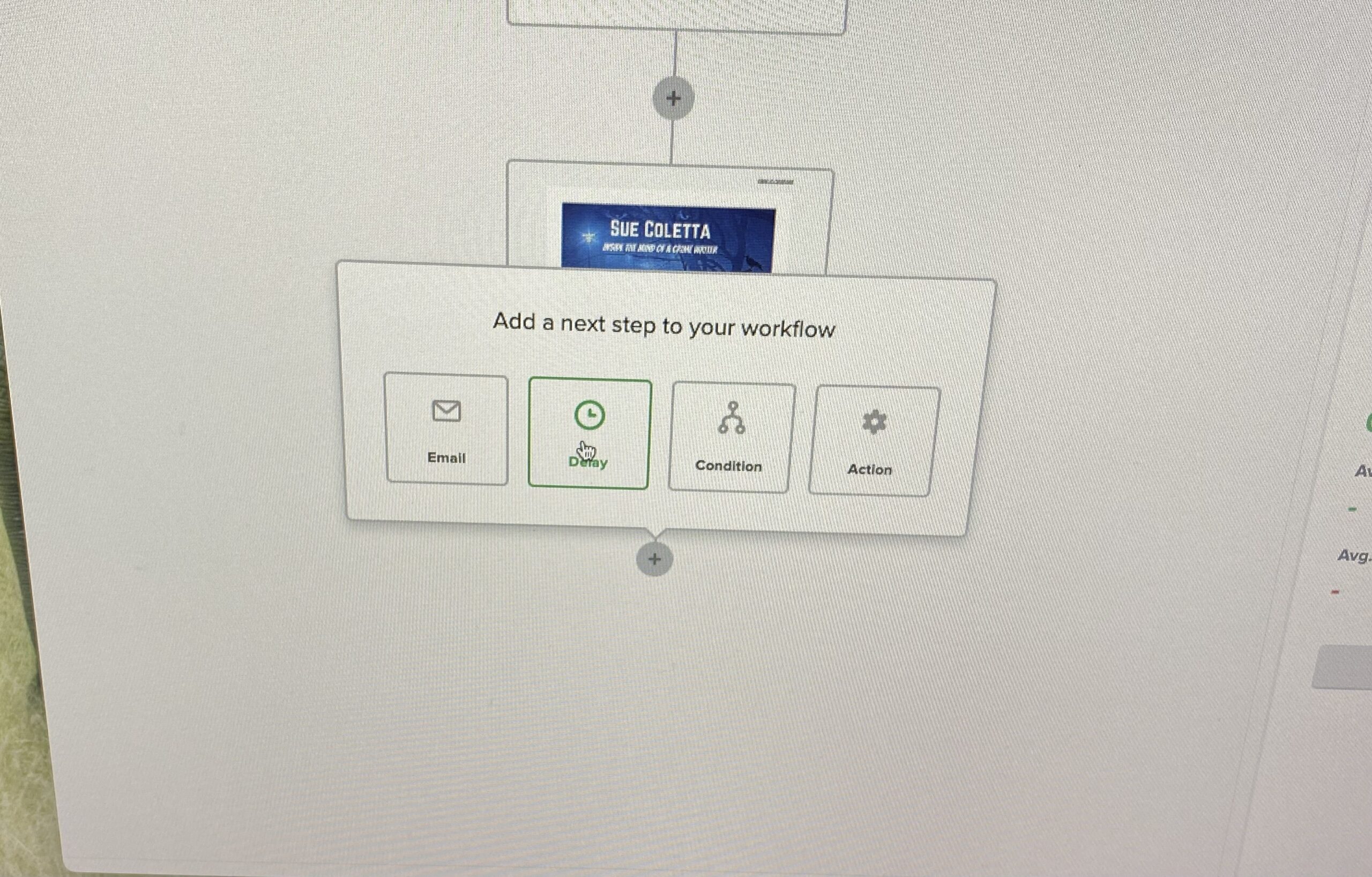
After you send that initial email, you probably don’t want to slam them with your next email right away. So, when you click the + beneath the welcome email, choose delay.

click to enlarge

On the right-hand side, you’ll choose how long of a delay before your next email goes out. I chose 3 days, but I know others who prefer 2 days.

Once your delay is in place, it’s time to create your next email. Now, as an author, it should probably be book-related. But you do you.

Since I want to push my Indie titles, I wrote an email entitled Welcome to the World of Shawnee Daniels (my main character). In which, I share two or three paragraphs about her early childhood, her fears, her goals, why she has trust and abandonment issues, and who she is today—all without spoiling the character arc of the series. It’s a tricky email for those with ongoing series, especially if they’re several books long. I bullet-pointed her life on scrap paper, and chose the most compelling elements to include. Whatever works for you and your series IS THE RIGHT WAY. I also include another link to my freebie in case they missed the Welcome Email.

After we get our 2nd email in place, the Workflow will look like this…

click to enlarge

Trigger

Welcome email

Delay

Character email

Can you guess what’s next? You got it. Another 2 or 3 day delay.


For the 3rd email, we need to show the reader who we are and why they’ll want to stick around. I shared ten truths about me. Now, you don’t have to be as transparent as me, but please don’t just slap down your bio and call it a day. Readers want to know the person behind the books they love. Do your best to show your humanity and character. Only then do I include a linked photo of my series with a Learn More button, but no hard sell.

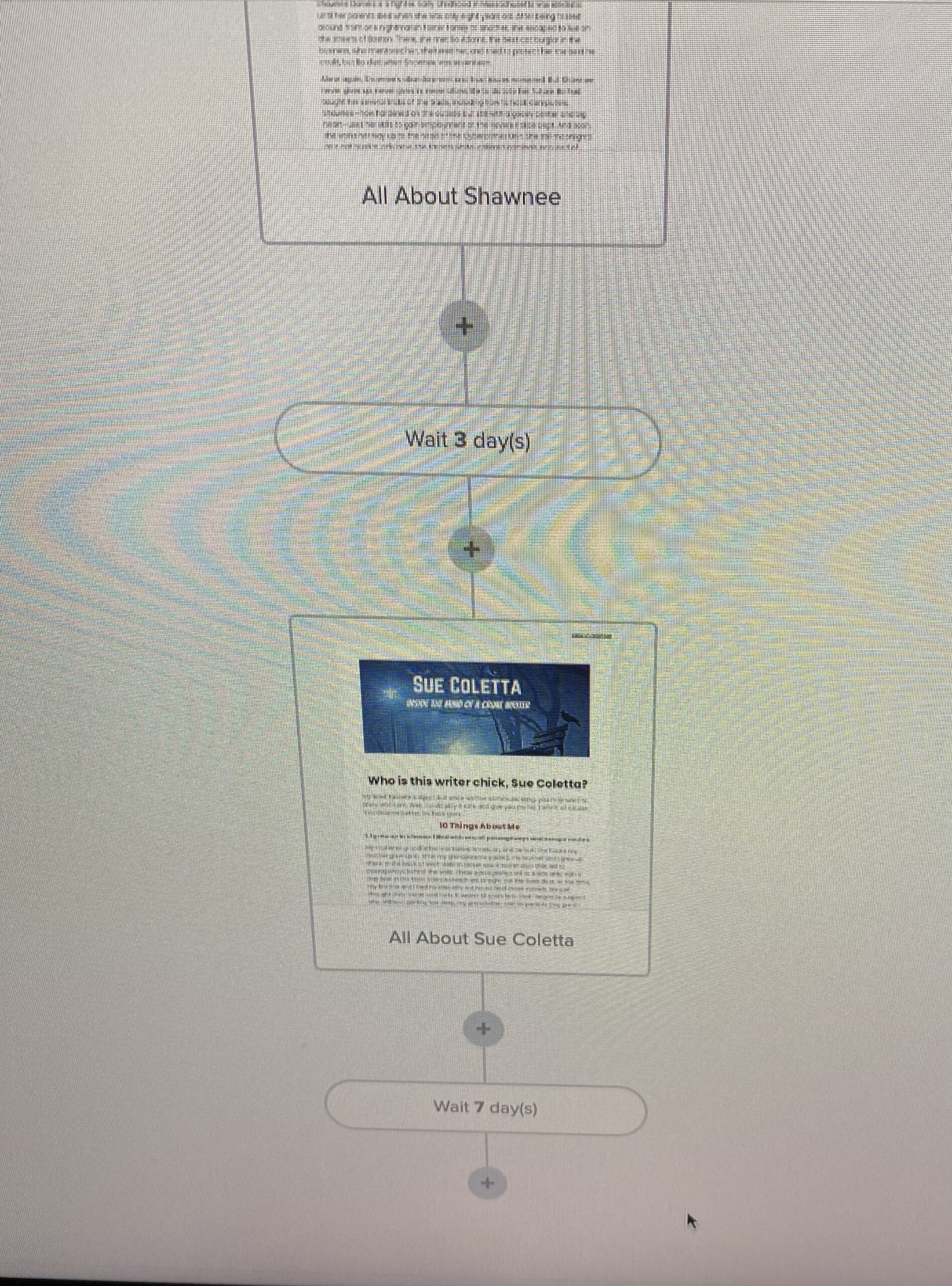
I think three emails are plenty, but again, you do you. Once all three emails are in place, the Workflow looks like this…

click to enlarge

Trigger

Welcome Email

Delay

Character Email

Delay

All About Author Email

Now we need to decide what to do with that subscriber. Before we do anything, give them a chance to check their inbox by adding a 7 day delay.

After one week, we’ll want to know if they opened any or all of the three emails. If they didn’t, they may’ve just wanted your freebie. Here’s where things get tricky.

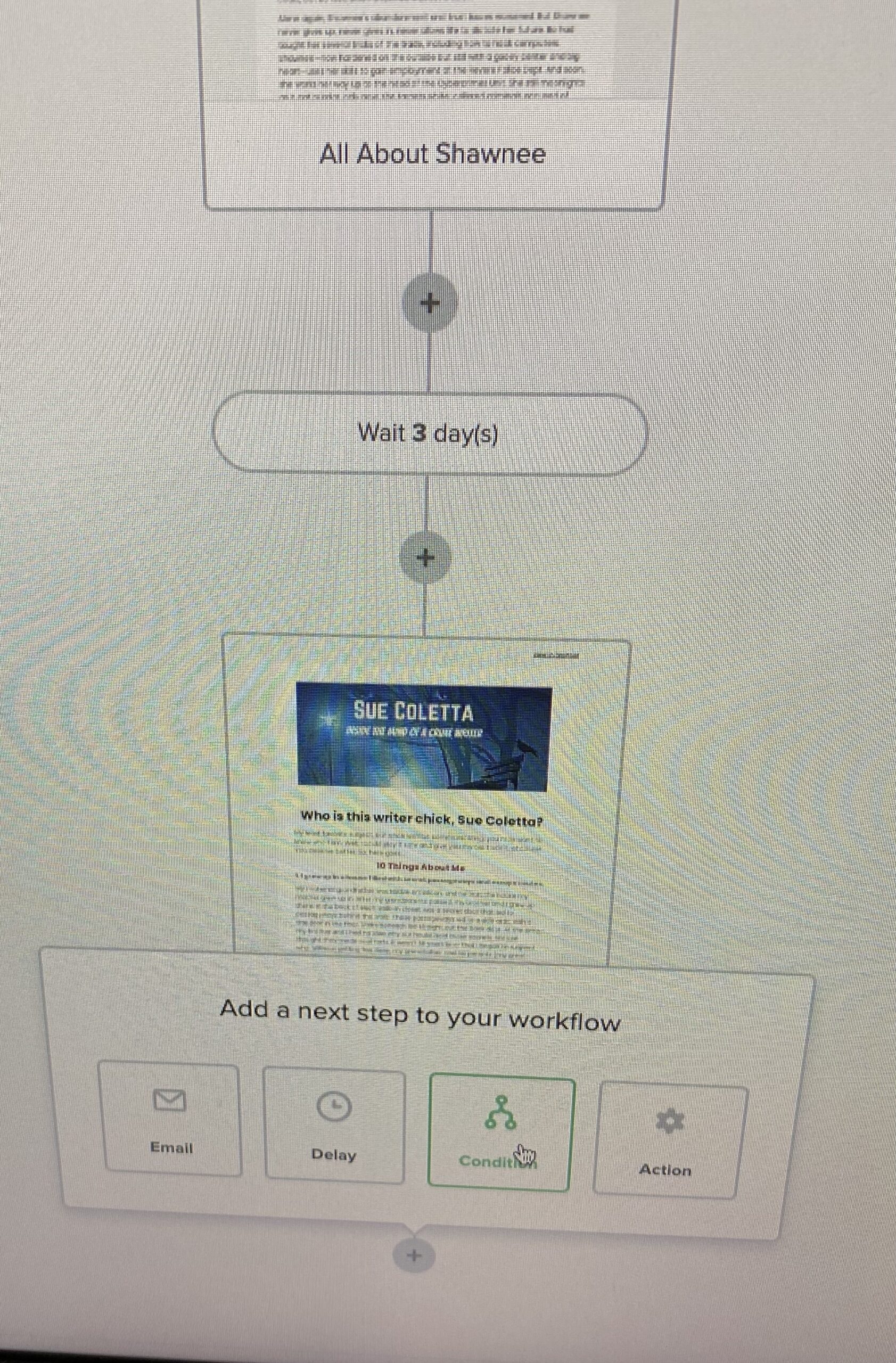
When we click the + this time, choose Condition.

click to enlarge


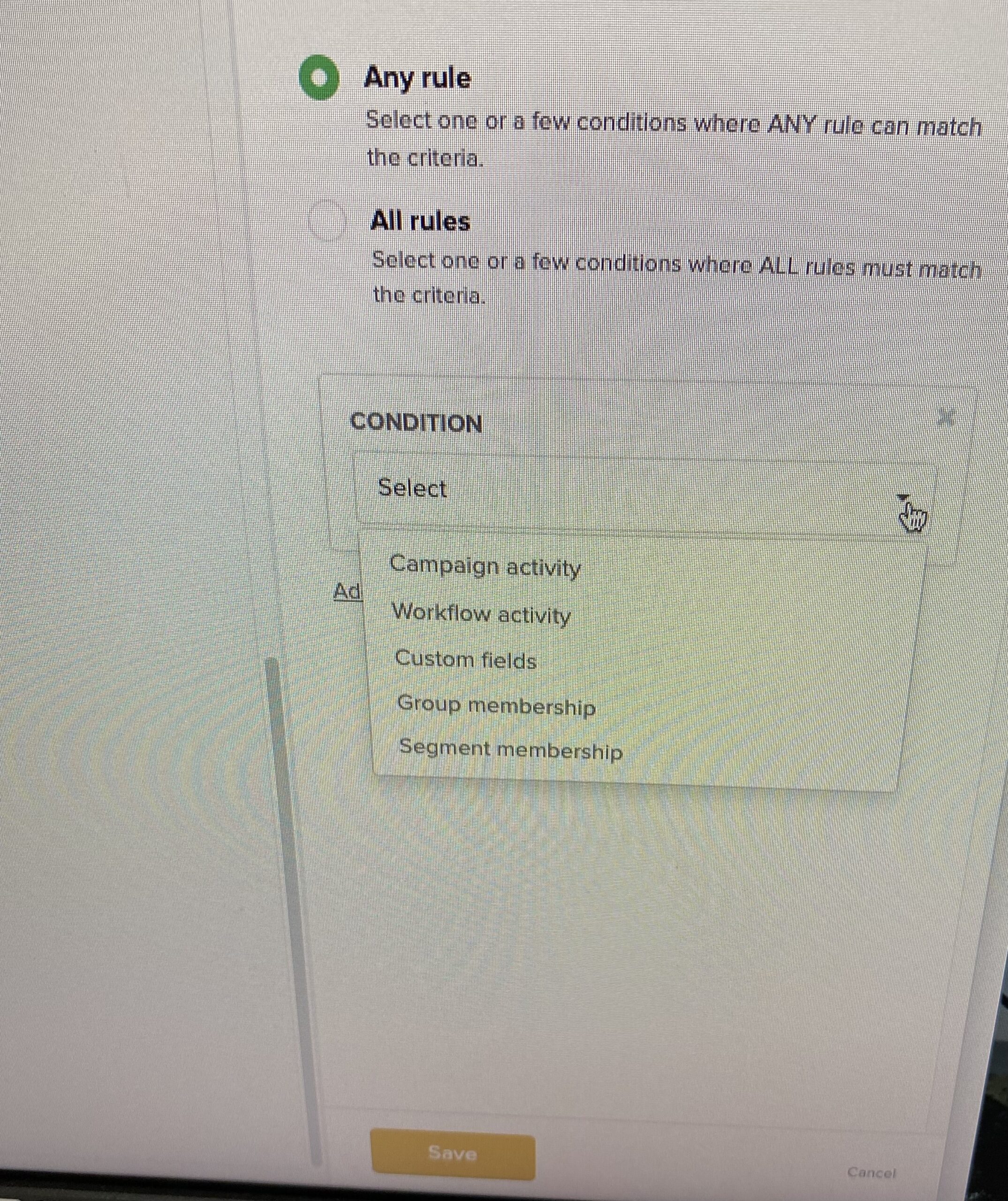
You can choose Any Rule or All Rules. For now, choose Any Rule. From the dropdown menu below, we want Workflow Activity. Then decide what condition you want to set. I chose Welcome, Character, and Author emails “was opened.” You need to set each condition separately, hence why it’s not “were opened.”

click to enlarge


Once you set the conditions, the Workflow should look like this…

click to enlarge

When you click the + this time, choose “Action” then “Workflow Activity” and set the parameters.

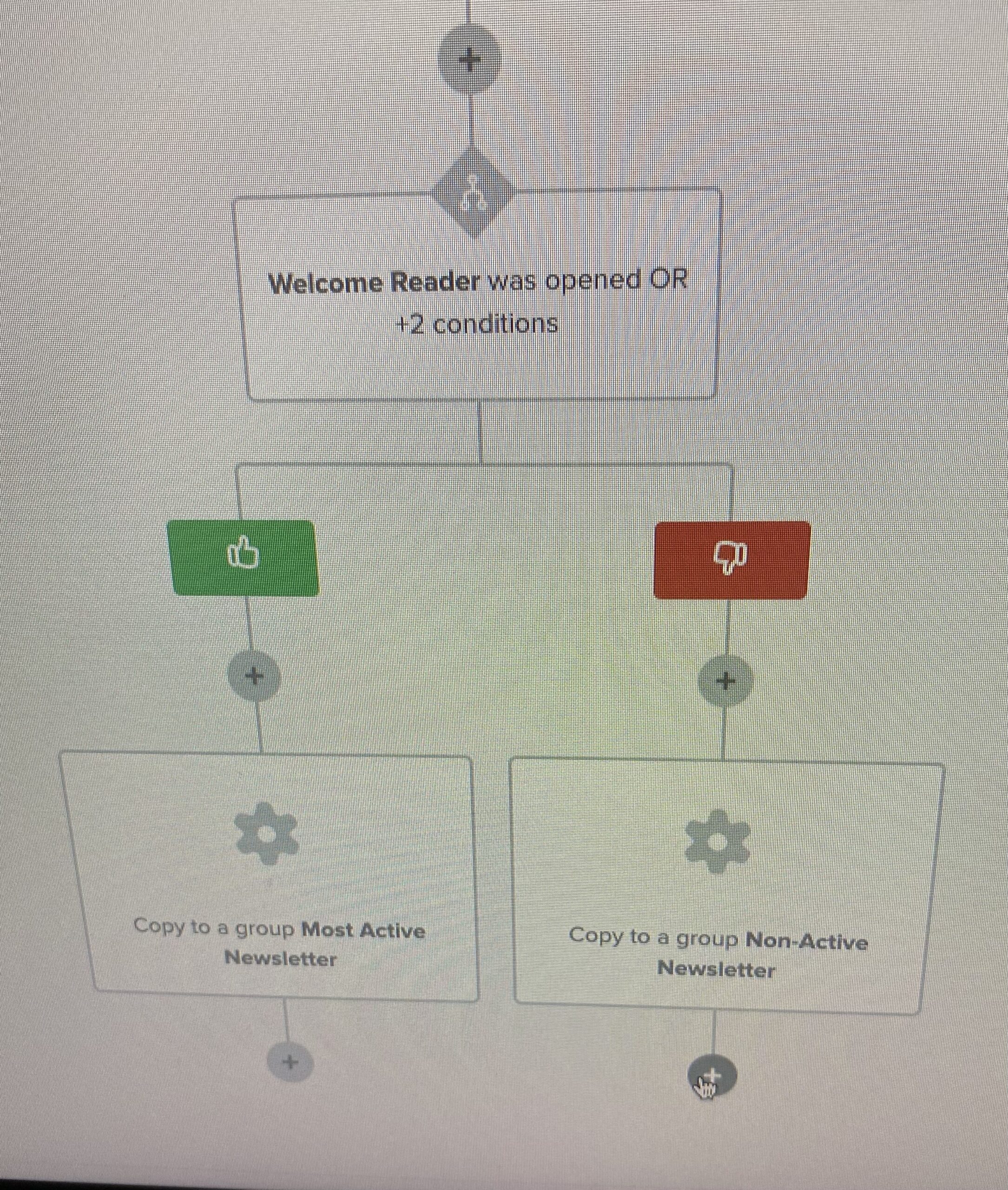
If it’s yes (green thumbs-up), “copy” that subscriber to a new list entitled “Active Newsletter Subscribers” or something equally telling, so you can target them in the future.

If the subscriber hasn’t opened any of your emails (red thumbs-down), you have a choice to make. Some authors “unsubscribe the subscriber” right there.

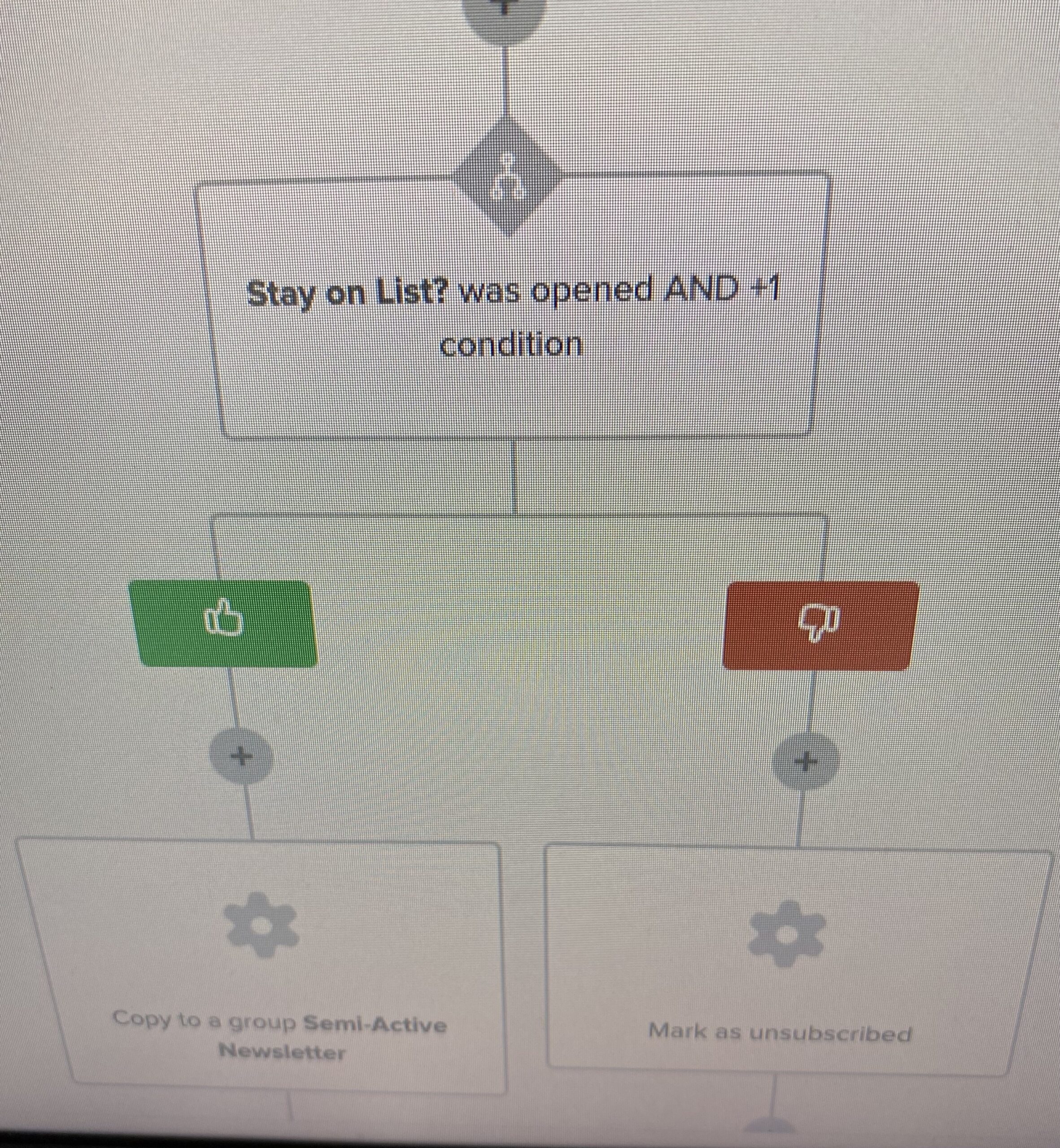
I think that’s a little harsh. After all, what if the metrics are wrong? Plus, we don’t know what’s going on in that subscriber’s life. So, I “copy to Non-Active Newsletter” and send one last email, entitled Stay on List? In which, I explain that email providers make mistakes and if they’re enjoying my emails to click the big button that says, “I’m happy.”

click to enlarge


If they click that button (green thumbs-up), I “copy to Semi-Active Newsletter.” If they don’t (red thumbs-down), I unsubscribe. No sense paying for them if they’re not happy.

And that’s it. Toggle on your Workflow and you’re good to go.


For those who have an onboarding sequence set up, did I miss anything?

For those who don’t, I promise this isn’t as difficult as it seems. Once you start, these directions should take the guesswork out of it. How are you feeling about this? Any questions?

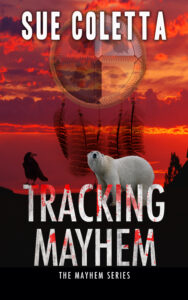
Three unconventional eco-warriors are on a mission to save polar bears from the nation’s largest animal trafficking organization—one dead poacher at a time.

Preorder Tracking Mayhem 

Releases June 26, 2023

Posted in #WritingCommunity, author marketing, email, email newsletter, newsletter | Tagged #WritingCommunity, author newsletter, business of writing, email list, newsletters, Sue Coletta, writer's life

Mailing Lists

Posted on July 17, 2013 by Joe Moore

Nancy J. Cohen

Newly published authors often ask how to get readers on their mailing list for email newsletters. This process should start before you get a publisher. Once your book is sold, you’ll have an incredible amount of marketing to do. It’ll be helpful if you have already started collecting names. 

The approach is two-fold: online and in person.

I send my quarterly email newsletter to nearly 5000 readers, booksellers, and librarians. How did I gain these numbers? In the past month alone, I’ve added 36 names of people I’ve met in person. Each one personally signed up for my mailing list. These came from three separate speaking engagements. Once you begin making public appearances, bring along a sign-up sheet to each event. I print out mine from Excel. One column is for the person’s full name. The other column is for their email address.

In the early days, I collected street addresses as well, but since the cost of postage has escalated, I no longer send postcards. Now all my mailings are online. However, if you plan to send out snail mail, you’ll need those home addresses. Or if you want to send a targeted email to fans announcing a signing or speaking engagement in their area, you’ll need their city and state.

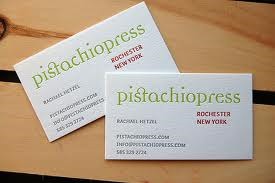
So how else do you collect names, especially if you are unpublished? When you attend conferences, be sure to exchange business cards with everyone you meet.

business cards

Ask if people would like to be added to your email newsletter list. In the old days, I didn’t have to get permission. Anyone I met at a conference got added to my list, but promo materials got sent by snail mail back then. Nowadays people are spam conscious, so you have to be careful.

Sit with strangers at sponsored lunches or dinners and meet the people at your table. Hang out at the bar and give a friendly greeting to anyone wearing a conference name tag. Introduce yourself to strangers while waiting in lines to go into a meal or to an event. Your mailing list will build this way and over time you may gain lifelong fans.

shaking hands

After your book is published, you’ll start to receive fan mail. Ask if you may add the reader to your mailing list or direct them to your online opt-in form.

I categorize my lists so they separate into Booksellers, Contests, Fans, Librarians, Reviewers, and more. For example, I might want to send a notice only to my readers when a new book comes out. Several months before, I might want to notify booksellers, librarians, and reviewers about an upcoming release. Friends and Family are on my lists too, although I rarely bother them with announcements.

Email

Holding a contest is a great way to collect names for your lists. Rafflecopter is the easiest method. Go to http://www.rafflecopter.com/ and sign up for a free account. The program automatically does everything for you. You can add bonus entries and have people Like your Facebook author page or tweet your contest.

You can join with other authors to offer a bigger prize and share the mailing list. For an example, visit Booklover’s Bench at http://bookloversbench.com, where I’ve joined with seven other writers. We offer monthly contests and cross promote each other in our personal newsletters, offering giveaways from our colleagues and sharing the entrants’ information.

Booklovers Bench

Another great site to hold a contest and get a mailing list of over 1000 entrants is Fresh Fiction at http://www.freshfiction.com/ . It costs $129 but if you do this once every few years, it adds substantially to your newsletter list. (How to get people to Open your newsletter email would be another topic to address here—any takers, fellow authors?)

When you accumulate too many names to send out individual emails, consider using a mass email newsletter program such as AWeber (http://www.aweber.com/), Vertical Response, (http://www.verticalresponse.com), Constant Contact (http://www.constantcontact.com), Mail Chimp (http://mailchimp.com/) or Your Mailing List Provider (http://www.ymlp.com/). I use Vertical Response and upload lists from my Excel program. I pay per email but you can pay a monthly fee if you’d rather do so, depending on your needs.

Put sign-up widgets on your website, blog, and Facebook Author Page. Periodically request your fans on Facebook and Twitter to sign up for your mailing list. In case one of these social networking sites goes defunct, you don’t want to lose your friends. Back up your email lists on your computer, your external drive, etc. They’re a valuable commodity, and you don’t want to lose them.

What other methods have you found helpful for adding names to your email campaign lists?

Now please go to my Website at http://nancyjcohen.com and sign up for my newsletter in the Sidebar.


Posted in email newsletter, mailing lists, Nancy Cohen, Nancy J. Cohen, newsletter, Promotion

Subscribe for Updates

Loading
Awards

Our Books

James Scott Bell
Patricia Bradley
Debbie Burke
Sue Coletta
Kay DiBianca
Jennifer Dornbush
Deb Gorman
Lindsey Hughes
Kathryn Lilley
Terry Odell
PJ Parrish
Dale Ivan Smith
Elaine Viets

ARCHIVES

Emeriti

John Ramsey Miller
Kathleen Pickering
Michelle Gagnon
Boyd Morrison
Jodie Renner
Nancy Cohen
Larry Brooks
Robert Gregory Browne
Jordan Dane
Joe Moore
Laura Benedict
Mark Alpert
Clare Langley-Hawthorne
Steve Hooley
John Gilstrap
Reavis Z Wortham

Support Indie Bookstores

Writing Links

Authors Guild
BackSpace
CrimeSpace
CrimeSpot
Criminal Minds
Cym Lowell
Do Some Damage
Femmes Fatales
First Offenders
Florida Writers Conference
Ghost Writer
Hey There’s a Dead Guy in the Living Room
Horror Writers Association
IndieBound
International Thriller Writers
Jungle Red
Murder Is Everywhere
Murder She Writes
Mysterious People
Mystery Writers of America
Naked Authors
Nancy’s Notes From Florida
Newbie’s Guide to Publishing
Novelists Inc.
Poe’s Deadly Daughters
Query Shark
Romance Writers of America
Science Fiction & Fantasy Writers of America
Sisters in Crime
The Book Deal
The Creative Penn
The Novel Blog
The Outfit
The Passive Voice
The Rap Sheet
The Writers Life
The Writer’s Forensic’s Blog
Thrill Writing
Working Stiffs
Writers Helping Writers
Justice Degrees

 Subscribe in a Reader

Privacy Policy Proudly powered by WordPress