By John Gilstrap

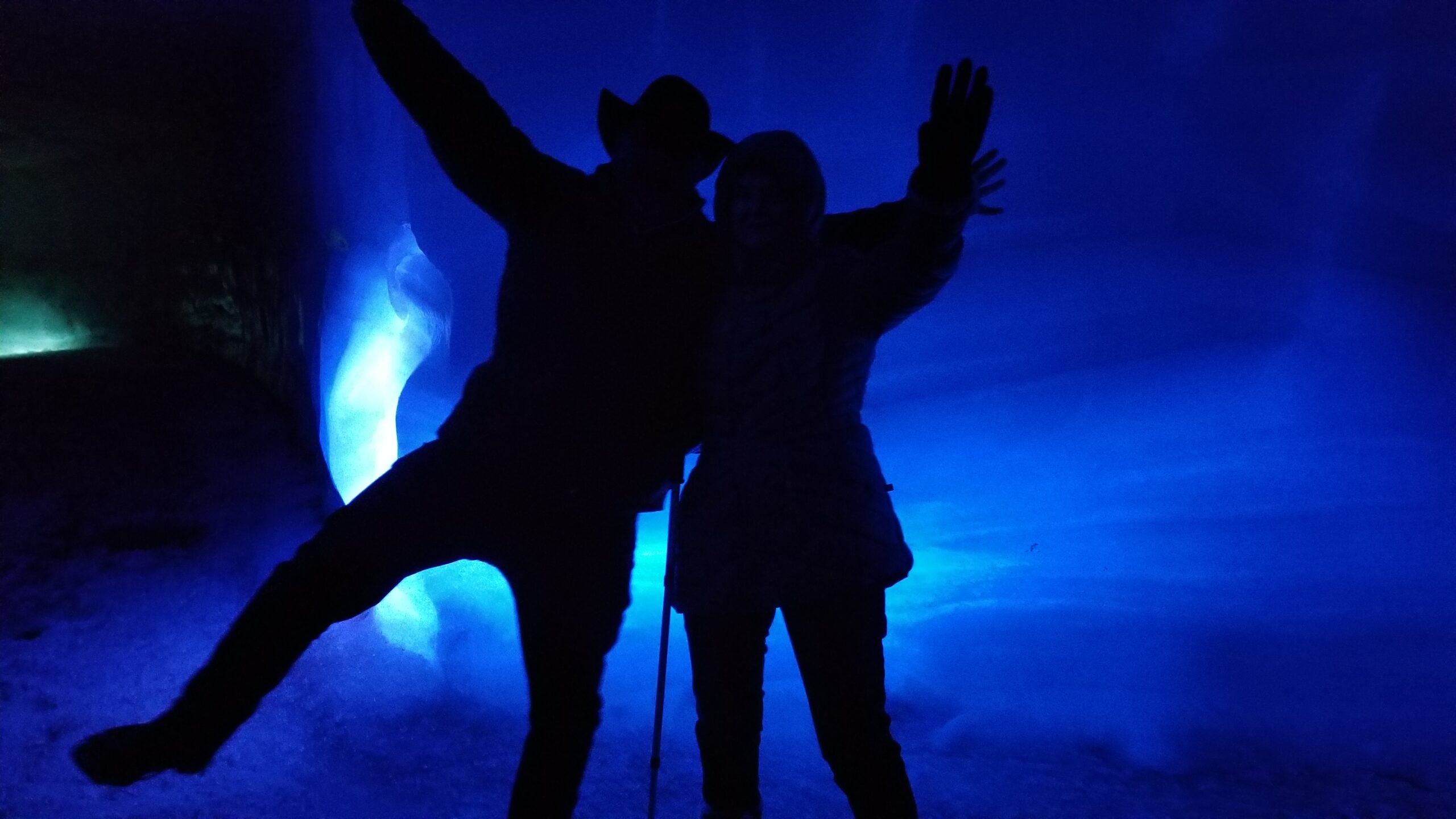
My favorite pic of my wife and myself from the Iceland trip. This is from the inside of a glacier. That’s actually a white light embedded in the ice. The blue comes from Mother Nature.
It’s been a long three weeks. First, there was Magna Cum Murder in Indianapolis, followed the next weekend by Bouchercon in Dallas, then a week-long book tour through Texas with my buddy Reavis Wortham. I finally got home from Texas on the nigh of November 9, only to go back to the airport for a trip to Iceland with my wife and cousins. If you ever get a chance to visit Iceland, do yourself a favor and go. (This was our third trip, and I can’t wait to go back.) The highlight was a walking tour through the inside of a glacier. The deeper you go, you literally are eyewitness to the past.
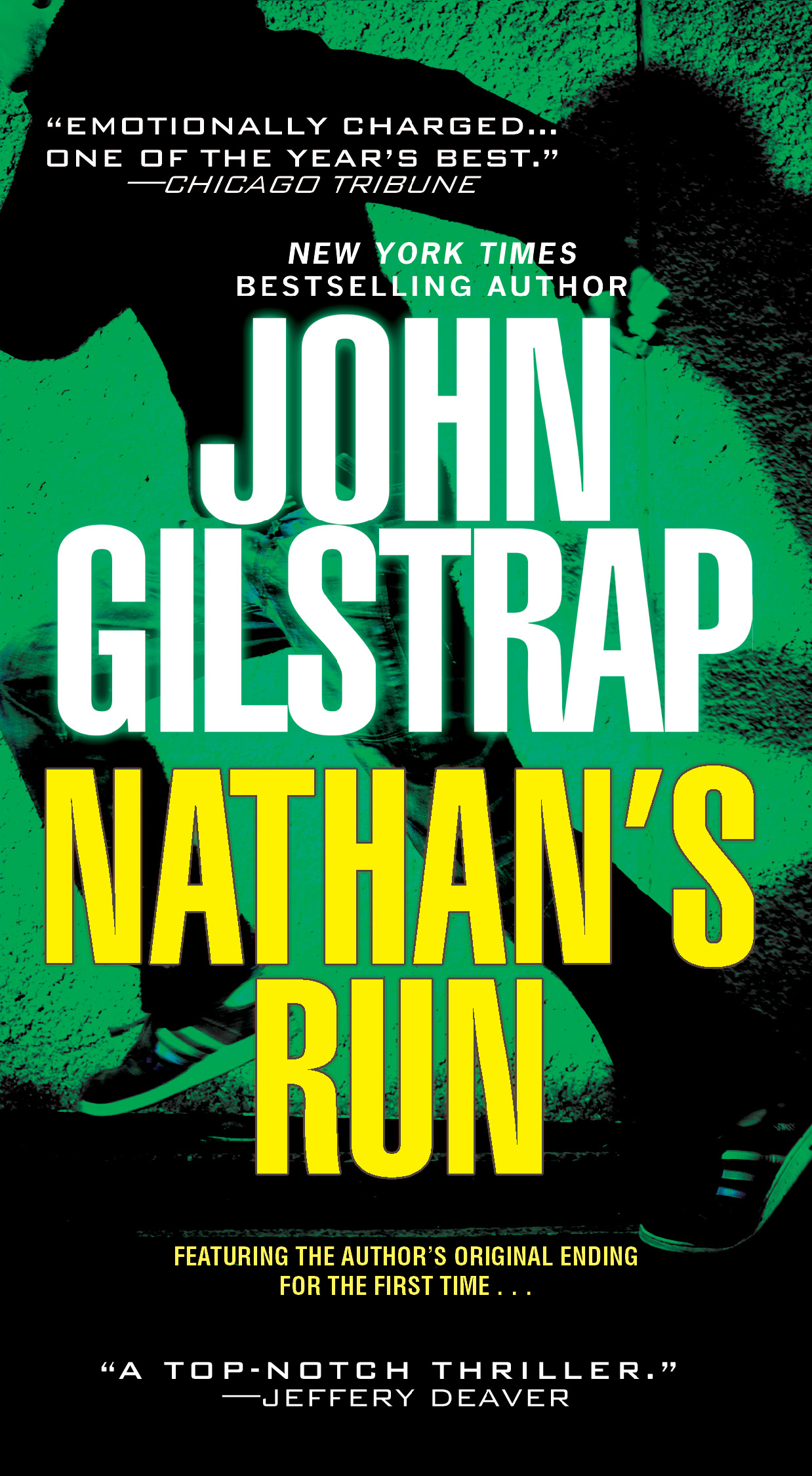
Upon my return, I was greeted with the copy edits for Hellfire, the Jonathan Grave novel slated for July, 2020. This is my 21st encounter with copy edits, and therefore my 21st reminder of how little I understand about grammar in general and the deployment of a comma in particular. Take the previous sentence, for example. Should it read, “. . . and, therefore, my 21st . . .”? Should it be “. . . grammar in general, and . . .”? Feel free to tell me, but I guarantee it will not stick in my head. (That comma after “tell me” shouldn’t be there, should it?”) Damn.
Appropriate use of commas seems random to me and the commas themselves complicate language. For example, the copy editor changed this sentence to include commas that I did not: “He and his brother, Geoff, were being driven . . .” To my eye and ear, the meaning is clear without the commas, but I let it go because they tell me they’re correct. (That comma before but shouldn’t be there either, should it?)
Then there’s this edit: “. . . scrolled through his contacts list, and pressed a button.” Why? What does that comma do that its absence does not? Aargh!
Comma Splices
First of all, I didn’t know that a comma splice was even a thing. Here’s the note, verbatim, from the copy editor:
“There are some comma splices in the book, where two complete thoughts, that is, separate sentences, are separated by commas rather than periods. Some people accept this in dialogue but not in descriptive text. I have highlighted those I found like this (word-comma-word highlighted) so you can see where they are and decide what to do. In many cases, the comma splice can be fixed by adding “and” or “but” after the comma.”
Here’s an example of what he’s talking about: “Questions never changed bad news, they only slowed it down.” For me, it’s about the rhythm of the sentence and I think the passage flows better with the comma instead of a period. Apparently, I do this quite a lot. In most cases, I kept the passages as I originally wrote them.
Another example: “Their mom was just arrested, their dad is dead.” The “and” is silent and I think the sentence is better for it.
Now, don’t get me wrong. I clearly need a good copy editor, and this one (the same as I had for Total Mayhem) is very good. He’s just going to have to get used to me not comprehending the role of the comma.
With every set of copy edits, I also receive a “style sheet” that gets deeply into the weeds of my writing style, and that of the publisher. The sections of the style sheet include:
Characters (in order of appearance). With each character comes a brief description, based upon what I wrote in the book. Here’s an example: Soren Lightwater: head of Shenandoah Station, smoker’s voice, mid-forties, built like a farmer, more attractive than her voice;
Geographic Locales (in alphabetical order). Here again, there’s a brief description of the role the location plays in the story. For example: “Resurrection House/Rez House, in Fisherman’s Cove, on Church Street, up the hill from Saint Kate’s Catholic Church, on the grounds of Jonathan’s childhood mansion;
Words Particular to Text. Examples include A/V (audio-visual), ain’t, Air Force One, all-or-nothing deal, asshats . . .
Grammar/Punctuation. Given the subject matter of the post, I thought I’d paste this entire section verbatim. Apologies for all the spacing, but I don’t know how to manipulate this platform to prevent double-spacing between lines.
Hours and minutes given in numerals (4:47), but just hours can be written out (six o’clock, he had to be there by five)
Author’s preference of comma following introductory “So” is permitted, as is comma after introductory “Or.”
Series comma
Comma before terminal “too” and “either” (Exception: me too, you too, us too, or any other one-word construction before “too”)
Comma around internal “too” and “either”
Comma before terminal “as well” and around internal “as well”
Comma before terminal “anyway”
Comma before terminal “though”
Comma after introductory and terminal and around internal “in fact”
Comma after introductory and terminal and around internal “instead”
Comma after introductory and terminal and around internal “after all”
Comma after introductory “Plus”
Temperature: eighty degrees
Numerals appear before the word “percent,” except in dialogue or when starting a sentence in narrative
Italicize sound effects, emphasis, letters as letters, words as words, internal monologue in present tense and in first-person narration, words written down, unfamiliar foreign words (especially if not found in dictionary)
Quotation marks when something (an object) is being given a sarcastic name or unexpected nickname
Small Caps: signs, displays, button functions
NOW, FINALLY, THE REALLY GOOD NEWS
Six months ago, I posted here about my impending surgery to fuse vertebrae in my cervical spine to relieve a pinched nerve that was causing severe pain in my left arm and shoulder. Y’all were very supportive of me, and I appreciate that to this day. As of this morning, as I write this, I heard from my surgeon that that the procedure was 100% successful. The fusion at all levels is complete, and no complications developed.
I am, as they say, jazzed!