
Marketing, Algorithms, and Tropes

Marketing is, for most authors, a necessary evil. Even traditionally published authors are expected to share the burden of making their books visible, and with the thousands of books published to Amazon a day, this is a daunting task. Before I go any further, let me remind readers here that the best marketing effort is to write the next good book. That being said, it’s still a game of whack-a-mole trying to find the next best marketing tool.
How is your book discovered? It used to be readers went to their bookstore of choice and searched using keywords, the author’s name, genre, whatever. Now, it’s places like BookTok and other social media platforms that readers, especially younger ones, are gravitating to.
Even publishers are partnering with BookTok influencers to get the word out about their publications.
Word of mouth is still huge, but a lot of those mouths are digital. Book clubs on Discord, Goodreads lists, and Reddit threads are growing. Subscription services let readers find books without paying for individual titles.
Overall, there’s a split between algorithmic and social discovery, which is fast, and often viral, and the intentional, curated discovery, which is slower, more personal, and trust-based.
And what about those algorithms? Recently (no surprise), Amazon came up with a new one. Authors who had figured out how to ‘beat’ the system are having to start all over.
A recent podcast on Written Word Media summarized the changes as they relate to Amazon. Since Amazon doesn’t reveal how their algorithms work, they’ve done research to try to figure it out. Are they right? Is it foolproof? That remains to be seen.
First, optimization of your book product page is more important than previously. Keyword stuffing is out; natural language is in. Include tropes and subgenres in your description.
Next, focus on your A+ content. Make it longer and make your images match the genre and themes of your books. Getting readers to stay on the page as long as possible is a plus.
External traffic is more important than it used to be. Your ads, your social networks, newsletters—driving traffic to you page from non-Amazon sources also means more than it used to.
Finally, they mention consistent traffic. One day spikes of sales isn’t as effective as seeing increased sales over several days. Amazon isn’t updating rankings hourly anymore. It’s more like once a day.
Something mentioned in their advice is tropes.
Dictionary.com defines trope as “a recurring theme or motif, as in literature or art; a convention or device that establishes a predictable or stereotypical representation of a character, setting, or scenario in a creative work.”
Tropes make it easier for readers to find books they know they’ll like within their genre of choice. Ad graphics and memes are including tropes along with book images. Here’s a quick one I put together as an illustration.
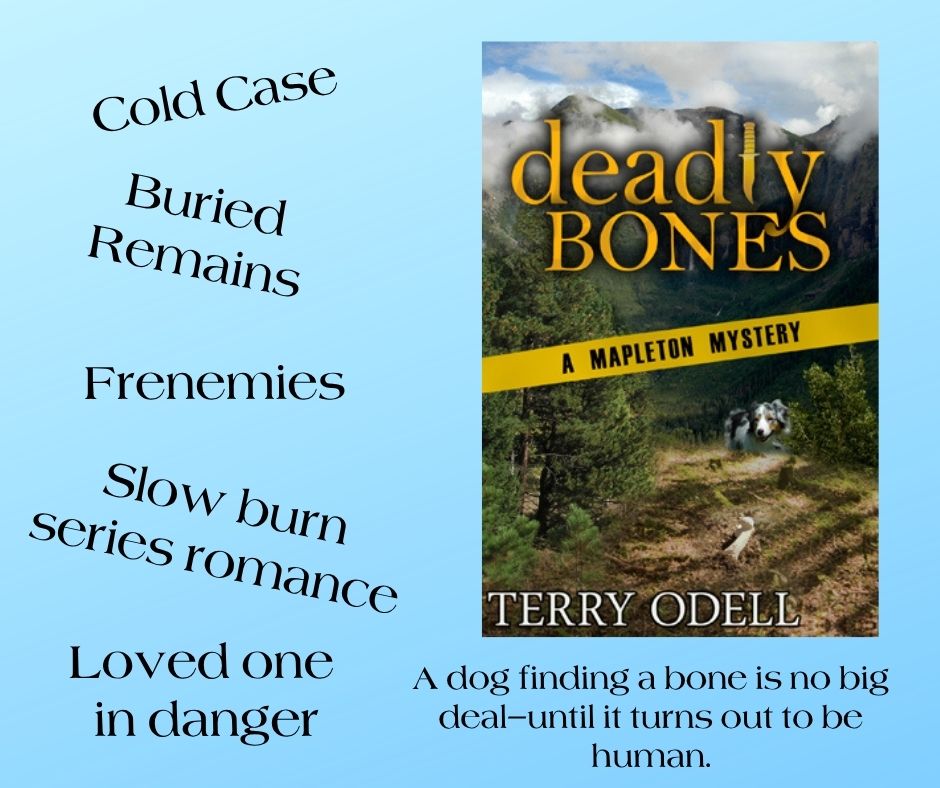
Tropes are the new search terms. They are sharable shorthand. They build loyal, repeat buyers. They drive the long tail, not just launch work.
They’re not without risk, however. BookTok hypes aren’t substance driven. The hype is probably short-lived. You also have to be careful about making sure all aspects of your marketing reflect what’s actually in the book.
Bottom line: tropes work commercially because they reduce uncertainty for readers. In a market flooded with books, knowing a book contains your favorite trope functions like a quality signal — it tells you roughly how it will feel to read it. That reduces friction all the way from discovery to purchase.
Did I do anything with this tropification advice?
With 35 books out there, doing anything that means making changes to all of them fills me with dread. How long will it take? How much work will I have to do?
I decided to start small. I’d modify the book pages on my own website, a few books at a time. How was I going to find the tropes when I can hardly remember what many of my books are about, especially the older ones.
I turned to my more-or-less trusty assistant, Claude, and I asked it to give me marketing tropes for Deadly Bones, one of my books. I didn’t feed it my book. It came back with data it gleaned from my website, from my Amazon pages, from reviews, from all over the interwebs.
This is what it came up with:
- Cold case / buried remains — the bones-in-the-ground setup is a classic cold case entry point, used here with a cozy sensibility rather than a forensic thriller one
- Accidental discovery — the mystery begins with something entirely mundane: a couple of dogs on the loose, which is perfectly in keeping with the series’ warm, small-town tone
- Obstructionist authority figure — the mayor functions as an antagonist not through villainy but through bureaucratic shortsightedness, a distinctly cozy genre device
- Seemingly unrelated crimes converging — the break-ins and the bones appear disconnected until they aren’t, a classic mystery plotting technique
- Recurring detective as frenemy — Tyler Colfax returns from Book 1 as a necessary but prickly collaborator, building on the series’ ensemble continuity
- Protagonist’s loved ones in danger — Gordon’s personal stakes are raised in the final act, pulling the story from procedural into something more urgent
- Slow-burn series romance — Gordon and Angie’s relationship continues its gradual, warm development without overwhelming the mystery plot
I took these, chose the ones I though were most likely to show up in searches (as if I know), condensed them, then added a “Tropes” section to the basic book information on the Deadly Bones book page on my website.
Then, rinse, repeat as needed.
Am I going to take that information and add it to the book description for all my books on all my sales channels? Not right away.
Am I going to update all my A+ content, which I haven’t touched since I wrote that above post? I’ll have to see.
And, in closing, another reminder.
The best marketing is writing the next good book.
Which is what I’m in the middle of, so that’s taking priority right now.
What about you, TKZers? Are you moving with the trends, or sticking to your own methods? Any successes, less than successful methods to share?
Find me at Substack with Writings and Wanderings
Deadly Ambitions
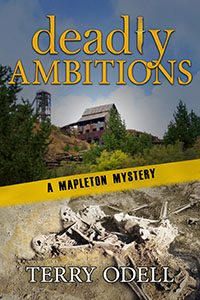 Peace in Mapleton doesn’t last. Police Chief Gordon Hepler is already juggling a bitter ex-mayoral candidate who refuses to accept election results and a new council member determined to cut police department’s funding.
Meanwhile, Angie’s long-delayed diner remodel uncovers an old journal, sparking her curiosity about the girl who wrote it. But as she digs for answers, is she uncovering more than she bargained for?
Now, Gordon must untangle political maneuvering, personal grudges, and hidden agendas before danger closes in on the people he loves most.
Deadly Ambitions delivers small-town intrigue, political tension, and page-turning suspense rooted in both history and today’s ambitions.
 Terry Odell is an award-winning author of Mystery and Romantic Suspense, although she prefers to think of them all as “Mysteries with Relationships.”