By: Kathleen Pickering http://www.kathleenpickering.com
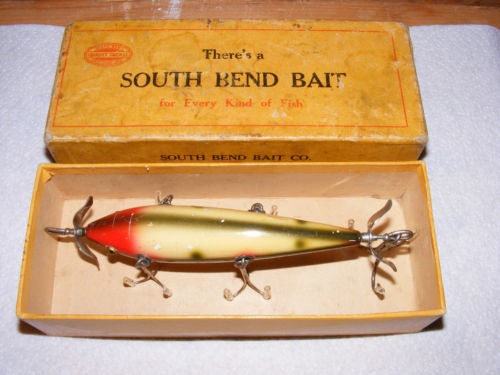
Some hooks look like this:
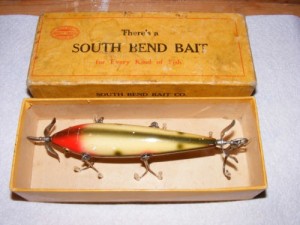
Other hooks look like this:
– I bared my balconet-supported breasts on the grocery line to see if they matched the bosoms the gossip magazine hanging on the rack featured as mine.
– Stella broke his arm with a thought; the sickening snap thrilling her like a deep, wet kiss.
– Leaning forward in their chairs for his next answer, the audience remained clueless to the fact that Rodger Heller no longer stood before them. (Future hooks by Kathleen Pickering)
 Not just for fishing any more, hooks are considered the number one lure for catching readers.
Your first line—your highly polished bait–attracts readers and gets them to bite again and again, turning pages and creating fans.

While ancient fishing tackle and cave paintings suited small communities and worked for plying waters close to shore, today’s audiences are huge and are easily distracted by flashing media and super-speed technology. Today’s hooks, although still the ultimate writer-tackle of choice, must be sharper than ever.
Hooks–so many types! Of the various suggested techniques, I’ve listed my five favorite hooks below.
1. Three-Pronged Hook. This is a wonderful approach using three sentences to pull the reader deeper into the story.
Here are three, expertly crafted Three-Pronged Hooks:
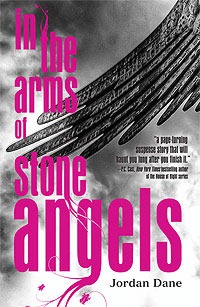
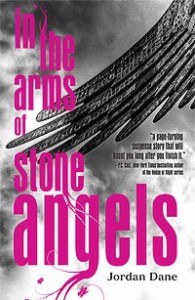
“I sleep with the dead. I don’t remember the first time I did it and try not to think about why. It’s just something I do.” (In the Arms of Stone Angels, by Jordan Dane)
Or:
“Two Whom It May Concern: My name is Wilfred Leland James and this is my confession. In June of 1922 I murdered my wife, Arlette Christina Winters James, and hid her body by tupping it down an old well. My son, Henry Freeman James aided me in this crime, although at 14 he was not responsible; I cozened him into it, playing upon his fears and beating down his quite normal objections over a period of 2 months.” (Full Dark, No Stars by Stephen King)

Or:
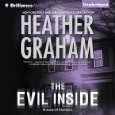
“The boy stood naked in the middle of the road. Sam Hall’s headlights caught him there, frozen in position, like a deer. He was covered in something slick and it dripped down his flesh.” (The Evil Inside, by Heather Graham)
Makes you want to read more, yes? You’ll also see that expertly composed hooks manage to combine techniques to create a masterful atmosphere. With hooks created by the guest authors I’ve featured here today, if readers were fish, they’d be jumping into the boat.
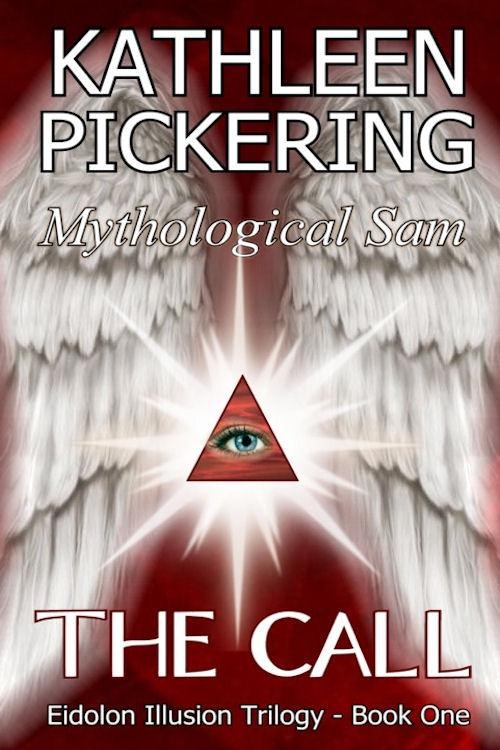
2. Startle Hooks. These hooks capture audiences quickly because the readers can’t quite believe what they’ve just read (like those hooks above). Folks will keep reading to discover what is really going on. Another example, and shameless plug, is in Mythological Sam-The Call, where Sam Wilson starts the first chapter with a surreal visual:
"I steer around the bend and my breath catches in my throat. A hideous, mythological hydra suspends across the bay, clawing each shore with twin, snarling heads straining towards the sky." (Mythological Sam-The Call by Kathleen Pickering.
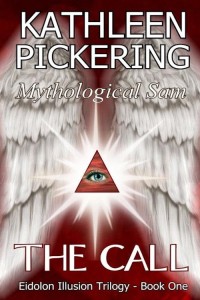
Couldn’t help but include myself here, especially in such good company, but I hope you’ll agree that no normal dude driving along the road is going to see a snarling, mythological beast where a bridge is supposed to be. I’d like to think the startle factor will keep the audience reading to learn what’s really happening.
3. Describe a personality and elicit emotion. See how a master handles this one:
“Myron lay sprawled next to a knee-knockingly gorgeous brunette clad only in a Class-B-felony bikini, a tropical drink sans umbrella in one hand, the aqua clear Caribbean water lapping at his feet, the sand a dazzling white powder, the sky a pure blue that could only be God’s blank canvas, the sun as soothing and rich as a Swedish masseur with a snifter of cognac, and he was intensely miserable.” (The Final Detail, by Harlan Coben).
Superbly done. (Applauding from my chair!) This hook flashes Myron as a law enforcer of high caliber who knows danger, attracts sexy women, lives life like a hedonist and is bored out of his gourd, eliciting both envy and concern from the reader over a intriguing personality. All done in one sentence. Amazing.
4. Establish a Setting. Mr. Coben also combines setting into the above hook, so I will cite the same quote. While establishing a setting is a gentler hook, when professionally cast as Coben has done, the results reel readers in hook, line and sinker. (I just know you were waiting for me to use that cliché!)
5. Introduce the Main Character. This hook is most effective when working with character driven plots, especially if the author is establishing a series with a particular character. Here, F. Paul Wilson’s character, Repairman Jack, has developed a cult-like following by portraying a darkly dangerous Jack with a quirky yet endearing, under-the-radar life style.
"Jack looked around the front room of his apartment and figured he was either going to have to move to a bigger place, or stop buying stuff. He had nowhere to put his new Daddy Warbucks lamp." (Conspiracies – Repairman Jack Series, by F. Paul Wilson)
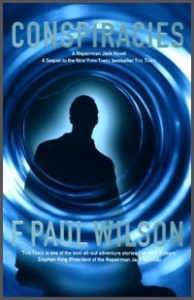
Paul told me Repairman Jack was only supposed to be a few books. Instead, Jack’s huge success spawned fifteen Repairman Jack novels. Paul recently released a Repairman Jack young adult series to explain Jack’s formative years. Yes, indeed. Dr. Wilson must own a pretty snazzy tackle box to hook such a huge fan base.
So of the various techniques for creating hooks, including use of dialogue, and introducing conflict and/or problems, these are my top five picks. What are your hooks of choice? Feel free to give examples. I’ll check back later because I’m off to bait another hook. I’m going deep sea fishing, this time!