First Page Critique: Strangled by a Cloud

Welcome to this week’s first page critique – today we have the first page of a historical mystery/thriller entitled ‘Strangled by a Cloud’. As always, my comments follow.

Strangled by a Cloud

My part in the Tenant’s Harbor affair began on the last day of January in 1878. That morning I was at my usual station: peddling hand-penned calling cards in the lobby of one of Boston’s many hotels; this time it was Young’s, in the financial district. A dozen cards for a Harvard toff had already bought me a hearty breakfast; a dozen more – perhaps with some flourish – for a Court Street banker would carry me through the rest of the day.

As the clock and the thermometer waned and the clouds began to spit sleet, my mood soured:  I take days like this personally, as have the thousands with my surname since the days of Noah. To lighten my mood, I left the outer crust of the lobby and strode towards the warmth of the core – the front desk – where I was greeted with the welcome smile of my friend, Adam.

“Cold is it, Mr. Merryweather?” he asked

“As colde as eny froste,” I replied, in an ersatz Middle English tongue.

“Ah, Chaucer – very good, very good,” he said (Adam was also the hotel’s unofficial man of letters and always appreciated a well-placed quote from the Tales).

I pulled the hotel register at his hands my way.  Now and then I made a sport of guessing at the age, nationality, personality, or occupation of guests based on their handwriting. I traced my finger down the list of guests until I reached the name “Charles Goodword.”

“Now here’s a bad character, Adam,” I began. “I’m guessing a gambler by profession, maybe something worse…he’s about forty years old, broad-shouldered, perhaps five feet ten or eleven…stout…and mean.  You’ll want to be rid of him, and soon.”

“Mr. Merryweather, it’s remarkable!” Adam said, truly surprised.  “As to age and height and build, you are quite correct, sir, quite correct. But as to his character, you are very mistaken: he’s a clergyman, you know – here to preach for several weeks – the Benevolent Society for something-or-t’other is paying his board.”

“A clergyman, is he?” I asked, adding, “Well, he’s a thief to boot.  Humor me and send for him,” I said, handing him one of my cards.

Adam obliged and sent a valet to call on Mr. Goodword.  The valet returned swiftly, confirming that he had successfully delivered the card and invitation, with my compliments.

“You think he’ll come?” I asked Adam. He nodded in assent.  “We shall see,” I said, shaking my head. “We shall see.”

Overall Comments:

Overall this first page was cleanly executed with an initial voice and style emerging that I think is pretty engaging. It appears to be emulating a Sherlock Holmes detachment and narration which I think could work well. What it initially lacks, however, is a bit of ‘oomph’ to set our story in motion and build intrigue. It also teeters, I think, in terms of credibility (see my specific comments below), but overall with some editing this first page could be an effective one.

Here are my specific comments:

Credibility

I think in this first page we need more background regarding the main character, Mr. Merryweather, as I’m initially skeptical that a man who makes his living penning calling cards in hotel lobbies would be educated enough to quote Chaucer and have even peudo-expertise in handwriting analysis. I’m also a little doubtful that a front desk clerk would be even an unofficial ‘man of letters’ without a bit more background. I’d be more willing to believe all of this if we got a sense that either Merryweather is an educated man that has fallen on hard times or that he is deliberately masquerading as someone he isn’t. Likewise I need a little more to buy into the fact that Merryweather has uncanny, Holmesian powers of deduction based on viewing Mr. Goodword’s handwriting.

Oomph

I wanted a little more intrigue from this first page when it came to the set up re: Mr. Goodword. I was expecting the valet to discover his dead body! The pay off on the initial page wasn’t really there and I was also skeptical as to why a clergyman would be interested in meeting a man who penned calling cards (or why the main character thought if he sent the valet up with his card the clergyman would respond – to be honest I’m not sure I even believe a man who makes his living hand to mouth by making calling cards would present his own card to anyone).  I feel that on this initial page, more intrigue would set the story on a stronger footing and would entice readers to keep turning the page.

Minor editorial issues

There were a few moments where I was taken out of the story. The first was when the main character said ‘I take days like this personally, as have the thousands with my surname since the days of Noah’. I didn’t feel this reference worked, mainly because the name ‘Merryweather’ doesn’t exactly sound like a surname from biblical times. Perhaps a middle ages reference would be more appropriate but at the moment it sounds awkward. Likewise the reference to the ‘outer crust’ of the lobby sounds strange – even though I understand what the writer was trying to get at and how the main character moved to the ‘core’ of the lobby – It didn’t work for me in the context of this story. In addition, the clock and thermometer ‘waned’ didn’t seem quite the right expression either – as the clock ‘waning’ would surely mean going backwards if the numbers got smaller (?).

I also found it odd that Mr Merryweather would call Adam by his first name but Adam didn’t reciprocate, but called him the more formal ‘Mr Merryweather’ in return. I’m assuming they are on the same social level and know each other well enough (as Merryweather calls him a friend) so the formality of Adam’s response doesn’t seem to ring true.

Also when Adam says: ‘ But as to his character, you are very mistaken’,  I feel that this should be either ‘very much mistaken’ or just ‘mistaken’ (‘very mistaken’ sounds weird to me).

So TKZers, what comments do you have for our brave submitter today?
 

Ending Lessons From a Couple of Movies

by James Scott Bell
@jamesscottbell

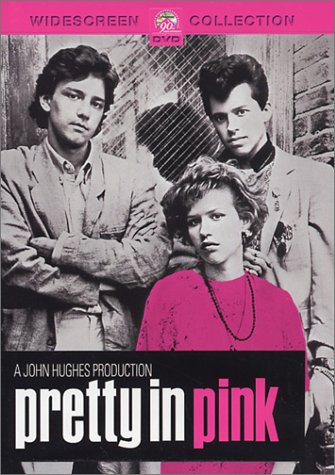
So the other day I watched Pretty in Pink, the 1986 Molly Ringwald film, written by John Hughes.

Why was I, a thriller author, watching Pretty in Pink? Because of James Spader. I’m a Spader fan, and I had been listening to Rainn Wilson’s memoir, The Bassoon King. Wilson (who played Dwight Schrute on TV’s The Office) was talking about his odd upbringing and high school days, and made a passing reference to being around rich kids who were like James Spader in Pretty in Pink. I didn’t recall that Spader was in the film.

So I went to the library and got the DVD and watched it.

I can see why Molly Ringwald captured hearts back then. She’s adorable and spunky and irresistible. The movie …

… okay, here netiquette demands that I insert a ***SPOILER ALERT***. I will be talking about the ending in detail, so if you want to see the movie fresh, now’s the time to go pour yourself another cup of joe.

As I was saying, the movie is about a high school girl, Andie (Ringwald), who comes from the wrong side of the tracks. She’s in school with a lot of rich kids, who look down their imperious beaks at her. Chief among these privileged snoots is Steff (Spader) who can’t stand that Andie won’t give him a tumble. When Steff finds out his best friend Blane (Andrew McCarthy) likes Andie, he tries to shame him out of it.

Andie is attracted to Blane, which is a cause of serious heartache for Andie’s friend, “Duckie” (Jon Cryer). Duckie loves Andie with a passion, but Andie loves him only as a pal.

Perfect John Hughes formula, eh?

Prom is coming, and no one’s asked Andie. She doesn’t expect it. But of course Blane does, and Andie is in heaven. Duckie is in hell.

But then Steff steps up his campaign to break up Blane and Andie. He tells Blane he’s got to choose. If he insists on seeing Andie, they will no longer be friends.

Blane is conflicted, but decides to break it off with Andie. He doesn’t return her calls. When she corners him at school, he makes up a lame excuse about having invited someone else to the prom and that it slipped his mind. Andie doesn’t buy it, calls him a liar, and runs out in tears.

Prom night comes. Andie decides to take a pink dress and do some of her quirky design work on it. She gets all ready to go to the prom, alone. When her dad asks her why, she says “I just want to let them know they didn’t break me.”

She gets to the hotel but is scared to take the final step inside the ballroom. She looks up. And sees Duckie. He has also shown up alone.

They run into each others’ arms and enter the ballroom together.

Blane, who is also sans date, sees them. He gets up to go to her. Steff tries to stop him. Blane tells him off (finally).

Blane goes up to Andie and Duckie. He apologizes. He says he always believed in her, he just didn’t believe in himself. Then he says, “I love you,” kisses her on the cheek, and walks out.

Duckie, the noble friend, says, “If you don’t go to him now, I’m never gonna take you to another prom again. This is an incredibly romantic moment, and you’re ruining it for me.”

Andie thanks him, runs out to the parking lot. She and Blane kiss in the rain.

The End.

Okay, here’s where it gets interesting. I felt the ending was not right. I thought:

a) Andie shouldn’t go running after Blane. He acted like a jerk. He gave her up over a measly threat from James Spader! Come on! He deserved to suffer for being so spineless.

b) Andie running after him so quickly brought her down in my estimation. She owed her loyal friend at least a dance.

c) Duckie deserved that dance, seeing as how he saved Andie’s dignity by walking into the prom with her.

d) The dialogue line “I love you” is almost always manipulative and lazy (see The Art of War for Writers, Chapter 39).

So as I’m thinking all that, I look at the Special Features menu on the DVD and see that there is a segment on “the original ending.”

And guess what? My instincts, and indeed those of John Hughes himself, were correct. In the ending that was in the script and which they shot, Andie and Duckie do dance together and then it fades out.

Which was, as they say, justice. But apparently test audiences weren’t so happy. A majority said they wanted the cute girl to end up with the cute guy!

An internal battle broke out over the ending. Most of the creative team wanted it to stay as shot, but the suits with the purse strings feared a negative audience reaction. Guess who won that fight?

So six months after the movie had wrapped, they got the cast back together to film the ending that’s in the movie.

And got negative reaction anyway! Even now, people are split on the ending. The stars (Ringwald, McCarthy, and Cryer) who were being interviewed on the DVD (these interview were filmed in 2006, twenty years after the release) talked about the controversy. Cryer remembered feeling robbed when they changed things. And he says people still come up to him, sometimes quite livid, insisting Andie and Duckie should be together at the end!

Why would they think that? Simply this: Justice was not served!

But, the other side insists, there was no sexual chemistry between Duckie and Andie. Molly Ringwald herself is of that opinion.

Ah, but there was another way it could have gone!  Andie and Duckie enjoy the prom together, then Duckie tells Andie to go to Blane. And when she goes to Blane it shouldn’t be to fall into his arms. Let it be left that they may end up together, so long as Blane proves he’s not shallow. The ending can therefore be hopeful, but not wrapped up in a pretty pink bow.

What’s the lesson here?

a) Don’t listen to the suits.

b) The best endings are about justice, not necessarily about the cuties getting together. Exhibit A: the most famous ending of all time, Does Rick end up with Ilsa? No! But justice is done, and Rick does gain “a beautiful friendship.”

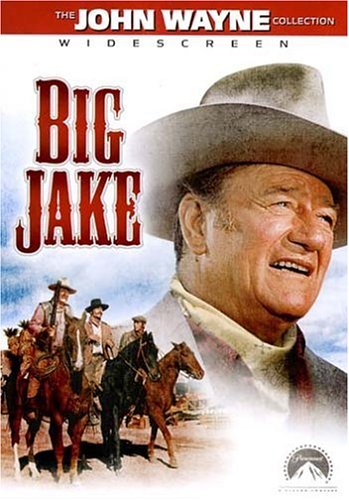
Next, I watched Big Jake, a later John Wayne western. I watched Big Jake to balance out Pretty in Pink and restore order to the universe.

Big Jake is a straightforward rescue plot. Jake McCandles (Wayne) learns his grandson has been kidnapped for ransom. With his two sons, an Indian friend, and a loyal dog named Dog, McCandles sets out to get the boy back.

Dog is trained to attack bad guys when prompted by the command, “Dog!” (John Wayne films are not complex). There’s a big showdown between Wayne’s group and the bad guys, one of whom wields a machete. Dog, wounded by a gunshot, nevertheless puts the bite on the machete guy. There’s a struggle. Machete guy breaks free, and hacks the heroic Dog to death!

Here’s my lesson from Big Jake: Don’t kill the dog!

And those are my random thoughts about two ending in two films.

So now it’s your turn: Do you have any lessons you draw from disappointing endings?

First Page Critique: MERCY KILLER

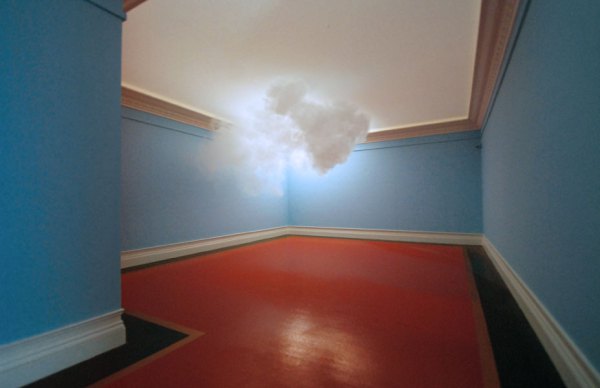
“Cloud Sculpture” by Berndnaut Smilde, from Architizer. All rights of ownership reserved to respective creators.

Good Saturday to you, and please join me in welcoming today’s Anon to First Page Critique! Anon combines thriller elements with a touch of the supernatural in a work entitled Mercy Killer, which begins as follows:


Mercy Killer

I checked the picture on the screen of my cell phone one last time.  Errors were not acceptable in my profession.  The blue light of my phone spilled out into the darkened hospital room that smelled of antiseptic and decaying flesh.  I glanced up at the old man in the bed. An overhead lamp lit his face in a circle of warmth. He was the one. His chest quivered as he drew in a ragged breath. I wondered how many breaths he would take before the end.

His silver blue mist floated in the air above him. I shook my head.  That was not a good sign.  When the mist had become completely detached, I knew that the time had come.  Sometimes the mist still clung to them, but as the hour approached, it tugged and pulled, begging to be free.  I could always tell when the end was near.  The mist told me and this man’s mist was already free. He was ready to die.

I glanced at a photograph on the stand that showed a young man in a suit holding a new born baby with a pink face.  Beside it stood a vase with a blood-red rose. Propped against the vase sat a card that lay open. I stepped close to read the words scrawled in an impeccable hand.  “To my dearest love.”

Crayon pictures of what looked like animals and grass and trees had been taped to the wall.  A photograph of a sailing ship with its sails billowing out before the wind clung to the wall over his bed.  This man had lived in this room for a long time.

I checked the history on my screen.  He had been here for over a year and he was scheduled for death in two days. I glanced at the mist again.  I couldn’t leave him for two days. He was ready now.

The man grimaced and opened his eyes. A hand strayed to his stomach were a cord poked out from under the sheets. I had seen pain before–many times. But I never got used to it. Seeing another human being in pain always sent a stab of sorrow to my heart.  I had endured pain, real pain. My handler told me that that is why I had been chosen for this special task. Not just anyone could do it.

“You have empathy,” she said as she peered down me from over her pink rimmed glasses.  “We need people like you.


Anon du jour strikes a mood here, for sure. I currently have a friend in what is known as a “rehabilitation center.” It is a nice one, as such places go, but there are certain things you just can’t clean up and the smell of slow-motion decay is one of them. I’ve been thinking of “Mercy Killer” often over the past few days as I walk through the corridors of the center toward his room. There’s a lot of misery in that place.

Overall, let’s give our Anon some applause for creating mood. I want to clean up a few things, however, to make it even better. I’m also going to propose reshuffling a couple of paragraphs to arguably improve the flow of the story. And…I know Anon uses the word “mist” frequently here, but I can’t think of a way around that. Maybe one of you out there can help.

First paragraph:

—  Errors were not acceptable in my profession. Anon, do you mean that errors were not acceptable in the narrator’s profession, but they are now? If there’s been a change in standards, fine, but if errors will still get the narrator dinged on their performance evaluation, the sentence should read that “Errors are not acceptable…”.  

An overhead lamp lit his face in a circle of warmth. Anon, I kind of get where you’re coming from but let’s cut that sentence off at An overhead lamp lit his face. so that the reader isn’t wondering if the lamp is a heat lamp or an illumination lamp or both.

— Also, let’s cut out the second “breath(s)” in the paragraph so that it reads, “I wonder how many he would take before the end.”

Second paragraph:

Parts of this paragraph — those dealing with the significance of the mist — are redundant. Your protagonist explains that they can tell when the patient is ready to die by the state of the mist, then notes the state of the mist and concludes that the patient is close. Also, you use the word “free” twice in the space of a couple of sentences. Let’s shorten and sharpen this up just a bit. One way to do it would be:


His silver blue mist floated in the air above him.  That was not a good sign. I shook my head. Sometimes the mist still clung to them, but as the hour approached, it tugged and pulled, begging for release. This man’s mist was already free. He was ready to die.

Actually, Anon, we’re going to do a bit more with this, combining it with the fifth paragraph when we get there. See below.

Third and Fourth Paragraphs:

— I like these. You do a nice job of putting us in the room, Anon. One typo: “new born” should be “newborn.” You might also combine these paragraphs, but they work fine separately, as well. It’s up to you.

Fifth paragraph:

— I recommend combining this with the second paragraph since as a whole it is somewhat redundant. Thusly:

His silver blue mist floated in the air above him.That was not a good sign. I checked the history on my screen.  He had been here for over a year and he was scheduled for death in two days. I glanced at the mist again and shook my head.  I couldn’t wait that long.  Sometimes the mist still clung to them, but as the hour approached, it tugged and pulled, begging for release.    When it was completely detached, however,  it was time.  This man’s mist was already free. He was ready to die.

Sixth and seventh paragraphs:

Anon, I think that you should save the introduction and mention of the handler for later in your story. Let’s try to keep things in that room and between the patient and mercy killer until things play out. We’re accordingly going to remove the seventh paragraph altogether, as well as the last three sentences of the sixth paragraph.

— As for the sixth paragraph:

1)  “Let’s change “A hand strayed…” to “THE PATIENT’S hand strayed…”

2) “were the cord” should be “WHERE the cord.”


Last…I would like to rearrange your paragraph order, Anon, so that the story goes from observations of the patient to the room and then concentrates on the mist. This involves keeping the first paragraph where it is, and moving your second paragraph (now combined with the fifth) so that it follows the description of the room. It’s going to look like this:

I checked the picture on the screen of my cell phone one last time.  Errors are not acceptable in my profession.  The blue light of my phone spilled out into the darkened hospital room that smelled of antiseptic and decaying flesh.  I glanced up at the old man in the bed. An overhead lamp lit his face. He was the one. His chest quivered as he drew in a ragged breath. I wondered how many he would take before the end.

I glanced at a photograph on the stand that showed a young man in a suit holding a newborn baby with a pink face.  Beside it stood a vase with a blood-red rose. Propped against the vase sat a card that lay open. I stepped close to read the words scrawled in an impeccable hand.  “To my dearest love.” Crayon pictures of what looked like animals and grass and trees had been taped to the wall.  A photograph of a sailing ship with its sails billowing out before the wind clung to the wall over his bed.  This man had lived in this room for a long time.

His silver blue mist floated in the air above him.That was not a good sign. I checked the history on my screen.  He had been here for over a year and he was scheduled for death in two days. I glanced at the mist again and shook my head.  I couldn’t wait that long.  Sometimes the mist still clung to them, but as the hour approached, it tugged and pulled, begging for release.    When it was completely detached, however, it was time.  This man’s mist was already free. He was ready to die.

The man grimaced and opened his eyes. His hand strayed to his stomach where a cord poked out from under the sheets. I had seen pain before–many times. But I never got used to it. Seeing another human being in pain always sent a stab of sorrow to my heart.  

I’m done. TKZers…please have at it. I will stay uncharacteristically quiet for the most part during your comments. And Anon…thank you for providing us with your first page. Your story feels as if it will raise an important issue which is still being played out. I hope that you get to the end and that we’ll have the benefit of reading it.

Reader Friday: Writing Space

”I am happiest writing in small rooms. They make me feel comfortable and secure. And it took me years to figure out that I need to write in a corner. Like a small animal burrowing into its hole, I shift furniture around, and back myself into a cozy corner, with my back to the wall … and then I can write.”
—Danielle Steel

What is your ideal writing space?

Key Ways to “Show” Your Character & Not “Tell” on Him – First Page Critique: Palm Beach Nasty

Jordan Dane
@JordanDane

This photo makes me want to go on vacation. Let’s take a ride with Crawford, our character in Palm Beach Nasty, a 1st Page Anonymous Submission. Read and enjoy. My feedback follows:

ONE

It turned out Crawford really missed the murder and mayhem up in New York. Which was weird, since the whole reason he’d gone south was to get away from it all.

At age thirty-six, with a bad case of acid reflux, chronic cynicism, and acute burnout, Charlie Crawford had packed up his Upper West Side apartment and headed down to the Sunshine State. He decided on the Keys, the plan being to take up surfing, give the Jimmy Buffett thing a shot. But after three long months of listening to stoned-out beach bums in lame Hawaiian shirts oohing and aahing pretty average sunsets and duding each other to death, Crawford was ready to move on.

So he’d reached out to a handful of Florida law enforcement agencies, and when the Palm Beach Police Department made him an offer, he grabbed it. But almost a year into the job, no one had come close to getting knifed, shot, garroted, or even banged up a little. Christ, what he’d give for a nice facedown stiff, a little rigor setting in. Crawford was drawing a bunch of nowhere cases, which could best be summed up by the one he was writing up now.

It was late afternoon on Halloween, and a call had come in about a possible trespass up on the north end. The north end of Palm Beach was really two places, depending on the exact location. Obscenely rich or doing just fine, thanks. Spectacular houses on the ocean and Intracoastal that started at ten million dollars and went up from there. Or fixer-uppers, on postage-stamp lots at around a million. Recently a Russian fertilizer billionaire had plunked down a shade under a hundred mill for Trump’s monumentally ugly, but colossally huge, ocean spec house.

But despite that, the real estate market had been hit hard when Wall Street collapsed three years before and was still wobbly. Somewhere between anemic and soft, desperately trying to claw its way back to pre crash levels. One of the top brokers in town was whining about having a lousy year—4.8 million in commissions as opposed to over 7 million in ’07. And real estate lawyers quietly grumbled about fewer closings, but even more about a troubling new phenomenon: clients hondling them on their fees. And pity the poor builders, who had traded down from tricked-up ninety-five-thousand-dollar Escalades to basic Ford 150s.

FEEDBACK
Overview – There is an ease to this writer’s voice that I liked. This intro is written in a deep POV that is close to first person. I almost wish it was full blown 1st, to give the character more room to breathe. This character has opinions about everything, which would work for the intimacy of 1st person if the author can tighten the narrative (without too much meandering). Because of the mental meanderings, the pace is significantly slower with a lack of focus for the action or world building.

A good thing to note is that this author can hear the character and is willing to channel him. That’s not an easy thing to get and execute. Kudos.

But how can this author retain the good parts of the character voice, yet not slow the pace? A big part of this resolution is how to introduce a key character by SHOWING rather than TELLING about him.

HOUSEKEEPING:

Where to Start? – The author started with a back story dump, sharing where Crawford had lived in NYC with a subsequent stay in the Keys, then on to police work in Palm Beach. These are all things that can come out later with patience. At the start, it’s too much misdirection without a point. That puts us down to paragraph 4 to search for a place to start–at the body or crime scene and any interesting lead up to that moment–but we get a lesson in real estate and the Wall Street crash. Bottom line, we need a better place to start that can showcase Crawford and his personality, through his actions and his cynical dialogue or banter with his colleagues.

Passive Voice – There were too many uses of ‘was’ and ‘had’ to indicate a past time period, or hint of backstory. ‘Was’ is used 8 times and ‘had’ is used 9 times in 400 words of this introduction. These are words I try to minimize and correct in an edit. It indicates this story should start with the present action and minimize the backstory.

Missing words typos – These are hard to catch. As authors, we are too familiar with our own work and miss words that should be there if we don’t read more carefully or read aloud. Last sentence in 2nd paragraph – “…oohing and aahing AT pretty average sunsets…” (‘At’ is left out.)

But how can this author retain the good parts of the character voice, yet not slow the pace? A big part of this resolution is how to introduce a character.

Key Ways to SHOW your Character rather than TELL On Him:

Try introducing your character like some films do, with big character stars like Capt Jack Sparrow in Pirates of the Caribbean. Johnny Depp doesn’t merely walk onto the scene and speak his first line, he makes a big intro to SHOW who he is. In mere seconds, we know him and who he’ll be. It takes practice to do this for an author of fiction. I call this “The Defining Scene.”

So imagine who Crawford is when he’s first introduced to this story. Since I like the author’s instincts on voice, I wanted to ask open ended questions for a rewrite of this intro. I didn’t want to influence the author by rewriting it myself. Think of it as a homework assignment, a short exercise.

1.) He’s a transplanted New Yorker with a side trip to the Keys. I can see his NY accent coming through. Are there remnants to his Keys stay? What does he wear in Palm Beach as a former New Yorker?

2.) Crawford is cynical and opinionated. How does this affect his co-workers, the other cops. Is he liked? Does he like them? Is he a loner?

3.) What hobbies does Crawford have? Are these apparent? Does he let other people know about them? What does he dream about? Is he saving for a beach house or a boat? Maybe he works more than one job to save up for something he doesn’t want to share with anyone else. Why did he choose the beach again? Does he miss NYC?

4.) He seems to thrive on crime scenes, being in his element. How does that manifest? Is he overly detailed in his approach or almost too relaxed? Does he communicate on the scene or keep to himself? Does he have a partner? If so, is his partner the same or opposite? Do they get along or not? How does that work for them?

To make Crawford memorable, the author gets a ‘first shot’ at a reader’s first impression. How would the author set the stage?

Below are some things to keep in mind.

  • Devise this crime scene for Crawford to shine or standout. Is it particularly morbid? Has he seen cases like this before? Does he bring NYC bagels and coffee? How does he react versus how others do? Set the stage for Crawford.
  • Give him something to do that will show the reader who he is. When others are turning away, he’s unusually attentive to details of the corpse. Does he have any idiosyncrasies at the scene, like how he treats the victim? Does he notice a stray cat in an alley with a possible clue when no one else does?
  • Make this scene about Crawford and focus on him. Let the reader know how he ticks, his values, his likes and dislikes. Carry these things through the book to take the reader on a journey.
  • Focus on Crawford’s character, more than plot, to give the reader a sense of him in this intro. If the author can devise a way to jump-start the plot (as in the murder scene), then you’ll get two birds with one stone.
  • Build on the energy from the Defining Scene. The reader will make an investment into Crawford going forward.

DISCUSSION:

What feedback would you give this author, TKZers? Is the engaging voice enough to keep you turning the pages?

Mr. January Available NOW! $2.99 Ebook

Zoey Meager risks her life to search for her best friend Kaity in a burning warehouse, only to cross paths in the inferno with Mr January, a mysterious man with a large black dog, completely devoted to its master.

So You Wrote the BEST BOOK EVER! Sorry, There’s More to Do.


Writers have a reputation–sometimes deserved–of being drama queens. Right this very moment, I am wearing the crown. ? My head aches, my eyeballs are dry as ping pong balls, I just this moment came thisclose to accidentally taking a family member’s Adderall instead of a handful of ibuprofen, when I turn my head, my neck sounds like it’s filled with potato chips, and I’m at the computer two hours past my bedtime for the 13th night in a row. This can only mean one thing:

I finished my latest book and sent it to my agent today!

Maybe it’s just the sleep-deprivation, but I feel a bit…insane. I actually left the house today for the first time in let’s-not-talk-about-how-many-days. Tuesday is the day I schedule appointments and run errands (and, no, I’m not yet eligible for the Tuesday senior discounts!). I have a vague memory of mailing things, and listening to someone telling me about a friend’s son who has a collapsed lung. I could only respond, “Oh, that’s terrible.” But I think I said it about 30 times, because it felt weird to actually be talking to another human who wasn’t my husband and I was having trouble following the details. I could go on about how I’m waking up to the alarming state of our home, and the nutritional paucity of the meals I’ve been slinging to my family over the past two weeks, but you can simply picture a post-tornado scene, littered with Chinese takeout boxes and piles of unopened mail. (Okay. There aren’t really food boxes, but there’s a lot of mail, and I might have had reheated pizza for lunch.)

BUT. The state of things isn’t going to change for the next little while, because while I’ve sent off the manuscript, there’s much more to do. (Hey, I bet you thought this was going to just be a touchy-feely blog. Surprise!)

I suspect that in the long history of TKZ, folks have talked about what an agent needs from a writer in order to put together a nice package for editors. But here’s a refresher. I have an excellent agent, and she has very specific requests. Your experience may differ.

Your agent (or you, if you’re doing the submitting) wants editors to see you as somebody who: 1) has written a kick-ass book; 2) fits into an identifiable category; 3) will be a partner in selling your book. It’s pretty simple, but this is stuff you need to think about between the time you finish your book and start sending it out to agents. Yes, even before you have an agent because if you have all of this information together, you’ll be more appealing to an agent.

A clean manuscript. Tidy it up, make sure it’s double-spaced, in a legible font with page numbers, your name, and title in the header. Don’t include a picture of your cat, child, or sketches of what you want the cover to look like.

A bio. Who are you? Where are you from? Have you published anything else or won any contests? Keep it brief–around 250 words. Don’t share your hobbies or recipes or phone number (that goes on the cover page)

Oh, and do have a cover page with your name, address, phone, and email up in the left-hand corner. Title should be centered in the middle of the page, with “by” and your name below it in a smaller font. No page number on the cover page. There’s a box you can check for “different first page” in the header format menu.

Comps. This can be tough. List writers who write similar books to yours. The Amazon “Customers Also Bought” list is a good place to start. Include as many as you can. Be specific. Don’t list, say, Michael Connelly, if you write bakery mysteries, or romantic suspense. Do reach, though.

Your platform. There are tons of places on the Internet (i.e. Jane Friedman) where you can learn what a marketing platform is. Everywhere you’re found online is part of your platform. (I’m certain TKZ has info–anyone have a link?) Facebook, Instagram, Twitter, Pinterest, Google+, Linked In, Goodreads. No Tindr or Grindr. I confess I’m not a Snapchat-er. Does anyone here use it for promo? But your platform also includes your website, blog, and email list. (It’s never too soon to start building a mailing list. Start with people you know in real life.) Sex tapes totally count. But they can also count against you.

Professional Associations and Contacts. Networking can be challenging for introverted writers. Most professional groups have associate memberships for unpublished writers or readers. Join. Get the newsletters. Go to conferences and volunteer. Get involved. An editor wants to know that you’re out there networking with other writers and getting your name in front of potential readers Your agent will also want to know if you have writer contracts who might provide you with the B-word: BLURBS. Most writers will tell you that this is by far the most awkward and uncomfortable thing about the business. But it must be done. Blurbs from other writers not only look nice on a cover, but suggest that someone a reader might admire likes your book enough to say something nice about it. A big name can be a huge deal. If you can’t get a big name, a medium name will do. You’ll find that some writers, particularly indie writers, quote reader reviews. It’s fine, but they won’t get an agent’s or publisher’s attention. Don’t make up blurbs. That’s really bad, and you’ll get caught.

If you can get a writer to blurb your book even before it goes to agents and editors you get bonus points. It’s something my agent likes me to do before she goes out with a book.  Talk about a difficult ask…I once had a NYT bestselling writer turn me down for a pre-submission blurb, and she wasn’t very nice about it. It’s worth a shot, though. Give your book every advantage.

Be proactive in describing how you might promote your book. Newsletters, contests, ARC giveaways, guest blogs, etc. Think about reaching out to readers. Even if your publisher has a promotion budget–a rarity these days–you need to do everything you can to pitch in.

Editors. Do you know folks in the business? A friend of a friend? Your agent will have many contacts, but if you know someone, they might be able to direct you to just the right editor in their publishing house.

I think that’s it. Can you all think of anything I’m missing? Remember–You’ve put your heart and soul into your work. Honor it, and take responsibility for it. You can make a real difference for yourself.


“The Dot”: Grist For A Sci-fi Thriller?

By Kathryn Lilley

I’m slightly obsessed with science and technology TV shows (How The Earth Works, Through The Wormhole, etc.). In fiction, I love Michael Crichton-style techno/sci-fi thrillers, such as stories about a new technology run amok (JURASSIC PARK and PREY, for example). So I was intrigued by a story I recently heard about a worldwide research effort called The Global Consciousness Project. The research project (which is being conducted at Princeton University) is collecting data to investigate  the theory that a global, coherent consciousness exists, composed of the energy created by human minds.

Up until recently, any notion of a global consciousness existed only in the realm of science fiction novels and B movies. But according to the project’s researchers, recent studies have suggested that the presence of humans (specifically, human minds) can in fact have a discernible effect on random number, machine generated data. I’m probably not explaining the concept well, so  below is a YouTube video with more information. But basically, the idea is that human thoughts and reactions to significant events, scaled up to a global level, creates measurable impacts on patterns of otherwise random data. The researchers are tracking the changes in “thought energy” by tracking realtime color changes in a so-called “Global Consciousness Project Dot.” The dot changes color every time there is a structured change in an otherwise random data pattern. In other words, the Global Dot is supposed to function as a sort of planetary Mood Ring. (Remember those?)

When I checked the Global Dot this morning, it was Orange, which suggests people are responding to some significant event taking place in the world. (Did I miss something big?)

So, getting back to science fiction and technology run amok: in the hands of a novelist, how might the theory behind the Global Consciousness Project be helpful or harmful to humanity? To be the stuff of a good sci-fi story, the technology or science must appear promising at first (as the Global Consciousness researchers declare this project to be), but then–talking strictly fiction here, I’m not impugning the actual GCP itself in any way–that technology has to morph or change in some unanticipated way, becoming a monster that threatens humanity instead of helping it.

If you were to write a sci-fi novel based on the science of The Global Consciousness Project, how would you turn it into a “monster” for your thriller?

First Page Critique: “Blues In The Night”

This submission landed in a Kill Zone Inbox sometime last fall, and after a who’s-on-first? journey from then ‘til now, residing next to Trump’s tax return in a top secret eyes-only clandestine subterranean vault (my name is complicit, I’m told)… it finally shows up here, for our most well-intended group critique.

A consolidated apology goes out to today’s brave and persistent author.

Because this is short, I’ll show it undisturbed at first pass (nothing disrupts a read than a line of red typeface from someone suggesting it could/should be different), followed by— for the author, and those readers so inclined—my most empathetic input.

As usual, feel free to chime in. That’s the point, after all, shooting for consensus and clarity.

I will say, though, that while I’m delighted to be here participating, I’m not all that sold on first page critiques. It’s a bit like doing a home inspection with a high speed drive-by (“looks like that roof could use some patching up…”). And if the math of these things holds up, the dozen or so editorial suggesti0ns that almost always seem to manifest in these submissions (POV being the most frequent imposter), that translates to roughly 4800 total manuscript notes (12 per page in a 400 page manuscript)… which would send most of us sprinting to the local bar instead of back to the drawing board.

The math is explained by this particular human observation: when you ask a bunch of people sitting in front of the room for input, using the word “critique” to frame a process that is anything but precise—because this is not math—rest assured, they’ll find something.

If you think this is brutal, sit in on one of these things at a writing conference, especially if agents are doing the evaluations… it’s like a public hanging: dark, yet morbidly compelling… unless it’s us wearing the rope.

Remember what William Goldman once said: “Nobody knows anything.”

In this and all KZ critiques, know this: we’re just trying to help… and, we’ve all been there, swinging from that tree.

——————————————

Blues in the Night

Everett

Miami Beach, Florida

Tuesday, October 16, 1951

12:10 AM

Sarah rolled naked out of bed and sashayed into the kitchen to pour a couple of drinks. Her cute ass, uncommonly tight for her age, swayed from side to side as she left the bedroom, putting a smile on Everett’s face.

Not bad for an old gal.

When he heard her puttering around with the drinks, he slipped out of bed and across the room, and grabbed her custom-made replica of the Maltese Falcon from the occasional table. Stoneware bird in hand, he moved to a spot behind the door.

She never saw it coming. As she walked in with their drinks, he swung the falcon, which had to weigh five pounds, smacking her in the temple. The glasses flew from her hands as she sank to the floor, blood flying from the wide gash on her head.

In an instant he was on her, straddling her, hands wrapped around her neck tight, tighter, tighter. Her eyes, which only minutes ago gazed at him with unbridled lust, now bulged outward, as if in astonishment. Her well-tended complexion took on a ghastly blue tint.

Tight, tighter … until the faint rhythmic throbbing beneath his thumbs fell still. The only sound now was soft band music wafting out of the console radio, tuned to the late-night Sleepy Time Gal program.

Her hair hid the split in her skull but not the last of the blood. Everett watched it seek its own level, changing from red to reddish-brown as it spread across the rug. He touched it with the tip of his index finger and examined it, tilting his head to one side, then the other, to maybe discover some new feature of the droplet visible only from an odd angle.

The urge to lick the little red bead off his finger was great, and he thought about taking some of Sarah home with him, having her protein — her very essence — flowing through his own veins.

He recalled Violet. He hadn’t done that with her. But now? Yes! He swiped it off with his tongue and let it glide down his throat, then stood up and went into the bathroom to wash the blood from his arms and torso.

He got dressed, then rifled her purse for money and grabbed what jewelry he could find, including what looked like a nice diamond bracelet and a pair of emerald earrings.

He pulled a few drawers out of her dresser, looking for that stash. Everyone like her — rich, that is — had a big stash somewhere close by. He only had to find it.

——————————————

Here are my notes. In general I like the writing, but like everything just out of the printer, it could use some re-thinking to make it even stronger. It could be more visceral, more nuanced, and thus, the scene rendered more disturbingly.

One of the things that hit me is that this is more than a little terrifying. Which I suppose is a good thing in its genre. But keep in mind, a first page has a specific and unique mission: to thrust the reader forward, compelling them to keep going.

With that filter, read this again and ask how much invitation and motivation you’ve given your reader. While you tell us this isn’t his first time, there isn’t even a hint of motivation (beyond psychopathy) or a general sense of why we’d want more.

That becomes the context for my input today. Look for ways to get into the heads of these players, minding the fence of POV, using inner dialogue and context to intensify both vicarious roles.

Sarah rolled naked out of bed and sashayed into the kitchen to pour a couple of drinks. Her cute ass, uncommonly tight for her age, swayed from side to side as she left the bedroom, putting a smile on Everett’s face.

Not bad for an old gal.

Okay, this is seriously twisted.  But you don’t bridge it from what seems innocent to what ends up being incomprehensible… and you could. Perhaps add a comment that, a few sentences from now, will link his appreciation of her “”sashay” – am thinking you could find a better verb here; who gets out of a bed and sashayes anywhere? – to what will be her dark fate? He enjoys having put her at ease, it makes the take-down all the sweeter.

Play up the sickness playing in his head.

When he heard her puttering around with the drinks, he slipped out of bed and across the room, and grabbed her custom-made replica of the Maltese Falcon from the occasional table. Stoneware bird in hand, he moved to a spot behind the door.

You have three actionable movements here, in one sentence: hearing the drinks, slipping out of bed, and grabbing the fake Falcon. That’s too many. Chunk it up. While the writing is good, this is the most amateurish of all your sentences on this page.

And “stoneware in hand” is just… rewritable. Do so.

She never saw it coming. (Skip that… this is obvious.) As she walked in with their drinks, he swung the falcon, which had to weigh five pounds, smacking her in the temple. The glasses flew from her hands as she sank to the floor, blood flying from the wide gash on her head.

Could be tighter: He swung the falcon the moment she appeared in the doorway, anticipating,his feet leaving the floor from the force of his effort. Ceramic colliding into flesh, framed in an arcing spray of red. Bone shattering, creasing the skin before it tore apart. It played before his eyes as if in slow motion, a moment he would revisit again and again, turning up the sound to capture the wet thud of it, going in for a closeup on her eyes, scanning for the moment she knew she was dead, wondering if she could connect him to it before the darkness fell.

Present tense would put us more in his head.

He was on her as she fell, straddling her already limp body. Hands wrapping around her neck… tight, tighter, tighter. Her eyes, only minutes from gazing at him with unbridled lust, now bulging outward, a confusion of astonishment and realization. Her face took on a ghastly blue tint.  (Would that happen that quickly, moments after impact?  I don’t think it would.  And… not the time or place to comment on her well-tended complexion.)

His hands froze on her throat, his forearms screaming at him until the faint rhythmic throbbing beneath his thumbs fell still. The only sound now was soft (we don’t care if it’s a band or an accordion) music wafting (wafting? Really?) out of the console radio, tuned to the late-night Sleepy Time Gal program.  (Why do we need to know the name of the program?  Don’t think we do. You’re trying too hard here… stay in the moment, author, go deeper into it, don’t dress it up with peripheral uselessness.)

Overwriting. The bane of the new author. Start to notice, and start to avoid it.

(cut this: Her hair hid the split in her skull but not the last of the blood.) Everett watched the blood emerge from beneath her hair, seeking its own level, changing from red to reddish-brown as it spread across the rug (nope, it wouldn’t change color before his eyes, moments after impact). He touched it with the tip of his index finger and examined it, tilting his head to one side, then the other (you already said “side to side,” so what do you mean by “then the other” – which translates to “side to side to side”… need to clean this up), to (not maybe) discover some new feature of the droplet visible only from an odd angle. (this sentence is a stretch, I think… nobody looks for, or cares about, a “new feature” of a drop of blood; you’re contriving here.)

The urge to lick the (don’t need the adjective “little” here; we’re pretty sure it’s not a “huge” bead of blood) red bead from his finger was tugging. (new sentence, avoid the run-ons) He thought about taking some of her (we don’t know her name, this isn’t the time to tell us, either) home with him, having her protein — her very essence — flowing through his own veins.  (I like this… it’s twisted as hell…)

He recalled the last girl. Violet, he recalled. He hadn’t done that with her. But now? Yes! He swiped it off with his tongue and let it glide down his throat, motionless, submitting to the sensation. He then stood and went into the bathroom to wash the blood from his arms and torso, tasting it again before it was all gone.

He dressed (did he “get dressed, or perhaps a more active verb – dressed – works better here), then rifled her purse for money. Coming up with nothing, he rifled her dresser for jewelry, grabbing what he could find, including what looked like a nice diamond bracelet and a pair of emerald earrings.

He pulled out the remaining drawers, looking for that stash. There was always a stash. Everyone like her — rich, that is — had a wad of cash somewhere close by. He only had to find it.

But even if he didn’t, he would go away satisfied.

(This closing line punches up the darkness of it all.)

____________________

Of course, these are editorial prompts only.  They suggest a deeper dive into the moment, into the perp’s head, which is the scariest place of all you can take your reader. We get a sense he’s not done, which is why we’ll stay with him in this story.  Because we want him to go down.That context – not so much to experience him, but to build a sense of dread, so that we will root for his ultimate failure and demise – is the nuance that will add to this project.

I wish you great success going forward!

Kill Zoners, what say you?

Giving Characters the Courage to Change

by James Scott Bell
@jamesscottbell

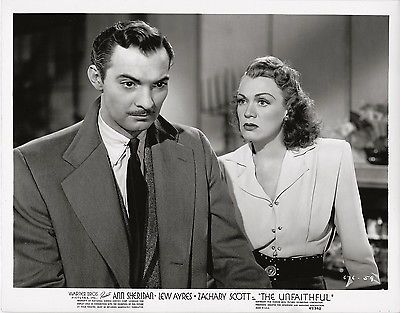
Zachary Scott and Eve Arden

The other day I turned on TCM and caught the last half hour of a film I’d seen before, The Unfaithful (1947). I was pleased because it has one of my favorite actors of that period, Zachary Scott. (This fine actor really needs to be remembered for his body of work, especially in Jean Renoir’s The Southerner). The other lead was the “Oomph Girl,” Ann Sheridan.

The plot: Bob Hunter (Scott) and Chris Hunter (Sheridan) are a happily married couple. One night, when Bob is away on business, Chris kills an intruder in their home. Self-defense, right?

What no one knows (at first) is that the intruder was a man with whom Chris had a one-night tryst during the war. She and Bob had been married only a short while before Bob went off to fight. Lonely and anxious, without letters from Bob, Chris found solace in this man’s arms. She felt guilty about it ever since.

Well, the truth comes out, and Bob is stunned, hurt, outraged. He demands a divorce. Chris pours out her heart to him, admitting the wrong, needing him to understand, wanting to stay married. But Bob remains resolute. Chris accepts the inevitable.

With the secret out that Chris knew the victim, she is tried for murder. But through the fine job done by family friend and lawyer Larry Hannaford (Lew Ayers), she is acquitted. (Let’s hear it for lawyers!)

Bob is still firm about the divorce. He goes to see another family friend, Paula (Eve Arden, who made a career out of playing the good-hearted pal). Paula delivers some plain talk to Bob. Almost like a slap in the face. She tells him about women during the war, how frightening and lonely it all was, especially when no letters came. And aren’t we all human? Don’t we all make mistakes? And are you going to hold on to this bitterness forever?

Bob goes back to his house as Chris is coming down the stairs, her bag packed. Bob asks her what her rush is. Maybe they could talk awhile. Discuss how to split up the property (he’s clearly wanting her to stay so they can reconcile.)

Chris, however, has accepted the divorce and closed off her emotions.

Now it’s time for family friend and lawyer Hannaford to be the voice of reason. (Let’s hear it for lawyers!) He makes a plea for the two of them not to throw away what they have. He leaves telling them this is one case he won’t mind not getting.

Bob sits next to Chris on the sofa and, in a typical 1940s gesture of impending reconciliation, offers his wife a cigarette. She takes it.

Fade out.

And I thought, Nicely done. Because the film utilizes a very helpful tool of the craft—the courage to change motivator.

When a character has to go into pitched battle—physically or professionally or psychologically—he is taking a step that requires courage. We need to see what it is that helps the character overcome the natural fear that occurs when facing such a challenge.

In Bob Hunter’s case, his step is psychological. He has to be willing to put aside the blow to his male ego, admit he’s been wrong in his vindictiveness, forgive his wife, and work at saving the marriage. If he suddenly changed at the end, without any preparation for it, we’d feel a bit cheated. We need to know why he’s taking this step.

So the screenwriters (one of whom was the famous noir novelist David Goodis) gave Bob a “voice of conscience.” That was Eve Arden’s character. By giving Bob a good, old-fashioned talking-to, we are set up to accept his change of heart.

This voice of conscience needs to be someone who is credible, wise, trustworthy. In many movies—mostly from the 30s and 40s—this is a voice from the past (which is set up in Act 1). At a crucial point in Act 3, the Lead hears that voice in his head as he’s walking down the street in torment, e.g., his mothers’ voice saying, Johnny, don’t do it! Once you do it, you’ll do it again, and then you’ll be bad. Don’t break my heart, Johnny!

Then Johnny hears the voice of his parish priest (Irish accent, of course): Don’t do it, Johnny! You’ll break your poor mother’s heart!

Finally, the voice of Johnny’s brother who was gunned down by mobsters in Act 2: You’re nothing but a crumb, Johnny. That’s all you’ll ever be, you hear me? A stinkin’ lousy crumb!

Shortly after this sequence, Johnny will take the courageous step to do the right thing. And we accept it, because we know what motivated the change.

The motivation must be strong: coming from a source the Lead trusts and loves.

The motivation must be clear: there is no doubt about the source (to the Lead and to the audience).

The motivation can be a voice of conscience, or it can be invested in a physical item.

An example of the latter comes from the great Bette Davis film, Now, Voyager (1942). Davis plays Charlotte Vale, the withdrawn, unattractive daughter of a steely, upper-crust matriarch. This mother has dominated Charlotte all her life, convincing her she has nothing to offer the world.

After a nervous breakdown, Charlotte is sent to a sanitarium run by the good Dr. Jaquith (Claude Rains). Charlotte reaches a point where she is ready to take a major step—going on an ocean cruise. This will require her mixing with people socially for the first time.

On the cruise she meets a man named Jerry (Paul Henreid), who is traveling alone (he is unhappily married). Jerry sees the “real” Charlotte, and the two fall in love. Ah, but they know they must part. Jerry gives Charlotte a bunch of camellias before they do.

Charlotte finally comes home to face her domineering mother. And boy, does the mother (the great character actress, Gladys Cooper) try to smash Charlotte right back to where she was before.

This is the key moment (the “mirror moment”) for Charlotte. She is thinking, can I possibly stand up to my mother? She’s too powerful! Will I go back to being the old Charlotte again?

If only there was something to give her the courage to … well, have a look:

Camellias! This emotional association is enough to give Charlotte the courage to stand up to her mother.

So …

… when you get to a point in your manuscript where your protagonist must take a major step, one that requires courage, provide a boost via a voice of conscience, or an item of emotional significance. This boost is most helpful sometime after—or simultaneously with—the mirror moment. Or during the final battle at the end of the book.

Characters exercising strength of will, to confront challenges and transform as a result. That’s what a novel is really all about.

Give them the courage to change.

Reader Friday: Advice

“If you have any young friends who aspire to become writers, the second greatest favor you can do them is to present them with copies of The Elements of Style. The first greatest, of course, is to shoot them now, while they’re happy.” ― Dorothy Parker

What advice would you give an aspiring writer today?