Here is another entry from the unpublished journal of that great pulp writer, William “Wild Bill” Armbrewster. The first entry can be found here. The second is here.
Do you have fear when you write? Do you find yourself afraid to take risks?
by Jodie Renner, editor & author, @JodieRennerEd
In another article, Tips for Writing Effective Dialogue, I discuss various techniques for writing dialogue that will come alive on the page. Drop over there for some advice on making your dialogue less stilted and more natural-sounding. Also, check out another post of mine, Some Dialogue Don’ts.
This article just provides a reference for the grammatically correct way to write dialogue, as well as some style tips for dialogue tags. Using correct punctuation and form for dialogue will keep your readers from becoming distracted, confused or annoyed, and maintain their focus on your story. So if you want your manuscript to look professional and your story to read smoothly, it’s best to follow these technical guidelines.
THE BASICS:
First of all, start a new paragraph every time the speaker changes. On the other hand, don’t start a new paragraph if it’s still the same speaker, unless you’re doing it for a good reason, like a pause or emphasis.
Punctuation for Dialogue:
1. Put quotation marks around all spoken words.
2. In North America, the punctuation always goes inside the end quote, not outside it:
“What’s wrong with you?” he asked.
“Nothing,” she replied.
3. If the person is asking a question, the question mark goes inside the quotation mark, and a period goes at the end of the whole sentence. The same goes for exclamations.
“Where were you?” she asked.
“Help!” he shouted.
Note that in the above examples, even though your word processor wants you to put a capital letter for “she” or “he”, these need to be lowercase, as they don’t start a new sentence.
4. If the person speaking is making a statement (or a suggestion or a command), replace the period (which would follow if it weren’t in quotation marks) with a comma. Then put your period at the end of the sentence.
“Let’s go home,” he said.
5. If there’s no attribute (he said, she said), put a period inside the closing quotation mark.
“Turn off the TV.”
6. If you start with the dialogue tag, put a comma after it, before your opening quotation mark and the dialogue:
He said, “But my game is on.”
7. If you want to put your dialogue tag in the middle of a sentence, put a comma inside the first set of closing quotation marks, and also after the dialogue tag:
“I can never understand,” she said, “what you see in him.” (Note no capital for the second part.)
8. If one person is speaking and the dialogue goes on for more than one paragraph (definitely not a great idea to have one person speaking at great length), you leave out the closing quotation marks at the end of the first paragraph, but put opening quotation marks at the beginning of the next one. Use closing quotation marks only when that person is finished speaking.
“…no matter what you do.
“And another thing, don’t ….”
STYLE TIPS
1. Avoid overusing dialogue tags. Instead of constantly using he said or she said (or the name and said), replace them often with action beats, which will also help bring the scene alive:
She stood there, hands on hips. “Where’ve you been?”
“Don’t start.” He took off his coat and hung it up.
Or, if it can be done without confusing the readers, just leave out the dialogue tag or action beat. Context often makes it obvious who’s speaking.
2. The best dialogue tags are the simple he said and she said (or asked), or with the name: John said, Carol said. These simple dialogue tags don’t draw attention to themselves or interrupt the story line, as they’re almost invisible. Avoid fancy tags like queried, chortled, alleged, proclaimed, conjectured, affirmed, etc., which can be distracting. But I do suggest using verbs that accurately and quickly describe how the words are delivered, like whispered, shouted, yelled, screamed, or stammered.
3. You can’t use words like laughed or grinned or smiled or grimaced or scowled as dialogue tags.
“You look great,” he said, grinning.
“Why, thank you.” She smiled at the compliment. (Note period and capital “She”)
Or “Why, thank you,” she said, then smiled at him.
4. Use adverbs very sparingly.
Instead, make sure the words they’re saying and any actions convey the feelings you wish to express.
TWO CURRENT STYLE TRENDS (Jodie’s observations):
1. Contemporary North American fiction seems to avoid the reversed form, “said Carol”, in favor of “Carol said.” The reversed form seems to be more British and also considered kind of archaic, which makes it great for historical fiction.
2. Most contemporary North American fiction writers, with the notable exception of Lee Child, seem to put most dialogue tags after the words spoken:
“Let’s go,” Tony said.
Rather than before:
Tony said, “Let’s go.”
These last two points are of course just my observations of common usage, not rules. But aspiring or debut authors would do well to stick with what seems to be in favor, to give a contemporary feel to your novel. Of course, if you’re writing historical fiction, go for the older “said Elizabeth” form.
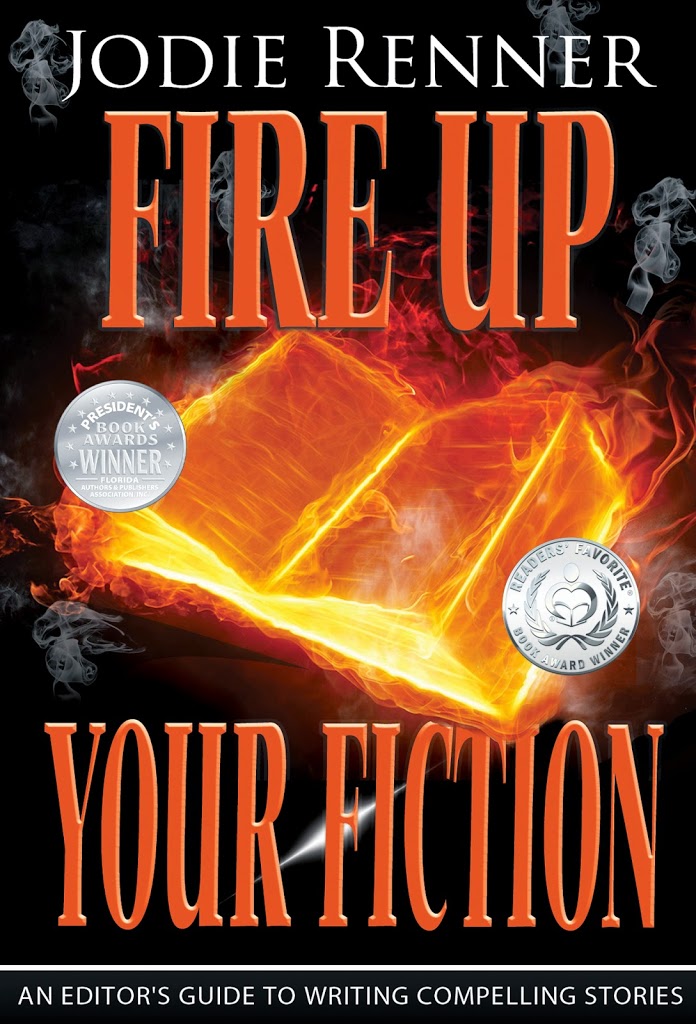
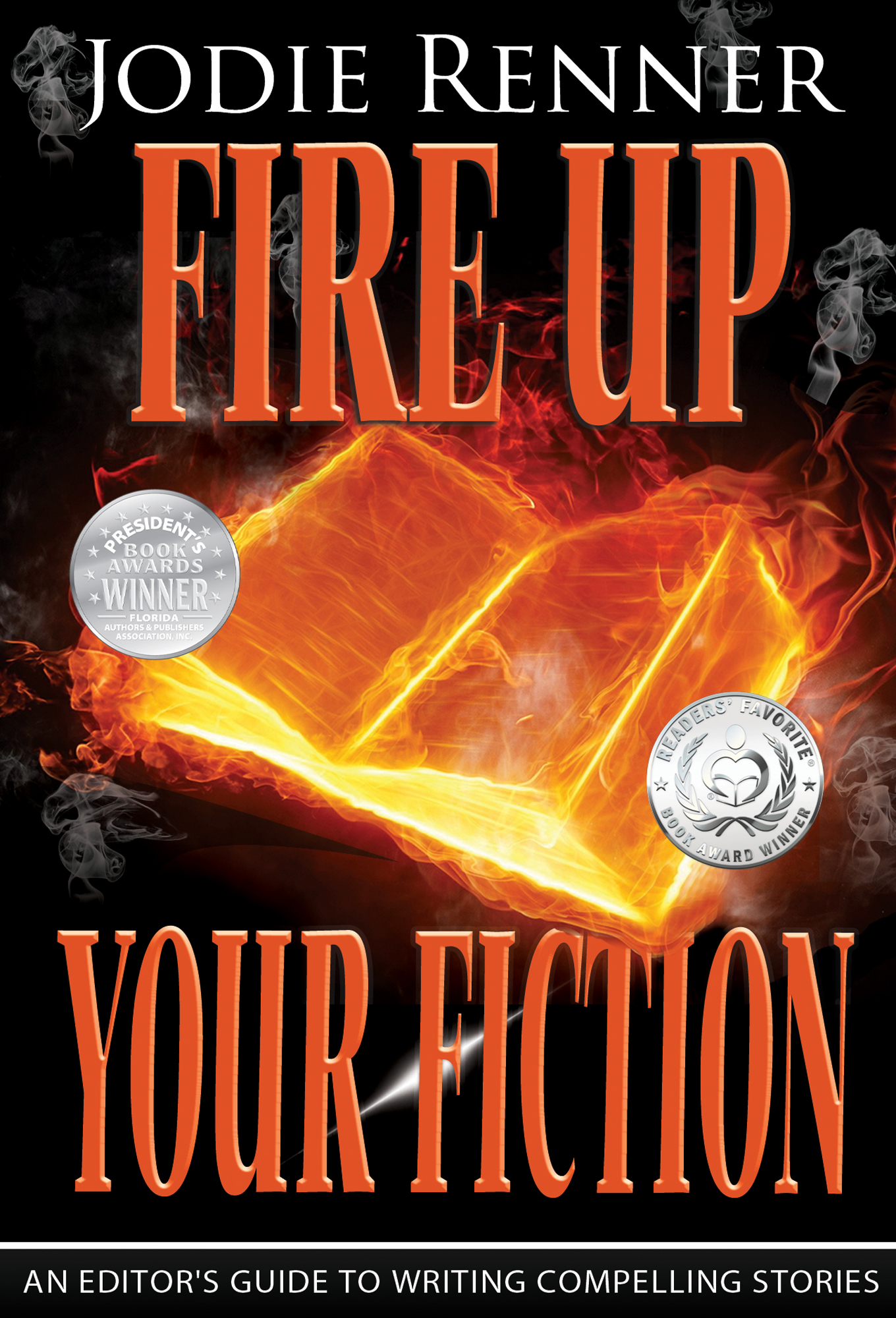
For more tips on dialogue, thoughts, and other fiction techniques, check out my book, Fire up Your Fiction – An Editor’s Guide to Writing Compelling Stories.
Fiction writers and readers, what do you think? Do you have any more tips to add to the mechanics of writing dialogue? Or opinions on the last two “style trends”? Let’s get a dialogue going!

First of all, start a new paragraph every time the speaker changes. On the other hand, don’t start a new paragraph if it’s still the same speaker, unless you’re doing it for a good reason, like a pause or emphasis.
Punctuation for Dialogue:
1. Put quotation marks around all spoken words.
“Where were you?” she asked.
“Help!” he shouted.
Note that in the above examples, even though your word processor wants you to put a capital letter for “she” or “he”, these need to be lowercase, as they don’t start a new sentence.
4. If the person speaking is making a statement (or a suggestion or a command), replace the period (which would follow if it weren’t in quotation marks) with a comma. Then put your period at the end of the sentence.
“Let’s go home,” he said.
5. If there’s no attribute (he said, she said), put a period inside the closing quotation mark.
“Turn off the TV.”
6. If you start with the dialogue tag, put a comma after it, before your opening quotation mark and the dialogue:
He said, “But my game is on.”
7. If you want to put your dialogue tag in the middle of a sentence, put a comma inside the first set of closing quotation marks, and also after the dialogue tag:
“I can never understand,” she said, “what you see in him.” (Note no capital for the second part.)
8. If one person is speaking and the dialogue goes on for more than one paragraph (definitely not a great idea to have one person speaking at great length), you leave out the closing quotation marks at the end of the first paragraph, but put opening quotation marks at the beginning of the next one. Use closing quotation marks only when that person is finished speaking.
“…no matter what you do.
“And another thing, don’t ….”
STYLE TIPS
1. Avoid overusing dialogue tags. Instead of constantly using he said or she said (or the name and said), replace them often with action beats, which will also help bring the scene alive:
“Let’s go,” Tony said.
Rather than before:
Tony said, “Let’s go.”
These last two points are of course just my observations of common usage, not rules. But aspiring or debut authors would do well to stick with what seems to be in favor, to give a contemporary feel to your novel. Of course, if you’re writing historical fiction, go for the older “said Elizabeth” form.
For more tips on dialogue, thoughts, and other fiction techniques, check out my book, Fire up Your Fiction – An Editor’s Guide to Writing Compelling Stories.
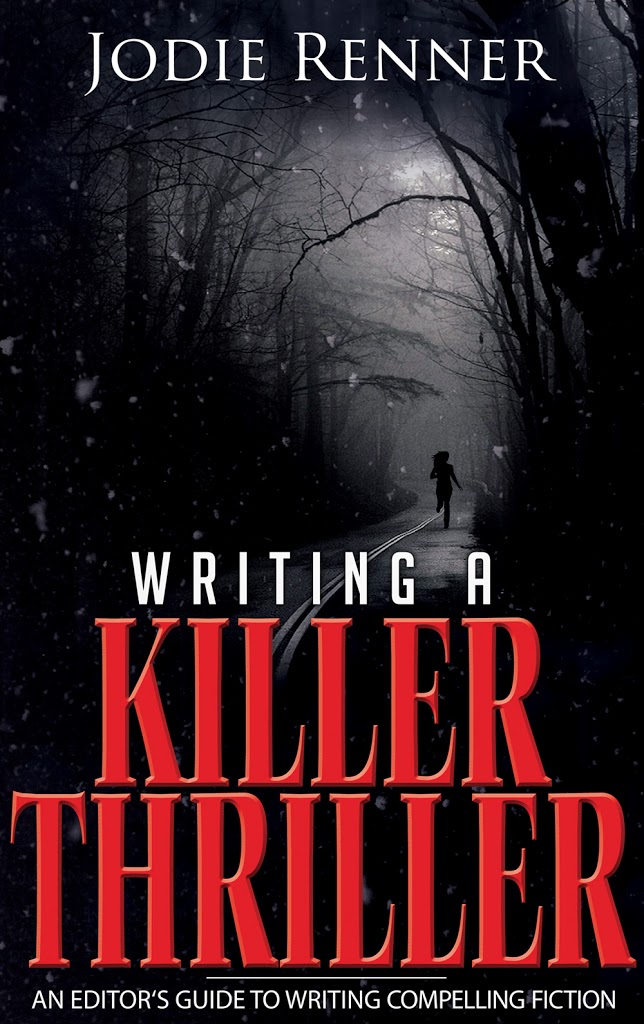
Jodie Renner is a freelance fiction editor and the award-winning author of three craft-of-writing guides in her series An Editor’s Guide to Writing Compelling Fiction: Captivate Your Readers, Fire up Your Fiction, and Writing a Killer Thriller. She has also published two clickable time-saving e-resources to date: Quick Clicks: Spelling List and Quick Clicks: Word Usage. You can find Jodie at www.JodieRenner.com, www.JodieRennerEditing.com, her blog, http://jodierennerediting.blogspot.com/, and on Facebook, Twitter, and Google+.
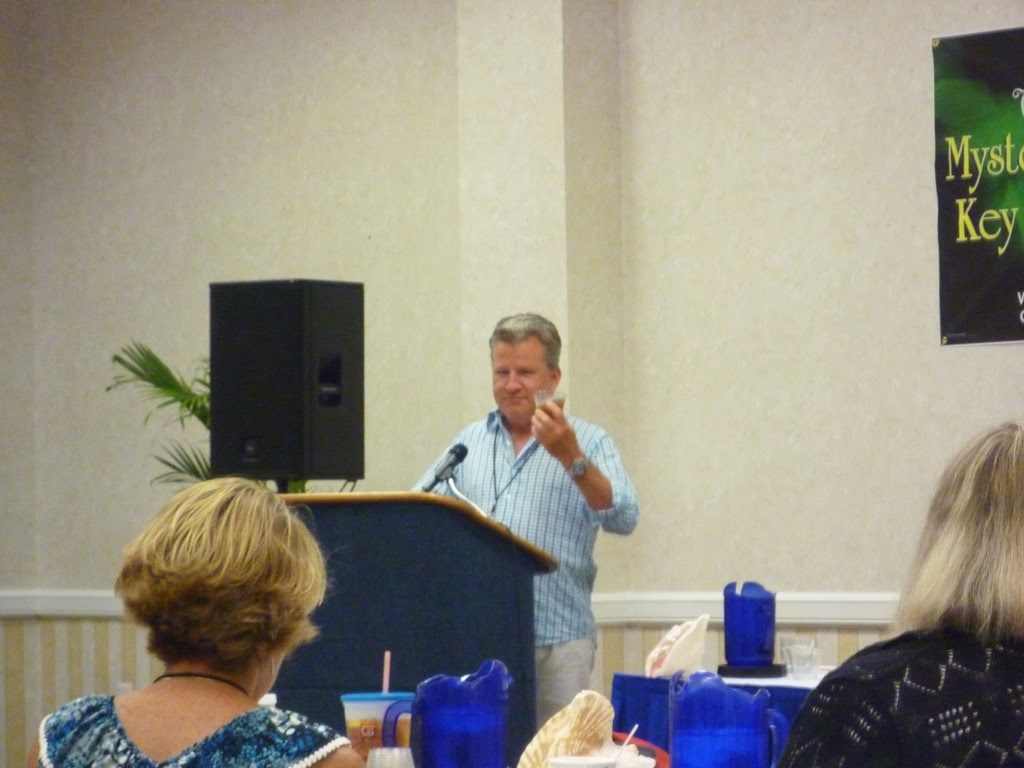
Organizing a writers’ conference is a year-long, time consuming event. Having recently attended the inaugural Mystery Writers Key West Fest, I can appreciate the hard work put in by its co-organizers, Michael Haskins and Shirrel Rhoades, to make everything run smoothly. We’re doing the same thing for SleuthFest, scheduled for February 26, 2015. What steps do you have to take to organize a conference? This is by no means a comprehensive checklist, but here are some suggestions if your group is interested in moving forward with a big event.
Book the hotel and the date. This isn’t as easy as it sounds. You have to estimate the number of people attending, including speakers, editors, agents, and special guests. Why? Because you’ll need meeting rooms to fit your capacity. How many persons might attend each session? How many tracks per hour will you offer? Thus how many break-out rooms are required? Day by day and function by function, you’ll have to map things out with the hotel liaison. This includes social events like meals and cocktail parties. A contract is drawn up. What is the cost of each meal? How much in deposits are required and when? What’s the cancellation policy? If you’re in Florida, what happens if there is a hurricane warning that weekend? How many rooms of your block do you have to fill? You need a good negotiator for this aspect, and that’s only the start.
Obtain the keynote speakers. Once you have a date and place, you can put invites out for the key speakers. They’ll be a draw for everybody else and for press coverage.
Devise a conference budget. This will help you determine how much to charge for registration. Decide if your goal is to break even or to make a profit.
Appoint committee chairs. You’ll want to assign volunteers to take charge of the different roles, such as Programming, Editors/Agents, Author Liaison, Raffles, Publicity, Sponsors, etc. Put your key people in place early.
Brainstorm for programming ideas. What’s your conference theme? What topics do you want to cover? Will you have panels or one-on-one workshops?
Arrange for special events. Do you want to go on a shoot-out at a local range? Visit a morgue? Have a demonstration by K-9 dogs? Offer a murder mystery dinner cruise? Will you fill up the evenings, or will attendees be on their own?
Once you have laid the groundwork, you’re ready to solicit speakers and post your registration forms online. Assign a publicity person to be in charge of tweets, Facebook posts, and other online promotion. Another one can be in charge of obtaining sponsorships, like for tote bags and for maybe a coffee break. Don’t forget to solicit ads for the program book. Now you’re getting down to the nitty gritty details.
Be gracious and praise your team. Putting on a conference is an effort of love. We need to appreciate the volunteers who work so hard. Giving out token recognition awards or publicly recognizing your team mates at the event itself will go a long way toward getting those same volunteers to come back next year.
Even if your event seems to be a well-oiled machine, be prepared for last-minute snafus. Tell yourself that everything will work out fine. No one will notice the glitches, and they’ll all have a wonderful time.
If you wish to read my reports on conferences I’ve attended, visit my blog at Nancy’s Notes from Florida.
Have you been involved in conference planning? If so, what has been your biggest challenge?
Organizing a writers’ conference is a year-long, time consuming event. Having recently attended the inaugural Mystery Writers Key West Fest, I can appreciate the hard work put in by its co-organizers, Michael Haskins and Shirrel Rhoades, to make everything run smoothly. We’re doing the same thing for SleuthFest, scheduled for February 26, 2015. What steps do you have to take to organize a conference? This is by no means a comprehensive checklist, but here are some suggestions if your group is interested in moving forward with a big event.
Book the hotel and the date. This isn’t as easy as it sounds. You have to estimate the number of people attending, including speakers, editors, agents, and special guests. Why? Because you’ll need meeting rooms to fit your capacity. How many persons might attend each session? How many tracks per hour will you offer? Thus how many break-out rooms are required? Day by day and function by function, you’ll have to map things out with the hotel liaison. This includes social events like meals and cocktail parties. A contract is drawn up. What is the cost of each meal? How much in deposits are required and when? What’s the cancellation policy? If you’re in Florida, what happens if there is a hurricane warning that weekend? How many rooms of your block do you have to fill? You need a good negotiator for this aspect, and that’s only the start.
Obtain the keynote speakers. Once you have a date and place, you can put invites out for the key speakers. They’ll be a draw for everybody else and for press coverage.
Devise a conference budget. This will help you determine how much to charge for registration. Decide if your goal is to break even or to make a profit.
Appoint committee chairs. You’ll want to assign volunteers to take charge of the different roles, such as Programming, Editors/Agents, Author Liaison, Raffles, Publicity, Sponsors, etc. Put your key people in place early.
Brainstorm for programming ideas. What’s your conference theme? What topics do you want to cover? Will you have panels or one-on-one workshops?
Arrange for special events. Do you want to go on a shoot-out at a local range? Visit a morgue? Have a demonstration by K-9 dogs? Offer a murder mystery dinner cruise? Will you fill up the evenings, or will attendees be on their own?
Once you have laid the groundwork, you’re ready to solicit speakers and post your registration forms online. Assign a publicity person to be in charge of tweets, Facebook posts, and other online promotion. Another one can be in charge of obtaining sponsorships, like for tote bags and for maybe a coffee break. Don’t forget to solicit ads for the program book. Now you’re getting down to the nitty gritty details.
Be gracious and praise your team. Putting on a conference is an effort of love. We need to appreciate the volunteers who work so hard. Giving out token recognition awards or publicly recognizing your team mates at the event itself will go a long way toward getting those same volunteers to come back next year.
Even if your event seems to be a well-oiled machine, be prepared for last-minute snafus. Tell yourself that everything will work out fine. No one will notice the glitches, and they’ll all have a wonderful time.
If you wish to read my reports on conferences I’ve attended, visit my blog at Nancy’s Notes from Florida.
Have you been involved in conference planning? If so, what has been your biggest challenge?