About Joe Moore

#1 Amazon and international bestselling author. Co-president emeritus, International Thriller Writers.

$.99 E-Book Specials & Online Writing Class

By Jordan Dane

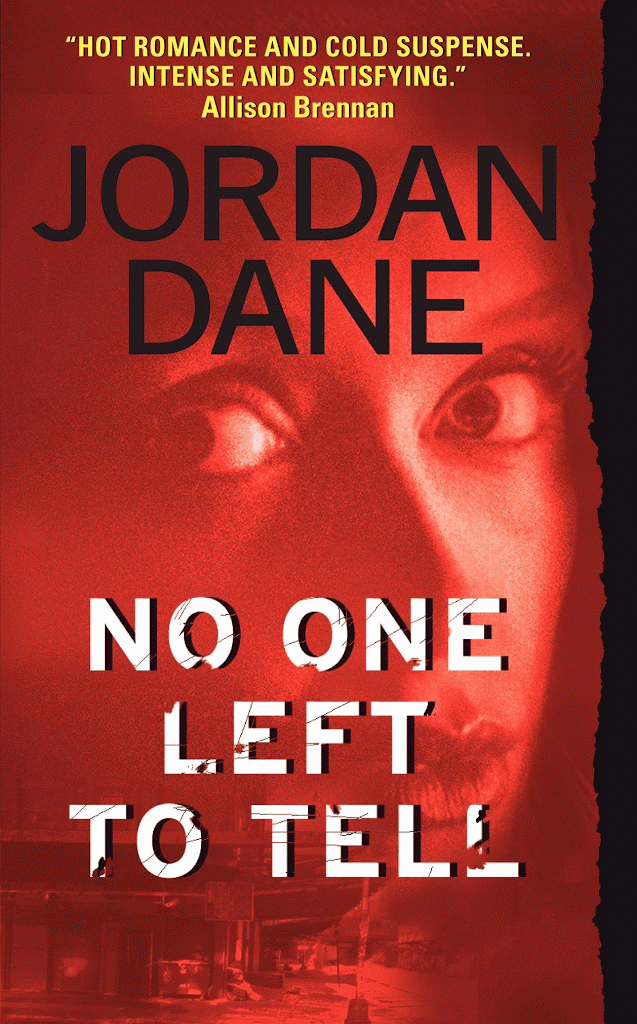
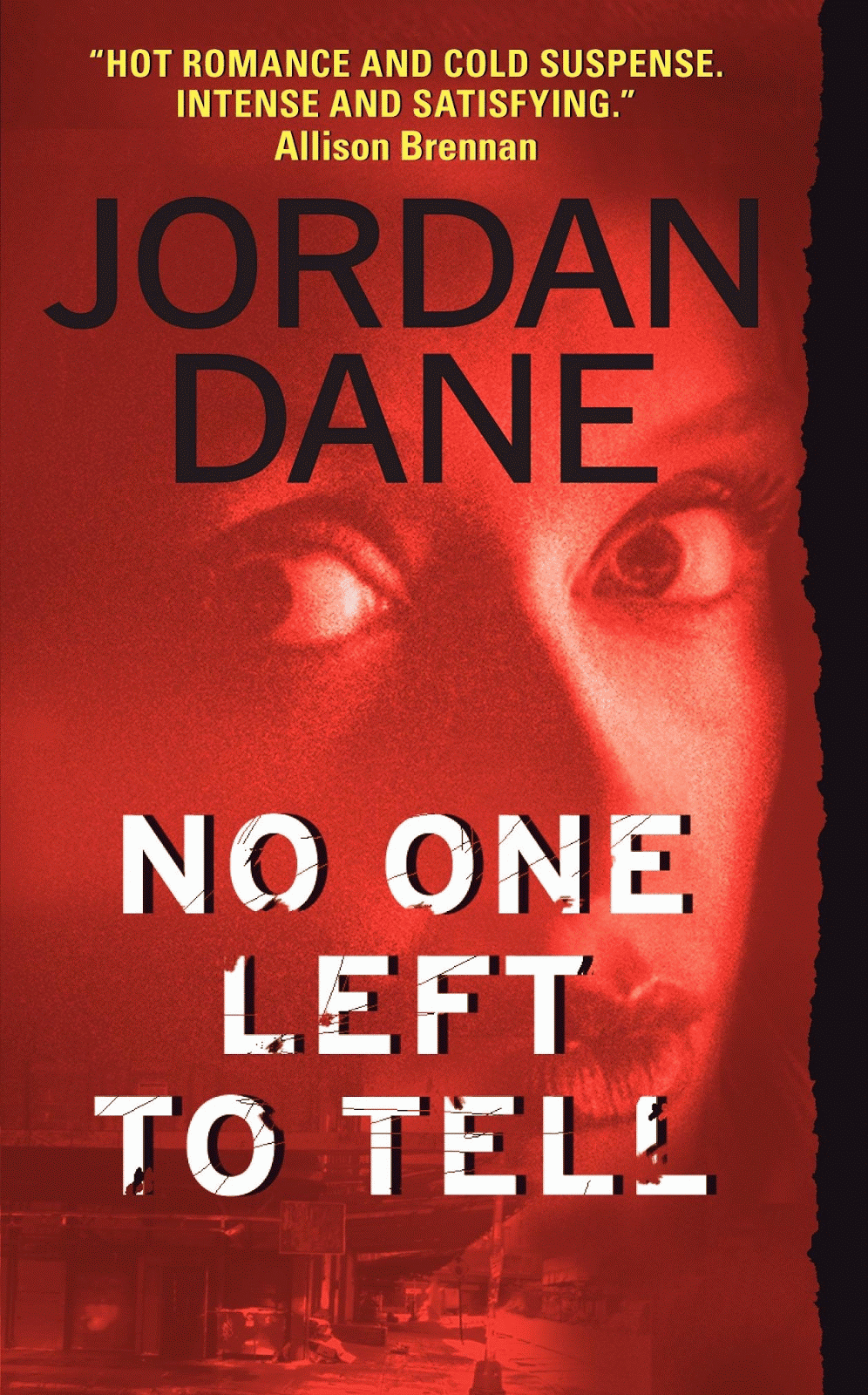
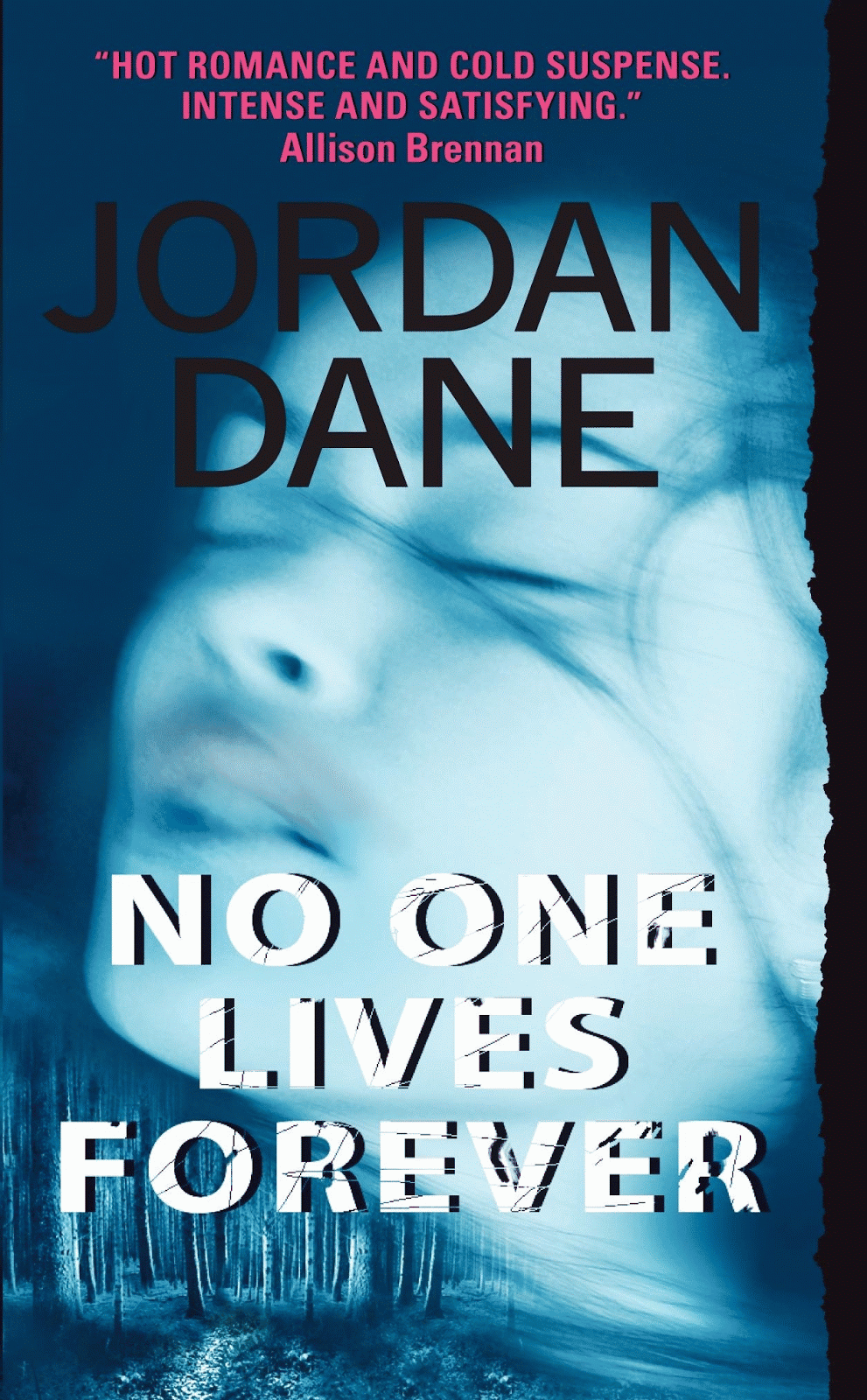
HarperCollins has been testing the waters of discounting their e-book pricing and it’s my turn. My “NO ONE” series (3 suspense books, including my debut book NO ONE HEARD HER SCREAM) are now available at $.99 for a limited time. Book #1 is a standalone novel, but books # 2 & 3 are a connected story line. They are best read in order.

My debut novel NO ONE HEARD HER SCREAM was named Publishers Weekly Best Book of 2008, NO ONE LEFT TO TELL and NO ONE LIVES FOREVER were selected TOP PICKS by Romantic Times Magazine with NO ONE LIVES FOREVER nominated as RT’s 2008 Best Intrigue Novel.


These books have such a special place in my heart. They bring back so many memories of my first sale and the extraordinary people who helped me. Click HERE for a link to my first sale story. I had to sacrifice a body part to sell and a very generous, well-established author jumpstarted my career.
Over the years, I’ve found the publishing industry has been filled with generous people who I’ve had the pleasure of crossing their paths, either online or in person. I feel very blessed to be a part of such a community so I wanted to bring these discounted books to the attention of my TKZ family.

I’m on deadline with a new YA series for Harlequin Teen (THE HUNTED) so I haven’t surfaced much online. I’m also in the midst of promoting my latest YA – ON A DARK WING (Harlequin Teen, Jan 2012). (Everything happens at once, even if you think you’re planning your schedule. And no one gets a break from the TAX MAN. *shiver*)

I have an online writing class coming up Feb 20 – Mar 3, 2012 also. The Young Adult online chapter for the Romance Writers of America (YARWA) is hosting the workshop. The link for that class is HERE.


I’d like to hear from TKZers. Please share:
1.) Your first sale story
2.) Or what it meant to see your first self-pubbed book on sale
3.) Or what keeps you writing.


The HarperCollins sale links to retailers of my $.99 e-books are below (B&N, Amazon, BAMM, Google EBooks, Kobo, iBookStore & other retailers):

NO ONE HEARD HER SCREAM
NO ONE LEFT TO TELL
NO ONE LIVES FOREVER

$.99 E-Book Specials & Online Writing Class

By Jordan Dane

HarperCollins has been testing the waters of discounting their e-book pricing and it’s my turn. My “NO ONE” series (3 suspense books, including my debut book NO ONE HEARD HER SCREAM) are now available at $.99 for a limited time. Book #1 is a standalone novel, but books # 2 & 3 are a connected story line. They are best read in order.

My debut novel NO ONE HEARD HER SCREAM was named Publishers Weekly Best Book of 2008, NO ONE LEFT TO TELL and NO ONE LIVES FOREVER were selected TOP PICKS by Romantic Times Magazine with NO ONE LIVES FOREVER nominated as RT’s 2008 Best Intrigue Novel.


These books have such a special place in my heart. They bring back so many memories of my first sale and the extraordinary people who helped me. Click HERE for a link to my first sale story. I had to sacrifice a body part to sell and a very generous, well-established author jumpstarted my career.
Over the years, I’ve found the publishing industry has been filled with generous people who I’ve had the pleasure of crossing their paths, either online or in person. I feel very blessed to be a part of such a community so I wanted to bring these discounted books to the attention of my TKZ family.

I’m on deadline with a new YA series for Harlequin Teen (THE HUNTED) so I haven’t surfaced much online. I’m also in the midst of promoting my latest YA – ON A DARK WING (Harlequin Teen, Jan 2012). (Everything happens at once, even if you think you’re planning your schedule. And no one gets a break from the TAX MAN. *shiver*)

I have an online writing class coming up Feb 20 – Mar 3, 2012 also. The Young Adult online chapter for the Romance Writers of America (YARWA) is hosting the workshop. The link for that class is HERE.


I’d like to hear from TKZers. Please share:
1.) Your first sale story
2.) Or what it meant to see your first self-pubbed book on sale
3.) Or what keeps you writing.


The HarperCollins sale links to retailers of my $.99 e-books are below (B&N, Amazon, BAMM, Google EBooks, Kobo, iBookStore & other retailers):

NO ONE HEARD HER SCREAM
NO ONE LEFT TO TELL
NO ONE LIVES FOREVER

Not For Us!

By Joe Moore

We’ve all gotten them. Some are personalized and contain constructive criticism. Others are form letters addressed to “author”. Some have been photocopied so many times that the cryptologists at the NSA couldn’t even decipher rejecttheir original message. Or they might arrive as a brief thanks-but-no-thanks email. They all say the same thing: your manuscript is not for us.

Rejected.

There are numerous ways to deal with literary rejection. We can all imagine the negative methods. But today, I want to discuss the positive ways to deal with the not-for-us letter.

After you’ve amassed an impressive stack of rejection letters, start by asking yourself if your query letter or synopsis might be the issue. You might have written the next Great American Novel, but if your sales pitch—your query letter—doesn’t do the job, the editor won’t want to move to the next step of requesting a sample. One method of improving your query and synopsis is to get help from an impartial third party such as a published author, writer’s forum or critique group. If you know someone who’s already published, ask if they can read your letter and give you advice on where you might be going wrong. Many online forums such as AbsoluteWrite, Writing Forums, and others have specific sections on query evaluation and feedback. Use them.

Next, you want to determine if you’re really targeting the appropriate publishers or agents. This is where you need to study the market. Go to the local bookstore and find novels that are similar to your manuscript. Make a note of the publishers. Many novelists include the name of their editor or agent on the acknowledgements page. Note those names. Then go online and visit the publisher’s websites. Read the descriptions of the plot on Amazon and B&N, and compare to yours. Google the agents names. Look at their list of clients. Are those writers some of your favorites? Do they write books similar to yours? Do your homework and focus on specific publishers and agents that deal with your kind of book.

Another question you need to ask yourself is if your book is as good as it can be. Of course, you’ll probably answer yes. Then take a moment to really consider the question. Are you being rejected repeatedly because the manuscript is just not ready for publication? Chances are, it probably isn’t.

So what should you do? Again, get outside help. One of the best ways to improve a manuscript is to join a local critique group. Most towns and communities have a library. Ask the local librarian if there are any groups that meet in the area. Check with the local bookstore. They usually know of critique groups or have bulletin boards that might list them. Critique groups that are made up of serious writers can be a huge benefit to helping you improve your work. Just remember that critiquing is a two-ways street. You want honest and sincere feedback, and you need to be prepared to give it back to your fellow members. There’s a very good chance that a group of fellow writers can help you get your story in shape so you can start submitting again.

Finally, don’t shoot the messenger. Agents and editors are in business to make money. If they don’t sell books, they go broke. If they don’t discover new books from new authors, they eventually go out of business. Their rejection of your work is nothing personal. Chances are, they don’t even know you. All they know is what they read in your query or sample. And the reasons for rejecting a manuscript can be as numerous as the number of submissions they received that day. Don’t blame them.

Forget about the lame excuses like: publishers only publish big established names and famous people. Or your book was rejected because it’s “different”, experimental, too unique for mainstream. Or you can’t believe they rejected your book when there’s so many bad books published. Go to The New York Times bestseller list. Look at all the writer’s names. Each and every author on that list was once an amateur struggling to get someone to read their manuscript and dreaming of making money as a published author. Every one of them fantasized about seeing their name on that list. What did they do? They realized that rejection really doesn’t mean “not for us”. It means “not ready for us yet”. Now go fix your book.

Any rejection stories to share? How many rejection letters did you get before that first book was published? If you’re published, do you still use a critique group or beta readers?

Not For Us!

By Joe Moore

We’ve all gotten them. Some are personalized and contain constructive criticism. Others are form letters addressed to “author”. Some have been photocopied so many times that the cryptologists at the NSA couldn’t even decipher rejecttheir original message. Or they might arrive as a brief thanks-but-no-thanks email. They all say the same thing: your manuscript is not for us.

Rejected.

There are numerous ways to deal with literary rejection. We can all imagine the negative methods. But today, I want to discuss the positive ways to deal with the not-for-us letter.

After you’ve amassed an impressive stack of rejection letters, start by asking yourself if your query letter or synopsis might be the issue. You might have written the next Great American Novel, but if your sales pitch—your query letter—doesn’t do the job, the editor won’t want to move to the next step of requesting a sample. One method of improving your query and synopsis is to get help from an impartial third party such as a published author, writer’s forum or critique group. If you know someone who’s already published, ask if they can read your letter and give you advice on where you might be going wrong. Many online forums such as AbsoluteWrite, Writing Forums, and others have specific sections on query evaluation and feedback. Use them.

Next, you want to determine if you’re really targeting the appropriate publishers or agents. This is where you need to study the market. Go to the local bookstore and find novels that are similar to your manuscript. Make a note of the publishers. Many novelists include the name of their editor or agent on the acknowledgements page. Note those names. Then go online and visit the publisher’s websites. Read the descriptions of the plot on Amazon and B&N, and compare to yours. Google the agents names. Look at their list of clients. Are those writers some of your favorites? Do they write books similar to yours? Do your homework and focus on specific publishers and agents that deal with your kind of book.

Another question you need to ask yourself is if your book is as good as it can be. Of course, you’ll probably answer yes. Then take a moment to really consider the question. Are you being rejected repeatedly because the manuscript is just not ready for publication? Chances are, it probably isn’t.

So what should you do? Again, get outside help. One of the best ways to improve a manuscript is to join a local critique group. Most towns and communities have a library. Ask the local librarian if there are any groups that meet in the area. Check with the local bookstore. They usually know of critique groups or have bulletin boards that might list them. Critique groups that are made up of serious writers can be a huge benefit to helping you improve your work. Just remember that critiquing is a two-ways street. You want honest and sincere feedback, and you need to be prepared to give it back to your fellow members. There’s a very good chance that a group of fellow writers can help you get your story in shape so you can start submitting again.

Finally, don’t shoot the messenger. Agents and editors are in business to make money. If they don’t sell books, they go broke. If they don’t discover new books from new authors, they eventually go out of business. Their rejection of your work is nothing personal. Chances are, they don’t even know you. All they know is what they read in your query or sample. And the reasons for rejecting a manuscript can be as numerous as the number of submissions they received that day. Don’t blame them.

Forget about the lame excuses like: publishers only publish big established names and famous people. Or your book was rejected because it’s “different”, experimental, too unique for mainstream. Or you can’t believe they rejected your book when there’s so many bad books published. Go to The New York Times bestseller list. Look at all the writer’s names. Each and every author on that list was once an amateur struggling to get someone to read their manuscript and dreaming of making money as a published author. Every one of them fantasized about seeing their name on that list. What did they do? They realized that rejection really doesn’t mean “not for us”. It means “not ready for us yet”. Now go fix your book.

Any rejection stories to share? How many rejection letters did you get before that first book was published? If you’re published, do you still use a critique group or beta readers?

Reader, interrupted: the downside of digital

The dog ate my e-books. All of them.

Actually it wasn’t my dog that ate them, but a pair of Rhodesian Ridgebacks at our local  park. MacGregor and I were playing fetch when I made the mistake of leaving my Kindle–encased in a new, apple-green leather case–on the bench. When I turned around, the Kindle was Ridgeback road kill. 
Ridgebacks were traditionally used to hunt lions in Africa. Turns out, they also have a taste for leather and digital literature. My Kindle looked okay when I extracted it from their dripping fangs, but they must have snapped its little e-spine. It was a goner.

Back when I bought the Kindle and started downloading books, I gave passing consideration to the idea of losing an entire library in one fell swoop. Now that it’s happened, I’m going to find out whether I can restore the whole library on another device. I’m sure there’s some e-magical way to do that, but this entire experience has left me shaken. For one thing, I don’t want to shell out money for another reader. Plus you never know when solar flares or another pack of wolf hounds will start messin’ with your pixels.
Or maybe this time I’ll go for broke. Get an iPad, maybe–but only if it comes with an insurance policy. Preferably one with compound interest.
Did you ever have disaster befall your e-reader? Did you lose any books?

Reader, interrupted: the downside of digital

The dog ate my e-books. All of them.

Actually it wasn’t my dog that ate them, but a pair of Rhodesian Ridgebacks at our local  park. MacGregor and I were playing fetch when I made the mistake of leaving my Kindle–encased in a new, apple-green leather case–on the bench. When I turned around, the Kindle was Ridgeback road kill. 
Ridgebacks were traditionally used to hunt lions in Africa. Turns out, they also have a taste for leather and digital literature. My Kindle looked okay when I extracted it from their dripping fangs, but they must have snapped its little e-spine. It was a goner.

Back when I bought the Kindle and started downloading books, I gave passing consideration to the idea of losing an entire library in one fell swoop. Now that it’s happened, I’m going to find out whether I can restore the whole library on another device. I’m sure there’s some e-magical way to do that, but this entire experience has left me shaken. For one thing, I don’t want to shell out money for another reader. Plus you never know when solar flares or another pack of wolf hounds will start messin’ with your pixels.
Or maybe this time I’ll go for broke. Get an iPad, maybe–but only if it comes with an insurance policy. Preferably one with compound interest.
Did you ever have disaster befall your e-reader? Did you lose any books?

In Person Appearances

by Clare Langley-Hawthorne

We’ve posted a lot about online publicity and marketing efforts and how you can utilize blog tours, twitter and Facebook updates to help promote your latest novel. It used to be that authors would be sent on book tours involving in-person book signings and talks but now most of that has been superceded (and sadly, there aren’t that many bricks-and-mortar bookstores left to tour!). 


I’ve been wondering, given all the recent changes in publishing, what kind of in-person events are really worth it nowadays. While I still think there is no substitute for meeting readers face-to-face to talk about your book, getting a decent return on these events (factoring in author time and investment) can be hard to achieve (especially in these lean times). 


Fan-based and author conferences are probably still a worthwhile investment as they provide both networking opportunities as well as reader exposure but apart from Bouchercon, choosing the right conference to attend can be tricky. When my first two books came out I went to Bouchercon, Malice Domestic, the San Francisco Writer’s Conference, Mayhem in the Midlands and the Historical Novel Society Conference. It was hard to assess the actual impact of these (though I do I credit the SF writer’s conference for propelling me to the SF Chronicle bestseller list). I’ve also given readings at other local events, attended book festivals and been on library panels. All in all I think these helped provide some exposure but I’m not sure any of them were all that beneficial in terms of sales. 


Now the online opportunities for marketing and promotion are significantly greater, I would have to carefully consider what in-person events to make for my next book. Following my return to Australia, this assessment is even more complicated given the travel times and costs involved.


So I’d like to know, how do you weigh up your options when it comes to in-person events? Given the online opportunities, are you even considering book signings at bookstores? Which conferences, festivals or other events do you think are worthwhile in the new, digital era of publishing?

In Person Appearances

by Clare Langley-Hawthorne

We’ve posted a lot about online publicity and marketing efforts and how you can utilize blog tours, twitter and Facebook updates to help promote your latest novel. It used to be that authors would be sent on book tours involving in-person book signings and talks but now most of that has been superceded (and sadly, there aren’t that many bricks-and-mortar bookstores left to tour!). 


I’ve been wondering, given all the recent changes in publishing, what kind of in-person events are really worth it nowadays. While I still think there is no substitute for meeting readers face-to-face to talk about your book, getting a decent return on these events (factoring in author time and investment) can be hard to achieve (especially in these lean times). 


Fan-based and author conferences are probably still a worthwhile investment as they provide both networking opportunities as well as reader exposure but apart from Bouchercon, choosing the right conference to attend can be tricky. When my first two books came out I went to Bouchercon, Malice Domestic, the San Francisco Writer’s Conference, Mayhem in the Midlands and the Historical Novel Society Conference. It was hard to assess the actual impact of these (though I do I credit the SF writer’s conference for propelling me to the SF Chronicle bestseller list). I’ve also given readings at other local events, attended book festivals and been on library panels. All in all I think these helped provide some exposure but I’m not sure any of them were all that beneficial in terms of sales. 


Now the online opportunities for marketing and promotion are significantly greater, I would have to carefully consider what in-person events to make for my next book. Following my return to Australia, this assessment is even more complicated given the travel times and costs involved.


So I’d like to know, how do you weigh up your options when it comes to in-person events? Given the online opportunities, are you even considering book signings at bookstores? Which conferences, festivals or other events do you think are worthwhile in the new, digital era of publishing?

The Fine Art of Tooting Your Own Horn, and a Word About Covers

James Scott Bell


Here at TKZ we sometimes joke about “shameless self-promotion.” We greatly appreciate the good rapport we have with our readers, and you all know we are not here just to plug our stuff. But you also understand that we’re working writers who blog, in part, so we can tell you about our new releases when they occur. 
Every writer has to do it. Publishers and agents demand it. If you’re self-publishing, you can’t survive without some form of social media and self-promotion.
Yet many authors feel uncomfortable tooting their own horns. Let me assuage that discomfort. 
Self-promotion need not be “shameless,” and indeed can be a benefit to all, if you remember one simple thing: the Law of Reciprocity. This law holds that when you offer something of value to another, they are much more likely to give something in return.
In social media, for example, the Law of Reciprocity is golden. Many an author makes the mistake of thinking social media is about marketing. In reality it’s about relationships. You build those slowly, through actual engagement, and not  by stringing together a bunch of posts that are little more than “buy my stuff” pleadings.
For a couple of years I’ve monitored some authors on Twitter who make a fundamental mistake. Thinking it’s just a “numbers game,” they hit the Twitterverse with thinly veiled sales pitches, over and over and over. Is that value?
Sometimes I see virtual begging. “Please RT this! Please!” But why would I do that if I don’t see any value in it? Why would I want to send that along to my own network?
I note that these methods have not helped their sales. (The books themselves probably have something to do with it, but I’ve not been interested enough to read one.)
On the other hand, some authors (Joseph Finder comes to mind) do it right, giving us interaction, interesting links, a laugh or two and so on. When he announces a new release, he’s earned trust. I’m happy to hear about it.
So think reciprocity. Give, and you will receive. Don’t just toot your own horn, make some music with it.
I’ll have multiple releases this year—traditional, self-published, short form. What I’d like to do here is turn those into occasions to offer something to writers. I’ll focus in on an aspect of the craft that went into the work, or maybe a bit of backstory about how a particular story sprang to life. Whatever seems apt.
Today, announcing the release of Book #2 in my Mallory Caine, Zombie-at-Law series (written as K. Bennett), I’d like to talk about covers. Take a look at this honey for The Year of Eating Dangerously:

Now that is one beautiful cover. This is what a traditional publishing house like Kensington has going for it—hugely talented designers who do this for a living. The tagline: More Demons, Less Filling, is also brilliant. A designer and a copywriter worked in tandem to produce this stunner.
It does what a cover should do: it feels like a visual representation of the tone of the book. That is not an easy thing to accomplish. And here I must say a word to all you self-publishers:
Do not skimp on your cover art! Spend money and hire someone who knows what they’re doing. In this digital age there is an expanding number of people who can design you a nice cover. Find them. Get recommendations. Look at their portfolios. Get a quote from them. And then do the following:
1. Give them an idea of how you want the cover to look. You do this by going on Amazon or Barnes & Noble and looking for covers in your genre. You collect a number of these that resonate with you and put them into a PDF to send them to your designer.
2. Provide the cover artist with a short squib about your book. Most of the time this should be the book description that you’ve written, just like a copywriter (another fine art I’ll talk about sometime).
3. Ask for a deal that includes at least a revision and a polish. You use the revision to clear up any misconceptions or things you don’t like. The polish is the fine tuning aspect. Try to negotiate this as part of the fee.
4. How much should you pay? There are artists all over the map, but generally between $200 – $400. I know about one poor fellow who spent $2,000 on a cover, which did not look worth it at all. Be very careful about assessing the worth of your artist.
5. If you have several books being readied, ask the cover designer for a package deal and a discount.
Now, there are some of you out there who have design talent, and know how to use photo and illustrator programs, who might want to Do-it-Yourself. If so, let me encourage you to put your cover through as rigorous a design process as you put your book through a revision process. Get feedback from people. Do two or three designs of your cover and have people select which one they like best.
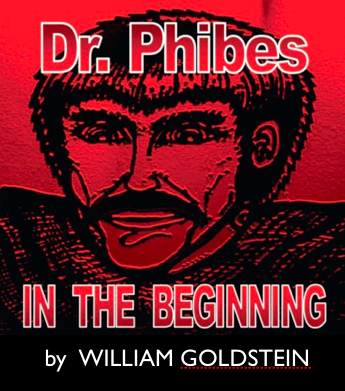
Also: be sure your book cover has the dimensions of a physical book. It shouldn’t look square and squat like this:

And can you see another major mistake? Your cover should not have the word “by” in front of your name.
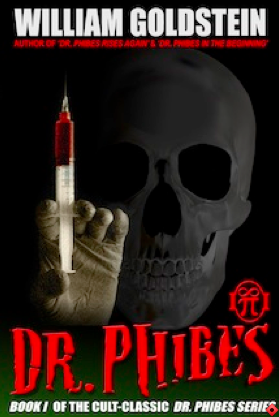
Instead, your cover should look like this:

So there you have it. Toot your own horn and add value doing so, and you’ll never be an unwelcome guest.

As for covers, if you’re traditionally published, how have you liked yours? How much input did your publisher give you?
If you’re self-published, what have you done to get good covers for your books? What did it cost you?

The Fine Art of Tooting Your Own Horn, and a Word About Covers

James Scott Bell


Here at TKZ we sometimes joke about “shameless self-promotion.” We greatly appreciate the good rapport we have with our readers, and you all know we are not here just to plug our stuff. But you also understand that we’re working writers who blog, in part, so we can tell you about our new releases when they occur. 
Every writer has to do it. Publishers and agents demand it. If you’re self-publishing, you can’t survive without some form of social media and self-promotion.
Yet many authors feel uncomfortable tooting their own horns. Let me assuage that discomfort. 
Self-promotion need not be “shameless,” and indeed can be a benefit to all, if you remember one simple thing: the Law of Reciprocity. This law holds that when you offer something of value to another, they are much more likely to give something in return.
In social media, for example, the Law of Reciprocity is golden. Many an author makes the mistake of thinking social media is about marketing. In reality it’s about relationships. You build those slowly, through actual engagement, and not  by stringing together a bunch of posts that are little more than “buy my stuff” pleadings.
For a couple of years I’ve monitored some authors on Twitter who make a fundamental mistake. Thinking it’s just a “numbers game,” they hit the Twitterverse with thinly veiled sales pitches, over and over and over. Is that value?
Sometimes I see virtual begging. “Please RT this! Please!” But why would I do that if I don’t see any value in it? Why would I want to send that along to my own network?
I note that these methods have not helped their sales. (The books themselves probably have something to do with it, but I’ve not been interested enough to read one.)
On the other hand, some authors (Joseph Finder comes to mind) do it right, giving us interaction, interesting links, a laugh or two and so on. When he announces a new release, he’s earned trust. I’m happy to hear about it.
So think reciprocity. Give, and you will receive. Don’t just toot your own horn, make some music with it.
I’ll have multiple releases this year—traditional, self-published, short form. What I’d like to do here is turn those into occasions to offer something to writers. I’ll focus in on an aspect of the craft that went into the work, or maybe a bit of backstory about how a particular story sprang to life. Whatever seems apt.
Today, announcing the release of Book #2 in my Mallory Caine, Zombie-at-Law series (written as K. Bennett), I’d like to talk about covers. Take a look at this honey for The Year of Eating Dangerously:

Now that is one beautiful cover. This is what a traditional publishing house like Kensington has going for it—hugely talented designers who do this for a living. The tagline: More Demons, Less Filling, is also brilliant. A designer and a copywriter worked in tandem to produce this stunner.
It does what a cover should do: it feels like a visual representation of the tone of the book. That is not an easy thing to accomplish. And here I must say a word to all you self-publishers:
Do not skimp on your cover art! Spend money and hire someone who knows what they’re doing. In this digital age there is an expanding number of people who can design you a nice cover. Find them. Get recommendations. Look at their portfolios. Get a quote from them. And then do the following:
1. Give them an idea of how you want the cover to look. You do this by going on Amazon or Barnes & Noble and looking for covers in your genre. You collect a number of these that resonate with you and put them into a PDF to send them to your designer.
2. Provide the cover artist with a short squib about your book. Most of the time this should be the book description that you’ve written, just like a copywriter (another fine art I’ll talk about sometime).
3. Ask for a deal that includes at least a revision and a polish. You use the revision to clear up any misconceptions or things you don’t like. The polish is the fine tuning aspect. Try to negotiate this as part of the fee.
4. How much should you pay? There are artists all over the map, but generally between $200 – $400. I know about one poor fellow who spent $2,000 on a cover, which did not look worth it at all. Be very careful about assessing the worth of your artist.
5. If you have several books being readied, ask the cover designer for a package deal and a discount.
Now, there are some of you out there who have design talent, and know how to use photo and illustrator programs, who might want to Do-it-Yourself. If so, let me encourage you to put your cover through as rigorous a design process as you put your book through a revision process. Get feedback from people. Do two or three designs of your cover and have people select which one they like best.
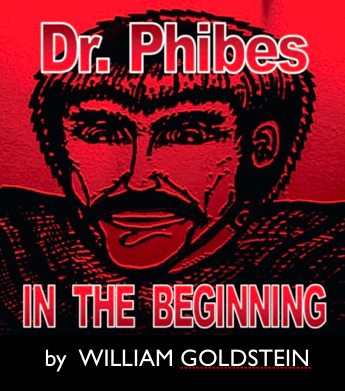
Also: be sure your book cover has the dimensions of a physical book. It shouldn’t look square and squat like this:

And can you see another major mistake? Your cover should not have the word “by” in front of your name.
Instead, your cover should look like this:

So there you have it. Toot your own horn and add value doing so, and you’ll never be an unwelcome guest.

As for covers, if you’re traditionally published, how have you liked yours? How much input did your publisher give you?
If you’re self-published, what have you done to get good covers for your books? What did it cost you?