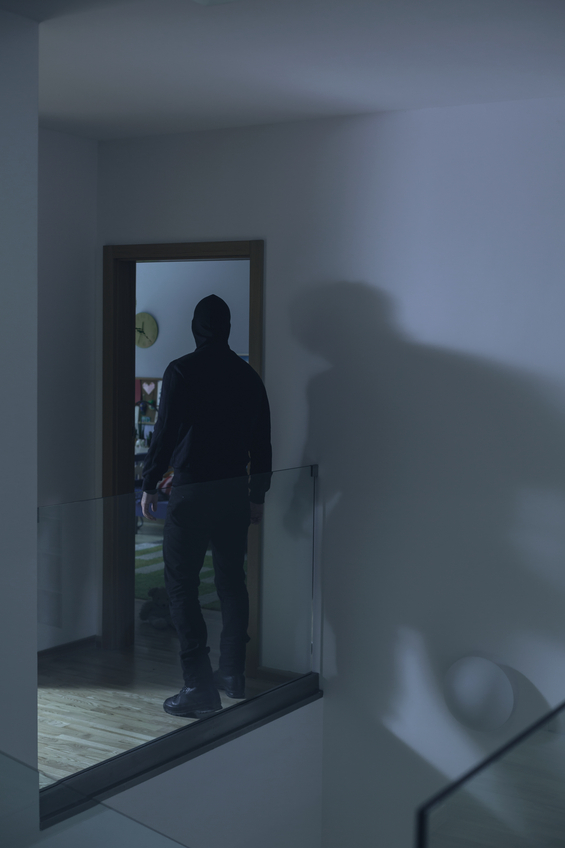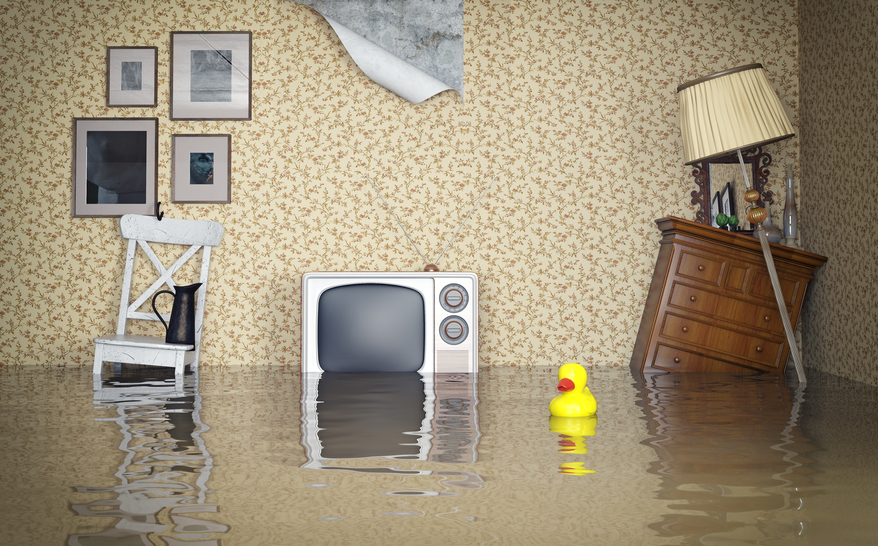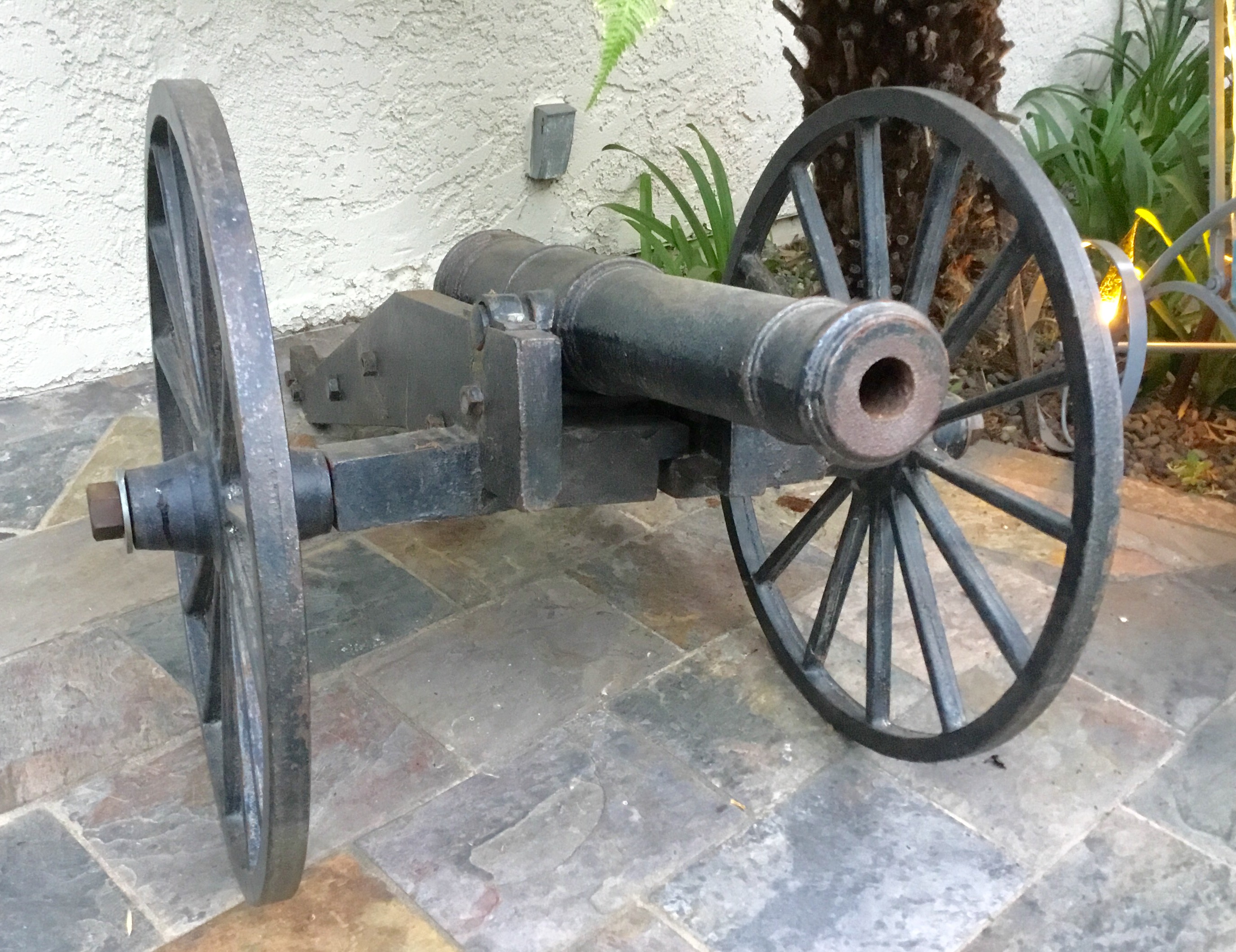
The great advantage of being a writer is that you can spy on people. You’re there, listening to every word, but part of you is observing. Everything is useful to a writer, you see – every scrap, even the longest and most boring of luncheon parties.– Graham Greene
By PJ Parrish
Friday, I tried to push the boulder back up the hill again.
You all know the one. James even had a picture of it here last week when he asked us what was the hardest part of writing. It’s that stone on which is engraved CHAPTER ONE. It’s that rock that feels so heavy and looms so large that you are sure it will roll back and crush you dead before you even get traction.
Especially if you haven’t got a good picture of how your story is going to open.
We talk a lot here at TKZ about crafting a good opening for your book. That it has to be compelling, that it has to grab the reader by the throat, that you can’t do this or that. But I think the single most important decision we all need to make boils down to one question:
What is the optimum moment to enter the story door? What is the best angle of approach?
I struggle with this question every time I start a new book because I’ve learned that for me least, finding this prime entry angle affects the whole trajectory of my story. I keep going back to my metaphor of the astronauts in the movie Apollo 13. The three guys are up in the capsule about to make their harrowing re-entry into the earth’s atmosphere. The guys down in mission control are sweating about finding the right angle of descent. If they come in too fast and deep, they will burn up. If they come in too slow and shallow they will bounce off into the atmosphere.
It’s the same with a book opening, I think. If you come in too hard and fast, you burn up in a blaze of clichéd action and grab-me gimmicks. But if you come in too late and lazy, you lose the reader in backstory and throat-clearing.
So how do you find that right moment?
For me, it always starts with an image. I have to see something in my mind’s eye –- a person who can’t be ignored, a place that has the power to haunt the imagination, a visual that is so compelling that I have to spend 100,000 words explaining it. You often hear writers talk about “seeing” their stories unfold like films. Joyce Carol Oates has said she can’t write the first line until she knows the last. I can’t write one single word until I see the opening of my mind-movie.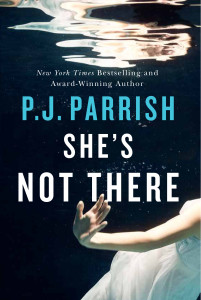
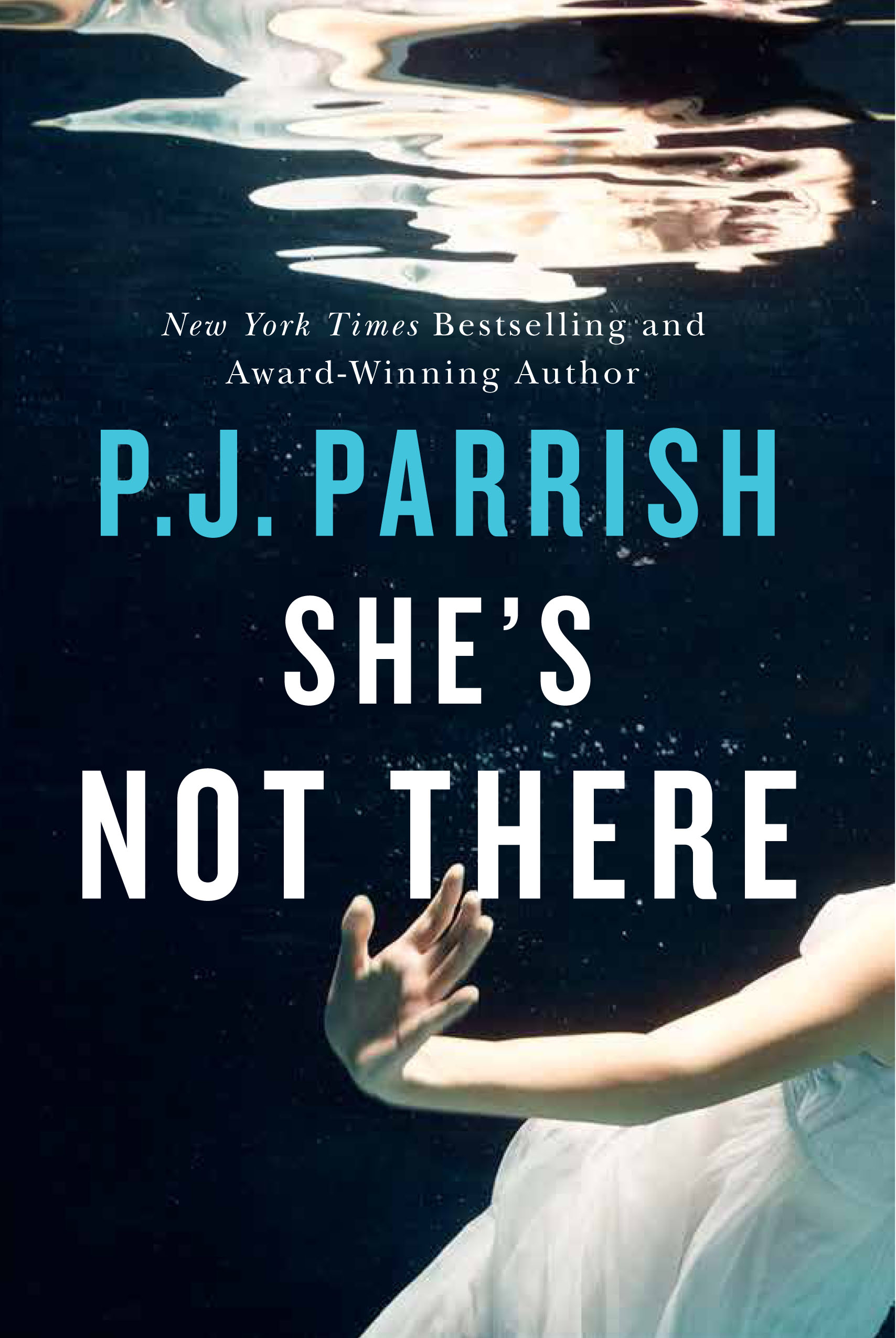
I can trace this process to almost every book my sister and I have written. (I usually get the opening chapter duties after we have talked things over). For our newest book, She’s Not There, the seminal image came from a vivid childhood memory of when I almost drowned at a Michigan lake one summer. I walked out into a lake, the sand gave way under my feet and I felt myself sinking slowly downward in the water until someone yanked me out by the hair. Here is the opening of our book:
She was floating inside a blue-green bubble. It felt cool and peaceful and she could taste salt on her lips and feel the sting of it in her eyes. Then, suddenly, there was a hard tug on her hair and she was yanked out of the bubble, gasping and crying.
This is our heroine, Amelia, who is coming out of a coma in a hospital, a literal image. But I knew in my bones that once I had that opening paragraph, I had the whole book, because it is a metaphor for the story’s theme about getting a second chance to live after you’ve lost your way.
Kelly and I take a lot of photographs for our locations and return to them for inspiration as the stories unfold. Other images that inspired our books:
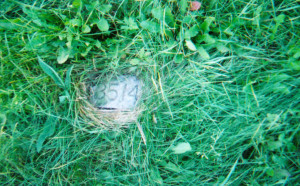
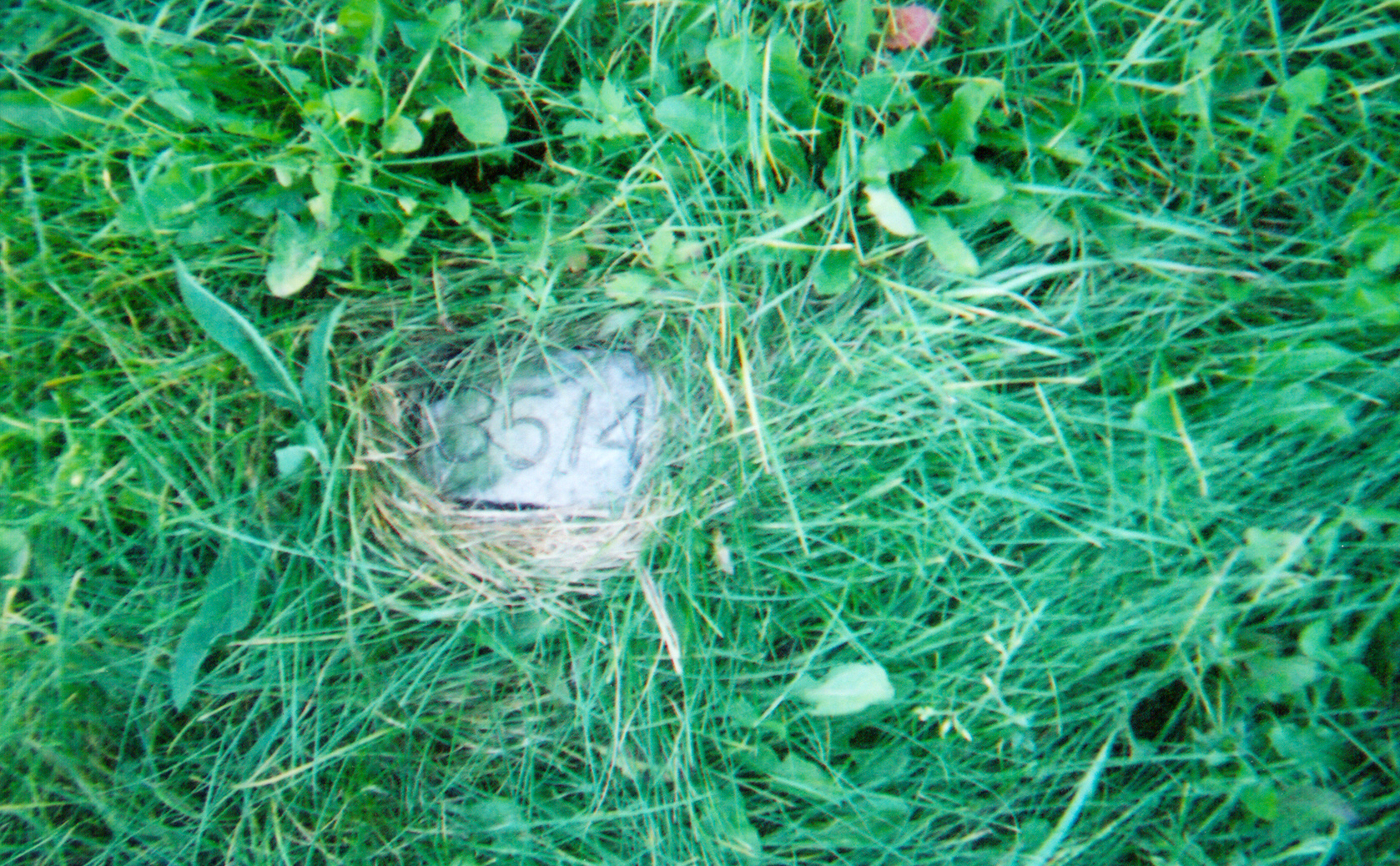
A potter’s field cemetery in an abandoned asylum outside Detroit, where we found that the old stone markers of the dead inmates (above) had only numbers and had been lost in the weeds. This became An Unquiet Grave.
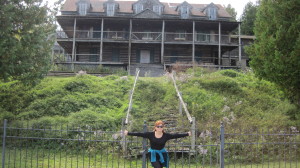
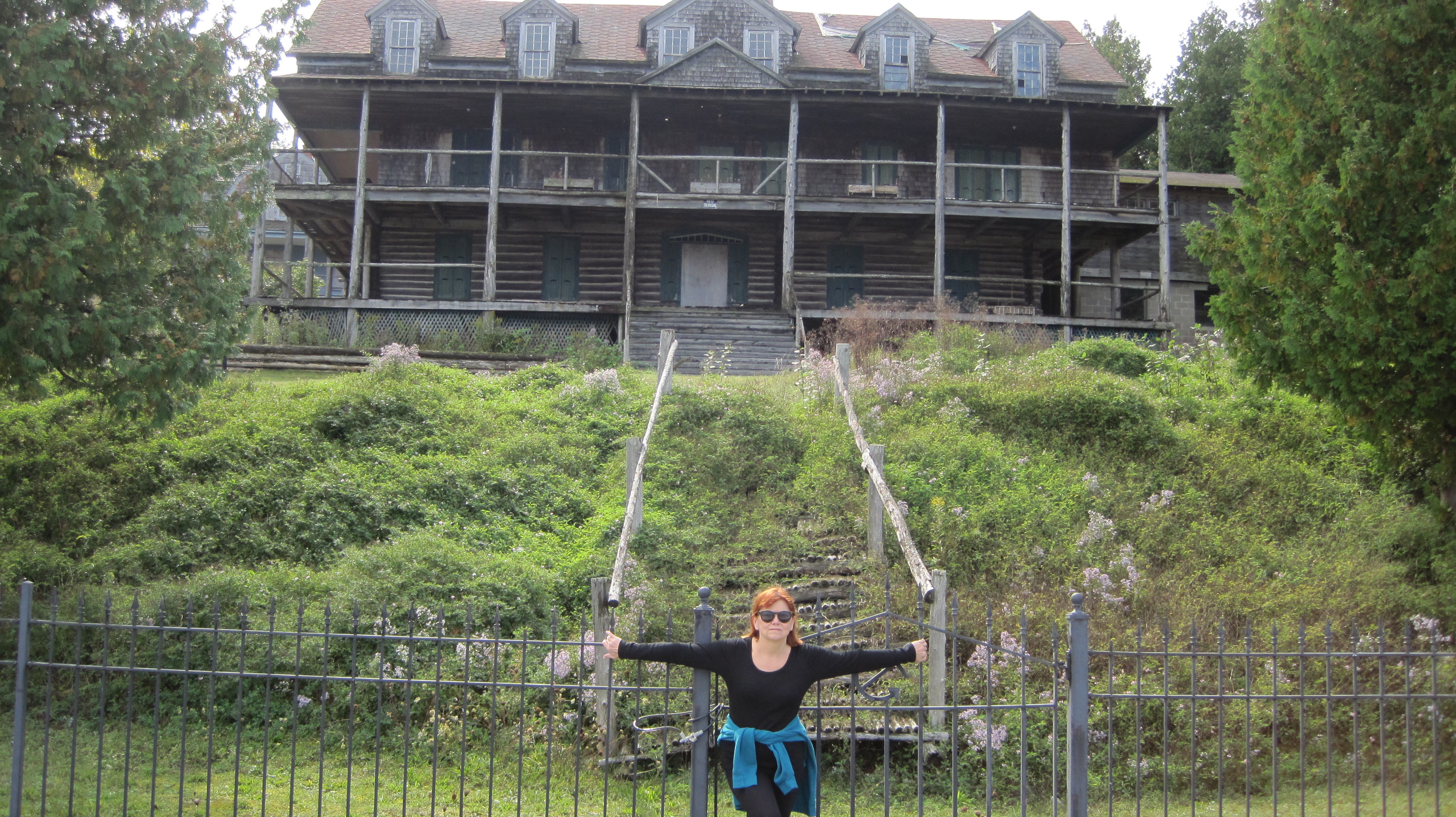
This abandoned hunting lodge (left) on Mackinac Island in Michigan. Once Kelly and I saw it, the whole plot of Heart of Ice began to reveal itself.
The odd juxtaposition of a swampy stand of dead trees glimpsed from the road outside Philadelphia, Mississippi, and a nearby old white pillared mansion. This inspired Dark of the Moon.
Sitting in Paris’s Sainte-Chapelle in December, listening to Vivaldi’s “Four Seasons,” feeling so cold that my teeth chattered like bones, watching a cellist who looked so bored that he wanted to kill someone. Which he did in The Killing Song’s first chapter.
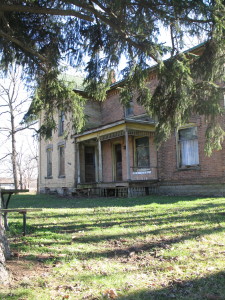
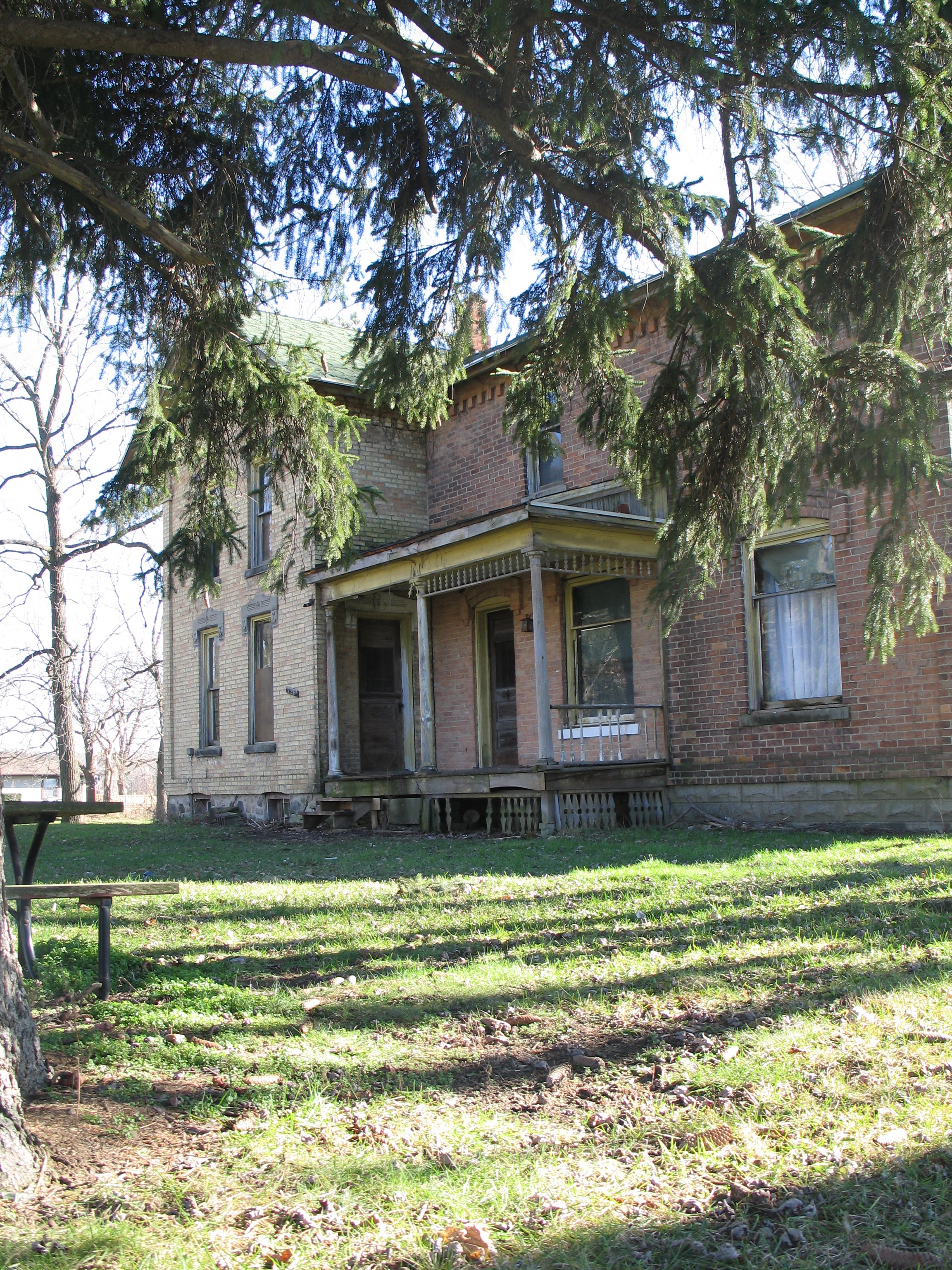
This creepy old farmhouse near Lansing MI inspired this opening for South of Hell:
It was just south of Hell, but if you missed the road going in you ended up down in Bliss. And then there was nothing to do but go back to Hell and start over again. That’s what the kid pumping gas at the Texaco had told her, at least. Since she had not been here for a very long time, she had to trust him, because she had no memory of her old home anymore.
I feel so strongly about the power of a picture in your imagination that I use this in our writing workshops. Kelly and I have found that one of the biggest hangups for beginning writers is getting over the paralysis of finding the perfect opening. Maybe it’s because it’s been drilled into their heads that they have to come out of the gate at full gallop or no agent or editor will ever buy their books. Or maybe they get intimidated by the “rules” that preach suspense is all about adrenaline. Whatever the reason, they get all constipated and can’t make a decision about when is the right moment to start their narrative journeys.
So we give them pictures and five minutes to write the opening of a story using it. The purpose of the exercise is to get them un-stuck but it is also to force them to tap into their powers of observation. Forced to focus on one photograph, they turn up the volume on their receivers, extend their sensory antennae. They become, in the words of Graham Greene, better spies on the human experience.
The results are always amazing. Freed from the tyranny of their WIPs and under deadline to write something, they lock on an aspect of the image that moves them. And they always come up with really good stuff. Afterwards, when we read them aloud, I see something change in their expressions, like they realize they do, indeed, have that spark inside them.
In college, I was an art major and I always struggled because I was hung up on making everything look…perfect. Even my attempts to be “modern” were perfect and thus lifeless. Then one of my teachers had us do blind contour drawing. We had to keep our eyes on the subject, never look at the sketch pad, and draw slowly and continuously without lifting the pencil. I was shocked at how good my drawing was. Psychologists call this right brain thinking. Picasso nailed it in one quote:
It takes a very long time to become young.
The idea being, of course, kids know instinctively how to create. We adults…well, the spark fades and most of us live in our left lobes, never finding the synapse that lights the way back across.
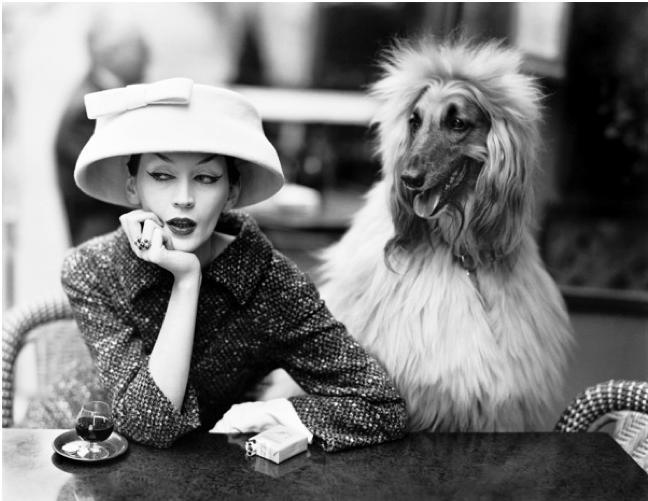
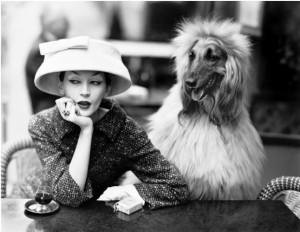
I just got back from a month in France. I didn’t write a word. I had been trying hard to begin this new book and I was bone dry and defeated. So I rested and read good books by other writers. And I took photographs. I have a thing about taking photos of people in cafes, especially old ladies with dogs, which is a human sub-species in France. When I got home, while I was going through my pictures, I happened upon one and sat down and wrote an opening about it. It was pretty darn good. It won’t make it into the new book (maybe it’s a short story?) but it got my right brain buzzing again. I started thinking about the new book again, not with dread but with anticipation. I even got this picture in my head…
But that’s another story.
EXERCISE TIME!
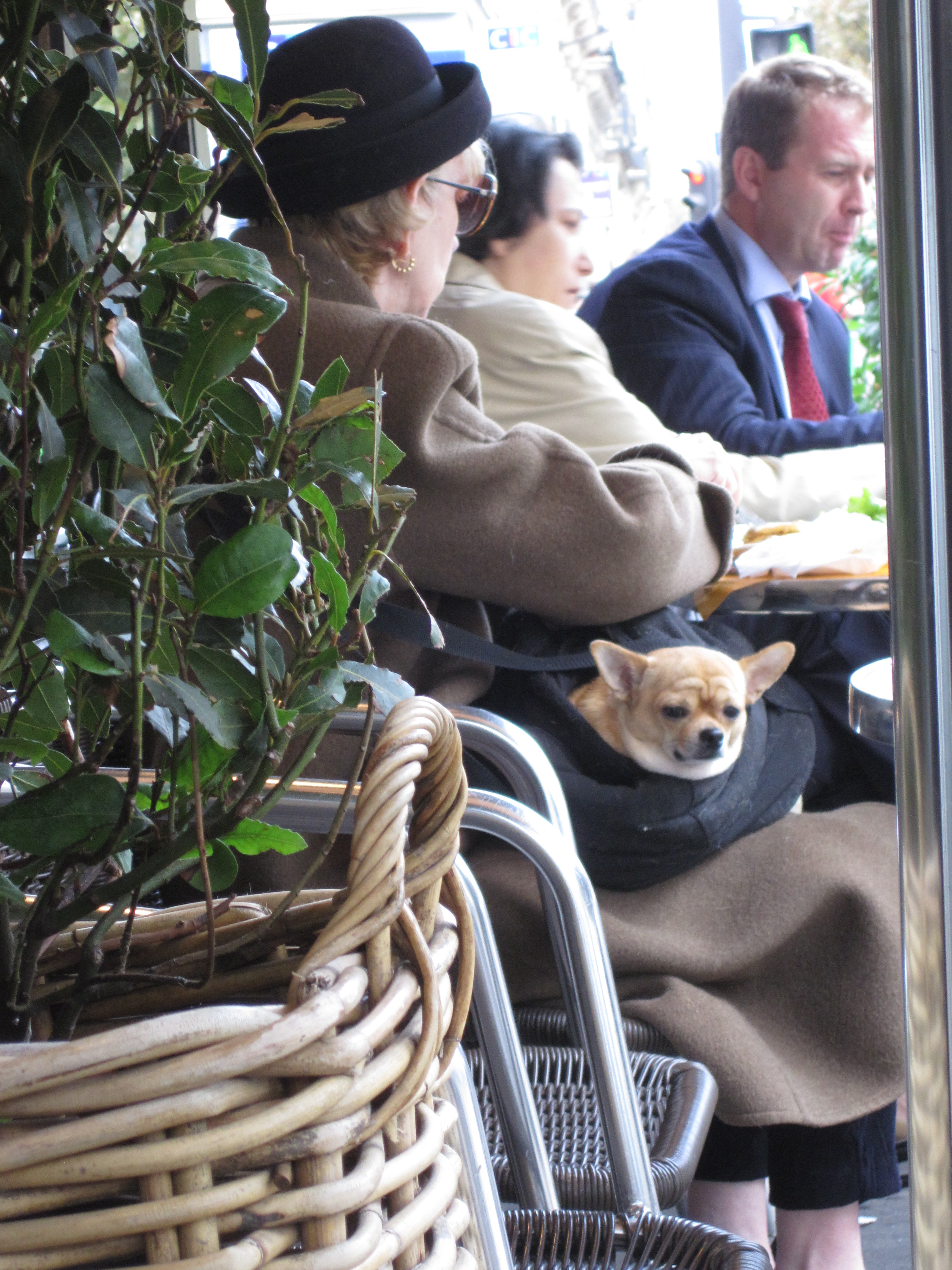
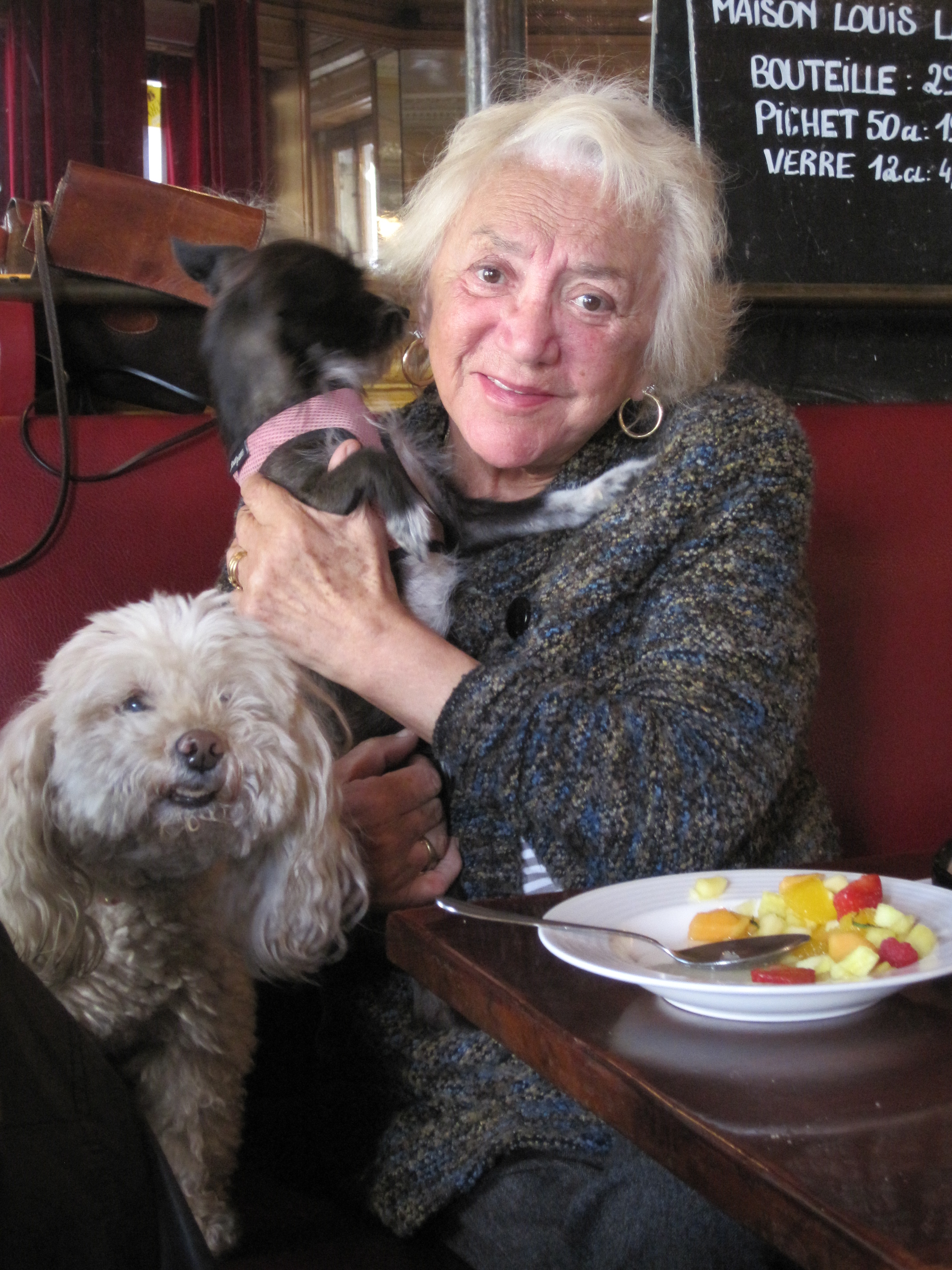
Just for fun, while writing this post, I sent two of my old French lady photographs to some writer friends and asked them to choose a photograph and write an opening. Thanks guys! Here are the results: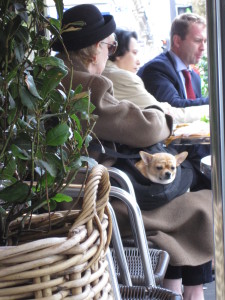
The old woman watched the young man cross the plaza towards her. He looked very French — cream colored neck scarf, black blazer, black coiled hair, black jeans, his jaw brushed with just enough of a beard to give the impression he’d spent the last three days in bed with a woman. If she had known how beautiful he would grow up to be, how much he would one day resemble his father, she would not have given him away thirty years ago. — my sister and co-author Kelly
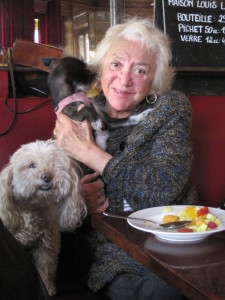
They’re all I have now that Jacques is gone. I think they miss him as much as I do, but we persevere. At least I know why it happened. Dogs, they do not understand. — SJ Rozan.
The old woman came to the cafe every morning promptly at nine. She always had the morning newspaper in her right hand, and a blue bag with her small dog in it over her left shoulder. She walked in, spread the paper out on the table, and placed the bag containing the dog on the chair next to her– always the one on the right. The dog never barked, never growled, and never bothered anyone. Her order rarely varied: always a cup of black coffee, sometimes orange juice as well, with a toasted muffin with strawberry jelly, please, and a pat of butter — but she never failed to order a side of bacon for the dog, whose name was Pierre. She would feed him the bacon, cooing his name and gently scratching him behind the ears. Once the bacon was gone, Pierre would curl up inside his carrier and go to sleep while she enjoyed her newspaper and sipped her coffee, tearing the muffin to small pieces. She smelled of lilacs, always left a five dollar tip, and was always gone by ten.— Greg Herren
What an ugly fucking dog, I thought, and even more unhappy than ugly. I wondered how it felt to be shoved into the old lady’s purse like that, like a spare Euro or used tissues as she shoved foie gras down her pie hole. I don’t know, maybe I was reading into it. I probably was. Wouldn’t be the first time. I was the unhappy one. Maybe the dog was Zen about it all, the foie gras eating and the bag. Like I said, I don’t know. But I couldn’t help hoping the dog would leave a present in the old lady’s purse. – Reed Farrel Coleman
What I found revealing about this exercise is that in each example you can hear the unique voice of each writer. Kelly loves to focus on lost relationships. SJ Rozan’s is just like her books, as lean but emotion-laden as a haiku. Greg’s reflects the same gentleness and attention to detail as his books. And Reed’s — well, if you have read his Moe Prager series, or his new bestselling Robert B. Parker Jesse Stone books, you’ve hear the same gritty authority at work.
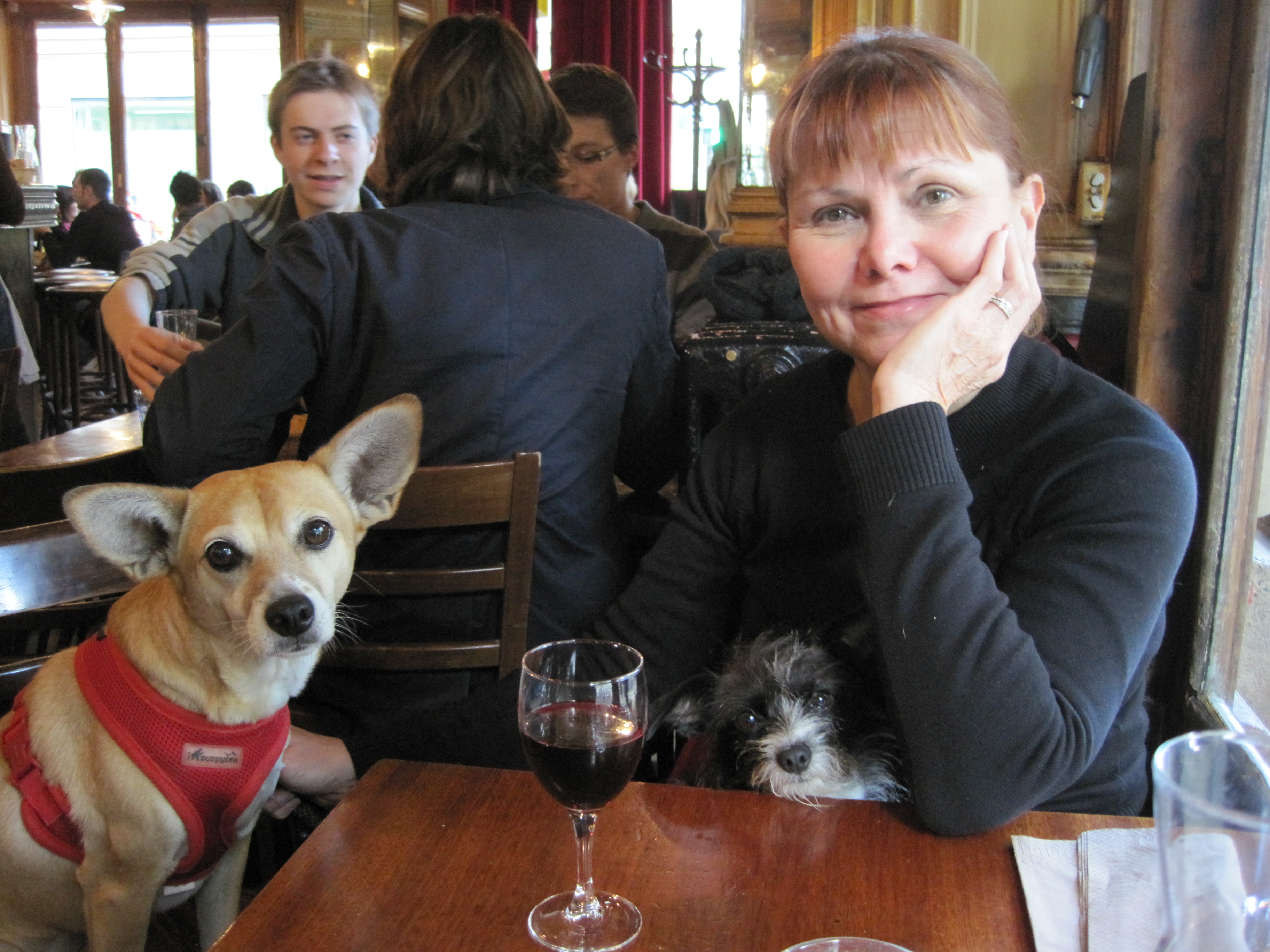
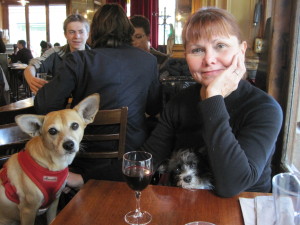
Just for fun, go ahead and take your turn. Pick one of the lady pictures and write an opening. Don’t over-think it. Don’t take too long. You might surprise yourself. And if you’ll let me, here is one more picture of an old lady and her dogs in a cafe. (My husband took this one…) A bientôt, mes amis.

 By Kathryn Lilley