John Ramsey Miller
We all have our favorite locations––places in our hearts that we put to the pen. Places change. Some locations change subtly or dramatically. I wrote New Orleans, a place that changed at a snail’s pace when it did, until Katrina decimated her down to the ancient bones. The city is coming back at a snail’s pace, and it will never be the same as I remember it.
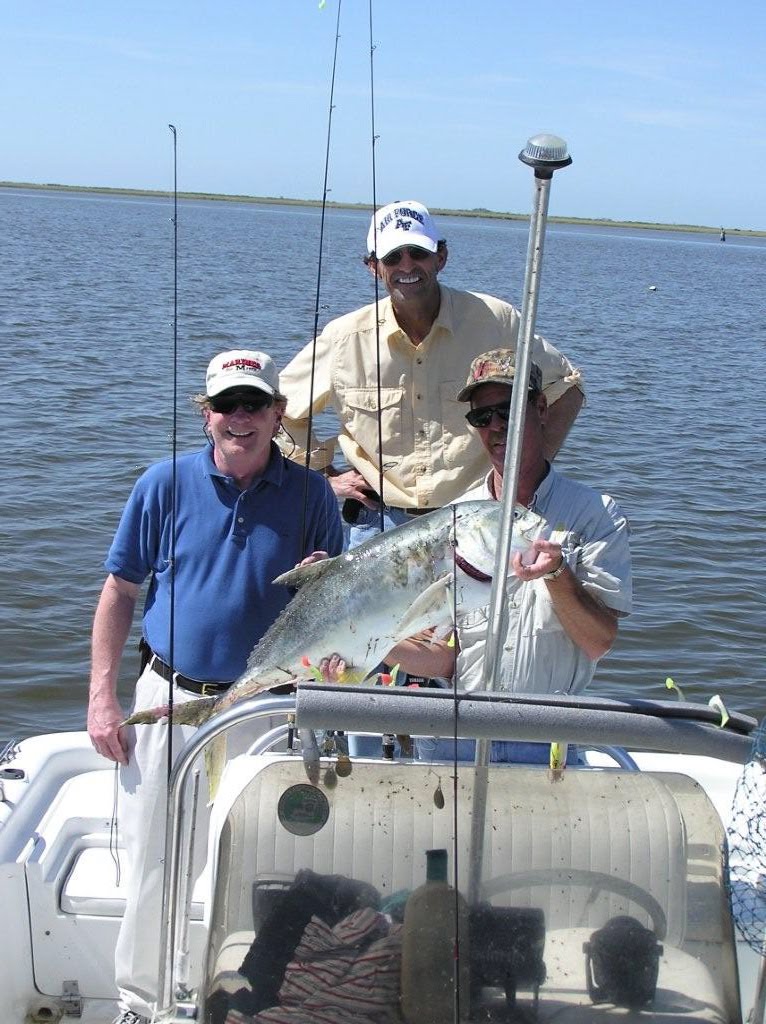
For the past many several years I have fished almost exclusively for Redfish and Speckled Trout in the brackish inlets and marshes south of Houma, Louisiana. My friends and I stay at a cabin in Falgout Marina, and we fish the lakes, marshes and often around several of the oil rigs ten miles out in the Gulf with Captain George Landry. Landry has spent his life hunting and fishing those waters and he knows the lakes and marshes better than any pelican does. What we are seeing on TV–the weeds covered with oil––are rich fishing grounds populated with marine life as well as a huge variety of wildlife. During their mating season, I have seen flocks of Pelicans–huge clouds of thousands of them sailing in loose formation, falling and dipping up shrimp, small trout and then taking to the skies again to sail like kites. Alligators, bottle-nose dolphins, hawks, egrets, gulls, deer, rabbits, crabs, shrimp …the list is endless. When I see the reeds covered in oil, I think of the times I’ve watched those reeds move as huge Redfish cut through them chasing dinner. I hate what has happened to those grounds, but the truth is we have been heading toward destruction of those wetlands for decades as salt water incursion has been killing off those wonderful natural places thanks in large part to oil exploration, conservationists being relegated to “on the corner with a bullhorn” status, and Louisiana’s unmolested political and big oil corruption, lack of funds or the politicians’ true desire to do anything to save them. It was because of the ongoing destruction of the wetlands that Hurricane Katrina and Rita did so much damage, since the shrinking wetlands act as a natural buffer against those kinds of disasters.
So, I am buying BP gasoline almost exclusively because I want them to stay solvent enough to be able to pay the billions to fix what they have helped destroy. Not to reward them for getting caught doing what most oil companies do without the same degree of unfortunate results. The truth is that none of the oil companies have cleaner hands than any of the others and neither do we. The oil companies have NEVER cared about what they destroy to get to the oil we demand to run our cars, tractors, motorcycles, lawnmowers.
I may never get to fish Sister Lake, Lake Mechant, or Lost Lake again and that saddens me immensely, but I am sadder for the generations who will never enjoy those places as I have, and never marvel at the pelicans filling the skies, the dolphins flanking our boat as we skim the flat water with the wind in our faces and the smell of salt water in our nostrils.
I am sick at heart for the thousands of people who make their livings from the renewable bounty of the marshes and lakes, all of the people who love the seafood that comes from those places, the fish and animals who will perish, and for all that is being lost and will never be the same. I have little faith that the oil will ever be completely cleaned up, because government and industry and the rest of us have such short attention spans, and words of promise do not always translate in effective action. I cannot believe that the oil can be cleaned up. Our ability to screw up beyond the bounds of science to fix those things is growing exponentially. I suspect the oil will be there poisoning everything it can get to for decades, and I predict that the next big disaster will take our eyes off the oily creatures, the dying lakes and marshes. Beaches with tar balls by the millions, lost jobs from a lack of tourists… Oysters, shrimp, crabs and the fish we harvest for our tables will likely be produced in Chinese ponds, and the drilling will go on…
History proves that we can adapt and move on, accepting loss here for gain there…
I have used this place as a setting in several of my novels because it is an enchanting, fertile, amazingly beautiful, complex, delicate and mysterious. It is now lost to the past, but burned indelibly into my imagination. I suppose I will keep using what it was to me in my novels, and I don’t want to add what it is now to that memory.