The Bi-Weekly Report From Rabbit Burn


John Ramsey Miller

As I’ve written here, I’m probably going to try my hand at going straight to eBook with my next novel. I’ve been dragging my feet for a year or so, tinkering with two manuscripts, and thinking about what I want to do going forward. Since I have no publisher on the hook for this closest one, I had no editor to guide me. I need a heavy handed editor to tell me what I should already know and point to where I should know to go. I have been told on numerous occasions my talent is of the raw variety and can be lacking in the focus department. I have heard it over and over from the best editors in the business—and I’ve worked with the best. So I found a veteran editor who left NYC for the wilds of Ohio and who is raising a family instead of a brood of needy authors. So I have ten pages of notes in a chapter-by-chapter dissection. Great stuff, and I’ve got a hearty rewrite in my near future.

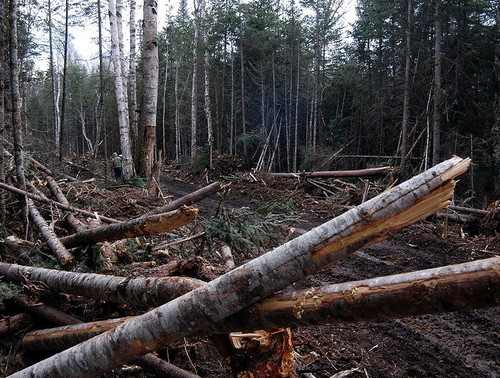
For the past two weeks I’ve been clearing a couple dozen trees—cutting them down, sectioning the trunks, splitting them, dragging the limbs into the pasture behind my four-wheeler, and stacking the wood to burn this winter. I’ve got central heat, but we like the wood-burning stove. I’m actually cutting the trees to make a yard in the ex-woods for the grandkids. I’ll build a fort, move the trampoline over and have a place kids will enjoy. My grandson has been here for three weeks. I work and he collects lizards and bugs in jars. Every night we release his catch so they can go home to their mamas. Weather has been wonderful.
Cool.
Bright
Clear.

I have not been writing, and that’s the thing I’m writing about.
I’ve been living life and thinking about writing as I go through the days.
Doesn’t matter at the present, but it might tomorrow.

I turned 62 last week.
Didn’t hurt a bit.
Didn’t mind it.

Next week I’m going to talk with my editor and start a long overdue rewrite. Then we’ll see.
I’ll keep you posted.

On the road

On my way back and still not really online until I touch down back in Oz. I had forgotten just how long it took to travel from Melbourne to New York so I am steeling myself for the three flights needed to get home. It took us about a day and a half of travel to get here! Good news was that my agent was really optimistic and upbeat about the way the publishing industry is headed and my speech at our friend’s wedding anniversary went well.
Will update you all more next week.
Now back to packing and preparing myself for the horror that is flying these days!
Clare

– Posted using BlogPress from my iPad

FISHING FOR READERS: It’s all about the Hook

By: Kathleen Pickering  http://www.kathleenpickering.com

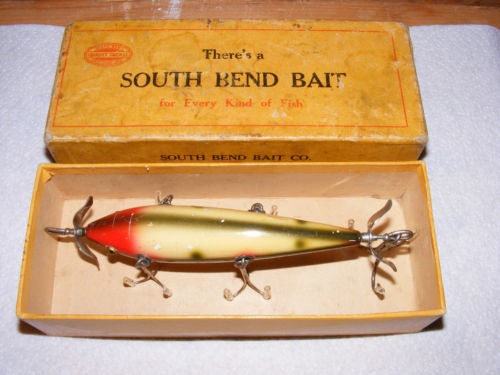
Some hooks look like this: 
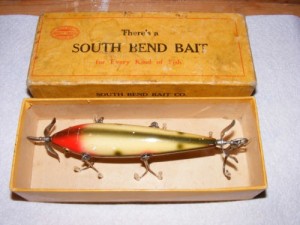
fishing tackle 

Other hooks look like this:

– I bared my balconet-supported breasts on the grocery line to see if they matched the bosoms the gossip magazine hanging on the rack featured as mine.

– Stella broke his arm with a thought; the sickening snap thrilling her like a deep, wet kiss.

– Leaning forward in their chairs for his next answer, the audience remained clueless to the fact that Rodger Heller no longer stood before them. (Future hooks by Kathleen Pickering)
Fishing tackle 2Not just for fishing any more, hooks are considered the number one lure for catching readers.

Your first line—your highly polished bait–attracts readers and gets them to bite again and again, turning pages and creating fans.
imagefishing tackle7

While ancient fishing tackle and cave paintings suited small communities and worked for plying waters close to shore, today’s audiences are huge and are easily distracted by flashing media and super-speed technology. Today’s hooks, although still the ultimate writer-tackle of choice, must be sharper than ever.

Hooks–so many types! Of the various suggested techniques, I’ve listed my five favorite hooks below.

1. Three-Pronged Hook. This is a wonderful approach using three sentences to pull the reader deeper into the story.

Here are three, expertly crafted Three-Pronged Hooks:

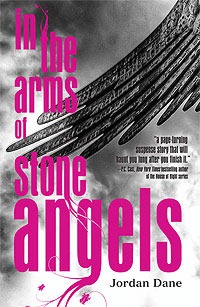
“I sleep with the dead. I don’t remember the first time I did it and try not to think about why. It’s just something I do.”  (In the Arms of Stone Angels, by Jordan Dane)
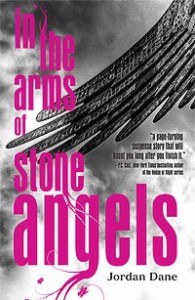
fishingtackleA

Or:

“Two Whom It May Concern: My name is Wilfred Leland James and this is my confession. In June of 1922 I murdered my wife, Arlette Christina Winters James, and hid her body by tupping it down an old well. My son, Henry Freeman James aided me in this crime, although at 14 he was not responsible; I cozened him into it, playing upon his fears and beating down his quite normal objections over a period of 2 months.” (Full Dark, No Stars by Stephen King)

fishingtackleB

Or:

“The boy stood naked in the middle of the road. Sam Hall’s headlights caught him there, frozen in position, like a deer. He was covered in something slick and it dripped down his flesh.”  (The Evil Inside, by Heather Graham)
fishingtackleC

Makes you want to read more, yes? You’ll also see that expertly composed hooks manage to combine techniques to create a masterful atmosphere. With hooks created by the guest authors I’ve featured here today, if readers were fish, they’d be jumping into the boat.

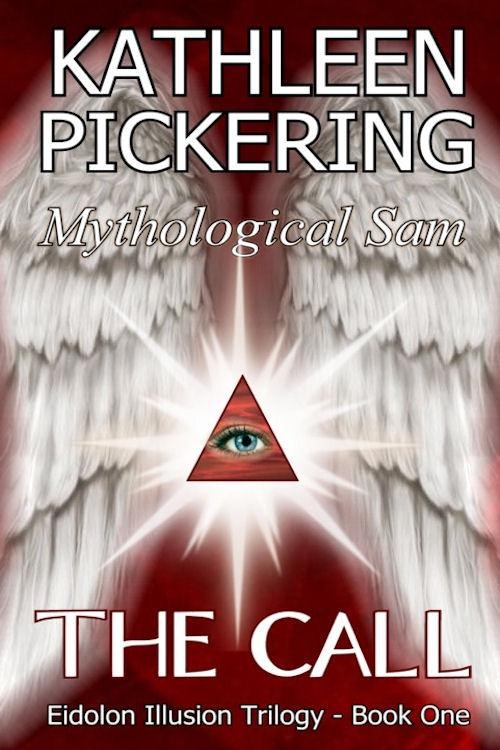
2. Startle Hooks. These hooks capture audiences quickly because the readers can’t quite believe what they’ve just read (like those hooks above). Folks will keep reading to discover what is really going on. Another example, and shameless plug, is in Mythological Sam-The Call, where Sam Wilson starts the first chapter with a surreal visual:

"I steer around the bend and my breath catches in my throat. A hideous, mythological hydra suspends across the bay, clawing each shore with twin, snarling heads straining towards the sky." (Mythological Sam-The Call by Kathleen Pickering.
fishingtackleD

Couldn’t help but include myself here, especially in such good company, but  I hope you’ll agree that no normal dude driving along the road is going to see a snarling, mythological beast where a bridge is supposed to be. I’d like to think the startle factor will keep the audience reading to learn what’s really happening.

3. Describe a personality and elicit emotion.  See how a master handles this one:

“Myron lay sprawled next to a knee-knockingly gorgeous brunette clad only in a Class-B-felony bikini, a tropical drink sans umbrella in one hand, the aqua clear Caribbean water lapping at his feet, the sand a dazzling white powder, the sky a pure blue that could only be God’s blank canvas, the sun as soothing and rich as a Swedish masseur with a snifter of cognac, and he was intensely miserable.” (The Final Detail, by Harlan Coben).
fishingtackleE

Superbly done. (Applauding from my chair!) This hook flashes Myron as a law enforcer of high caliber who knows danger, attracts sexy women, lives life like a hedonist and is bored out of his gourd, eliciting both envy and concern from the reader over a intriguing personality. All done in one sentence. Amazing.

4. Establish a Setting. Mr. Coben also combines setting into the above hook, so I will cite the same quote. While establishing a setting is a gentler hook, when professionally cast as Coben has done, the results reel readers in hook, line and sinker. (I just know you were waiting for me to use that cliché!)

5. Introduce the Main Character. This hook is most effective when working with character driven plots, especially if the author is establishing a series with a particular character. Here, F. Paul Wilson’s character, Repairman Jack, has developed a cult-like following by portraying a darkly dangerous Jack with a quirky yet endearing, under-the-radar life style.

"Jack looked around the front room of his apartment and figured he was either going to have to move to a bigger place, or stop buying stuff. He had nowhere to put his new Daddy Warbucks lamp." (Conspiracies – Repairman Jack Series, by F. Paul Wilson)
fishingtackleF

Paul told me Repairman Jack was only supposed to be a few books. Instead, Jack’s huge success spawned fifteen Repairman Jack novels. Paul recently released a Repairman Jack young adult series to explain Jack’s formative years. Yes, indeed. Dr. Wilson must own a pretty snazzy tackle box to hook such a huge fan base.

So of the various techniques for creating hooks, including use of dialogue, and introducing conflict and/or problems, these are my top five picks. What are your hooks of choice? Feel free to give examples. I’ll check back later because I’m off to bait another hook. I’m going deep sea fishing, this time!

The Zombification of Miller


John Ramsey Miller

I’ve been reading a lot of Zombie books lately, and I’m not truly remorseful. A guilty pleasure. There are so many, and so many authors writing in that horror sub-genre write great books indeed. Damn it, people just like Zombie hoards. It seems to me that before NIGHT OF THE LIVING DEAD, Zombies were unfortunate people brought back to life by a Voodooie priest to become a slave of some sort. Usually there was a secretish herby drug involved that accomplished this and (supposedly) there have been actual cases of Caribbean-based people who were once dead, and had no memory of their prior existence. Whatever. But the point is (as far as I know) they didn’t spend their time above ground, looking to eat flesh and brains until John Carpenter’s low-budget Chittlin’ yard party outside the old farmhouse near Pittsburgh.

James Scott Bell’s Zombie lawyer, Mallory, breaks the mold, and it’s an hilarious book. A Vampire’s trial held at night is a hoot I know he thought his book through, and made his zombie more realistic than most authors writing about Zombies. But his book is comedy and not horror so much.

Each Zombie book, like the Vampire ones, is different but shares certain similarities. There are lots and lots, but I’ll list a few.

1) Some sort of virus (celestial based or scientific experiment gone bad) gives the dead their locomotion fuel

2) The physical sharing Zombie Juice, or the airborne Zumbo-dust that covers the world, makes you become one upon dying

3) Being Zombified cuts IQ toward single digits. They can move around mostly in a shuffle, but can’t open doors, or use ladders, although steps are not a problem.

In some of these books Zombies learn tricks like opening doors and even setting up ambushes.

4) only opening the skull and scattering brains stops the things. They can see other Zombies get their brains scattered but (in denial like living people) do not think it can happen to them.

5) They do not respect old relationships and will eat their immediate family as soon as they’ll eat a politician

6) They begin to rot out and decay which adversely affects their appearance and gives them an unpleasant odor

7) They can walk if they have retained their legs, or crawl if legless, but wheelchairs are too complex to operate. If immobile, a zombie head can lie waiting like a rock until an ankle or a finger finds its way into its mouth.

8) All they think about is eating flesh and or brains

9) They have a keen sense of smell, see and hear well above the average living human

10) They often repeat old habits like going home to eat their friends and family, or go to the mall

10) They tend to gang up

11) The children zombies are usually faster moving than the adults

12) They coexist peacefully until preying

So this got me to thinking about how much disbelief I should suspend. I was asking a Chiropractor the other day how if tissue and muscle was rotting normally, how long could a Zombie walk around before critical disconnection and failure of the ability to locomote. If they can “live” just fine for years without eating, why do they go to so much trouble trying to eat something they can’t digest or pass? He said, “None of it is possible.” He wasn’t willing to theorize. I can believe all of it in a well-written story, but I do have questions galore that I often wonder how the writer can deal with. Bodies decay to bones, which are connected by living tissue and not even a reanimated brain can make tissue regenerate.

I think people are so into Zombie books because it appears society could degenerate and the institutions that keep us safe, break down. When anarchy is the norm, the strong will try to subjugate the weaker members of the non-society. I suppose that is a big factor in the surge of popularity. Plus, I think people just like seeing Zombies get it, more than they do ghouls or politicians.

If you want to read two very good series, try Stephen Knight’s GATHERING DEAD series, or Joseph Talluto’s White Flag of the Dead series.

What’s your guilty pleasure in novels?

CONFERENCE NETWORKING: Essential Part of the Writer’s Job

by: Kathleen Pickering  http://www.kathleenpickering.com

I love my job.

I may get a tad over enthusiastic about it, but hey, why not? I mean, how many folks get to climb onto a plane, fly to somewhere with a personality of it’s own, like New Orleans. Stay in the French Quarter in an historic hotel, that may or may not include a ghost with the room. Attend a poetry reading,

nola-7

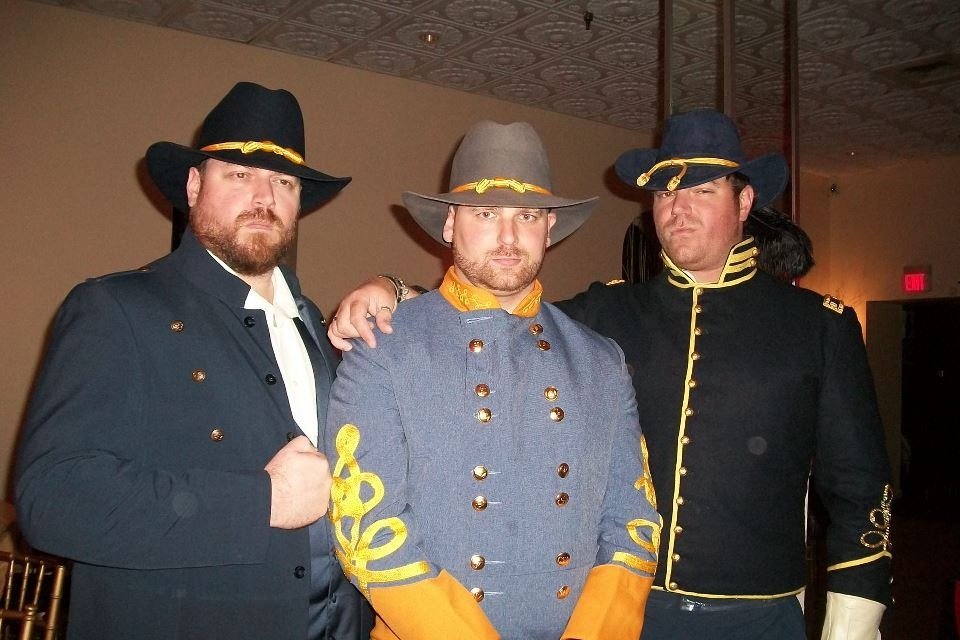
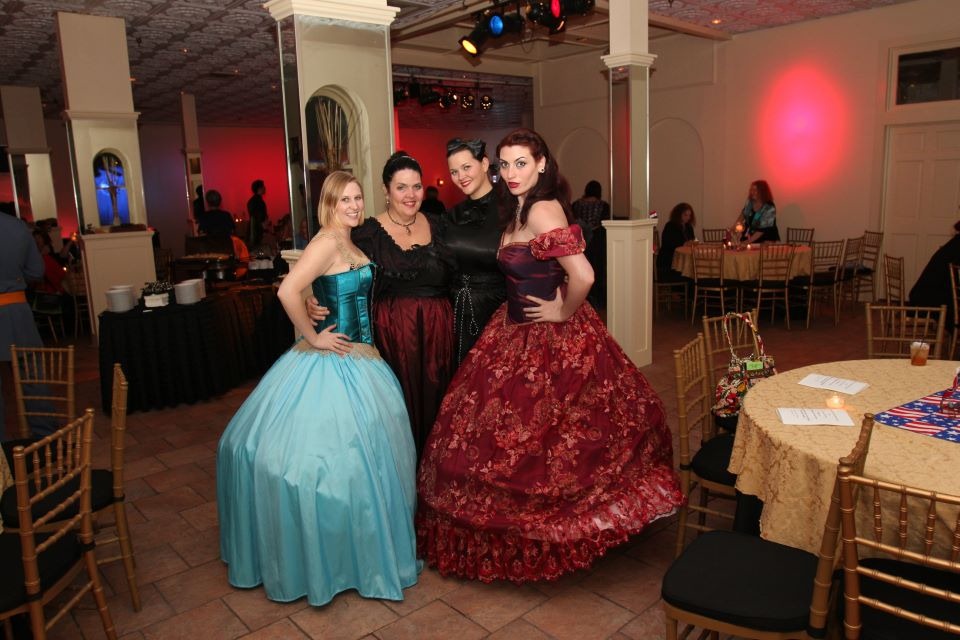
a Civil War era cocktail party,

nola9civilwr22

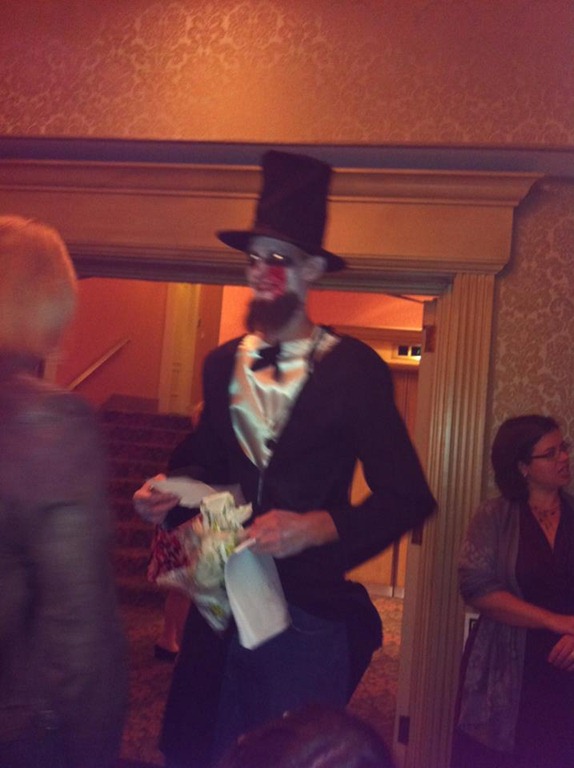
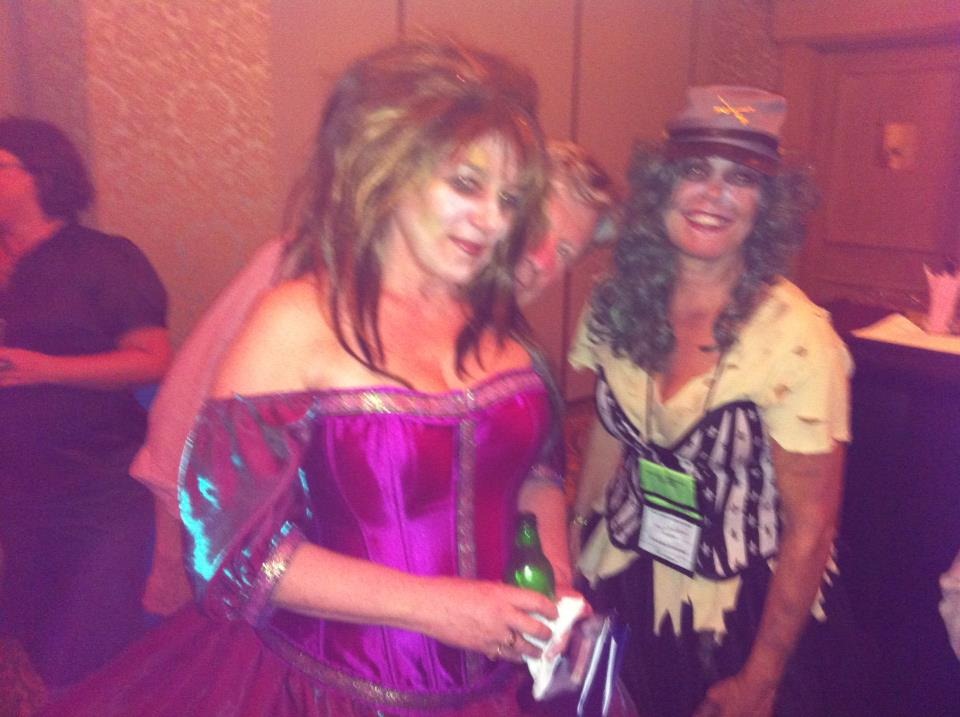
then attend and/or speak on panels about writing the next day until it’s time for the Civil War Zombies for Peace dinner theater that evening—costumes and all?

NOLA-lincolnheather kathy paul

Top that off the next day with an English Tea, a well stocked book signing, a power lunch with a fascinating few where possibilities are hatched for future projects, finished with a romp through a really scary Haunted Mortuary,

nola14 NOLA22

and I’ve worked hard at my craft all weekend.

What? Don’t all writers do this?

Maybe not exactly that, but I have yet to meet a dedicated writer who just sits on his/her duff. For example, there’s Jordan Dane who shoots guns and blow up bombs. (I’d love to be right behind her!) Or, Basil Sands who hosts radio shows and views the world from his perch in Alaska. Or Joe Moore who knows how to infiltrate the Internet-within-the-Internet to retrieve information that no man should see. Or, James Borne who uses his knowledge in law enforcement to enhance his writing.

Writers can’t write unless they experience life and indulge their voracious curiosities. That includes attending conferences to keep one’s finger on the pulse of the industry. Since I’d already landed my current editor and agent from previous conferences, I really didn’t need to pitch anything. Only network. This time I met a producer from Hollywood looking for books to pitch for TV options. Chatted up a ‘sleeper’ work of mine to a boutique publisher and captured his interest. Not bad for leaving an open space to see what might materialize from networking. You never really know what nugget of success you’ll find, but the bottom line is: unless you attend you won’t know.

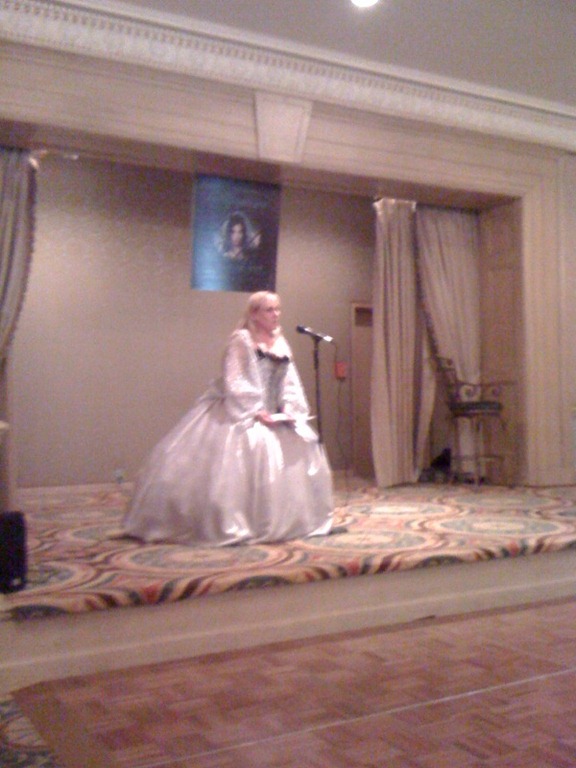
The weekend I described above was spent at Heather Graham’s Sixth Annual Writers for New Orleans Workshop. Heather began this tradition intending to help infuse the local New Orleans economy after Hurricane Katrina. What she didn’t expect was to develop what is now a six year tradition of bringing writers together from as far away as Australia into a pool of enthusiastic camaraderie, information gathering, and creative inspiration. Despite her lack of sleep, one of our cohorts was so inspired, that she began writing her next book on the flight home. Each year in New Orleans gets better and better.

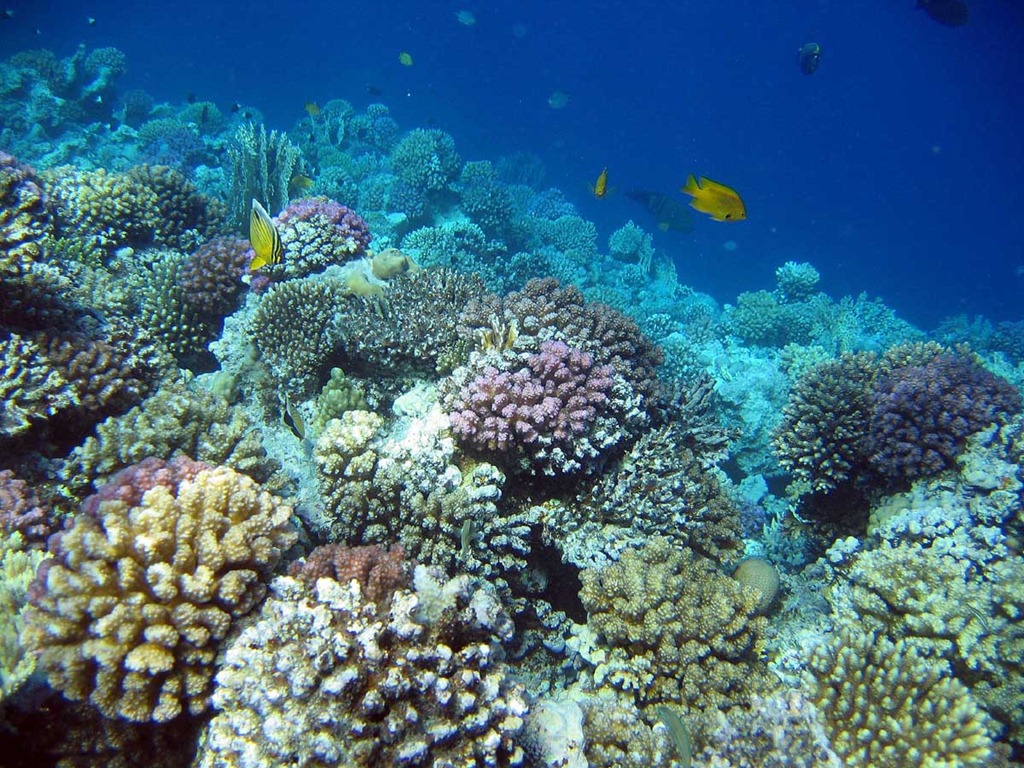
Heather’s workshop is only one example. I’ve mentioned before how critical networking is for a writer’s career, especially now. The age of communication and technology demands we put ourselves into the current. coral-24It’s like the writing industry is this huge ocean reef, with our little coral tentacles waving in the current for sustenance. If you’re not waving, you miss the juicy bits. Me? I’m waving with both hands and feet! After all, this is my career, we’re talking about. Research. Writing. Riding the Conference Current. It’s all part of the job.

If I couldn’t physically be present at conferences, I’d have to find another avenue, like YouTube. But, quite honestly, I don’t think anything works better than being there. The flow of energy alone from all that talent in one place is worth attending.

So, my author friends . . . do you ride the conference current? What’s your focus, and what are your goals when you do?

I CAN’T TEACH YOU TO BECOME A PUBLISHED AUTHOR.

John Ramsey Miller

Once, just before THE LAST FAMILY was released, I mentioned to my editor that I was thinking about taking a creative writing class at a local university. I had never taken a writing course in college–never graduated. She told me not to let any teacher tamper with the way I write. She said that they had nothing they can teach me without messing with what came to me naturally. She referred to my ability as a gift. She said nobody should trade what comes naturally by learning what others think you should pay attention to. I didn’t take the course. In fact I’ve never taken a writing course, or an English class after graduating high school. I am not an academic, never have been and never will be. Nothing bores me quite so much as formal learning.

I guess if I were operating in the art world I’d be what they call a primitive. In high school I was terrible in English classes, couldn’t diagram a sentence, and confused adjectives and adverbs. As a writer, I’ve been called a natural, but I’m not impressed with me because I’ve always operated at half speed and in my comfort zone. It comes easy for me, the writing thing. I’ve been told many times that were I more competitive and aggressive and a self-promoter I would be far more successful. I am what I am, what I have become based on my personality and experience, and I’m comfortable with it. I have two million books in print, and I enjoy telling the stories I tell, and it’s never been about the money or the prestige or anything but enjoying myself and making people forget their lives for a few pages at a time.

I cannot teach others how to write, or how to become published authors. I did it the way I did it and I don’t think my way could be repeated by anyone else. Had I known what the odds were, I might have done something else. I was lucky in how the cards hit the table. I met the right people when I was ready and all of the stars lined up in a certain way…

I think this the struggle is different for everybody because everybody has different strengths and weaknesses. There is no right way or wrong way to tell a story that is teachable. Either you can write or you can’t. Either you can tell a story or you can’t. I write the only way I know how to write. I write the way I talk.

I don’t think I have anything to tell anybody that will make a difference in their careers. I wish I did. All I can tell anybody is that if you know you know that you have it, go for it. Show us. Work hard, think harder. I never thought for one minute that I would fail, it just never occurred to me that becoming a published author was not probable. It just fit me. I truly believe I was born to it, that I was meant to do it. I never doubted myself. I just always knew. I never saw myself as a best selling author, but I saw myself as a successful author.

Now I have contracted with an editor, because I am an author who needs a good editor to make me a better writer. I’m going to publish my own books as ebooks. I’m going to be a movie that goes straight to DVD, and I’m going to work even harder than I have before, because I don’t have a major house to give me a feeling of security. I’m going to have to be my own marketing department. I don’t know how things will work out, but I don’t doubt for a minute that I will be successful. I’ve always been successful at doing what I love doing. I know it’s the stories, the characters, and I truly believe my books will be better than ever and I’ll be able to tell the stories I want to tell, and that my audience will appreciate my work more because it will be what I want to say the way I want to say it. I can experiment. I’ll keep you posted. I’m truly becoming excited and that is something I haven’t felt in a long time.

Well, I’ll keep you posted.

What’s your story’s DNA?

Recently I found a fun new site called Booklamp–it helps you find new books by comparing and contrasting the content of books you enjoy, similar to the way Pandora.com helps music lovers find new music. To quote Booklamp:

“We’re attempting to help you find books with similar themes and writing style to books you’ve enjoyed in the past – comparing elements like Description, Pacing, Density, Perspective, and Dialog – while at the same time allowing you to specify details like… more Medieval Weapons.”

Booklamp identifies and parses the “story DNA” of various books, then uses that information to help you find similar stories. You can search for books by Story DNA, Book Title, Author, or Genre.

As an experiment I searched for books with DNA similar to Hostage Zero by our own John Gilstrap. Booklamp suggested matches to “similar” books by various authors, including Christopher Reich, Lisa Unger, Anne McCaffrey, Louis L’Amour, and even William Faulkner.  


Booklamp claims to be advertiser independent, which means you won’t have your results filtered through marketing budgets. This means that mid-listers and newbies will have a fighting chance to turn up in results. 


Booklamp is actively seeking publishers to sign on to the project right now–many publishers (and therefore authors) are not represented. But I’m hoping the project will catch fire.  


Check it out, and let us know what you think. Is this something you would use, as a reader or writer?

INTERNET RESEARCH: Not Always the Deep Throat of Trusted Information

By: Kathleen Pickering  http://www.kathleenpickering.com

When turning your research sights on Internet sources for your writing, how can you be certain you’re discovering trusted information?

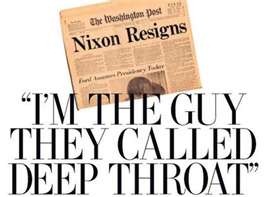
deepthroatIt’s not like back in Watergate days, when Bob Woodward spoke to a voice on the phone who gave him enough evidence to prove he was reliable enough to deserve the title, “Deep Throat.”

Those were the days. Drama while researching a story. Nice. Now, who knows from where comes the wellspring of Internet “facts”? How can we be sure the information we pull from the digital ether won’t leave us with egg on our face? Or worse: some reader sending an email proving our information was wrong. Major story killer!

Personally, I prefer on-site research for my stories, and so far have been able to use that tool successfully. However, I do rely on the Internet for facts. Ironic as it sounds, I searched the Internet to find guidelines for researching reliable sources on-line. I found the most reliable tips from websites for university libraries. Since the first tip was to check the authority of a source, I thought colleges would offer the most unbiased tools for determining reliable information.

research3I found when choosing an article, blog, website, government document, historical journal or any resource posted online five key areas should be considered:

1. The Authority of the author/publisher of information.

You should be able to identify the author of the work/site, his/her credentials, relevant affiliations, and past writings. The article itself should offer information, or sources like Who’s Who, the  author’s home page, or Google search the publishers/author’s name to see what other works support their credentials.

2. The Objectivity of the author.

What is the motive for your source’s article, blog, website? Does your source admit to a particular bias? Offer historical, medical or industry facts and not opinions, or affiliation viewpoints? Can you compare the information to other independent sites/articles to verify facts?

3. The Quality of the information:

Do the facts agree with your own knowledge of the subject? Can you insure information is complete and accurate by comparing with other specialists in the field? Does this author list other sources for his/her information, as well? And, believe it or not, check the site, article or blog for grammatical and spelling errors, typos. These usually indicate a non-professional delivery of information, making the facts suspect.

research6

4. Evaluate Date of information:

When was the information published?  Check the date on the web page for publication date and revision dates. Is the information current? Does it update old facts? Substantiate other materials you’ve read? 

5. Establish Relevance of the information:

Are these facts popular vs. scholarly? (Huffington Post vs. Wall Street Journal)Does the information use raw data, photographs, first-hand accounts, reviews or research reports? Has the information been analyzed and the resources cited? Are footnotes, endnotes or bibliographies listed?

Remember, Wikipedia is no the end-all of resources, since anyone can edit it. And, a rule of thumb is to ensure you tap at least five different sources to verify your facts before accepting your information as usable.

So far, I’ve been lucky. But, I’ve only just begun my writing career. Has anyone out there put facts in their book they pulled from the Internet only to discover the source was wrong?


A Matter of Time

John Ramsey Miller

The world is so connected now that a film taken seconds after a bomb kills civilians in Nigeria is on our computers minutes after the event––perhaps before the bodies have been lifted into ambulances. A purchase can be made in Europe using a credit card stolen in California minutes earlier. It is flat amazing how connected we all are. The faster things happen, the more I want to write about a time when a war could be at full tilt and most of the world be unaware of it for weeks, months or years. Hard to imagine a time when fingerprints were all but useless in connecting people with their actions. I long to put my mind, my writing ability, in a slower world.

I write this blog every other week, and I don’t always write about writing, because my life isn’t about “How To-ing.” Although connected to authorship, I’m not ruled by writing. Life takes up most of my time, and I can go weeks without writing anything but this fleeting missive.At the moment I am waiting for my daughter-in-law and two of my grandchildren to arrive from Wilmington, NC fleeing from a Hurricane Irene and my dear friend Dr. Phillip Hawley, who wrote STIGMA, a few years back is coming to visit. Phillip is a pediatrician from LA, who had a business degree, before he went to medical school. And he is a talented writer, who writes when he has time. His book is now available on KINDLE, and it’s a great thriller.

I have decided that, with the time I have left, I am going to adhere to a tough schedule and write the books I want to write, and to publish electronically from here out. I ain’t at my first rodeo and I can probably sell my books as effectively as a publisher can. I will have to find an editorialista who wants to work with me, and I am going to control my own future to the extent we can control anything. If I chose to write over the top, here and there, I will do it. I won’t care if my characters are not PC, or if they are more graphically violently inclined than someone else thinks is proper for the readers they think I have.

I also want to write my favorite continuing characters, and my publisher didn’t think the number of people who bought the books were adequate to keep the series going. The writing is what I love. The publishing part of the business has often gotten in the way of the creating.If forty thousand people read Winter Massey’s adventures, that is worth the time it’ll take to write. Starting on Monday I’m going to start polishing a standalone novel I completed last year so that it should be available for e-readers in six or eight weeks. I’ll let you know how it goes as it goes.

I think I’ve got time for a dozen books in the next three or four years. Then maybe I’ll take some time off.

WASTE TIME CONSCIOUSLY

By: Kathleen Pickering  www.kathleenpickering.com

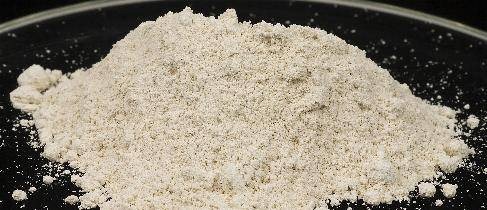
heroin_powderDeadlines are like  heroin for me.

Hold on, now! Don’t get me wrong. I’ve never done heroin. And, I can say with an open heart and clean conscience that heroin is slotted nowhere in my life schedule.

However, I do have an addictive personality. So, I’m thinking that if it is irresistibly alluring to be addicted to something others consider awful, I am irresistibly addicted to deadlines!

I have self-published four books that required no deadlines. I had one other novel released by a publisher years ago. So, I’m pretty much a newbie to the workings from an editor’s desk. 

Well, last Thursday was my first deadline with Harlequin. (I know. Not a mystery, but hey, love can mislead one, kill another, or solve deep mysteries, no?) So, I am pleased to announced that I main-lined that first deadline directly to my editor’s in-box with time to spare.

What a freakin’ rush!!

That defining moment was capped with a lovely, complimentary email from my editor thanking me for meeting the short notice. She then went on to suggest that I should kick back and relax until the line edits came back.

I thought, “Huh? No way!” I NEED another deadline! That felt soooooo good. Having those characters run through my blood, live in my brain and rush into the keyboard to find a happily-eva-afta! I must, must, must do it again. Gotta have it!

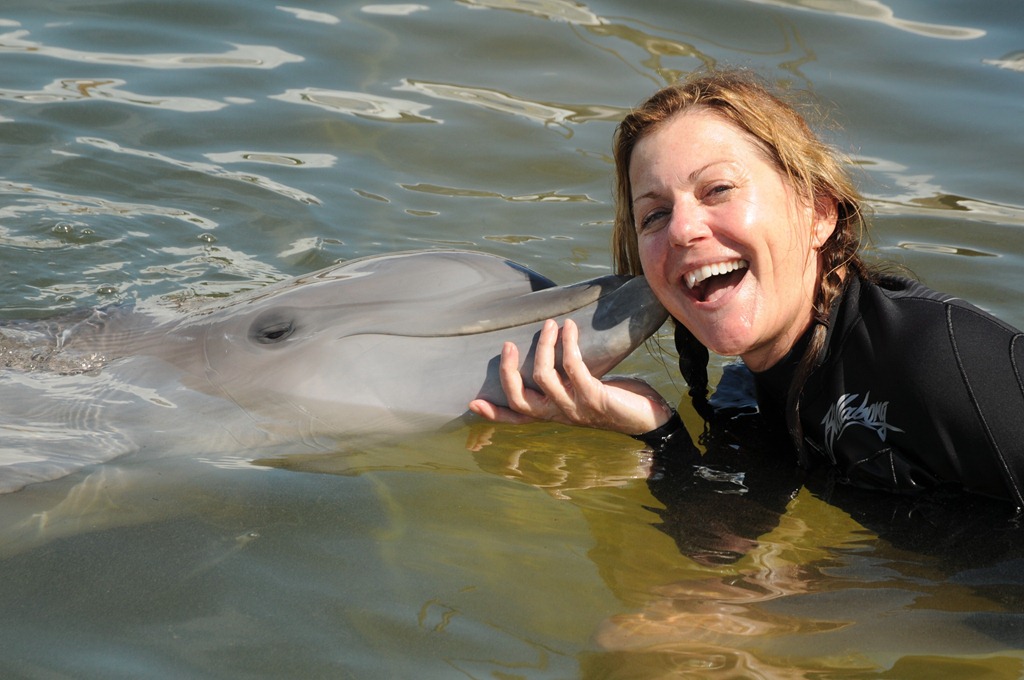
But then, I thought. Hey, that was a lot of work. You don’t want to burn out. So, I took one day. Friday. I consciously wasted time to regroup, detox the adrenaline rush, and just enjoy that I’m a normal kind of gal. Maybe go shopping. Call a friend. Play with dolphins? 025_25

I’ve heard this sage advice from all my seasoned author friends: When you’re not BICHOK (Butt In Chair Hands On Keyboard) be sure to waste your time consciously. Be aware that you have chosen not to write in order to regroup, percolate, smell the roses, drink the coffee and see what’s happening outside that closet in your mind.

Wasting time consciously in itself is healthy, but when you have an addictive personality such as mine, it’s hard to let go of the deadline craving. Without thinking twice, I may think I’m consciously wasting time, but I’m really using these hours to open a vein into which the next story can flow. (I’m sure the sage heads of those who know are nodding.)

The best high about being an author is that everything I do can trigger a story. I could, without trepidation, consciously waste time because the possibilities I might find would simply take me back to my dealer . . . um, I mean, editor.  (Coughing into fist with embarrassment.)It’s pretty clear that if I deliver another good story, she’ll give me what I crave most: a DEADLINE. Ahhh. It doesn’t get better than that.

So, I did it. I consciously wasted a day, with great abandon until the tug came back. The tremors began, and that hunger bit deep. I got on the keyboard to my editor and said, “Thanks for the excellent suggestion, but if you don’t mind, ten hours was enough. I’m hammering out my next proposal, immediately. I need another deadline fix. NOW!!

I should be feeling better soon folks. No worries. Smile

So, tell me, my writer, artist, and business-minded friends. How do you consciously waste time between creative processes in order to rejuvenate?