
by James Scott Bell
@jamesscottbell
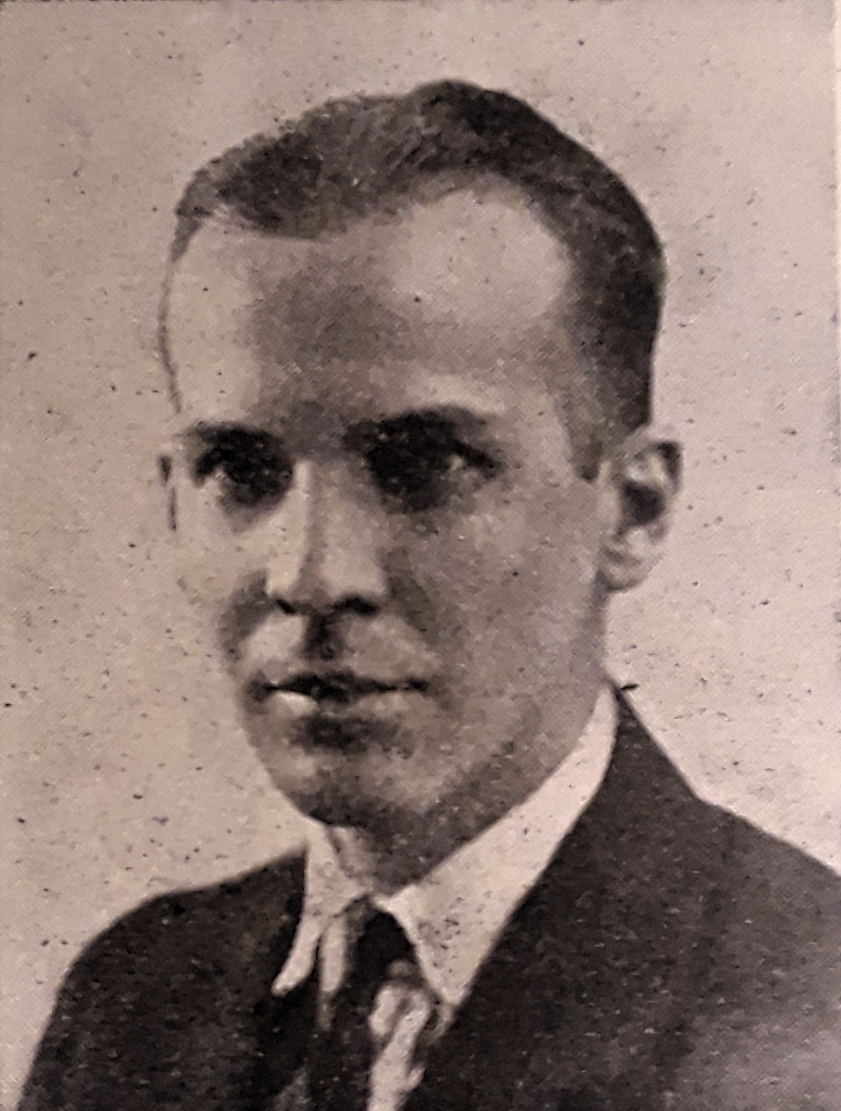
Jack Woodford (1894–1971)
In the golden age of the pulps there was a writer named Jack Woodford, who also wrote how-to books for writers. What’s refreshing about these is his no-hold-barred advice that eschews all flowery paeans on the romance of being a writer. He gets down to it in a book titled, appropriately, How to Write for Money (1944):
So there you are. A free-lance writer! Oh pitiable wretch! Oh miserable fool! Of all the business you could have gone into—operating a movie theatre, or making guns, running a drug store or learning how to be a tailor or a plumber, a typographer or a hot dog cook—you insist on going into the business of cash-and-carry prose. Well, you know best. As for me, I know there isn’t a so-and-so thing I can do to discourage you or make you change your mind. I admit (reluctantly) I’ve made a pretty good thing out of it myself. But I’ve had some breaks….Can you be sure of getting breaks? Of course you can’t. That’s what a break means—a stroke of luck that nobody expects, all pine for madly, and mighty few ever get. Where would I have been without my breaks? God knows. I don’t!
Do you feel like a “pitiable wretch” sometimes? Welcome to the club called Every Writer. We meet at the bar.
Writing is the most hazardous profession of which I know. It usually carries with it far less rewards than most people think, much more work, and very little satisfaction; since you cannot, ever, say what you really think about anything. Many writers appear to do so but they are always restricted one way or another behind the scenes. The rewards of writing, however, are worth it for those temperamentally suited to such rewards. The freedom it brings from alarm clocks, for instance, is, in itself, not an inconsiderable item; and from time clocks, and other devices of torture invented by people who hold stock in things and milk other people of their labor at usurious rates.
That is a lure, of course. If this gig gets big, you don’t have to “work for the man,” as they used to say. Better, though, to think of your writing as one little stream of income, a side hustle, that may or may not grow into a river. But a trickle is better than nothing at all if you love to write (and you should love it…most of the time, at least).
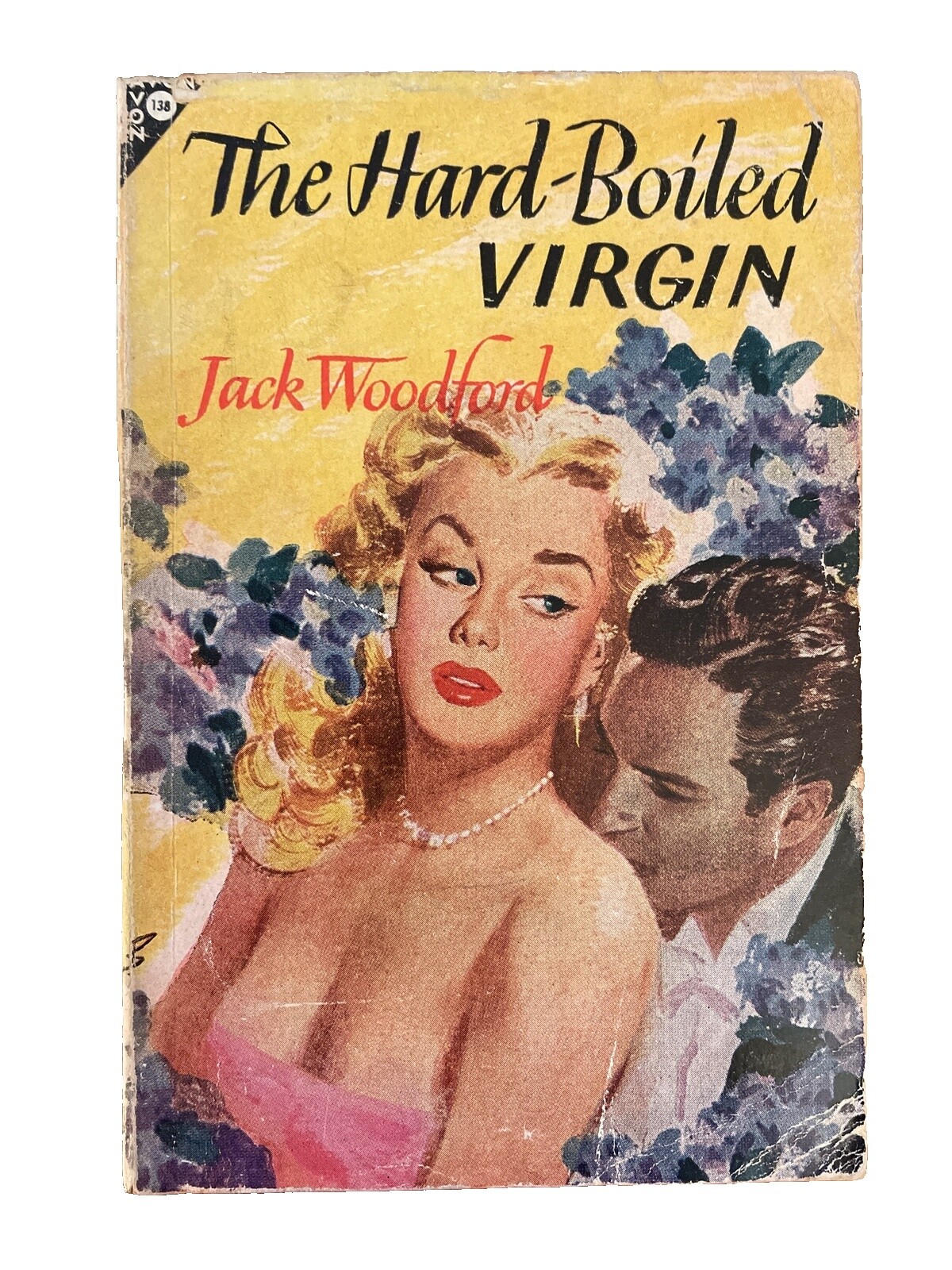 Woodford, writing in the middle of World War II, offers a military illustration:
In Boot Camp, tough sergeants deliberately try to break the morale of inducted men. Those who break they send back to civilian life, or to some more or less ignominious chore in army life. There are two or three hundred thousand “writers” who “write at” writing in this country. Ninety percent of them make next to nothing. The few who do get by are those who were not “broken” in the “Boot Camp” of their own wills, or lack of same.
Knowing all that:
If you really want to be a writer it is my observation, from a quarter century of association with successful and unsuccessful writers, that the hinges of Hell cannot prevail against you.
In Writer’s Cramp (1953), Woodford quotes the novelist Robert Ruark, who was big at the time:
“To write a book is no simple thing. One needs paper, a typewriter, a certain basic stupidity, and time. Also arrogance. Any bum who sits down and figures he has 300 book pages of importance is an arrogant ass. Nobody has that much to say worth saying. Neither Shakespeare nor Artie Shaw.”
Note: Artie Shaw was a famous big band leader, a clarinetist, who also had a fertile mind. In 1952 he published an autobiography titled The Trouble With Cinderella: An Outline of Identity, which is no doubt what Ruark is referring to.
Woodford’s most influential how-to was Trial and Error: A Key to the Secret of Writing and Selling (1940), cited by no less than Ray Bradbury and Raymond Chandler.
Be glad that it is hard. Wish that it were more difficult than it is; for this is your protection, when you have learned it, from too much competition. Only this I can promise you—that even though you have no gifts whatever ever for writing, no knack, education, knowledge, imagination; no common sense, intelligence, anything, you can still learn to write commercial fiction and sell it, if you have really made up your mind to do so. If you really are a downright simpleton, this very fact may make things easier for you in the free lance commercial fiction racket, for nine-tenths of all stories and novels are in America read by ninnies who may understand you far better if you are a kindred spirit.
You could not learn to write literature, whatever that is, by simply making up your mind to do it; no, not even if you had a will like Mussolini’s.
All I can give you here is a rough idea as to how to go about turning exposition into the various sorts of narrative writing.
Okay, you pitiable wretches, if Mr. Woodford were still around, what would you say to him?
He sounds like a colorful character. I looked up his books. They’re available but a bit pricy right now after the move and furnishing our new house. I have them saved for later. We also have about a million thrift stores here. I may get lucky.
What would I say to him?
“”Hi. Mr. Woodson.”
And then I’d listen.
I would say: “Mr. Woodford, have you been hiding under the sofa in my writing cave, listening to me whine?”
He certainly lays it all out & tells it like it is, yes? This writing gig is not for wimps or the faint of heart.
Wonder what he’d have to say about our up & coming AI debacle. I see him spinning as we speak.
Have a good one!
Sometimes a little punch-in-the-gut honesty is good for you.
“Of all the business you could have gone into…you insist on going into the business of cash-and-carry prose.”
But if writing were easy, I wouldn’t pursue it. Easy is not challenging. Easy is boring.
However, I do need to take more of a boot camp approach – I ain’t gettin’ any younger and I’ve got a lot of books I want to write. And while it has never been a goal of mine to write full-time and be dependent only on a writer’s income (I love my day job), it would definitely be wise for me to pick up the pace and earn whatever I can, while I can, to supplement this expensive world we live in.
Thiis is really bizarre timing. I’m reading Writer’s Cramp right now.
Woodford has always been one of my favorite “how-to write” writers. A lot of the stuff about submission and the publishing industry is obviously dated but his observations and advice on being a writer are still spot-on. Really entertaining books.
I would say: Mr. Woodford, thank you for this. It is much needed wisdom for all who attempt to climb the mountain of ‘writer.’ And, thank you, Mr. Bell & ‘killzoneblog’ for sharing it with us.
The only thing with which I would quibble is saying that 9/10 of the stories are read by ninnies. I have not found that to be the case with my readers. To be sure I often wonder how poorly written novels so often become bestsellers. Still my readers are by no means lacking in intelligence.
Pleased to meet you, Mr. Woodford, the Dean of the School of Hard Knocks.
Mr. Woodford, you are so right.
Love this, Jim! I wouldn’t say a thing. Just let him ramble, and enjoy every second of it.
He laid it on the line for sure, but I knew writing would be hard when I started back in the dark ages of typewriters. But something in side me said that my book would be published. It only took 30+years.