
by James Scott Bell
@jamesscottbell
O quam cito transit gloria mundi. – Thomas á Kempis (“How quickly the glory of the world passes away.”)
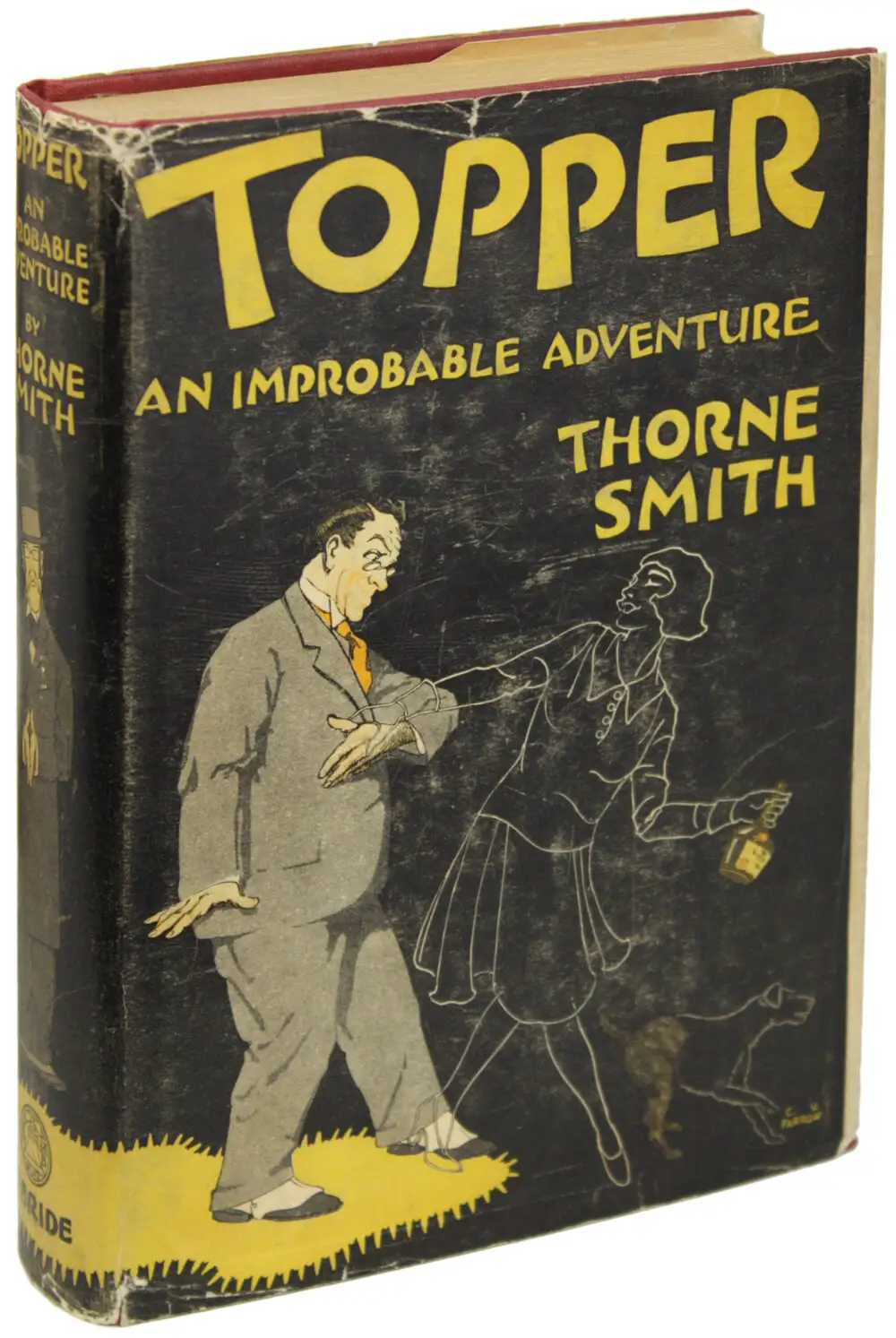
How many people today have heard of Thorne Smith? Or Booth Tarkington? Or Carroll John Daly?
All three were wildly famous in the 1920s. Smith was the author of the popular Topper series of novels about a couple of fun-loving ghosts and their friend, Cosmo Topper. Tarkington won the Pulitzer Prize—twice!—for his novels The Magnificent Ambersons and Alice Adams. And in the world of pulp writing, Daly was as popular as Dashiell Hammett and Raymond Chandler.
They are mostly forgotten now, which is the fate of the overwhelming number of writers who ever lived.
Which brings me to Arthur Schopenhauer. Read any Schopenhauer lately? I read some Schopenhauer in college, and this is what my face looked like after I tried to understand him:
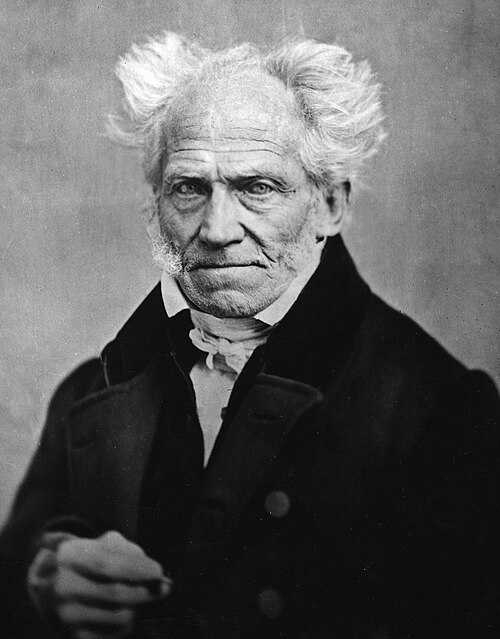
JSB, age 20 (or Arthur Schopenhauer)
But as I did some research in the library of Project Gutenberg, I came across Schopenhauer’s essay on Fame.
“As a general rule, the longer a man’s fame is likely to last, the later it will be in coming; for all excellent products require time for their development. The fame which lasts to posterity is like an oak, of very slow growth; and that which endures but a little while, like plants which spring up in a year and then die; whilst false fame is like a fungus, shooting up in a night and perishing as soon.”
If you write for fame, you’re writing fungus. Worth rememgering.
However, we do want our name to be known as a “brand,” meaning a reliable producer of quality fiction. That’s part of a marketing strategy, which also includes self-promotion. Agent Barb Roos has some good advice on this topic.
The notion of self-promotion tends to send authors running from platform conversations faster than a politician dodging a direct question. We see self-promotion as something only self-involved people who clearly think too highly of themselves would do. Of course, we think ourselves too holy, too busy, or too sophisticated to engage in such activity. After all, we are writers, right?
Her bottom line:
If you don’t talk about yourself and what you write, no one else will.
My follow-up point will make you uncomfortable, but it is a truth you must wrap your mind around if you want to survive and thrive in today’s publishing world. Self-promotion is essential to the success of your product.
The trick is to divorce self-promotion from the desire for fame. Schopenhauer again:
“From the point of view of human happiness, fame is, surely, nothing but a very rare and delicate morsel for the appetite that feeds on pride and vanity—an appetite which, however carefully concealed, exists to an immoderate degree in every man, and is, perhaps strongest of all in those who set their hearts on becoming famous at any cost. Such people generally have to wait some time in uncertainty as to their own value, before the opportunity comes which will put it to the proof and let other people see what they are made of; but until then, they feel as if they were suffering secret injustice.”
The desire to have others recognize you as significant (which is what fame is) inevitably leads to comparisons, envy, disappointment, bitterness. Instead, put that emotional energy into writing the best book you can (you, not the machine), pour your heart into your material, and promote it wisely. Rinse, repeat.
And here’s some unsolicited advice for those public figures who violate the maxim: Better to remain silent and be thought a fool than to speak and to remove all doubt.
“And so people who feel that they possess solid intellectual capacity and a sound judgment, and yet cannot claim the highest mental powers, should not be afraid of laborious study; for by its aid they may work themselves above the great mob of humanity who have the facts constantly before their eyes, and reach those secluded spots which are accessible to learned toil.”
But laziness and click-bait catnip is the currency of “influencers” today. For them, I offer Aesop’s fable “The Mischievous Dog.”
There was once a Dog who used to snap at people and bite them without any provocation, and who was a great nuisance to every one who came to his master’s house. So his master fastened a bell round his neck to warn people of his presence. The Dog was very proud of the bell, and strutted about tinkling it with immense satisfaction. But an old dog came up to him and said, “The fewer airs you give yourself the better, my friend. You don’t think, do you, that your bell was given you as a reward of merit? On the contrary, it is a badge of disgrace.”
Moral: Notoriety is often mistaken for fame.
Comments welcome.
Points well made, Jim. Here’s a snippet of advice given to me many moons ago.
A proud lad joined the local Lions Club, worked hard to fit in, and the members nominated him to receive the Humility Award, but when he stood up to receive it, they rescinded the honor.
Love it, Grant! Reminds me of a novelty card my big brother had that said, “It’s hard to be humble when you’re as great as I am.”
Sounds like my dad!
Jim, nailed it again!
Schopenhauer makes me think of the recently departed Robert Duvall who wasn’t considered “famous in the conventional sense. He was sometimes called an “invisible” actor. He didn’t make headlines or go viral on social media for outrageous behavior. He just did his work, film after film after film. He was like the oak tree rather an a flashy fungus.
Too bad society seems to value fungus.
Oh yes, I loved Duvall. He always gave a solid performance, a real pro. I recently re-watched Network. He’s brilliant, among the other brilliant performances—Peter Finch (Oscar for Best Actor), William Holden, Faye Dunaway (Oscar for Best Actress), Beatrice Straight (Best Supporting Actress), and Marlene Warfield as Laureen Hobbs, the strident communist who becomes a strident capitalist when featured in a hit TV show. All in one of the best scripts ever, by Paddy Chayefsky (Oscar, Best Screenplay). No fungus anywhere in that movie!
This reminds me of the brand new writer who pens one novel and quits their paycheck job, believing riches and worldwide recognition will follow. Your pic at age 20 cracked me up! Thanks for another great post, Jim.
Yes, and that newbie who puts up one bad novel and proudly announces to everyone they are now a “writer” (even more meaningless if it’s AI-generated slop). I do not wish to be uncharitable here. If one is striving for excellence, one may consider oneself a writer. When I started on this journey, one of the first things I did was purchase a coffee cup with WRITER on it. I never used it for coffee. I set it up on my desk so I could look at it for inspiration (it’s still here, on my desk). But it was a long time and several published books and real income that I dared to tell others I was a writer.
I started writing for fun, so it took some time before I considered myself a “writer.” I’m heading to a conference in a few days, where I’ll bask in the glow of being famous for my lip balm.
Now that’s a fame worth celebrating. 😁